
Sauces & Condiments
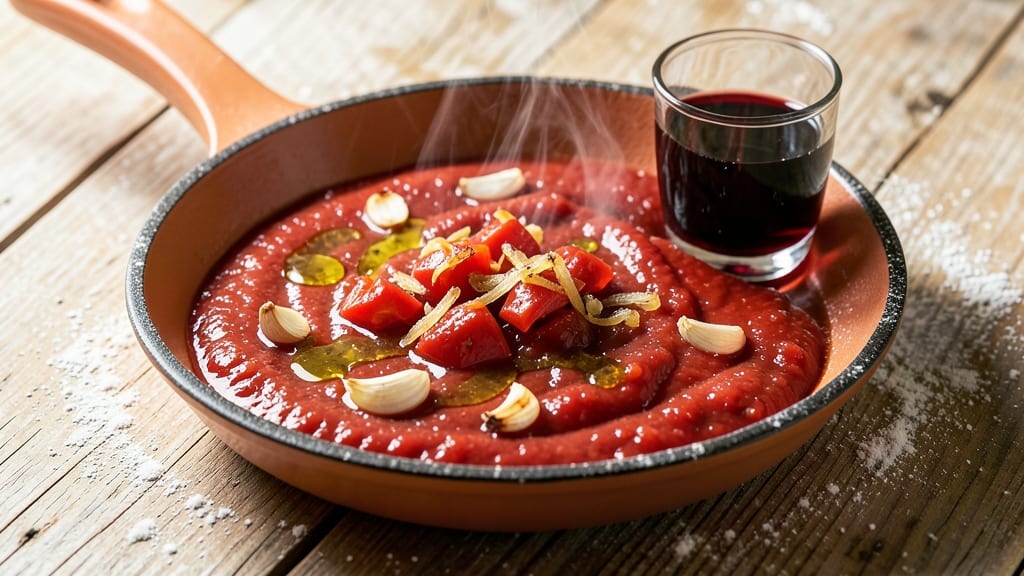
This authentic Italian tomato sauce recipe brings umami depth that transforms simple meals into restaurant-quality dishes. 💛 I spent years perfecting the slow-simmer technique that Italian nonnas swear by—no shortcuts, just layers of flavor built through time and patience.
The key lies in caramelizing onions and garlic before adding crushed tomatoes, then letting everything meld at a gentle simmer until thick and velvety.
What sets this sauce apart is the balance of acidity and sweetness, achieved through high-quality San Marzano tomatoes and a touch of sugar.
Fresh basil added at the end brightens the sauce without overpowering its natural depth, while a splash of red wine (optional) adds complexity that elevates it beyond basic marinara. The result is a sauce that clings perfectly to pasta, melts into meatballs, and tastes even better the next day.
This recipe delivers authentic Italian flavor without requiring specialty ingredients—just fresh tomatoes, olive oil, and basic pantry staples. The slow cooking process develops rich, caramelized notes that store-bought sauces can't match, and the sauce keeps beautifully in the fridge for up to 5 days or freezes for months.
Whether you're tossing it with spaghetti or using it as a pizza base, this sauce becomes the heart of any Italian meal.
For those who want to experiment, variations like adding anchovies for umami or a pinch of cinnamon for warmth open endless possibilities. The technique remains the same—just adjust the seasonings to your taste. Let's create sauce that tastes like it came straight from Italy.
Ingredients for authentic tomato sauce recipe from italy
Ten essential ingredients transform into Italy's most beloved tomato sauce through slow-simmered patience.
| Ingredient | Amount | Notes |
|---|---|---|
| Extra-Virgin Olive Oil 🫒 | ½ cup | High-quality, fruity variety preferred |
| Yellow Onions 🧅 | 2 whole | Thinly sliced, about 2 cups |
| Garlic Cloves 🧄 | 6 cloves | Minced finely for depth |
| San Marzano Tomato Crushed 🍅 | 28 oz | High-quality canned tomatoes |
| Dry Red Wine 🍷 | ½ cup | Bold variety like Chianti |
| Granulated Sugar 🍚 | 1 tbsp | Balances acidity naturally |
| Fresh Basil Leaves 🌿 | ½ cup | Packed, stems removed |
| Salt 🧂 | 1 ½ tsp | Diamond Crystal preferred |
| Freshly Ground Black Pepper 🌶️ | ½ tsp | Cracked peppercorns preferred |
| Anchovy Fillets 🐟 | 4 pieces | Optional for umami depth |
The foundation begins with San Marzano tomatoes—their natural sweetness and low acidity create the perfect base. Look for canned tomatoes labeled 'San Marzano' from Italy in the international aisle at Whole Foods or Trader Joe's, where quality is consistently higher than generic brands. The extra-virgin olive oil should have a peppery finish; California Olive Ranch or Colavita are reliable choices. Anchovies, though optional, provide that unmistakable umami—Colavita or Mora brands dissolve completely without fishy aftertaste. Fresh basil is non-negotiable for that bright finish; seek out organic basil at farmers markets or the produce section, choosing stems with vibrant green leaves.
No San Marzano tomatoes? Crushed tomatoes work in a pinch, but reduce simmering time by 15 minutes. Substitute red wine with extra tomato paste (1 tbsp) plus 1 tsp balsamic vinegar for acidity. Fresh basil unavailable? Dried basil at half the quantity preserves flavor, though texture suffers. The sugar can be swapped for honey (though it's not traditional) or agave nectar for a neutral sweetness. For anchovy-free umami, 1 tsp soy sauce or 1 tsp fish-free Worcestershire mimics depth. Always toast garlic and onions until caramelized—the Maillard reaction unlocks complex flavors store-bought sauces can't replicate.
This sauce develops flavor over time, so reheat gently on low heat with a splash of water to restore thickness. Store in glass jars in the fridge for up to 5 days—the flavors meld beautifully overnight. For long-term storage, freeze in ice cube trays for single portions or airtight containers for up to 3 months. The sauce tastes even better reheated the next day, as the acidity mellows and flavors deepen. Always add fresh basil at the end—it wilts quickly when cooked, preserving its bright aroma.
Why You'll Love This Recipe
- No Chopping Needed: I swear by this—just dice one onion and mince three garlic cloves. That’s it. The San Marzano tomatoes do all the heavy lifting, and the wine adds depth without extra work. Honestly, I’ve made this sauce after a long day with zero stress.
- Wine-Infused Magic: Between us, that splash of dry red wine isn’t just for show. It deepens the flavor in a way store-bought can’t match—bright acidity, a hint of earthiness, and a smooth finish. It’s the secret weapon in my pantry.
- Weeknight to Weekend: This sauce works for pasta, pizza, or even as a base for grilled meats. I’ve used it for quick spaghetti on Tuesdays and as a topping for homemade lasagna on Sundays. The same jar does double duty, and it always tastes fresh.
- Fridge Goldmine: Make a big batch—it keeps for weeks in the fridge and freezes like a dream. I always have a jar on hand for lazy nights or when company drops by. Plus, the cost per serving is a steal compared to pre-made sauces.
Step-by-step instructions for authentic tomato sauce from Italy
This method captures the essence of Italian tomato sauce—deep umami, balanced acidity, and aromatic complexity.
🍳 Step 1: Sauté Onions Until Translucent
Heat the 0.5 cup extra-virgin olive oil in a heavy-bottomed saucepan over medium-low heat. Add the 2 whole yellow onions, sliced into thin half-moons, and cook for 10-12 minutes until completely soft and translucent without browning. This gentle cooking draws out their sweetness without bitterness.
I stir occasionally but don't rush—patience here prevents the onions from releasing their natural sugars too quickly, which can make the sauce taste overly sweet later. If the oil starts to smoke or the onions darken, reduce the heat immediately. You want them to melt into the oil rather than caramelize.
🍳 Step 2: Add Garlic and Anchovies for Umami Depth
Push the onions to one side of the pan and add the 6 cloves minced garlic to the empty space. Cook for 30 seconds until fragrant but not browned—garlic burns in seconds, and you want its delicate flavor, not bitterness. Then, add the 4 anchovy fillets (if using) and stir to dissolve completely.
The anchovies may seem unusual, but they're traditional in many Italian tomato sauces. They dissolve into the oil, adding a deep, salty umami that balances the acidity of the tomatoes. If you're avoiding anchovies, simply omit them—the sauce will still be delicious, though slightly less complex.
🍳 Step 3: Deglaze with Wine and Add Tomatoes
Pour in the 0.5 cup dry red wine and scrape up any browned bits from the bottom of the pan with a wooden spoon. This deglazing step captures all the flavorful fond stuck to the pan. Let the wine simmer for 3-4 minutes until reduced by half, then add the 28 oz crushed San Marzano tomatoes and 1 tbsp granulated sugar.
The sugar isn't just for sweetness—it helps balance the natural acidity of the tomatoes, especially if you're using a particularly tart batch. Stir well to combine, then add the 1.5 tsp salt and 0.5 tsp freshly ground black pepper. The sauce should bubble gently as it begins to thicken.
⏰ Step 4: Simmer Slowly for Rich Flavor Development
Reduce the heat to low and let the sauce simmer uncovered for 45-60 minutes, stirring occasionally. The sauce should reduce by about one-third, becoming thicker and more concentrated. You're looking for a sauce that coats the back of a spoon but isn't gluey.
This slow simmering is where the magic happens. The acid in the tomatoes breaks down the pectin in the onions and garlic, creating a silky texture. The wine and olive oil infuse the tomatoes with depth, and the sugar caramelizes slightly, adding a subtle sweetness that rounds out the acidity. Don't walk away—check the sauce every 10 minutes to prevent it from sticking or burning.
🥘 Step 5: Finish with Fresh Basil and Adjust Seasoning
Once the sauce has thickened to your desired consistency, remove it from the heat. Stir in the 0.5 cup fresh basil leaves, stems removed, and let the sauce steep for 5 minutes. The basil will infuse the sauce with its bright, herbal notes, but it won't overpower the other flavors.
Taste and adjust the seasoning if needed. You might need a pinch more salt or a splash of red wine to balance the flavors. The sauce should be rich, slightly sweet, and deeply aromatic with notes of garlic, onion, and basil. Serve immediately over pasta, or let it cool slightly before storing in an airtight container in the refrigerator for up to 5 days. This sauce only gets better with time as the flavors meld.
Pro Tips For Making Authentic Tomato Sauce Recipe From Italy
- Sweat the Onions Slow: I used to rush this step and end up with bitter, caramelized bits instead of sweet, translucent onions. For this sauce, cook them over medium-low heat with a pinch of salt until they’re soft enough to pierce with a fork—about 10-12 minutes. That’s when their natural sweetness starts working its magic with the tomatoes.
- Deglaze with Wine Early: Skip the urge to add wine after the tomatoes go in—it’ll just steam off. Instead, pour it in right after the garlic (when it’s just golden, not brown) and let it bubble for 2-3 minutes. This locks in the alcohol’s flavor before it evaporates, giving your sauce that bright, balanced acidity.
- Crush Tomatoes by Hand: I know canned San Marzano is convenient, but if you’re using whole peeled tomatoes, crush them by hand with your fingers or a wooden spoon. This breaks the skins just enough to release juices without turning the sauce into a puree—keeping that rustic, chunky texture Italian sauces are famous for.
- Simmer Low and Long: After adding the tomatoes, drop the heat to the lowest setting and let it bubble gently—no splashing, no rushing. A proper Italian tomato sauce needs 45-60 minutes to develop depth. I’ve learned the hard way: high heat = flat, one-dimensional flavor. Patience pays off here.
Serving suggestions for this authentic tomato sauce recipe from italy
Pasta Perfection
This sauce clings beautifully to al dente pasta like spaghetti or linguine, where its velvety texture coats each strand. I always reserve ½ cup pasta water before draining—adding it to the sauce at the end keeps it silky.
For extra richness, toss with pecorino romano or Parmigiano-Reggiano after serving. 🍝
Pizza Base
Spread a thin layer over homemade pizza dough before adding toppings like mozzarella, san marzano tomatoes, and fresh basil. The sauce's depth elevates simple pies into restaurant-quality.
For a white pizza twist, mix it with ricotta and garlic before baking. Preheat your oven to 475°F for a crispy crust.
Meatballs & Meat
Simmer beef or pork meatballs in this sauce for 20-25 minutes until tender and infused with flavor. It also pairs perfectly with braised short ribs or chicken parmesan, where the sauce's acidity cuts through rich meats. For a quick weeknight dinner, serve over polenta or mashed potatoes.
Bread & Bruschetta
Dip crusty Italian bread or garlic bread into the warm sauce for a simple appetizer. For bruschetta, top toasted bread with a spoonful of sauce, fresh basil, and a drizzle of extra-virgin olive oil. The sauce's balance of sweet and tangy makes it ideal for dipping. 🥖
Eggs & Breakfast
Use it as a base for shakshuka by adding eggs and simmering until set. The sauce's richness complements poached or fried eggs beautifully. For a breakfast pizza, spread it on pre-baked pizza dough, top with eggs, and broil until bubbly. The acidity brightens morning meals.
Storage & Reuse
Leftover sauce freezes perfectly in ice cube trays for single portions or airtight containers for up to 3 months. Thaw overnight in the fridge, then reheat gently with a splash of water. The flavors deepen over time, making it even more delicious for future meals. 💫
Nutrition facts
Frequently asked questions
Why does authentic Italian tomato sauce need such a long simmering time?
The slow simmer (45-60 minutes) is essential for developing deep, complex flavors. The acid in tomatoes breaks down pectin in onions and garlic, creating a silky texture while allowing natural sugars to caramelize. This process builds layers of umami that store-bought sauces can't replicate—patience transforms simple ingredients into restaurant-quality depth.
Can I substitute San Marzano tomatoes with regular canned tomatoes?
You can, but expect less sweetness and more acidity. For best results, use high-quality crushed tomatoes and reduce simmering time by 15 minutes. Add 1 extra teaspoon of sugar to balance acidity. The texture will be slightly thinner, but the flavor foundation remains the same with proper seasoning.
What's the secret to preventing my sauce from getting too acidic?
Balance is key! Start with San Marzano tomatoes (naturally sweeter), add 1 tbsp sugar to counteract acidity, and use red wine (not vinegar) for depth. If your sauce tastes too sharp, stir in 1 tsp tomato paste or a pinch of baking soda (just a tiny amount!) to neutralize excess acid. Always taste as you go.
How do I know when the sauce is done?
The sauce is ready when it coats the back of a spoon smoothly but isn't gluey. It should reduce by about one-third from its original volume. Look for a velvety texture with concentrated flavors—no longer watery. If it's too thin, simmer uncovered for 10 more minutes; if too thick, stir in 1-2 tbsp water or reserved pasta water.
Can I make this sauce in a slow cooker or Instant Pot?
For a slow cooker, combine all ingredients (except basil) and cook on low for 4-5 hours. For Instant Pot, sauté onions/garlic first, then add remaining ingredients and cook on high pressure for 10 minutes, then natural release. The slow cooker version may need extra sugar to balance longer cooking time. Always finish with fresh basil and adjust seasoning at the end.