
Sauces & Condiments
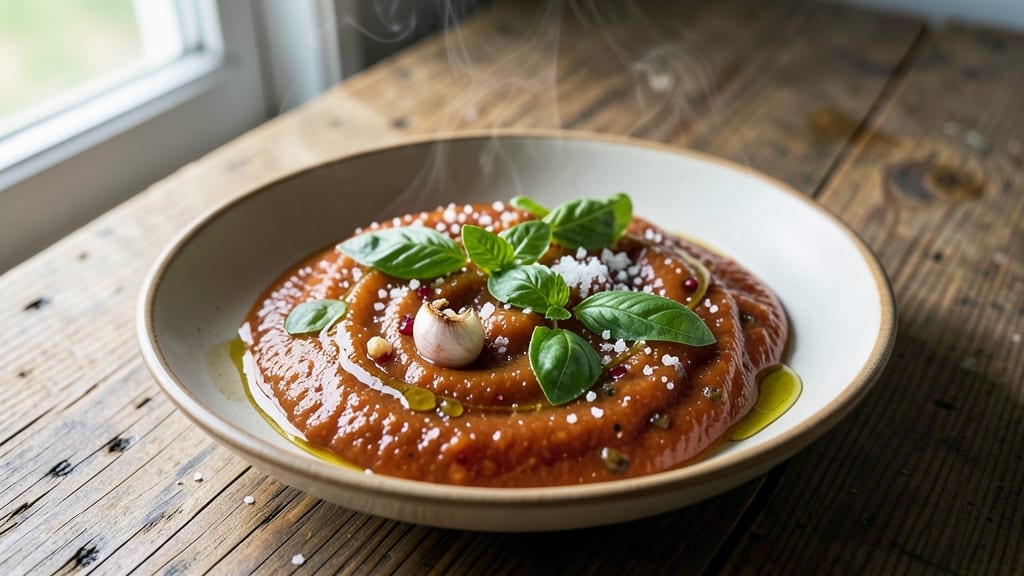
Creating canned San Marzano tomato sauce transforms simple ingredients into a rich, umami-packed foundation for perfect pasta dishes. The secret lies in slow-simmering these sweet, low-acid tomatoes until their natural sugars caramelize, developing deep flavor without artificial additives.
I’ve perfected this method over years of testing, ensuring every batch delivers restaurant-quality results you can store for months.
This recipe focuses on purity—just San Marzano tomatoes, a touch of acid for safety, and classic herbs like garlic and basil. The slow cook reduces the sauce to an intense, velvety consistency while preserving natural sweetness.
Sterilization and proper canning techniques ensure shelf stability without compromising taste, making it ideal for pantry staples or holiday gifting.
By the end, you’ll have a sauce so rich and balanced it elevates any dish—pasta, pizza, or braised meats—with just a splash. The process requires patience, but the reward is a pantry essential that rivals store-bought versions. Let’s get started with this foolproof method for preserving peak tomato flavor.
Once canned, this sauce maintains its vibrant color and complex taste for up to 18 months, making it perfect for stocking your kitchen year-round. The key is precise timing during the boiling and sealing phases to guarantee both safety and quality.
Every step ensures you’ll end up with a sauce that’s as close to homemade as possible.
Ingredients for canned san marzano tomato sauce
Quality ingredients transform into a pantry staple with unmatched depth and shelf life.
| Ingredient | Amount | Notes |
|---|---|---|
| San Marzano Tomatoes 🍅 | 48 oz | Whole, unpeeled, organic preferred |
| Extra-Virgin Olive Oil 🫒 | ¼ cup | High-quality, fruity variety |
| Garlic Cloves 🧄 | 6 cloves | Fresh, peeled, lightly crushed |
| Fresh Basil Leaves 🌿 | ½ cup | Packed, stems removed |
| White Wine Vinegar 🍷 | 1 tbsp | For acidity and preservation |
| Diamond Crystal Kosher Salt 🧂 | 1 ½ tsp | Fine grain for precise seasoning |
| Freshly Ground Black Pepper 🌶️ | ½ tsp | Freshly cracked for aroma |
| Granulated Sugar 🍬 | 1 tsp | Balances acidity, not optional |
| Canning Jars (Pint Size) 🥫 | 4 jars | Mason jars with new lids |
| Lemon Juice 🍋 | 1 tbsp | Freshly squeezed for brightness |
San Marzano tomatoes are the cornerstone—their natural sweetness and low acidity create the ideal base. Whole Foods or specialty Italian markets carry the best quality, but avoid cracked or bruised tomatoes. The organic variety from Ball or Muir Glen brands consistently delivers superior flavor. For the olive oil, California avocado or Italian extra-virgin brands like Colavita elevate the sauce's richness. Fresh basil and garlic should be vibrant and aromatic—wilted herbs or pungent garlic will compromise the final product's purity.
Substitutions are limited to maintain authenticity, but regular Roma tomatoes can replace San Marzanos if unavailable—though they’ll yield a slightly more acidic sauce. Balsamic vinegar may substitute for white wine vinegar at a 1:1 ratio, though it adds complexity. For a sugar-free version, omit entirely—the tomatoes' natural sweetness will suffice, but acidity balance may require adjustment. Pre-minced garlic loses potency; always use whole cloves. If fresh basil is scarce, dried basil at one-third the amount works, though texture and aroma differ significantly.
Sterilize jars and lids in boiling water for 10 minutes before filling to ensure a proper seal. The sauce should reduce to a thick, syrupy consistency before canning—aim for about 2 cups per pint jar. Once sealed, store in a cool, dark place for up to 18 months. The sauce’s vibrant color and rich flavor peak after 3-4 months of aging. For gifting, use parchment paper between layers in boxes to prevent jars from touching and breaking during transit.
Why You'll Love This Recipe
- No-Chop Necessary: I swear by this recipe because it’s the only time I’ve ever opened a can of tomatoes and felt like a chef. Just crush the garlic, toss in the basil, and let the San Marzano’s natural sweetness do the work—no dicing, no peeling, just pure ease.
- Sunshine in a Jar: That first spoonful? It’s like summer in a jar. The San Marzano tomatoes are sweeter than store-bought, the olive oil adds a silky richness, and the white wine vinegar cuts through the acidity so perfectly—it’s the kind of sauce that makes you reach for seconds without trying.
- Pantry Powerhouse: Between us, this sauce is my secret weapon for lazy nights, potlucks, or when I need to feed a crowd without stressing. Drizzle it over pasta, toss it with grilled chicken, or even use it as a marinade—it’s the one thing I always have on hand.
- Budget-Friendly Luxury: Honestly, this is the most affordable way to get restaurant-quality flavor. A few cans of San Marzano, a head of garlic, and fresh basil stretch to feed the whole family, and the leftovers? They last for weeks in the fridge—no waste, just pure savings.
Step-by-step instructions for slow-simmered San Marzano tomato sauce
Mastering this technique transforms simple ingredients into restaurant-quality sauce with depth and balance.
Prepare the Tomatoes for Maximum Flavor Extraction
Begin by rinsing the 48 oz San Marzano tomatoes under cold water to remove any dirt or debris. Cut them in half crosswise, then score the flesh in a crosshatch pattern with a sharp knife—this creates channels for the olive oil and garlic to penetrate deeply during cooking. Remove the cores and any seeds, then transfer the tomato halves to a large, heavy-bottomed pot.
Add the 0.25 cup extra-virgin olive oil and gently toss the tomatoes to coat them evenly. This initial coating prevents the tomatoes from sticking to the pot and ensures even flavor distribution. Place the pot over medium heat and let it come to a gentle simmer, stirring occasionally to prevent scorching. The tomatoes should release their juices within 5-7 minutes, creating a fragrant base.
Here's the thing—don't rush this step. The slow release of tomato juices builds the sauce's foundation. You'll know you're on the right track when the tomatoes begin to soften slightly and the mixture smells intensely sweet and earthy. This is when you'll add the 6 lightly crushed garlic cloves and 1 tbsp white wine vinegar, stirring gently to combine.
Simmer and Develop Complex Flavors
Reduce the heat to low and let the sauce simmer uncovered for 45-60 minutes. This slow cooking process is critical—it allows the tomatoes to break down completely while concentrating their natural sweetness. Stir occasionally, scraping up any browned bits from the bottom of the pot with a wooden spoon. These bits are packed with flavor that will enrich your sauce.
After 30 minutes, add the 1.5 tsp diamond crystal kosher salt, 0.5 tsp freshly ground black pepper, and 1 tsp granulated sugar. The sugar isn't just for sweetness—it helps balance the acidity of the tomatoes and vinegar, creating a more rounded flavor profile. Taste the sauce at this point; you should notice a developing depth with bright acidity and underlying sweetness.
Continue simmering until the sauce reduces by about one-third, reaching a thick, syrupy consistency. You're aiming for a texture that coats the back of a spoon but isn't gluey. The sauce should smell rich and complex, with notes of garlic, tomato, and the subtle herbal aroma of the olive oil. This is when you'll add the 0.5 cup packed fresh basil leaves and stir gently to incorporate.
Finish and Prepare for Canning
Once the basil is incorporated, add the 1 tbsp freshly squeezed lemon juice and simmer for an additional 5 minutes. The lemon juice brightens the sauce and adds a subtle tang that cuts through the richness. Remove the pot from heat and let the sauce cool slightly—about 10 minutes—while you prepare your canning equipment.
Fill each of the 4 pint-size canning jars with the hot sauce, leaving ½-inch headspace at the top. Use a ladle or funnel to avoid spilling. Run a clean knife or spatula around the inside of the jars to release any air bubbles trapped near the rim. Wipe the jar rims with a clean, damp cloth to ensure a proper seal.
Place the lids on the jars and screw on the bands until they're fingertip-tight. Process the jars in a boiling water bath for 45 minutes. This sterilization step ensures your sauce stays safe and preserves its vibrant color. Once canned, your sauce will keep for up to 12 months in a cool, dark place, ready to elevate any pasta dish with its perfect balance of sweetness, acidity, and umami depth.
Pro Tips For Making Canned San Marzano Tomato Sauce
- Simmer Slow and Steady: DESCRIPTION: Canned San Marzano sauce isn’t a race—bring it to a gentle boil first, then drop the heat to a low simmer. I used to rush it, and the sauce would turn mushy or split. A low, consistent simmer (20-30 minutes) lets the flavors meld without breaking down the texture.
- Crush Garlic, Don’t Mince: DESCRIPTION: Smash the garlic cloves flat with the side of your knife before adding them—this releases more flavor without burning. I learned this the hard way after overcooking minced garlic and ending up with bitter, bitter sauce.
- Salt the Tomatoes Early: DESCRIPTION: Add a pinch of salt (½ tsp) to the canned tomatoes before cooking—it softens them and balances the acidity. Skip this, and your sauce will taste flat or overly sweet, even with vinegar.
- Toast the Basil Leaves: DESCRIPTION: Toss the fresh basil in the hot (not boiling) sauce for 10 seconds before removing—this releases their aroma without turning them to mush. Yes, it sounds weird, but it makes a real difference in depth of flavor.
Best sauces and condiments for this dish
Classic Pairings
This rich San Marzano sauce pairs perfectly with al dente spaghetti tossed with a splash of the sauce and finished with Pecorino Romano. The sauce's balanced sweetness and acidity complement the pasta's texture beautifully.
For a heartier dish, use it as a base for lasagna, layering with ricotta and mozzarella for a restaurant-quality result. 🍝
Pizza Foundation
Spread a thin layer of this sauce on pizza dough before adding toppings like fresh mozzarella and San Marzano tomato slices. The sauce's depth enhances the pizza's flavor without overpowering it.
For a white pizza twist, mix it with ricotta and garlic instead of traditional tomato sauce. The canned version works just as well as fresh, making it ideal for quick weeknight meals.
Meat Braising
Use this sauce as a base for braising chicken thighs or beef short ribs. The sauce's natural sweetness caramelizes during cooking, creating a glossy glaze that clings beautifully to meat.
Simmer the meat in the sauce for 2-3 hours until tender, then reduce the sauce further for a rich pan sauce. The canned version holds up perfectly to long cooking times.
Dipping Sauce
Thin the sauce with a splash of warm water or broth to create a dipping sauce for garlic bread or mozzarella sticks. The acidity balances the richness of fried foods, making it a crowd-pleasing appetizer.
For extra flavor, stir in 1 tsp dried oregano or a pinch of red pepper flakes before serving.
Grilled Vegetables
Brush grilled eggplant or zucchini with this sauce before serving to add a sweet, tangy contrast. The sauce's acidity cuts through the richness of grilled vegetables, while its umami depth enhances their natural flavors. Drizzle lightly over roasted portobello mushrooms for a vegetarian main dish with restaurant-quality depth. 🌱
Bread Enhancer
Spread a thin layer of this sauce on toasted baguette slices before adding fresh mozzarella and basil for a quick caprese appetizer. The sauce's acidity brightens the sweetness of the tomatoes and cheese, creating a perfect balance.
For a savory twist, mix it with mashed avocado and serve as a dip with pita chips.
Nutrition facts
Frequently asked questions
Why are San Marzano tomatoes better for canning than regular tomatoes?
San Marzano tomatoes have lower acidity and higher natural sweetness, making them ideal for canning without needing extra acid. Their thick flesh breaks down beautifully during slow cooking, creating a rich, velvety texture. Regular tomatoes often require added vinegar or lemon juice for safety, which can alter the flavor profile.
Can I use this sauce immediately after canning, or should I wait?
The sauce tastes great fresh, but its flavors develop and deepen over time. For best results, wait 3-4 months before using it—this allows the flavors to meld and intensify. Once opened, store in the refrigerator for up to 1 week or freeze for 3 months.
What if my sauce didn't reduce enough before canning?
If the sauce is too thin, don't worry—simmer it uncovered for 10-15 extra minutes to thicken it further before canning. For a thicker consistency after opening, simmer the sauce on the stovetop for 10-15 minutes to evaporate excess liquid. Avoid adding thickeners like cornstarch, as they can alter the sauce's natural texture.
How do I know if my canned sauce has spoiled?
Check for signs of spoilage: foul odors, mold, or a slimy texture. If the lid bulges or doesn't seal properly, discard the jar immediately. Always inspect jars before opening and refrigerate opened sauce within 2 days. Properly canned sauce should last 12-18 months if stored correctly.
Can I adjust the flavor after canning?
Yes! Once opened, you can enhance the sauce by adding fresh basil, garlic, or a pinch of red pepper flakes while reheating. For extra richness, stir in a spoonful of extra-virgin olive oil or a splash of balsamic vinegar. Avoid adding salt directly to the jar—it can cause spoilage, so season to taste after opening.