
Sauces & Condiments
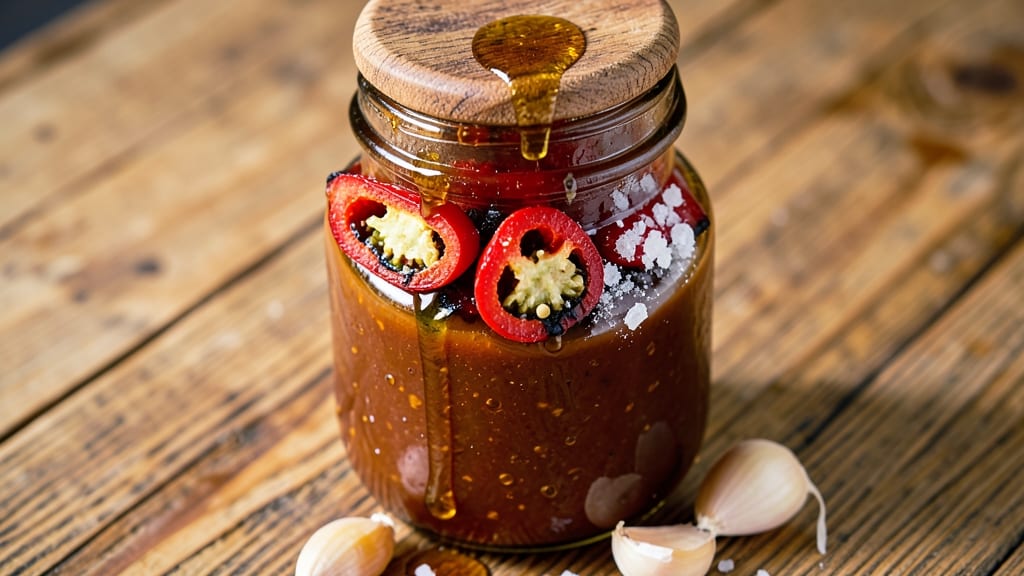
This basic fermented hot sauce recipe delivers complex, layered heat that store-bought versions can't match—no artificial additives, just pure, tangy spice built through natural fermentation. The process transforms simple ingredients like jalapeños, garlic, and apple cider vinegar into a vibrant, funky sauce with depth that develops over weeks.
I've perfected this method to ensure safety while maximizing flavor, so you get restaurant-quality results without the guesswork.
The beauty of fermentation lies in its patience—10 days at room temperature transforms raw ingredients into something rich and tangy, with a heat that builds gradually rather than overwhelming. You'll need just five core ingredients (plus salt for preservation), and the process requires minimal daily attention.
The key is maintaining proper hygiene and monitoring the fermentation closely, which I'll walk you through step by step to guarantee success.
What you'll end up with is a bright red, aromatic sauce that's perfect for drizzling over tacos, mixing into dressings, or serving as a bold condiment alongside grilled meats. The flavor profile balances sharp vinegar, sweet peppers, and pungent garlic, with a fermented funk that adds complexity.
Unlike commercial hot sauces, this version stays fresh for months in the fridge, letting its character deepen over time.
This recipe works for all dietary preferences—vegan, gluten-free, and paleo—making it incredibly versatile. The fermentation process also boosts probiotics, adding a gut-friendly benefit to your spice cabinet. Ready to make sauce that's as functional as it is flavorful? Let's get started with the ingredients.
Ingredients for basic fermented hot sauce
Eight ingredients transform into vibrant, complex fermented hot sauce with depth store-bought versions lack.
| Ingredient | Amount | Notes |
|---|---|---|
| Fresh Jalapeño Peppers 🌶️ | 1 ½ cups | Seeds removed, finely chopped |
| Garlic Cloves 🧄 | 8 whole | Peeled, roughly chopped |
| Apple Cider Vinegar 🍏 | 2 cups | Raw, unfiltered preferred |
| Non-Chlorinated Water 💧 | ½ cup | Filtered or spring water only |
| Sea Salt 🧂 | 1 ½ tbsp | Non-iodized, fine grain |
| Cane Sugar 🍚 | ¼ cup | Granulated or raw preferred |
| Fresh Cilantro Leaves 🌿 | ¼ cup | Optional, for freshness |
| Extra-Virgin Olive Oil 🫒 | ½ tbsp | For final blend only |
The jalapeños and garlic are the flavor foundation—look for vibrant, firm peppers with no soft spots, and garlic cloves that smell pungent, not musty. Local farmers markets often carry fresher produce than grocery stores, but the produce section at Whole Foods or Trader Joe's will have reliable quality. Apple cider vinegar should be raw and unfiltered, like Bragg or Organic Valley, as pasteurized versions lack the microbial complexity needed for proper fermentation. The salt is critical—Diamond Crystal kosher salt works best due to its fine grain and purity, ensuring even brine distribution without over-salting.
No fresh jalapeños? Serrano peppers or Thai bird's eye chiles work equally well, though heat levels will vary. Running short on garlic? Garlic powder at half the amount can substitute, but fresh is ideal for that pungent depth. The apple cider vinegar can be swapped for white vinegar or rice vinegar, though flavor will differ slightly—stick with apple cider for that classic tang. For the sugar, honey or maple syrup can replace cane sugar, though fermentation dynamics may shift slightly. The cilantro is truly optional but adds a bright, fresh finish—skip if you dislike its flavor.
Fermented hot sauce develops best at room temperature (68-72°F) for 10-14 days, so store it in a clean, sterilized jar with a loose lid. Once fermented, it keeps for 6-12 months in the fridge—flavor actually improves over time. For long-term storage, transfer to sterilized glass bottles and refrigerate. The sauce will thicken naturally; if you prefer a smoother texture, blend before bottling. Always taste before serving—heat builds gradually, so adjust salt or vinegar as needed.
Why You'll Love This Recipe
- Five-Minute Prep: I swear, this takes less time than ordering takeout. Just chop peppers, crush garlic, toss in vinegar and salt—no blending, no straining, no fuss. The hardest part is waiting for the flavors to develop, and honestly, that’s the best part.
- Garlic-Kissed Heat: That first tangy bite? Pure magic. The jalapeños bring the bright, fresh kick, while the garlic softens into this mellow, savory depth over time. It’s the kind of heat that lingers without burning—perfect for when you want flavor, not pain.
- Pantry to Party: This sauce is my secret weapon for lazy Sundays and last-minute dinner guests. Drizzle it on tacos, stir it into soups, or let your partner slather it on burgers while you pretend you planned this. Between us, it works every time.
- Lasts Months, Costs Pennies: I made a batch in January and still have jars. The vinegar preserves it, so no spoilage, no waste—just pure, budget-friendly flavor. And since it’s just peppers, garlic, and salt, you’re not breaking the bank for a condiment that’ll outlast your grocery list.
Step-by-step instructions for fermented hot sauce
Transform fresh jalapeños into complex, layered heat through precise fermentation and blending.
👨🍳 Step 1: Prepare and Sterilize the Fermentation Vessel
Combine the 1.5 cups finely chopped fresh jalapeño peppers with the 8 whole peeled garlic cloves in a clean, sterilized glass jar. The jalapeños should be seedless to avoid excessive bitterness. Use a sharp knife to remove seeds while keeping the membranes intact for maximum capsaicin retention.
Add the 1.5 tablespoons sea salt and 0.25 cup cane sugar to the jar, distributing evenly. The salt initiates fermentation while the sugar feeds beneficial bacteria. Tap the jar gently to eliminate air pockets, then pour in the 2 cups apple cider vinegar and 0.5 cup non-chlorinated water until the mixture reaches just below the jar's rim.
🍳 Step 2: Ferment at Controlled Temperature
Seal the jar tightly with an airlock lid or regular lid with a small gap (about ½ inch) to allow gas escape. Place the jar in a dark location where the temperature remains consistent between 68-72°F. Ideal spots include pantries or cupboards away from direct sunlight.
Ferment for 7-10 days, stirring daily with a clean utensil. You'll notice the mixture bubbling slightly and developing a tangy aroma. The fermentation process transforms the jalapeños into a complex, umami-rich base. If mold appears, discard the batch immediately—proper sterilization should prevent this.
🥘 Step 3: Blend and Strain the Fermented Mixture
After fermentation, remove the jar from storage and let it sit at room temperature for 1 hour to equalize. Transfer the contents to a blender along with the 0.25 cup fresh cilantro leaves (if using). Blend until completely smooth, scraping down the sides as needed. The texture should be silky with no visible chunks.
Strain the blended mixture through a fine-mesh sieve or cheesecloth into a clean bowl, pressing gently to extract all liquid. Discard the solids. This strained liquid forms the foundation of your hot sauce. The straining process removes excess fiber while preserving all the fermented flavors and heat.
🍽️ Step 4: Finish with Olive Oil and Final Adjustments
Return the strained liquid to the blender and add the 0.5 tablespoon extra-virgin olive oil. Blend briefly to emulsify. Taste and adjust seasoning if needed—add a pinch more salt for balance or a splash of vinegar for acidity. The sauce should be vibrant, with a bright jalapeño heat balanced by fermented complexity.
Transfer to sterilized glass bottles and seal tightly. Store in the refrigerator where it will continue developing flavor for up to 3 months. The sauce will mellow slightly over time, with the heat becoming more nuanced and the flavors deepening. Use within 2 weeks for peak freshness and maximum heat intensity.
Pro Tips For Making Basic Fermented Hot Sauce
- STORE PEPPERS WRONG: I learned this the hard way—jalapeños straight from the fridge ferment slower and unevenly. Let them sit on your counter for 30 minutes first, especially if they’re cold. The enzymes wake up faster, and you’ll taste the difference in just a few days.
- MINCE GARLIC FINE: Skip the rough chop—fermented garlic gets mushy, and you don’t want chunks in your sauce. Pulse it in a food processor until it’s almost paste-like. Yes, it looks weird, but it blends smoothly and dissolves completely during fermentation.
- WEIGH YOUR SALT: Eyeballing salt ruins the balance. Use 1.5% of your total brine weight in sea salt (e.g., 15g per 1kg of peppers/garlic). Too little, and mold wins. Too much, and your sauce tastes like a salt lick. A kitchen scale is your friend here—no excuses.
- PACK PEPPERS TIGHT: Don’t leave air gaps in your jar. Press the jalapeños and garlic down firmly with a clean spoon or your fist. Air means spoilage, and loose packing means slower fermentation. If it looks squished, good—it’s working.
Wine and beer pairings for this dish
Vinegar-Based Pairings
Your fermented hot sauce’s tangy, vinegar-forward profile pairs beautifully with dry white wines that cut through the heat while complementing its bright acidity. A crisp Sauvignon Blanc from New Zealand—like Oyster Bay’s "Sauvignon Blanc"—works perfectly, with its citrus and herbal notes mirroring the jalapeño’s sharpness.
For a lighter option, try a Pinot Grigio from Italy, such as Santa Margherita’s "Pinot Grigio"—its clean finish balances the sauce’s funk without overpowering it. 🍷
Beer Complements
When pairing with beer, opt for wheat beers or pale ales that stand up to the sauce’s complexity. A Belgian Witbier like Stella Artois’ "Witbier" adds a refreshing citrus and peppery note that harmonizes with the jalapeño’s heat.
For a bolder match, try a hazy IPA—such as Modern Times’ "MT Hazy Juice"—where the sauce’s funk enhances the beer’s tropical and floral flavors. The carbonation also helps cleanse the palate between bites.
Spicy Cocktail Boosts
Elevate your hot sauce by incorporating it into cocktails where its fermented depth shines. A Margarita gets a fiery twist when you add 1 teaspoon of sauce to the mix, amplifying the lime and tequila.
For a non-alcoholic option, blend 1 tablespoon of sauce into a ginger beer with a splash of lime for a zesty, spicy spritzer. The sauce’s acidity and heat cut through the ginger’s bite, creating a balanced, refreshing drink. 🍹
Cheese and Charcuterie
Serve your hot sauce alongside creamy, tangy cheeses to create a perfect contrast. Pair it with aged cheddar or goat cheese—the sauce’s acidity cuts through the richness, while the cheese softens the heat.
For charcuterie, try it with prosciutto or salami, where the saltiness and fat balance the sauce’s sharpness. A drizzle over roasted nuts or pickled vegetables adds a bold, umami-rich dimension to any snack spread.
Grilled and Smoked Dishes
Hot sauce is a game-changer for grilled meats, especially smoked brisket or grilled shrimp. Drizzle it over medium-rare steak or spicy pork ribs to add a bright, fermented kick that cuts through the richness.
For seafood, a light coating on grilled salmon or shrimp skewers enhances the natural oils without overpowering. The sauce’s acidity also helps tenderize tougher cuts, making it a secret weapon for outdoor cooking. 🔥
Nutrition facts
Frequently asked questions
Why does my fermented hot sauce need both salt and sugar?
The salt creates the right environment for beneficial bacteria to thrive while preserving the sauce, while the sugar feeds those bacteria during fermentation. The salt also helps extract flavors from the jalapeños and garlic, making them more intense. Without sugar, fermentation might be sluggish or incomplete.
Can I use bottled vinegar instead of raw apple cider vinegar?
You can, but raw/unfiltered apple cider vinegar works best because it contains "the mother," a colony of beneficial bacteria that kickstarts fermentation. If you only have bottled vinegar, pasteurized versions will still work, but your sauce may lack that extra depth of flavor.
How do I know when my hot sauce is properly fermented?
Look for bubbles in the jar and a tangy, slightly funky aroma—this means fermentation is active. The color should deepen to a rich red, and you'll notice a slight effervescence when you stir. If mold appears (fuzzy spots), discard it immediately—proper sterilization should prevent this.
What can I do if my hot sauce turns out too thin?
Simmer the strained sauce in a saucepan over low heat for 10-15 minutes to reduce the liquid naturally. For a thicker texture, you can also blend in 1 teaspoon of cornstarch or arrowroot powder mixed with water as a slurry. Always taste as you go—thickness affects heat perception!
Is it safe to ferment hot sauce at temperatures above 72°F?
Fermenting above 75°F risks harmful bacteria growth, which can make your sauce unsafe. If your kitchen gets hotter, place the jar in a cooler spot or use an air conditioner. For tropical climates, consider fermenting in a cool basement or refrigerator (though fermentation will slow significantly).