
Sauces & Condiments
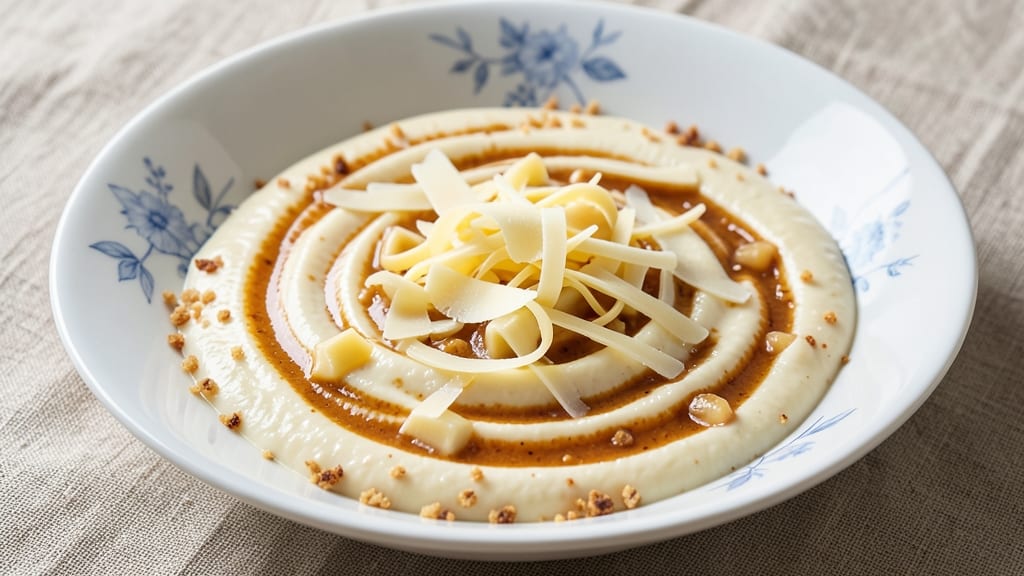
This basic mac and cheese sauce recipe delivers ultra-smooth, velvety perfection that transforms ordinary pasta into a creamy masterpiece. The secret lies in balancing sharp cheddar with mild mozzarella for a rich, balanced flavor that coats every noodle without breaking.
I developed this stovetop method after years of testing—no lumps, no separation, just pure, restaurant-quality sauce that's ready in 15 minutes or less.
The foundation starts with a simple roux—equal parts butter and flour cooked until golden—creating a stable base that holds the cheese without curdling. Adding warm milk and cheese gradually ensures a silky texture, while a touch of mustard and a splash of lemon juice brighten the richness.
This sauce works as a standalone topping or as the base for loaded baked mac and cheese, always delivering that creamy, cheesy satisfaction you crave.
What sets this recipe apart is its foolproof technique: no blenders, no strainers, just a few simple ingredients combined in the right order. The result is a sauce so smooth it practically melts in your mouth, with just enough stretch to cling to pasta perfectly.
Whether you're making classic mac and cheese or using it as a creamy sauce for vegetables, this recipe is your go-to for ultra-creamy comfort.
Perfect for meal prep or last-minute dinners, this sauce keeps well in the fridge for up to 5 days and reheats beautifully. The key is low and slow heating to maintain that velvety texture.
Ready to elevate your pasta game? Let's get started with this foolproof, stovetop mac and cheese sauce.
Ingredients for basic mac and cheese sauce
The essential ingredients for velvety perfection—no shortcuts, just restaurant-quality sauce.
| Ingredient | Amount | Notes |
|---|---|---|
| Unsalted Butter 🧈 | ½ cup | Cold, cubed for even melting |
| All-Purpose Flour 🌾 | ½ cup | Sifted for smoother sauce |
| Sharp White Cheddar Cheese 🧀 | 1 ½ cups | Shredded, block preferred |
| Mild White Cheddar Cheese 🧀 | ½ cup | Shredded, block preferred |
| Low-Moisture Mozzarella Cheese 🧀 | ½ cup | Shredded, block preferred |
| Whole Milk 🥛 | 1 ½ cups | Warmed to 160°F for smoothness |
| Dijon Mustard 🌶️ | 1 tbsp | For subtle tang |
| Fresh Lemon Juice 🍋 | 1 tbsp | Brightens flavor profile |
| Diamond Crystal Kosher Salt 🧂 | ½ tsp | Adjust to taste |
| Freshly Ground Black Pepper 🌶️ | ¼ tsp | For subtle seasoning |
The cheese selection is non-negotiable for that ultra-smooth texture. Sharp white cheddar provides the necessary tang, while mild cheddar and mozzarella create balance—never pre-shredded, always freshly grated from a block. Kroger's or Whole Foods carry excellent options, or grab a wedge from the deli counter for maximum freshness. The butter must be cold when added to the roux; let it sit in the fridge until you're ready to cook. For the flour, King Arthur or Gold Medal brands yield the best results, with their higher protein content preventing lumps during the roux stage.
No sharp cheddar? Extra-sharp white cheddar at half the amount works in a pinch, though the flavor profile shifts slightly. Pre-shredded cheese contains anti-caking agents that prevent smooth melting—always grate your own. Running out of whole milk? Evaporated milk or half-and-half can substitute at a 1:1 ratio, though the sauce will be slightly richer. The Dijon mustard is crucial for preventing curdling; Maille or French's brands are ideal. Fresh lemon juice can be swapped for white vinegar at half the amount, though the flavor will differ slightly. For a more intense pepper kick, add a pinch of cayenne along with the black pepper.
Store the sauce in an airtight container with a thin layer of plastic wrap pressed directly onto the surface to prevent a skin from forming. Keeps for 5 days in the refrigerator, though it's best enjoyed within 3 days for peak creaminess. For longer storage, portion into ice cube trays and freeze; thaw in the refrigerator overnight. This sauce reheats beautifully—simmer gently over low heat, stirring constantly, until just warmed through. Avoid microwaving, as it can cause separation. The sauce thickens as it cools, so add a splash of warm milk if it becomes too stiff after refrigeration.
Why You'll Love This Recipe
- Here’s what sold me: the roux. You melt butter, whisk in flour, and let it cook until it’s golden but not brown. No lumps, no burning, just smooth sauce that clings to every strand of pasta like it’s been best friends forever.
- Five-Ingredient Magic: I swear by this combo—just butter, flour, and three cheeses. No weird add-ins, no stress. The sharp cheddar cuts through the creaminess while the mozzarella adds that perfect pull. That’s it. Done.
- Creamy Without the Drama: Here’s what sold me: the roux. You melt butter, whisk in flour, and let it cook until it’s golden but not brown. No lumps, no burning, just smooth sauce that clings to every strand of pasta like it’s been best friends forever.
- Weeknight to Potluck: Make a double batch on Sunday—it’s my go-to for lazy dinners or when I need to bring something to a gathering. Add breadcrumbs on top for crunch, or keep it classic. Either way, it disappears faster than I can say “seconds?”
Step-by-step instructions for ultra-smooth stovetop mac and cheese sauce
Here's the method for velvety perfection—every step ensures a rich, creamy sauce without lumps or graininess.
Create the Roux for a Smooth Foundation
In a medium saucepan, melt the 0.5 cup unsalted butter over medium-low heat. I use cold, cubed butter to ensure even melting and prevent scorching. Once fully melted, reduce the heat to low and gradually whisk in the 0.5 cup all-purpose flour—this creates a roux, which is the backbone of our sauce.
Cook the roux for 2-3 minutes, stirring constantly with a wooden spoon or whisk, until it turns a pale golden color. This step develops flavor and removes the raw taste of flour. If the roux darkens too quickly, reduce the heat further—you're aiming for a light, nutty aroma, not burnt notes. The roux should coat the back of a spoon smoothly, indicating it's ready for the next step.
Gradually Add Warm Milk for a Silky Texture
Slowly pour in the 1.5 cups warm whole milk while whisking vigorously to prevent lumps. I prefer warm milk (160°F) because it melts the cheese more evenly and creates a smoother sauce. Add the milk in a thin, steady stream—this gradual incorporation is key to avoiding clumps.
Continue whisking for 3-4 minutes until the mixture thickens and coats the back of the spoon. You'll notice the sauce transform from a thin liquid to a glossy, velvety consistency. If it thickens too quickly, add 1-2 tablespoons of milk to adjust the texture. The goal is a sauce that's thick enough to coat the back of a spoon but still pourable—this ensures it clings beautifully to pasta.
Incorporate Cheese for Maximum Melt and Creaminess
Reduce the heat to low and gradually add the 1.5 cups sharp white cheddar cheese, 0.5 cup mild white cheddar cheese, and 0.5 cup low-moisture mozzarella cheese in small batches. Stir constantly to ensure even melting—this prevents clumping and creates a uniform texture. I like to add the sharp cheddar first for depth of flavor, followed by the milder cheddar and mozzarella for balance.
Once all the cheese is incorporated, stir in the 1 tbsp Dijon mustard and 1 tbsp fresh lemon juice. These ingredients add subtle tang and brightness that elevate the sauce beyond basic cheesy goodness. The sauce should now be thick, glossy, and fully combined. If it looks too thick, whisk in 1-2 tablespoons of milk to reach your desired consistency—it should coat the back of a spoon but still flow smoothly.
Season and Finish for Perfect Balance
Taste the sauce and adjust the seasoning with the 0.5 tsp Diamond Crystal kosher salt and 0.25 tsp freshly ground black pepper. The salt should enhance the cheese's natural flavor without overpowering it, while the pepper adds a subtle, warm finish. Stir well to distribute the seasoning evenly throughout the sauce.
For the final touch, remove the saucepan from heat and let the sauce rest for 2-3 minutes. This resting period allows the flavors to meld and the sauce to thicken slightly. The result should be a velvety, ultra-smooth sauce with a perfect balance of sharp, mild, and creamy flavors. Serve immediately over cooked pasta for the ultimate comfort dish.
Pro Tips For Making Basic Mac And Cheese Sauce
- Melt Cheese Slowly: I used to dump all the cheese at once and end up with clumps no matter how much I stirred. Instead, add the sharp cheddar first, whisking until fully melted, then let it sit for 30 seconds before adding the mild cheddar and mozzarella—this prevents lumps and ensures even melting.
- Toast the Flour: Skip the immediate whisking after adding flour to butter. Let the roux cook for 2-3 minutes until it turns a pale golden color—this deepens the flavor and prevents a raw, floury taste in the final sauce.
- Grate Cheese Fresh: Pre-shredded cheese is coated in anti-caking agents that make the sauce grainy. If you’re using pre-shredded, pulse it in a food processor to break up clumps, but fresh-grated always wins—especially the sharp cheddar.
- Finish with Butter: Stir in 1 tablespoon of cold butter at the very end—it adds richness and helps the sauce cling to the pasta without making it greasy. (Yes, even if you already used butter earlier.)
Make-ahead tips for basic mac and cheese sauce
Prep Ahead Sauce Base
Make the roux and milk mixture one day ahead—store in an airtight container in the fridge. When ready to finish, simply reheat over low heat, whisk in the cheese, and add the mustard and lemon juice.
This shortcut saves 10 minutes of active cooking time while keeping the sauce's integrity. 💡
Cheese Prep Shortcut
Shred all cheeses the night before and store in a sealed container. Pre-measure the Dijon mustard and lemon juice in small jars for easy access. This eliminates last-minute prep and ensures you won’t forget these key flavor boosters.
I keep a grater and measuring spoons in my fridge for quick cheese day prep.
Freezer-Friendly Portions
Portion the finished sauce into 1-cup silicone molds or ice cube trays for single servings. Freeze solid, then transfer to a freezer bag. Thaw overnight in the fridge—add 1 tablespoon milk per cup when reheating to restore creaminess. This works perfectly for lunchboxes or quick dinners. ❄️
Reheat Like a Pro
For the creamiest results, reheat sauce in a stainless steel saucepan over low heat, stirring constantly. Avoid boiling—it can cause separation. If the sauce thickens too much, whisk in warm milk until smooth. Microwaving is possible but risks uneven heating; stir vigorously if you use this method.
Make-Ahead Meal Prep
Cook your pasta separately and store it in the fridge with a light coating of olive oil to prevent sticking. When ready to assemble, toss the pasta with freshly reheated sauce. This keeps the noodles al dente and prevents a soggy texture.
I like to prep 3 cups of sauce and 12 oz pasta for a family of four—perfect for 3-4 days of easy meals.
Sauce Storage Hacks
Press plastic wrap directly onto the sauce’s surface before refrigerating to prevent a skin from forming. For longer storage, divide into small containers—this makes reheating portions easier.
Label with dates, as the sauce’s peak flavor lasts 3 days in the fridge. I use mason jars for portion control and easy reheating. 📅
Nutrition facts
Frequently asked questions
Why does my cheese sauce get grainy?
Graininess happens when cheese melts unevenly or milk is added too quickly. Always use freshly grated cheese (never pre-shredded) and warm the milk to 160°F before adding. Stir constantly over low heat and add cheese gradually in small batches. The Dijon mustard in this recipe also helps prevent separation!
Can I make this sauce dairy-free?
Yes! Swap butter for vegan butter or olive oil, milk for unsweetened almond or oat milk, and cheddar for nutritional yeast or vegan cheese shreds. Use 1/4 cup cornstarch instead of flour for thickening. The texture will be slightly different but still creamy.
How do I fix a sauce that's too thick?
Whisk in 1-2 tablespoons of warm milk gradually until you reach a smooth, pourable consistency. For baked mac and cheese, a thicker sauce is ideal—just add a splash of milk if needed. Never microwave to thin it, as this can cause separation. The sauce will naturally thicken as it cools, so adjust while warm.
What's the best pasta shape for this sauce?
Short, sturdy shapes like cavatappi, penne, or elbow macaroni work best—they hold the sauce without falling apart. For extra sauce cling, try farfalle or fusilli. Avoid delicate shapes like spaghetti, which can break when tossed. Cook pasta 1 minute less than package instructions for best results.
Can I use powdered milk instead of liquid?
Yes, but it may make the sauce slightly thicker. Use 1.5 cups powdered milk mixed with 1/2 cup water** to replace the liquid milk. For best results, whisk vigorously to dissolve all lumps before adding to the roux. The sauce will still be creamy but may need an extra splash of milk if too thick.