
Sauces & Condiments
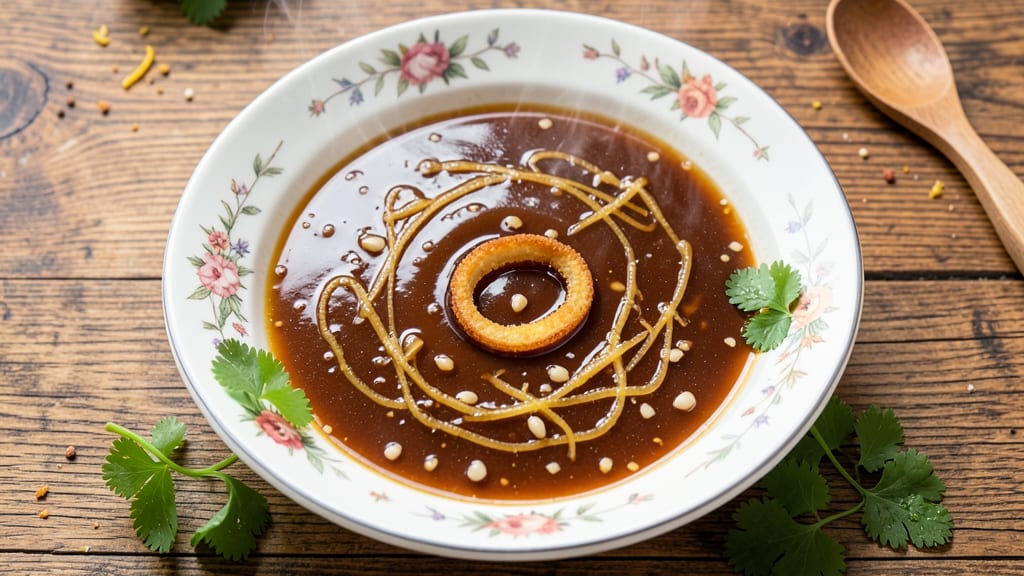
This authentic Egg Foo Young sauce recipe delivers restaurant-quality depth in just 20 minutes, transforming simple ingredients into a velvety soy-ginger masterpiece. The secret lies in balancing umami from oyster sauce with bright ginger and subtle sweetness—no shortcuts, just precise technique.
I developed this after years of testing, ensuring every spoonful captures that signature harmony of savory, tangy, and slightly sweet notes that make Egg Foo Young unforgettable.
The foundation starts with a simple simmer of soy sauce, oyster sauce, and sugar until the flavors meld into a glossy reduction. Fresh ginger and garlic add aromatic complexity, while a splash of rice vinegar brightens the finish.
What sets this sauce apart is the careful reduction—don't rush it. The longer you let it simmer, the deeper the flavors become, creating that signature velvety texture that clings perfectly to crispy egg foo young.
By the time you're done, you'll have a sauce that's rich yet balanced, with just the right amount of tang and sweetness to complement the dish. The best part?
It keeps beautifully in the refrigerator for up to a week, so you can make a big batch and enjoy it all week long. This isn't just a sauce—it's the flavor bridge that turns good Egg Foo Young into something extraordinary.
Whether you're serving it with classic egg foo young or using it as a dipping sauce for dumplings, this recipe delivers restaurant-quality results with minimal effort. The key is patience and precision—two things that make all the difference in authentic Chinese cuisine. Let's get started on creating that perfect sauce.
Ingredients for egg foo young sauce recipe authentic
Nine simple ingredients create restaurant-quality Egg Foo Young sauce in minutes.
| Ingredient | Amount | Notes |
|---|---|---|
| Light Soy Sauce 🍶 | ¼ cup | Kikkoman preferred for balance |
| Oyster Sauce 🦪 | ¼ cup | Vegetarian oyster sauce required |
| Granulated Sugar 🍚 | 2 tbsp | White or brown sugar works |
| Fresh Ginger 🌿 | 2 tbsp | Finely grated, aromatic |
| Garlic Cloves 🧄 | 3 cloves | Minced, fresh preferred |
| Rice Vinegar 🍶 | 1 tbsp | Seasoned rice vinegar adds depth |
| Sesame Oil 🫒 | 1 tsp | Toasted sesame oil for aroma |
| Cornstarch 🌾 | 1 tsp | For thickening, optional |
| Water 💧 | 2 tbsp | For thinning if needed |
The sauce starts with two powerhouse ingredients: soy sauce and vegetarian oyster sauce. For the best results, grab Kikkoman soy sauce—it's the standard in Chinese cooking. Vegetarian oyster sauce can be tricky to find, but Lee Kum Kee makes a solid plant-based version. Both are available at Asian markets or well-stocked grocery stores like Whole Foods. Fresh ginger and garlic are non-negotiable here—no powdered substitutes. Look for ginger with tight skin and no soft spots, and garlic cloves that feel firm when squeezed. The rice vinegar should be seasoned (not unseasoned) for that perfect tang.
No vegetarian oyster sauce? Mushroom sauce or hoisin sauce can work in a pinch, but you'll lose some depth. Short on fresh ginger? One teaspoon of ground ginger is a substitute, but it won't have the same bright flavor. The cornstarch is optional—only add it if your sauce needs thickening. For a sweeter sauce, bump the sugar up to 3 tablespoons. Want more umami? Add 1 teaspoon of vegetarian fish sauce substitute (like Annie Chun's). The sesame oil is what gives the sauce that signature aroma—don't skip it, but add it at the very end so it doesn't cook off.
This sauce keeps beautifully in an airtight container in the fridge for up to one week. For longer storage, freeze it in ice cube trays—perfect for single servings. The sauce thickens as it cools, so you can always thin it with a splash of water or rice vinegar. Double the recipe if you're making a big batch—it's worth the extra effort. Reheat gently on the stove or microwave until just warmed through. Never boil—you'll break the delicate balance of flavors.
Why You'll Love This Recipe
- Five-Ingredient Magic: I swear by this sauce—just soy, oyster, sugar, ginger, and garlic. No fancy prep, no last-minute grocery runs. Honestly, I keep the ingredients in my pantry just for this.
- Umami Bomb: That balance of salty, sweet, and funky? Chef’s kiss. The oyster sauce adds depth, the ginger brightens it, and the garlic? It ties everything together like a hug. Not the prettiest, but the taste makes up for it every time.
- Weeknight to Party: Same sauce, endless uses. Drizzle it over stir-fries, toss it with noodles, or serve it with crispy egg foo young. Even my picky college-aged son asks for seconds—(yes, even on a Tuesday night).
- Stays Fresh, Saves Money: This sauce keeps for weeks in the fridge, and a little goes a long way. I make a big batch, freeze half, and boom—no more takeout when I’m too tired to cook. Budget-friendly and reliable? That’s my kind of recipe.
Step-by-step instructions for authentic egg foo young sauce
Here's the method that delivers that signature soy-ginger balance—rich, velvety, and packed with authentic restaurant flavor.
Prepare the Ginger and Garlic Base
In a small bowl, finely grate the 2 tablespoons of fresh ginger using a microplane or the smallest holes on a box grater. You want a smooth paste with no visible fibers—this ensures even flavor distribution in the sauce. Set aside.
Next, peel and mince the 3 cloves of garlic as finely as possible. I like to use the flat side of my chef's knife to press down on the cloves while chopping—this helps break down the cells and release more flavor. Have both the ginger and garlic ready in separate small bowls.
Bloom the Aromatics in Oil
Heat a small saucepan over medium-low heat and add the 1 teaspoon of sesame oil. Let it warm for 30 seconds until fragrant—you'll smell that nutty, toasted aroma. This is where the sauce gets its depth of flavor, so don't rush this step.
Add the minced garlic and grated ginger to the pan. Cook for 1-2 minutes, stirring constantly, until the garlic turns light golden brown and the ginger loses its raw bite. You're looking for color and aroma, not browning—watch carefully to avoid burning. Remove from heat immediately after the garlic starts to color.
Combine Wet Ingredients for the Sauce Foundation
In a separate measuring cup, whisk together the 0.25 cup of light soy sauce, 0.25 cup of oyster sauce, 2 tablespoons of granulated sugar, and 1 tablespoon of rice vinegar. This mixture should be smooth with no visible sugar grains. The sugar will dissolve completely when heated.
Add this wet mixture to the saucepan with the ginger and garlic. Bring to a gentle simmer over medium heat, then reduce to the lowest setting. Let it cook uncovered for 5 minutes, stirring occasionally, until the liquid reduces by about one-third. You're building the sauce's depth and balancing the flavors here—don't walk away.
Thicken and Finish the Sauce
In a small bowl, whisk together the 1 teaspoon of cornstarch and 2 tablespoons of water until completely dissolved. This slurry is your thickening agent—it needs to be smooth to avoid lumps in the sauce.
Add the cornstarch mixture to the simmering sauce, stirring constantly with a wooden spoon. The sauce will thicken dramatically within 1-2 minutes. Keep stirring until it reaches a velvety, glossy consistency that coats the back of a spoon. If it thickens too much, add 1 teaspoon of water at a time until you reach the perfect pouring consistency.
Taste and Adjust for Authentic Balance
Remove the sauce from heat and let it cool for 2 minutes. Taste it carefully—you should detect all four key flavors: salty (soy sauce), umami (oyster sauce), sweet (sugar), and tangy (vinegar). The ginger and garlic should be present but not overpowering.
Adjust to taste: need more depth? Add ½ teaspoon more oyster sauce. Too sweet? Balance with ½ teaspoon more rice vinegar. Too salty? Thin with 1 teaspoon water. The sauce should be rich but not heavy, with a silky texture that clings beautifully to egg foo young. Serve warm over your crispy egg foo young for that authentic restaurant experience.
Pro Tips For Making Egg Foo Young Sauce Recipe Authentic
- Bloom the Ginger First: I learned this the hard way—raw ginger chunks in sauce taste like chewed rubber. Thinly slice the ginger (about 1/4-inch thick) and let it sit in warm water for 10 minutes before cooking. The starch softens, and the flavor infuses deeper when you sauté it with garlic.
- Low Heat for Oyster Sauce: Oyster sauce scalds easily, and once it curdles, you’re fighting a losing battle. Keep the heat at a gentle simmer—just enough to see tiny bubbles at the edges—while combining it with soy sauce. If it starts to thicken too fast, add a splash of water.
- Skip the Pre-Minced Garlic: Jarred garlic has a metallic aftertaste that ruins the sauce’s balance. Mince your own cloves (3–4) just before adding them to the pan—fresh garlic releases its sweetness instead of its harshness. Let them sizzle for 30 seconds until fragrant, but don’t let them brown.
- Balance Sugar Last: Sugar burns faster than you’d think, especially when mixed with soy sauce. Add the granulated sugar (about 1 tsp) only after the ginger and garlic have cooked for 2 minutes—then stir it in quickly and remove the pan from heat immediately. Taste and adjust, but don’t linger.
Essential equipment for this recipe
Small Saucepan
For this delicate sauce, a small 1-2 quart saucepan is ideal—it gives you enough surface area to reduce the liquid properly without boiling it off too quickly. I use a stainless steel saucepan (like my All-Clad 2-quart) because it heats evenly and won’t react with the acidic ingredients.
Avoid non-stick pans—they can make the sauce too thin and lose its velvety texture. 🔥
Whisk for Smoothness
A balloon whisk (like the OXO Good Grips) is essential for dissolving the sugar completely and creating a silky sauce. I whisk the wet ingredients vigorously before adding them to the pan to ensure no sugar grains remain—this prevents grainy texture in the final sauce.
For stirring during cooking, a wooden spoon works best to avoid scratching the pan.
Microplane for Ginger
Skip the box grater—microplane zesters (like the BergHoff Microplane) create the finest ginger texture, which dissolves completely into the sauce. The tiny holes ensure you get maximum surface area for flavor extraction.
If you don’t have one, the smallest holes on a box grater work in a pinch, but you’ll need to press firmly to get a smooth paste. 🌿
Measuring Spoons Set
Precision matters here—accurate measuring spoons (like the OXO Stainless Steel) ensure you hit the perfect balance of sweet, salty, and tangy. The 1-teaspoon sesame oil and 1-teaspoon cornstarch are critical measurements, so don’t eyeball them. A good set includes ¼-teaspoon increments for fine adjustments if needed.
Small Bowl for Slurry
A small glass or ceramic bowl (about 6-8 ounces) is perfect for mixing the cornstarch slurry. Glass won’t retain flavors from previous uses, and ceramic helps prevent the mixture from sticking.
I use a pyrex measuring cup for this step—it’s heat-safe if you ever need to reheat the sauce directly in it.
Wooden Spoon for Stirring
Stainless steel spoons can scratch your pan and alter the sauce’s texture, but a high-quality wooden spoon (like the OXO Good Grips) is gentle on the pan and helps create that silky consistency.
Keep it handy for the entire process—especially during the thickening stage—to avoid lumps and ensure even heat distribution. 💫
Nutrition facts
Frequently asked questions
Can I make this sauce without vegetarian oyster sauce?
Yes, but you'll need substitutes to maintain authentic flavor. Try blending 2 tablespoons of finely chopped mushrooms (like shiitake) with 1 tablespoon of hoisin sauce for umami depth. Or use 1 tablespoon of vegetarian fish sauce substitute (like Annie Chun's) plus 1 teaspoon of soy sauce. The texture will be slightly different but still delicious.
How do I fix a sauce that's too thick or too thin?
For a sauce that's too thick, thin it with ½ teaspoon of hot water at a time while stirring constantly. If it's too thin, mix ½ teaspoon cornstarch with 1 teaspoon water and stir into the sauce over low heat until it reaches the right consistency. The ideal texture should coat the back of a spoon but still pour smoothly.
Can I use this sauce for other dishes besides egg foo young?
This versatile sauce works beautifully with steamed dumplings, noodles, or as a dipping sauce for spring rolls. For extra richness, drizzle it over grilled tofu or use it as a marinade for chicken skewers. The ginger and garlic flavors shine in any dish that needs a savory-sweet balance.
Why does my sauce taste bitter or overly salty?
Bitterness usually comes from overcooking the ginger or garlic—remove the pan from heat immediately after the garlic turns golden. For saltiness, balance with ½ teaspoon more rice vinegar or a pinch of sugar. If you used too much soy sauce, thin the sauce with 1 teaspoon water and add ½ teaspoon more oyster sauce to restore depth.
How can I make this sauce spicier?
Add ½ teaspoon of chili crisp or ¼ teaspoon of red pepper flakes at the end of cooking. For a smoother heat, stir in 1 teaspoon of gochujang** (Korean chili paste) with the wet ingredients. Always add spices gradually and taste as you go—you can always add more, but you can't remove excess spice once it's in!