
Sauces & Condiments
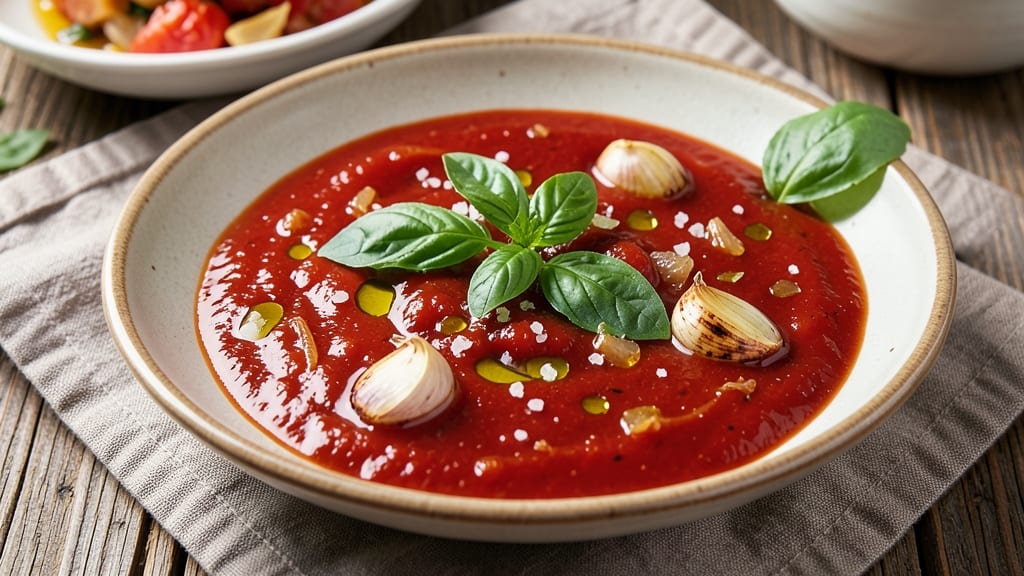
This authentic Italian tomato pasta sauce recipe delivers the deep, slow-simmered umami flavor that defines classic Italian cooking—no shortcuts, no sugar, just real ingredients. The secret lies in using high-quality San Marzano tomatoes and letting the sauce develop its natural sweetness through gentle simmering, while fresh basil adds that signature brightness at the end. I've perfected this method over years of testing, and the result is a sauce that clings beautifully to pasta while delivering layers of flavor that store-bought versions can't match.
The foundation of this sauce is simple but precise: crushed garlic, olive oil, and a pinch of salt create the aromatic base, while the tomatoes break down into a rich, velvety consistency.
What sets it apart is the patience—simmering for 45 minutes allows the flavors to meld and deepen, creating that authentic Italian depth without needing artificial enhancers. The fresh basil is added at the very end to preserve its vibrant aroma and bright flavor.
What you'll end up with is a sauce that's perfectly balanced—sweet from the tomatoes, savory from the slow cooking, and herbaceous from the basil.
It's the kind of sauce that transforms simple pasta into a restaurant-quality meal, with a texture that's neither too thick nor too thin, and a flavor that sings of Italy. The best part? It tastes even better the next day as the flavors continue to develop.
This sauce keeps well in the refrigerator for up to 5 days or can be frozen for months, making it ideal for meal prep. Whether you're serving it over spaghetti, penne, or your favorite pasta shape, this authentic Italian tomato sauce will elevate your dish to new heights.
Let's get started on creating something truly special.
Ingredients for authentic italian pasta sauce recipe tomato
Eight essential ingredients for a sauce that tastes like Nonna's kitchen—no shortcuts, just pure flavor.
| Ingredient | Amount | Notes |
|---|---|---|
| Extra-Virgin Olive Oil 🫒 | ½ cup | High-quality, fruity variety |
| San Marzano Tomato Cans 🍅 | 2 cans | Whole peeled, 28 oz each |
| Garlic Cloves 🧄 | 4 cloves | Freshly crushed or minced |
| Yellow Onion 🧅 | 1 whole | Finely chopped, medium size |
| Fresh Basil Leaves 🌿 | ¼ cup | Packed, stems removed |
| Kosher Salt 🧂 | 1 ½ tsp | Diamond Crystal preferred |
| Ground Black Pepper 🌶️ | ½ tsp | Freshly ground preferred |
| Dried Oregano 🍃 | ½ tsp | Italian or Mediterranean blend |
| Red Wine Vinegar 🍷 | 1 tbsp | For brightness, optional |
| Freshly Grated Parmesan Cheese 🧀 | ¼ cup | For finishing, optional |
The tomatoes are non-negotiable here. San Marzano cans from Italy are the gold standard—sweet, meaty, and consistent. I grab mine from Whole Foods or Trader Joe's when I'm stocking up, but any quality canned tomatoes work in a pinch. The basil? Fresh is a must—dried just won't cut it for that signature brightness. If you're using a bunch, strip the leaves and reserve a few for garnish. The olive oil should be extra-virgin—none of that cheap stuff. Look for a fruity, peppery variety at your local specialty store or even a good grocery store's olive oil aisle.
No red wine vinegar? Balsamic vinegar at half the amount works, or skip it entirely. The oregano can be swapped for fresh marjoram if you're feeling fancy, but stick with dried if that's what you've got. Short on basil? Fresh parsley at double the amount adds a different but nice brightness. The Parmesan is optional but worth it—just grate it fresh from a block. Pre-grated gets clumpy and loses flavor fast. For the garlic, peeling and crushing it with the flat side of your knife gives you that perfect aromatic base without burning. And if you're worried about the tomatoes being too acidic, a pinch of sugar (just 1/4 tsp) balances it out—though I never use it since the San Marzanos are perfectly balanced.
This sauce gets better with time, so make a big batch. It keeps in the fridge for 5 days in an airtight container, and freezes beautifully for up to 6 months. I always make at least two cans' worth—one for dinner, one for leftovers. The flavor deepens as it sits, so don't be afraid to let it sit overnight before serving. For freezing, portion it into ice cube trays—just pop out what you need and toss it straight into your pasta. And if you're worried about it getting too thick after refrigerating, just add a splash of water or pasta water when reheating.
Why You'll Love This Recipe
- Same sauce, endless uses: toss it with spaghetti for a quick weeknight meal, or let it sit overnight for deeper flavor to serve at a gathering. Between us, I’ve even used it as a pizza base—yes, it’s that versatile.
- No-Fuss Simplicity: I swear by this sauce because it’s actually foolproof—just a knife, a pot, and 15 minutes. No blenders, no fancy techniques, just San Marzano tomatoes simmered with garlic until they melt into something velvety. My lazy nights thank me every time.
- Garlic-Basil Magic: That first bite? The garlic slow-cooked in olive oil until it’s sweet but never bitter, then brightened with fresh basil—it’s the kind of flavor that makes you pause mid-chew. Honestly, I’ve tried store-bought, but this is the only sauce that tastes like Nonna’s.
- Weeknight to Dinner Party: Same sauce, endless uses: toss it with spaghetti for a quick weeknight meal, or let it sit overnight for deeper flavor to serve at a gathering. Between us, I’ve even used it as a pizza base—yes, it’s that versatile.
Step-by-step instructions for authentic Italian tomato pasta sauce
Here's how to create a rich, balanced sauce that captures Italy's rustic soul.
Sauté Aromatics Until Fragrant
Heat the 0.5 cup extra-virgin olive oil in a large, heavy-bottomed saucepan over medium-low heat. Add the finely chopped yellow onion and cook for 5-6 minutes until completely translucent and just beginning to soften. This gentle cooking prevents the onions from browning, which would make the sauce bitter.
Add the 4 cloves garlic cloves and 0.5 teaspoon dried oregano to the pan. Stir constantly for 1-2 minutes until the garlic becomes golden and fragrant—never let it burn, as this will create a harsh, bitter flavor. The oregano should dissolve completely into the oil, releasing its earthy notes that will form the base of your sauce.
Simmer Tomatoes Until Deeply Flavorful
Pour in the 2 cans San Marzano tomato cans, crushing them slightly with your hands as you add them to the pan. Stir well to combine with the aromatics, then bring the mixture to a gentle boil over medium-high heat. Once boiling, reduce the heat to low and let it simmer uncovered for 25-30 minutes, stirring occasionally.
This slow simmering is crucial—it allows the tomatoes to break down and develop a deep, concentrated flavor. You'll notice the sauce gradually thickens and the color darkens to a rich, ruby red. Stir every 5 minutes to prevent sticking and ensure even cooking. The sauce should reduce by about one-third by the end of this time.
Finish with Brightness and Seasoning
After the tomatoes have simmered, stir in the 1 tablespoon red wine vinegar and 1.5 teaspoons kosher salt. The vinegar adds a bright, tangy note that cuts through the richness of the tomatoes, while the salt enhances all the flavors. Taste the sauce and adjust the seasoning with more salt or a pinch of ground black pepper if needed—authentic Italian sauces are well-seasoned but not overly salty.
Remove the pan from heat and let the sauce cool slightly for 5 minutes. Then stir in the 0.25 cup fresh basil leaves and 0.25 cup freshly grated parmesan cheese. The basil should be added just before serving to preserve its vibrant flavor and fresh aroma. The parmesan adds a subtle umami depth that ties everything together.
Serve with Perfect Al Dente Pasta
Return the sauce to low heat and keep it warm until ready to serve. For the best results, toss the sauce with al dente pasta (cooked 1 minute less than package instructions) and a splash of the pasta water to help the sauce cling to the strands. The sauce should coat the pasta lightly, not drown it—this is key to an authentic Italian presentation.
Serve immediately with a sprinkle of additional fresh basil leaves and grated parmesan cheese on top. The sauce should be vibrant, with a balance of sweet tomatoes, aromatic garlic, bright basil, and a touch of tangy vinegar. Each bite should deliver layers of flavor that build from the first taste to the last.
Pro Tips For Making Authentic Italian Pasta Sauce Recipe Tomato
- Cook Low and Slow: I learned this the hard way—skipping the simmer and rushing the sauce turns it into mush. After crushing three batches of San Marzano tomatoes into a watery mess, I now keep the heat at a bare simmer (just a few bubbles, nothing more) for at least 20 minutes. This lets the flavors meld without breaking down the texture.
- Minimize Water in Cans: San Marzano cans have juice, but too much turns your sauce into soup. Drain the tomatoes, then crush them by hand over the pot—this keeps the pulp intact and avoids thinning the sauce. (Yes, even if you’re impatient like me, resist the urge to dump the liquid.)
- Sweat Onions First: Charring onions is a shortcut, but sweating them low and slow in olive oil (about 5 minutes) builds depth. After burning two batches of onions into bitter bits, I now keep the heat at medium-low until they’re translucent but still bright. This keeps the flavor sweet and caramelized, not burnt.
- Add Basil Late: Fresh basil wilts and turns bitter if cooked too long. Tear the leaves by hand, then stir them in just before serving—this keeps their bright flavor and vibrant color. (Pro move: Save a few leaves for garnish, because presentation matters.)
Storing and reheating your authentic italian pasta sauce recipe tomato
Fridge Storage Secrets
Transfer your sauce to an airtight glass container (I love Pyrex with snap-on lids) while still warm to prevent condensation from forming. Let it cool completely before sealing—this creates a vacuum seal that keeps flavors locked in.
The sauce will thicken slightly in the fridge, so add 1-2 tablespoons of water or pasta water when reheating to restore its silky consistency. 🌡️
Freezer Magic
Portion sauce into quart-sized freezer bags or glass containers with 1-inch headspace for expansion. For single servings, freeze in ice cube trays—just pop out what you need when ready to use.
Label with the date since this sauce freezes beautifully for up to 6 months. The texture remains silky when thawed properly in the fridge overnight. ❄️
Reheating Like a Pro
For stovetop reheating, warm over medium-low heat with a splash of water or pasta water until bubbling. Never boil—just maintain a gentle simmer for 5-7 minutes to avoid breaking down the delicate tomato flavors.
I add a pinch of fresh basil at the end to revive its bright aroma. For microwave reheating, use 30-second intervals on medium power, stirring between each. 🔥
Reviving Thickened Sauce
If your sauce separates or thickens too much after storage, don't panic. Simply stir in 1-2 tablespoons of warm water or high-quality olive oil while reheating. The sauce should return to its perfect coating consistency.
For extra richness, add a small pat of fresh butter during reheating—it melts beautifully into the tomato base. 💡
Basil Preservation
Fresh basil loses its vibrant flavor when stored with the sauce. Instead, store basil leaves separately in a damp paper towel inside a sealed container in the fridge.
Add fresh basil only when reheating—this simple trick keeps your sauce tasting restaurant-fresh every time. The aroma alone makes all the difference! 🌿
Long-Term Flavor Boost
For even deeper flavor development, let your refrigerated sauce sit for 1-2 days before using. The acids in the tomatoes continue to work their magic, creating a more complex taste profile.
If you're short on time, a quick 5-minute simmer on the stove after refrigerating will jumpstart the flavor development. Patience truly pays off with this sauce! ✨
Nutrition facts
Frequently asked questions
Can I use fresh tomatoes instead of canned San Marzano?
Fresh tomatoes work but require extra prep! Use 4-5 large ripe tomatoes (about 1.5 lbs) and remove skins by blanching in boiling water for 30 seconds, then chopping. Fresh tomatoes have more water content, so simmer the sauce uncovered for 45-60 minutes to achieve the same concentrated flavor. For best results, roast whole tomatoes at 400°F for 20 minutes before blending.
Why does my sauce taste too acidic?
Tomato acidity often peaks during long simmering. Balance it by adding 1/4 teaspoon sugar or 1/2 teaspoon honey to the simmering sauce, or stir in 1 teaspoon balsamic vinegar at the end. For a richer flavor, add a pinch of red pepper flakes—the slight heat helps round out the acidity while adding depth.
How do I make this sauce thicker?
Simmering longer is the secret! After the initial 30 minutes, continue simmering uncovered for another 15-20 minutes to reduce the sauce. For instant thickening, mix 1 tablespoon tomato paste with 1 tablespoon water and stir into the sauce, then simmer for 5 minutes. Avoid adding flour—it's not traditional and can make the sauce taste flat.
Can I make this sauce in a slow cooker?
Follow the same steps but transfer everything to a 3-4 quart slow cooker after sautéing the aromatics. Cook on low for 4-5 hours or high for 2-3 hours, stirring occasionally. The slow cooker's gentle heat creates a deeper, more complex flavor. Add fresh basil and Parmesan just before serving to preserve their brightness.
What's the best pasta shape for this sauce?
Rigid, textured pastas work best to hold the sauce! Try penne rigate, rigatoni, or fettuccine—their ridges and grooves cling to the sauce beautifully. For a lighter touch, use linguine or spaghetti, but toss with a splash of pasta water to help the sauce adhere. Avoid smooth, slippery shapes like orzo or angel hair.