
Sauces & Condiments
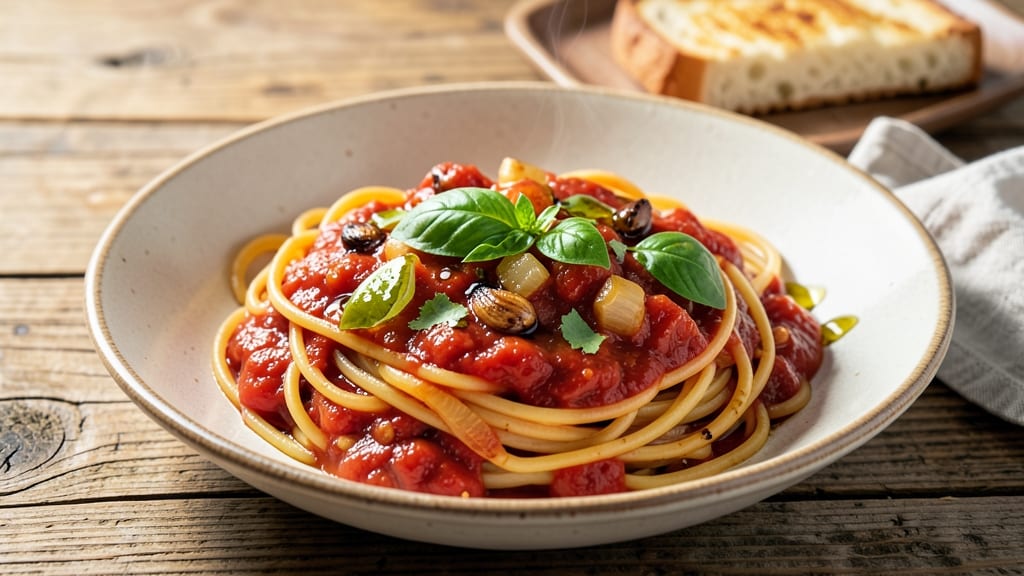
This authentic Italian red pasta sauce recipe transforms simple ingredients into a velvety, slow-simmered masterpiece that captures the soul of Nonna's kitchen. The secret lies in caramelizing garlic and onions at low heat, then letting crushed tomatoes reduce into a concentrated, aromatic base. Every spoonful delivers layers of depth—sweet, tangy, and herbaceous—without a single shortcut that compromises authenticity.
What sets this sauce apart is the technique: a long, gentle simmer that develops complex flavors while preserving the natural sweetness of the tomatoes. Fresh basil added at the end ensures bright, vibrant notes that cut through the richness, while a touch of red wine deepens the umami profile.
The result is a sauce that clings perfectly to pasta, transforming even the simplest dish into something extraordinary.
This recipe delivers restaurant-quality results at home, with a texture that's neither too thick nor too thin—just right for twirling onto al dente pasta. The slow cooking process allows flavors to meld naturally, creating a sauce that tastes even better the next day.
Perfect for meal prep or a Sunday dinner that feels like a celebration.
Whether you're serving it with spaghetti, tossing it into risotto, or using it as a marinade for grilled meats, this sauce adapts beautifully while maintaining its authentic Italian character. The key is patience—letting the flavors develop over time is what makes the difference between good and truly exceptional.
Ingredients for authentic italian red pasta sauce
Ten essential ingredients transform into a restaurant-quality Italian red sauce with depth and authenticity.
| Ingredient | Amount | Notes |
|---|---|---|
| Extra-Virgin Olive Oil 🫒 | ¼ cup | High-quality, fruity variety for richness |
| Yellow Onion 🧅 | 1 whole | Finely diced, about 1.5 cups |
| Garlic Cloves 🧄 | 6 cloves | Peeled and lightly crushed |
| San Marzano Crushed Tomatoes 🍅 | 28 oz | High-quality, whole peeled tomatoes |
| Dry Red Wine 🍷 | ½ cup | Bold, like Chianti or Sangiovese |
| Fresh Basil Leaves 🌿 | ½ cup | Packed, stems removed for garnish |
| Tomato Paste 🍅 | 2 tbsp | High-quality, not powdered |
| Kosher Salt 🧂 | 1 ½ tsp | Diamond Crystal preferred |
| Freshly Ground Black Pepper 🌶️ | ½ tsp | For finishing |
| Dried Oregano 🍃 | ½ tsp | Italian variety for authenticity |
The San Marzano tomatoes are non-negotiable for authentic flavor—look for the plum-shaped cans at specialty stores or Italian markets. Whole Foods or Trader Joe's carry them year-round, though Italian grocers often have better selections. Fresh basil should be bright green and fragrant; avoid wilted stems. The extra-virgin olive oil should have a peppery finish—California or Tuscan varieties work best. For red wine, Chianti or Sangiovese add depth, but any bold dry red will suffice. The tomato paste should be smooth, not powdered—Barilla is a reliable brand.
No San Marzano tomatoes? High-quality crushed tomatoes work in a pinch, but San Marzano's natural sweetness is irreplaceable. Swap dried oregano for fresh at one-third the amount, but Italian oregano adds authenticity. The wine can be omitted, but beef broth with a splash of balsamic mimics its umami. For tomato paste, squeeze tubes from Trader Joe's are convenient. Fresh basil can be substituted with dried basil, but pesto adds brightness—store-bought works if it's quality. The garlic and onion can be pre-minced, but freshly diced develops deeper flavor.
Store the sauce in an airtight glass jar in the fridge for up to 5 days, or freeze for 3 months—it tastes even better reheated. Portion into ice cube trays for single-use servings. The red wine and tomato paste can be prepped ahead, but garlic and onions should be cooked fresh for optimal flavor. Fresh basil should be added last to preserve its aroma. This sauce thickens as it cools, so add a splash of water if too stiff after refrigeration.
Why You'll Love This Recipe
- No-Fuss Simplicity: I swear by this sauce because it’s the kind of recipe that doesn’t demand perfection—just patience. You’re talking 15 minutes of actual hands-on time, and the rest is letting the wine and tomatoes work their magic while you sip your coffee or scroll through your phone.
- Wine-Infused Depth: That splash of dry red wine? It’s not just for show—it mellows into a rich, velvety backbone that makes the San Marzano tomatoes sing. Honestly, I’ve tried store-bought sauces with fancy labels, and this homemade version always wins for sheer, unpretentious flavor.
- Weeknight to Dinner Party: Between us, this sauce is my go-to for both lazy Tuesdays and when I need to impress. Toss it with spaghetti for a quick meal, or let it reduce longer for a restaurant-worthy dish. My husband never knows which nights I’ve spent 20 minutes on it versus 4 hours—it’s that versatile.
- Budget-Friendly Pantry Hero: I keep a bottle of San Marzano tomatoes and a cheap red wine on hand just for this. The olive oil and onion are staples, and garlic? You’re already buying it. It’s the kind of recipe that stretches a few dollars into a week’s worth of meals—plus, leftovers taste even better the next day.
Step-by-step instructions for authentic Italian red pasta sauce
Master this classic technique for a sauce that captures the soul of Italian cooking—deep, balanced, and built with patience.
Sauté the Aromatics for Foundational Flavor
Heat the 0.25 cup extra-virgin olive oil in a heavy-bottomed saucepan over medium-low heat. Add the finely diced yellow onion and cook for 8-10 minutes until completely translucent and just beginning to color at the edges. This slow cooking develops sweetness and prevents bitterness.
Add the lightly crushed garlic cloves and cook for another 30 seconds until fragrant but not browned. Watch closely—garlic burns quickly and adds bitterness. Remove the pan from heat momentarily if it starts to darken. The base should smell like a warm Italian kitchen at this point.
Build Depth with Wine and Tomato Paste
Return the pan to medium heat and pour in the 0.5 cup dry red wine. Let it simmer for 3-4 minutes until reduced by half, scraping up any browned bits from the bottom with a wooden spoon. This deglazing captures all the flavor you've built so far.
Stir in the 2 tablespoons tomato paste and cook for 1-2 minutes until it darkens slightly and loses its raw taste. This step creates the sauce's signature depth and richness. The paste will thicken the sauce and provide a smooth foundation for the tomatoes.
Simmer the Tomatoes Until Velvety
Add the 28 oz San Marzano crushed tomatoes, 1.5 teaspoons kosher salt, and 0.5 teaspoon dried oregano. Stir well to combine, then reduce heat to low. Let the sauce simmer uncovered for 30-40 minutes, stirring occasionally, until it thickens to a rich, syrupy consistency.
You're looking for a sauce that coats the back of a spoon but still flows easily. The acidity should mellow and the flavors meld into a harmonious blend. If the sauce reduces too quickly, add 2-3 tablespoons water to maintain balance. This slow cooking is what creates that authentic Italian depth.
Finish with Fresh Basil and Pepper
Remove the sauce from heat and stir in the 0.5 cup fresh basil leaves. Let it steep for 5 minutes, then taste and adjust seasoning with additional kosher salt or freshly ground black pepper as needed. The basil should brighten the sauce with its fresh, herbal notes.
For the final touch, add the 0.5 teaspoon freshly ground black pepper right before serving. Freshly cracked pepper releases its oils immediately, adding a subtle heat that complements the sauce's richness. This sauce should be vibrant, balanced, and full of layered flavors that make every forkful sing.
Pro Tips For Making Authentic Italian Red Pasta Sauce
- Sweat the Onion First: I used to rush this step, but taking 5-10 minutes to cook the onion until it’s soft and translucent—no browning—builds the sauce’s depth. The goal is sweetness, not color, so keep the heat medium-low and stir occasionally.
- Deglaze with Wine Now: Pour that red wine in right after the garlic hits the pan—before adding tomatoes. Let it bubble for 2-3 minutes to cook off the alcohol, or it’ll taste sharp later. (Yes, even if you’re impatient like me.)
- Crush Tomatoes by Hand: Skip the canned crushed tomatoes if you can—San Marzano whole peeled tomatoes yield better texture. Smash them with your hands (wear gloves) or a wooden spoon to avoid over-breaking the skins, which makes the sauce watery.
- Simmer Low and Slow: After adding tomatoes, reduce heat to the lowest setting and let it bubble gently for at least 30 minutes. The sauce thickens as it reduces, and rushing this step leaves it thin and bland. (Your future self will thank you.)
Health benefits of this authentic italian red pasta sauce
Rich in Antioxidants
This sauce is packed with lycopene, a powerful antioxidant found in tomatoes that helps combat oxidative stress and inflammation. A 1-cup serving provides about 30% of your daily lycopene needs, which research links to reduced risk of chronic diseases like heart disease and certain cancers.
The slow simmer actually increases lycopene availability, making this sauce a nutritional powerhouse. 💪
Heart-Healthy Fats
The extra-virgin olive oil used in this recipe contains monounsaturated fats that support cardiovascular health by lowering LDL cholesterol. A ¼ cup serving provides about 19 grams of healthy fats, which also help reduce inflammation.
The red wine adds resveratrol, another heart-protective compound found in grape skins. Together, these ingredients create a sauce that's as good for your heart as it is delicious.
Vitamin K Boost
Fresh basil contributes significant vitamin K, essential for blood clotting and bone health. Just ½ cup of fresh basil provides about 120% of your daily vitamin K needs. This vitamin also plays a crucial role in maintaining strong bones and supporting brain health.
The basil's addition at the end preserves its nutritional benefits while adding that signature Italian brightness.
Low-Calorie Comfort
At just 120 calories per serving, this sauce delivers rich, satisfying flavor without the calorie load of heavy cream-based sauces. The tomato base provides vitamin C and potassium, while the garlic and onions contribute fiber and prebiotic benefits that support gut health.
It's a perfect example of how simple ingredients can create a nutritious, flavorful dish that aligns with balanced eating.
Digestive Benefits
The combination of tomatoes, garlic, and olive oil creates a sauce that's gentle on digestion while providing probiotic benefits. Garlic contains allicin, which supports gut health, while the fiber in tomatoes aids digestion.
The slow cooking process breaks down the tomatoes' natural sugars, making them easier to digest. This sauce is particularly soothing when served with whole-grain pasta, creating a complete, gut-friendly meal. ✨
Umami Depth Without Processed Ingredients
Unlike many store-bought sauces, this recipe achieves its rich umami flavor naturally through tomato paste, red wine, and dried oregano—no artificial additives. The glutamates in these ingredients enhance the sauce's savory profile without the sodium spike found in processed versions.
This makes it a healthier choice that still delivers that satisfying depth of flavor that makes Italian cuisine so beloved. 🍷
Nutrition facts
Frequently asked questions
Can I substitute regular tomatoes for San Marzano?
While San Marzano tomatoes are ideal for their natural sweetness and low acidity, you can use high-quality crushed tomatoes in a pinch. Look for brands labeled "plum" or "Roma" tomatoes. Just be prepared for slightly more acidity—balance it by adding 1 extra tablespoon tomato paste or a pinch of sugar to compensate. The sauce will still be delicious, though not as refined as with authentic San Marzano.
How do I prevent my sauce from becoming too acidic?
Acidity builds during long simmering, especially with regular tomatoes. To balance it, add 1 teaspoon sugar or ½ teaspoon balsamic vinegar during the final 10 minutes of cooking. The red wine and tomato paste also help mellow acidity naturally. Taste frequently—Italian sauces should be vibrant but never sharp. A splash of pasta water at the end can also dilute acidity while improving texture.
Why does my sauce taste flat after refrigeration?
This happens when flavors don't meld properly during cooking or the sauce loses freshness. Reheat gently over low heat with a splash of water or pasta water to restore moisture. For extra depth, stir in 1 teaspoon red wine vinegar or a pinch of freshly grated Parmesan before serving. Fresh basil or a crack of black pepper can also revive flavors. The sauce should taste even better the next day if properly seasoned initially.
Can I make this sauce in a slow cooker?
Yes! Follow the same steps but transfer everything to the slow cooker after the wine reduction. Cook on low for 4-5 hours instead of simmering. The low-and-slow method enhances flavors beautifully. Add fresh basil just before serving, as it won't survive the long cook time. Stir occasionally to prevent sticking, and add water if it reduces too much. The result will be just as rich and velvety.
What's the best pasta to pair with this sauce?
This sauce shines with al dente spaghetti or bucatini, whose hollow centers trap the sauce beautifully. For texture contrast, try rigatoni or penne. Avoid overly thick pasta like fettuccine, which can overwhelm the sauce. For a lighter option, pair with whole-wheat linguine or angel hair. The key is al dente—undercooked pasta absorbs too much sauce, while overcooked pasta turns mushy.