
Sauces & Condiments
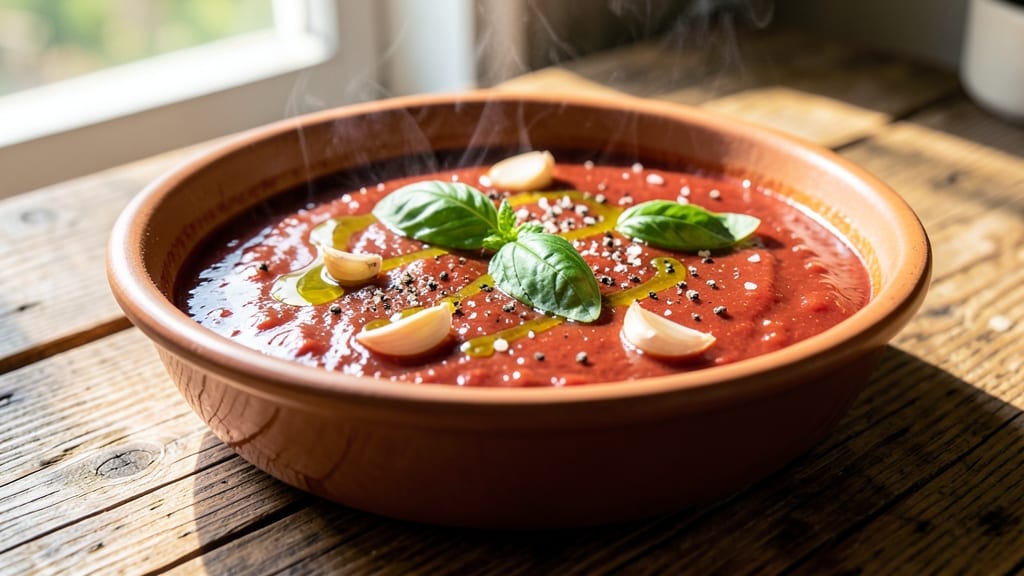
This authentic Italian red sauce recipe from scratch brings Nonna's kitchen to your stovetop with just five simple ingredients and a slow-simmered technique that develops deep, complex flavor.
The secret lies in using ripe San Marzano tomatoes and letting the sauce work its magic over time—no shortcuts, just pure, simmered tomato love that tastes like Italy in every spoonful. I've been making this version for years, and it's the one my family begs me to recreate every time.
The magic happens in the 30-minute simmer, where the tomatoes break down into a velvety, aromatic sauce with just the right balance of sweetness and acidity. Fresh basil added at the end keeps the flavors bright and vibrant, while garlic and olive oil form the flavor foundation.
This isn't your basic marinara—it's the kind of sauce that transforms simple pasta into a restaurant-worthy meal with minimal effort.
What you'll end up with is a rich, restaurant-quality red sauce that's perfect for pasta, pizza, or even as a dipping sauce for crusty bread.
The texture is just thick enough to cling to noodles without being gluey, and the flavor is so concentrated that a little goes a long way.
This sauce keeps well in the fridge for up to a week, so you can make a big batch and enjoy it all week long.
Ready to make your own? Let's get cooking—this sauce is easier than you think, and the results will have you feeling like a true Italian nonna in no time.
Ingredients for authentic italian red sauce recipe from scratch
Five simple ingredients transform into Nonna's legendary slow-simmered tomato sauce.
| Ingredient | Amount | Notes |
|---|---|---|
| San Marzano Tomatoes 🍅 | 28 oz | Whole, crushed by hand |
| Extra-Virgin Olive Oil 🫒 | ½ cup | High quality, fruity |
| Garlic Cloves 🧄 | 4 cloves | Peeled, rough chopped |
| Fresh Basil Leaves 🌿 | ¼ cup | Packed, stems removed |
| Sea Salt 🧂 | 1 tsp | Diamond Crystal preferred |
| Black Pepper 🌶️ | ½ tsp | Freshly ground preferred |
| Red Wine Vinegar 🍷 | 1 tbsp | For brightness |
San Marzano tomatoes are the heart of this sauce—look for the brand at Italian markets or specialty stores like Whole Foods. They're sweeter and less acidic than regular tomatoes, which makes all the difference. If you can't find them, Roma tomatoes are the next best thing. The olive oil should be extra-virgin and fruity—none of that cheap, bitter stuff. I always grab mine from Trader Joe's or Costco because they have good quality at reasonable prices. Fresh basil is non-negotiable here—dried just won't cut it (trust me, I've tried).
No San Marzano tomatoes? Roma tomatoes work in a pinch, but you might want to add an extra pinch of sugar to balance the acidity. Short on basil? Fresh parsley at half the amount gives a different but still delicious flavor. The red wine vinegar can be swapped for lemon juice if you prefer, but it adds a nice tang that pairs perfectly with the tomatoes. Want to make this even more authentic? Add a pinch of oregano—just a quarter teaspoon, but it takes the flavor to another level. The garlic can be minced or left whole for easier removal after cooking.
This sauce tastes even better the next day as the flavors meld. Keep it in an airtight container in the fridge for up to 1 week. For longer storage, freeze it in ice cube trays—perfect for adding to pasta later. I always make a double batch because it disappears so fast. The sauce thickens as it cools, so don't worry if it looks a bit loose right after cooking. Just give it a quick stir before using.
Why You'll Love This Recipe
- No-Chop Needed: I swear by this—just crush the garlic, tear the basil, and let the San Marzano tomatoes do the work. Minimal prep, maximum flavor without the mess.
- Garlic-Basil Magic: That first taste of the sauce simmering with fresh garlic and basil? It’s like a hug in a pot. The olive oil carries the heat while the salt ties it all together—simple, but ridiculously good.
- Weeknight to Dinner Party: Same sauce, endless uses. Slap it on pasta for Tuesday, use it for bruschetta on Saturday, or freeze it for lazy Mondays. It’s my secret weapon for looking effortless.
- Budget-Friendly Goldmine: San Marzano tomatoes and olive oil might sound fancy, but they stretch like crazy. A single batch feeds the family twice and tastes better than anything jarred—without breaking the bank.
Step-by-step instructions for authentic Italian red sauce
Here's how to create a rich, slow-simmered tomato sauce that tastes like Nonna's kitchen.
🍳 Step 1: Crush the San Marzano Tomatoes
Start by crushing the 28 oz San Marzano Tomatoes by hand using your fingers or the bottom of a heavy pan. I like to work in batches—this ensures even crushing and prevents the sauce from becoming watery later. You want the tomatoes to break down into rough chunks, not a puree. Place them in a large, heavy-bottomed pot.
The reason we crush by hand is simple: it preserves the natural sweetness and texture of the tomatoes. Over-processing releases bitterness and creates a mushy sauce. Aim for ¼-inch to ½-inch chunks—this size will break down beautifully during the slow simmer.
🔥 Step 2: Sauté Garlic in Olive Oil
Heat the 0.5 cup Extra-Virgin Olive Oil in the same pot over medium-low heat until it shimmers. Add the 4 cloves rough chopped Garlic Cloves and cook for 1-2 minutes until they're fragrant but not browned. This step builds the flavor foundation—don't walk away, as garlic burns quickly.
I always use medium-low heat for this step because garlic burns faster than you think. You'll know it's ready when the kitchen fills with that irresistible garlic aroma. Remove the pot from heat for just a moment if the garlic starts to turn golden too quickly—we want flavor, not color.
⏰ Step 3: Slow Simmer the Tomatoes
Return the pot to medium-low heat and add the crushed tomatoes. Stir once to combine, then let the sauce simmer uncovered for 45-60 minutes. You're looking for a thick, glossy sauce that coats the back of a spoon. Stir occasionally, but not constantly—this prevents the tomatoes from breaking down too quickly.
Here's the thing about authentic Italian sauce: patience is key. The longer it simmers, the deeper the flavor becomes. The sauce should reduce by about one-third, developing a rich, concentrated tomato taste. If it starts to stick, add 1-2 tablespoons of water to keep it moving, but don't overdo it—we want reduction, not dilution.
👨🍳 Step 4: Season and Finish with Basil
After the tomatoes have broken down, stir in the 1 tsp Sea Salt, 0.5 tsp Black Pepper, and 1 tbsp Red Wine Vinegar. The vinegar brightens the sauce and balances the richness. Taste and adjust the seasoning—remember, you can always add more salt, but you can't take it out.
Remove the pot from heat and stir in the 0.25 cup Fresh Basil Leaves, packed and stems removed. Let the sauce sit for 5 minutes before serving. This resting time allows the basil to infuse its fresh aroma throughout the sauce. The final result should be vibrant, balanced, and bursting with authentic Italian flavor.
🍽️ Step 5: Serve and Store
Serve the sauce immediately over your favorite pasta, or let it cool slightly before storing. For best results, transfer to an airtight container and refrigerate for up to 5 days or freeze for up to 3 months. The flavors actually improve as the sauce sits, developing even more depth over time.
When reheating, do it gently over low heat—this prevents the sauce from breaking or becoming watery. Stir occasionally and add a splash of water if needed to restore the desired consistency. This sauce tastes even better the next day, so don't hesitate to make extra for leftovers!
Pro Tips For Making Authentic Italian Red Sauce Recipe From Scratch
- CRUSH THE TOMATOES: Dump whole San Marzano tomatoes into the pot instead of crushing them first—this keeps the sauce from breaking down into a watery mess. Once simmering, use a wooden spoon to gently press and break them against the pot’s sides, releasing flavor without losing texture.
- SWIM GARLIC IN OIL: Cook garlic in olive oil until it’s just golden—not brown—then remove it immediately. I learned this the hard way: burned garlic turns bitter and overpowers the delicate tomato flavor. If you’re impatient like me, keep an eye on it and pull it at the first sign of color.
- SALT THE WATER: Add a pinch of salt to the pot before adding tomatoes. It’s not about seasoning the sauce yet, but about helping the tomatoes release their juices and concentrate their natural sweetness. Skip this, and you’ll end up with a thinner, less flavorful base.
- FINISH WITH BASIL: Tear fresh basil leaves and add them to the sauce off the heat—this preserves their bright aroma. If you add them too early, they’ll turn bitter and sink to the bottom. A handful is enough; no need to go overboard.
Dietary considerations for this authentic italian red sauce recipe from scratch
Gluten-Free Adaptations
This sauce is naturally gluten-free since it contains no wheat or gluten-containing ingredients. However, if you're using store-bought pasta, opt for gluten-free pasta brands like Barilla GF or De Cecco.
The sauce pairs perfectly with gluten-free options while maintaining its authentic Italian flavor profile. Always double-check labels to ensure no cross-contamination occurred during manufacturing. ✨
Vegetarian-Friendly
The base recipe is already vegetarian, but you can enhance it further by adding mushrooms or lentils for extra texture. Sauté 8 oz cremini mushrooms with the garlic to deepen the umami flavor.
For a heartier option, stir in ½ cup cooked lentils during the final 10 minutes of simmering. This keeps the dish meat-free while adding satisfying substance.
Low-Carb Options
For a low-carb version, skip the pasta entirely and serve the sauce over zucchini noodles or cauliflower rice. The sauce's rich tomato flavor shines when paired with these low-carb alternatives.
You can also use it as a dipping sauce for celery sticks or low-carb tortilla chips. The texture remains perfect while cutting carbs significantly.
Dairy-Free Considerations
This sauce is already dairy-free, making it suitable for lactose-intolerant individuals or vegan diets. If you're serving it with dairy-based dishes like lasagna, use dairy-free cheese alternatives like Violife or Miyoko's for a fully plant-based meal. The sauce's natural richness complements these substitutes beautifully without overpowering them.
Allergen-Free Tips
To ensure this sauce is safe for those with common allergies, always check your olive oil and vinegar for potential cross-contamination warnings. For nut allergies, avoid any added ingredients like pine nuts or almonds.
If you're accommodating shellfish allergies, ensure all ingredients are from certified allergen-free facilities. The simplicity of this recipe makes it naturally allergen-friendly when using pure, single-ingredient components.
Sugar-Free Version
For a sugar-free adaptation, simply omit the red wine vinegar and replace it with lemon juice instead. This maintains the bright acidity without adding sugar. If your tomatoes are particularly sweet, you might want to add an extra pinch of salt to balance the flavors.
This version works perfectly for those monitoring sugar intake while still delivering authentic Italian taste. 💪
Nutrition facts
Frequently asked questions
Why is San Marzano tomato the best choice for authentic Italian red sauce?
San Marzano tomatoes are the gold standard because they're naturally sweeter and less acidic than regular tomatoes, with fewer seeds and a meatier texture. Their unique flavor profile creates a more balanced, restaurant-quality sauce. Look for the brand at Italian markets or specialty stores—they're worth the investment for that authentic taste!
Can I make this sauce without fresh basil?
Fresh basil is ideal, but if you're short on time, use 1 tablespoon dried basil (or ½ teaspoon basil extract) as a substitute. For a different but still delicious flavor, try ½ teaspoon dried oregano instead. The key is adding it at the end—never cook it with the tomatoes, as it loses its bright aroma when heated.
How do I fix a sauce that's too thin or watery?
Simmer uncovered for an extra 15-20 minutes to reduce the liquid naturally. If it's still too thin, make a slurry with 1 tablespoon cornstarch and 2 tablespoons water, stir it in, and simmer for another 5 minutes. Never add flour directly—it can make the sauce taste bitter. For a more traditional approach, mash a few tomato chunks with your spoon to thicken it.
What's the secret to making this sauce taste even deeper?
Let it simmer longer—60-90 minutes instead of 45—for maximum flavor development. For extra richness, add 1 tablespoon tomato paste at the beginning or a splash of red wine when sautéing the garlic. The longer you simmer, the more concentrated and complex the flavors become—just don't let it burn!
Can I use this sauce for dishes other than pasta?
This versatile sauce works perfectly on pizza, lasagna, or as a dipping sauce for crusty bread. It also elevates grilled chicken or fish, or even polenta for a heartier meal. The key is using it fresh—it's at its best when warm, but still delicious cold for sandwiches or salads. The possibilities are endless!