
Sauces & Condiments
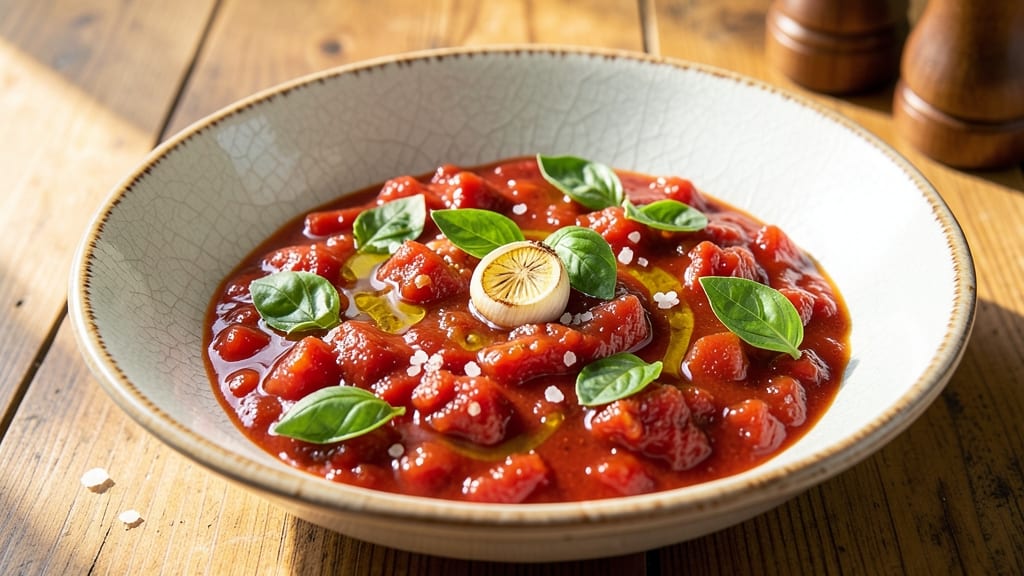
This authentic Italian fresh tomato sauce recipe transforms simple ingredients into a vibrant, basil-infused sauce that captures the essence of Italian cooking. The secret lies in using ripe San Marzano tomatoes, fresh basil, and a touch of garlic—simmered just until the flavors meld without losing their bright, fresh character. This isn’t the heavy, canned sauce you might expect; it’s light, bright, and packed with the kind of acidity and herbaceousness that makes Italian dishes unforgettable.
What sets this sauce apart is its versatility—it’s perfect for tossing with al dente pasta, drizzling over bruschetta, or serving as a dip for crusty bread.
The key steps are simple: sauté garlic in olive oil, add the tomatoes, and let them cook low and slow until they break down into a silky, flavorful sauce.
Fresh basil is added at the end to preserve its bright, aromatic notes, ensuring every spoonful tastes like a taste of Italy.
This sauce is authentic in every sense—no canned tomatoes, no shortcuts. The result is a sauce that’s fresh, vibrant, and full of depth, with a perfect balance of sweetness, acidity, and herbal brightness.
It’s the kind of sauce that elevates any dish it touches, turning a simple meal into something truly special.
The best part? It keeps well in the refrigerator for up to 5 days, allowing you to make a big batch and enjoy it throughout the week.
Whether you’re serving it over pasta, spreading it on toast, or using it as a base for other dishes, this sauce is a game-changer for anyone who loves the taste of authentic Italian cooking.
Ingredients for authentic italian fresh tomato sauce
Fresh tomatoes, vibrant basil, and aromatic garlic create this restaurant-quality sauce.
| Ingredient | Amount | Notes |
|---|---|---|
| San Marzano Tomatoes 🍅 | 28 oz | Fresh, whole, peeled and crushed |
| Extra-Virgin Olive Oil 🫒 | ½ cup | High-quality, fruity variety |
| Fresh Basil Leaves 🌿 | 1 cup | Packed, stems removed |
| Garlic Cloves 🧄 | 4 cloves | Peeled and thinly sliced |
| Red Wine Vinegar 🍷 | 1 tbsp | For bright acid balance |
| Salt 🧂 | ½ tsp | Diamond Crystal preferred |
| Black Pepper 🌶️ | ¼ tsp | Freshly cracked |
| Sugar 🍚 | 1 tsp | Balances acidity |
The San Marzano tomatoes are non-negotiable here—their sweetness and low acidity make all the difference. Grab a 28-oz can at any Italian market or specialty store like Whole Foods or Eataly. If using fresh tomatoes, look for ripe, vine-ripened ones with vibrant red color. The extra-virgin olive oil should be fruity and peppery—avoid the cheap stuff that tastes like soap. Trader Joe's has a great affordable option, but if you're splurging, California Olive Ranch is worth it. Fresh basil is a must—garden-fresh leaves pack the most flavor, and you can usually find them at farmers markets or the produce section of any grocery store.
No San Marzano tomatoes? Crushed Roma tomatoes work in a pinch, but they’ll be less sweet. Short on fresh basil? Dried basil at one-third the amount gives a different flavor profile, but it’s better than nothing. Want to skip the red wine vinegar? Lemon juice works, but you’ll lose that classic Italian tang. The sugar balances the acidity—skip it only if your tomatoes are naturally very sweet. For the garlic, roasting it first adds a mellow sweetness that’s divine. If you’re feeling fancy, toast the garlic cloves in the olive oil for 2 minutes before adding the tomatoes.
This sauce tastes even better the next day as the flavors meld. Store in an airtight container in the fridge for up to 5 days, or freeze in ice cube trays for 3 months. The basil will wilt, so add it fresh when serving. Double the batch—it’s perfect for pasta, bruschetta, or as a pizza sauce. If you make extra, freeze it in 1-cup portions for quick weeknight meals. The sauce thickens as it cools, so you can thin it with a splash of water or pasta water when reheating.
Why You'll Love This Recipe
- No Chopping Needed: I swear by this—just crush a few garlic cloves, tear basil leaves, and let the San Marzano tomatoes do the work. The sauce simplifies itself once you get the hang of it.
- Sunshine in a Jar: That first taste of bright, acidic tomatoes kissed with olive oil and a whisper of vinegar? It’s the kind of flavor that makes you pause mid-bite. The basil’s freshness cuts through the richness like a cool breeze.
- Pasta’s Best Friend: Slather it on spaghetti, toss it with grilled chicken, or use it as a base for lasagna—this sauce adapts without effort. Honestly, I’ve even drizzled it over bruschetta when I’m feeling lazy.
- Lasts All Week: Make a big batch (it freezes beautifully) and thank me later. The acidity keeps it from getting mushy, and the garlic-basil punch means every reheat tastes like the first. My wallet and I both approve.
Step-by-step instructions for authentic Italian fresh tomato sauce
This sauce captures the essence of Italian simplicity—bright, fresh, and bursting with basil flavor.
Prepare the Tomatoes for Cooking
Start by crushing the 28 oz San Marzano Tomatoes by hand or with a potato masher in a large, heavy-bottomed saucepan. I like to leave some small chunks for texture—they soften beautifully during cooking. Add the 0.5 cup Extra-Virgin Olive Oil and stir gently to coat the tomatoes evenly. The oil should glisten on the surface, creating a silky base for your sauce.
Place the saucepan over medium-low heat and let it cook uncovered for 10-12 minutes, stirring occasionally. You're looking for the tomatoes to break down slightly and release their juices, but they should still retain some shape. This slow start prevents the sauce from boiling too vigorously and losing its delicate flavors. The aroma will fill your kitchen—trust me, it's worth the wait.
Build Flavor with Garlic and Vinegar
After the tomatoes have softened slightly, add the 4 cloves Garlic Cloves and 1 tbsp Red Wine Vinegar. Stir well to distribute the garlic evenly—it should sizzle gently in the oil. The vinegar adds that signature bright acidity that balances the sweetness of the tomatoes. Let this cook for 3-4 minutes until the garlic becomes fragrant but doesn't brown. Overcooking garlic turns it bitter, so keep an eye on it.
This is where the magic happens—the vinegar brightens the tomatoes while the garlic infuses its aromatic depth. The sauce should smell like a sun-drenched Italian countryside. If you notice the sauce starting to bubble too vigorously, reduce the heat slightly to maintain gentle simmering.
Season and Sweeten the Sauce
Add the 0.5 tsp Salt, 0.25 tsp Black Pepper, and 1 tsp Sugar to the saucepan. Stir thoroughly to dissolve the sugar completely—this helps balance the acidity from the vinegar while enhancing the natural sweetness of the tomatoes. Let the sauce simmer gently for another 8-10 minutes, stirring occasionally. You'll see it thicken slightly as it reduces, but it should still have a velvety, spoonable consistency.
The sugar isn't just for sweetness—it also helps caramelize the tomatoes slightly, deepening their flavor. Taste the sauce now—it should be bright, balanced, and full of potential. If you find it needs more acidity, you can add a splash more vinegar, but at this stage, it should be perfectly harmonized.
Finish with Fresh Basil
Remove the saucepan from heat and let it cool slightly for 2-3 minutes. Then, add the 1 cup Fresh Basil Leaves, stirring gently to wilt and infuse the leaves into the sauce. The basil should release its aromatic oils and turn the sauce a vibrant green. I like to let it steep for 5 minutes off the heat—this allows the basil to fully integrate without cooking away its delicate flavor.
For the best texture, I recommend removing the basil stems before adding them to the sauce. You can either strain the sauce through a fine-mesh sieve or simply leave the leaves in for a more rustic presentation. Either way, the basil will give your sauce that unmistakable Italian freshness that sets it apart from cooked tomato sauces.
Pro Tips For Making Authentic Italian Fresh Tomato Sauce
- CRUSH THE TOMATOES FIRST: Grab a wooden spoon or your hands—yes, even if you’re impatient—and break open the San Marzano tomatoes before adding them to the pot. This releases their juices and sweetness right away, cutting down simmering time by half. I used to skip this, and my sauce always tasted underripe.
- SWEAT THE GARLIC LOW: Add minced garlic to the olive oil over the lowest heat you can tolerate—no sizzling, just a whisper of steam. Burnt garlic turns bitter fast, and you’ll taste it in every bite. I learned this the hard way after ruining a batch with overzealous heat.
- SALT THE WATER FIRST: Before crushing the tomatoes, add a pinch of salt to the pot with a splash of water. This draws out impurities and helps the sauce emulsify better later. It’s not flashy, but it makes the texture silky smooth—like the difference between a muddy sauce and one that coats like a dream.
- STIR IN THE BASIL LAST: Tear the basil leaves and fold them in at the very end—just before serving—so their bright flavor doesn’t turn bitter from sitting in the hot oil. If you’re making this ahead, add a splash of red wine vinegar to preserve their freshness until you’re ready to eat. (Yes, it’s weird, but it works.)
Pro cooking tips for this recipe
Heat Control Secrets
Italian cooks swear by medium-low heat—this is your secret weapon for a bright, fresh sauce. Too high, and your tomatoes will boil off their delicate flavors, turning into a flat, one-dimensional paste. I use a heavy-bottomed saucepan (like All-Clad) to distribute heat evenly.
If you notice bubbles forming too quickly, immediately reduce to low heat—this keeps the sauce silky and prevents skin formation. 🌡️
Tomato Texture Matters
Don’t blend your tomatoes completely—leave 10-15% chunky for authentic texture. I crush them by hand with a potato masher (no food processor!) to maintain some structure. The chunks soften beautifully during cooking while adding visual appeal.
For extra depth, I sometimes add 1-2 tbsp tomato paste at the start—it caramelizes slightly and adds umami richness without overpowering the fresh flavors.
Garlic Timing is Critical
Add garlic only after tomatoes have softened slightly—this prevents it from burning instantly. I like to sauté it for 3-4 minutes until fragrant but still pale gold. For a sweeter flavor, try roasting the garlic cloves at 400°F for 15 minutes before adding.
Pro tip: If your garlic burns, immediately remove the pan from heat and stir in a splash of red wine vinegar to neutralize the bitterness.
Acid Balance is Key
The red wine vinegar is non-negotiable for that classic Italian brightness. Start with 1 tbsp, but taste as you go—you can always add more. If your tomatoes are particularly sweet (like San Marzanos), you might need up to 2 tbsp.
For a different twist, swap in 1 tsp lemon zest instead of vinegar—it adds a citrusy brightness that pairs beautifully with basil.
Basil Integration Tricks
Fresh basil needs gentle treatment—never cook it! Remove stems before adding to avoid bitterness. For maximum flavor, let the basil steep off-heat for 5 minutes after stirring. If you prefer a smoother sauce, strain through a fine-mesh sieve lined with cheesecloth.
For a rustic look, leave the leaves whole—they’ll add vibrant pops of green and a fresh basil aroma with every bite. 🌿
Sauce Thickening Hacks
If your sauce is too thin, let it reduce uncovered on low heat for 5-10 minutes. For instant thickening, mix 1 tbsp cornstarch with 2 tbsp water, stir into the sauce, and simmer for 2 minutes.
Avoid over-thickening—this sauce should coat the back of a spoon but still be silky. For a creamier texture, stir in 2 tbsp heavy cream at the end, but keep it to a minimum to maintain authenticity.
Nutrition facts
Frequently asked questions
Can I use regular canned tomatoes instead of San Marzano?
While you can substitute regular canned tomatoes, San Marzano tomatoes are specifically grown for their sweetness and low acidity, which creates the perfect balance for this sauce. If using regular tomatoes, choose high-quality brands like Muir Glen or Century, and you may need to add an extra ½ tsp sugar to compensate for any tartness. For the freshest taste, Roma tomatoes work well when peeled, seeded, and crushed by hand.
How do I store this fresh tomato sauce?
Store your sauce in an airtight container in the refrigerator for up to 5 days. The flavors actually improve as it sits! For longer storage, freeze in 1-cup portions using ice cube trays or silicone molds. Thaw overnight in the fridge—never microwave directly from frozen. When reheating, add a splash of water or pasta water to restore its silky texture.
Can I make this sauce without vinegar?
Yes, but the sauce will lack that signature Italian brightness. For a substitute, use 1 tsp lemon juice or ½ tsp citric acid (found in baking sections). If you omit acid entirely, your sauce may taste flat. Another option is to add ½ tsp balsamic vinegar at the end for depth, though it won't be as vibrant as red wine vinegar.
What's the best way to use up extra sauce?
This versatile sauce works perfectly on al dente pasta, as a dip for crusty bread, or as a topping for bruschetta. For a hearty meal, toss with grilled chicken or shrimp. Freeze extras in 1-cup portions for quick weeknight meals—just thaw and reheat gently. The sauce also makes a fantastic pizza sauce when spread thinly on dough before baking.
Why does my sauce turn out watery?
Watery sauce usually means the tomatoes weren't cooked long enough or the heat was too high. Simmer uncovered on low heat for 15-20 minutes total to reduce excess liquid. For instant thickening, mix 1 tbsp cornstarch with 2 tbsp water, stir into the sauce, and simmer for 2 minutes. Avoid over-blending tomatoes—some texture helps absorb moisture.