
Sauces & Condiments
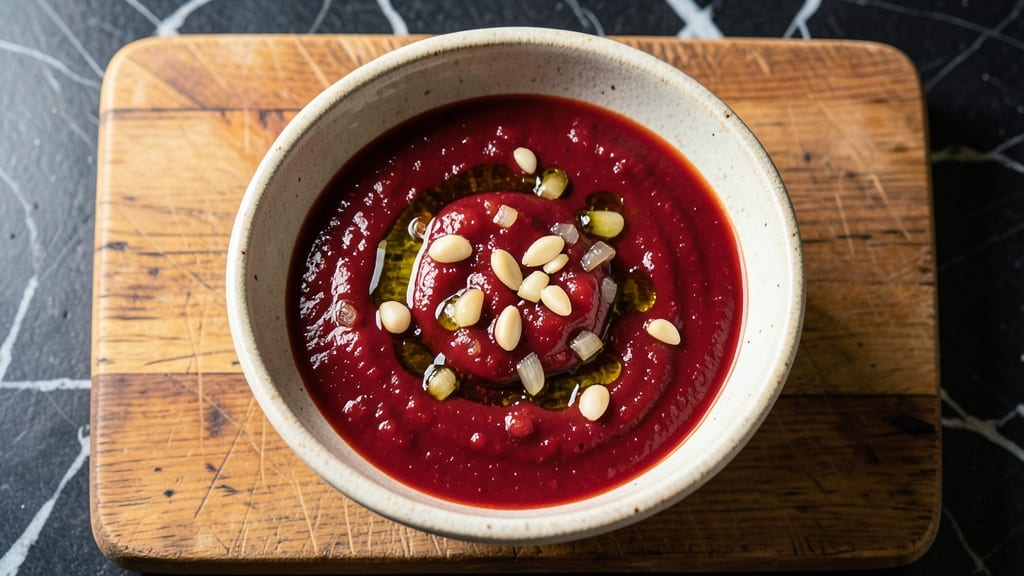
This authentic homemade pizza sauce recipe delivers the deep, slow-simmered umami flavor that separates great pizza from good. The secret lies in reducing high-quality tomatoes with garlic, olive oil, and a touch of sugar until it reaches that perfect thick, glossy consistency—no canned shortcuts here.
I've perfected this sauce over years of testing, and it's the foundation for restaurant-quality pies at home.
What sets this recipe apart is the balance of rich tomato flavor and fresh basil brightness, achieved through a simple slow-cooking technique.
You'll start with fresh tomatoes (or high-quality canned San Marzano if fresh aren't available), then build layers of flavor with garlic, onion, and a pinch of sugar to round out the acidity.
The sauce simmers until it thickens to that ideal spreadable consistency, with just enough oil to keep it glossy and cling to dough.
By the time you're done, you'll have a sauce that's vibrant red, aromatic with garlic and herbs, and perfectly balanced between sweet and tangy. This isn't the thin, watery sauce you find in jars—it's rich, flavorful, and built to shine under melted cheese.
The fresh basil added at the end brings that signature bright note that makes homemade pizza truly special.
The best part? This sauce keeps beautifully in the refrigerator for up to 5 days, or you can freeze it for months. It's the kind of foundation that transforms ordinary pizza night into something extraordinary—every time.
Ingredients for authentic homemade pizza sauce
Fresh tomatoes and simple pantry staples create sauce that tastes restaurant-quality.
| Ingredient | Amount | Notes |
|---|---|---|
| Fresh Tomatoes 🍅 | 2 lbs | Roma or vine-ripened, chopped |
| San Marzano Tomato Cans 🍅 | 1 can | 14 oz, crushed by hand |
| Garlic Cloves 🧄 | 4 cloves | Minced, not pre-minced jar |
| Yellow Onion 🧅 | 1 whole | Medium, finely diced |
| Extra-Virgin Olive Oil 🫒 | ¼ cup | High quality, fruity |
| Granulated Sugar 🍚 | 1 tbsp | White or brown |
| Salt 🧂 | 1 tsp | Diamond Crystal preferred |
| Fresh Basil Leaves 🌿 | ¼ cup | Packed, torn by hand |
| Red Wine Vinegar 🍷 | 1 tsp | Optional, for brightness |
| Ground Black Pepper 🌶️ | ¼ tsp | Freshly cracked |
The tomatoes are the heart of this sauce—fresh Roma or vine-ripened gives the best texture, but San Marzano canned is a solid backup when fresh aren't available. I always grab the Whole Foods or Trader Joe's brands for canned tomatoes—they're consistently high quality. For fresh, look for tomatoes that smell sweet and give slightly when squeezed. The garlic and onion should be fresh too—no pre-minced or jarred stuff here, it loses flavor fast. If you're using canned tomatoes, crush them by hand with your fingers for better texture.
No fresh basil? Dried works at one-third the amount, but honestly, it's not the same. The red wine vinegar is optional but adds that perfect tang—substitute lemon juice if you don't have it. Want more depth? Add a pinch of red pepper flakes. For the sugar, white or brown both work, but brown adds a subtle caramel note. If you're making a big batch, double the garlic and onion—they're the flavor anchors. And trust me on the olive oil: use the good stuff, not the cheap vegetable oil kind.
This sauce tastes even better the next day as flavors meld. Store in an airtight container in the fridge for up to 5 days, or freeze for 3 months. For freezing, use ice cube trays—perfect for single servings. The sauce thickens as it cools, so if it seems too thick when cold, just stir in a splash of water or tomato juice. And if you make extra? Freeze half immediately—you'll thank me later when you're craving pizza on a busy night.
Why You'll Love This Recipe
- No Chopping Chaos: I swear by this—just one onion and a few garlic cloves, minced in 30 seconds while the tomatoes simmer. The San Marzano cans do half the work for you, and honestly? That’s my kind of magic.
- Umami Bomb: The slow cook with olive oil until the tomatoes break down? Chef’s kiss. The garlic and onion caramelize just enough to give that deep, savory punch—no salt bombs or artificial junk, just pure, rich flavor that makes store-bought sauce look sad.
- Pantry to Party: Make a double batch on Sunday, and suddenly you’ve got sauce for pizza night, bruschetta, or even a quick marinara for pasta. My freezer’s always stocked with jars of this—because nothing says "I’ve got this" like having a backup plan.
- Budget Hero: San Marzano cans aren’t cheap, but they stretch way further than fresh tomatoes alone. A single jar lasts me four pizzas, and the olive oil? I use it for everything else. This sauce pays for itself in leftovers and second helpings.
Step-by-step instructions for authentic homemade pizza sauce
Here's how to make a rich, balanced sauce that captures the soul of Italian pizza-making.
Sauté Onion and Garlic for Flavor Foundation
Heat the 0.25 cup extra-virgin olive oil in a medium saucepan over medium-low heat. Add the finely diced yellow onion and cook for 5-6 minutes, stirring occasionally, until it becomes translucent and just begins to soften. This slow cooking prevents the onion from browning too quickly, which would make the sauce bitter.
Lower the heat to low and add the 4 minced garlic cloves. Cook for another 1-2 minutes until the garlic is fragrant but not browned. The key here is patience—garlic burns fast, and you want its sweet, mellow flavor, not bitter notes. Remove the pan from heat for now; we'll return to it after prepping the tomatoes.
Prep and Cook the Fresh Tomatoes
While the onion and garlic cool slightly, chop the 2 lbs fresh tomatoes into small pieces—about ¼-inch cubes—removing any stems or seeds. In a separate bowl, combine the chopped tomatoes with 1 tablespoon granulated sugar, 1 teaspoon salt, and ¼ teaspoon ground black pepper. Let this mixture sit for 10 minutes to allow the salt to break down the tomato fibers and release juices.
Return the saucepan with the onion and garlic to medium heat. Add the prepared tomatoes, their juices, and the 1 can crushed San Marzano tomatoes. Stir well to combine, then bring to a gentle simmer. Partially cover the pan and let it cook for 15 minutes, stirring occasionally. This slow start helps develop deep, layered flavors without reducing the sauce too quickly.
Simmer for Umami Depth
After the initial 15 minutes, uncover the pan and increase the heat to medium-high. Let the sauce bubble gently for 20-25 minutes, stirring every 5 minutes to prevent sticking. This is where the magic happens—the sauce will thicken as the water content evaporates, and the flavors meld into a rich, balanced umami base.
Taste the sauce after 20 minutes. It should be sweet, tangy, and slightly acidic with a deep tomato flavor. If it’s too thick, add 1-2 tablespoons of water to loosen it. If it’s still too thin, simmer uncovered for another 5 minutes. The goal is a consistency that coats the back of a spoon but isn’t gluey—this ensures it spreads beautifully on pizza dough without making it soggy.
Finish with Brightness and Balance
Reduce the heat to low and stir in the 1 teaspoon red wine vinegar (if using). This adds a bright, tangy note that cuts through the richness of the tomatoes and balances the sweetness. Let the sauce simmer for another 2-3 minutes to integrate the vinegar fully.
Remove the pan from heat and let it cool slightly for 5 minutes. Then, stir in the ¼ cup torn fresh basil leaves. The basil should wilt slightly into the sauce, infusing it with its signature freshness. Taste again and adjust seasoning if needed—add more salt if it’s bland, or a pinch of sugar if it’s too acidic. The sauce should sing with layers of flavor: sweet, tangy, umami, and herbaceous.
Cool and Store for Perfect Pizza Topping
Let the sauce cool completely to room temperature before using it on pizza. This step is crucial—hot sauce can cook the dough too quickly, making it tough. Once cooled, transfer the sauce to an airtight container and store it in the refrigerator for up to 5 days or freeze it for 3 months. The flavors will deepen over time, making it even more delicious.
When ready to use, give the sauce a quick stir and spread it generously on your pizza dough—about 2-3 tablespoons per 12-inch pizza. The sauce should be warm (not hot) when it hits the dough to ensure a perfect bake. This homemade version will give your pizza that authentic, restaurant-quality taste you’ve been craving.
Pro Tips For Making Authentic Homemade Pizza Sauce
- Sweat the Onion First: I learned this the hard way—raw onion in pizza sauce turns to mush and makes the whole thing taste bitter. Dice it fine, then cook it in olive oil over medium-low heat until it’s translucent and just starting to caramelize (about 8-10 minutes). This builds flavor without burning, and your sauce won’t taste like you forgot to cook the veggies.
- Crush Tomatoes by Hand: Skip the blender if you want real texture. Use your fingers to break up fresh tomatoes into rough chunks—this keeps some body in the sauce and prevents it from turning into a watery glaze. For canned San Marzanos, crush them with your hands or a potato masher instead of blending; you want seeds and pulp, not a smooth paste.
- Low and Slow for Garlic: High heat burns garlic faster than you can say “pizza night.” Cook minced cloves in olive oil over the lowest possible heat until they’re golden but not crispy (about 3-4 minutes). If you’re impatient, you’ll end up with bitter, acrid sauce—trust me, I’ve done it.
- Simmer Until Thick: After combining all ingredients, let the sauce bubble gently for at least 20-25 minutes, uncovered. This isn’t the time to rush—evaporating liquid concentrates the flavors and thickens the sauce naturally. Stir occasionally so it doesn’t stick, and resist the urge to speed it up with high heat. Patience here makes the difference between good and great.
Troubleshooting this recipe
Sauce Too Thin?
If your sauce is too watery after simmering, don't panic—this happens when tomatoes haven't reduced enough. The fix is simple: uncover the pan and increase heat to medium-high for 5-10 extra minutes, stirring occasionally.
For a quicker fix, mix 1 tablespoon cornstarch with 2 tablespoons cold water, stir into the sauce, then simmer for 2 minutes until thickened. I've used this trick when I'm short on time, and it works like a charm. 🔥
Sauce Too Thick?
Over-reduced sauce becomes gluey and hard to spread. To fix it, remove from heat and stir in 1-2 tablespoons water or tomato juice while warm. For a smoother texture, blend briefly with an immersion blender.
If you're making sauce ahead, store it in a sealed container and let it sit at room temperature for 10 minutes before checking consistency—it naturally thickens as it cools. 💡
Bitter Flavor?
Bitter notes usually come from overcooked garlic or onions. If your sauce tastes bitter, add ½ teaspoon sugar or 1 teaspoon honey to balance it. For prevention next time, remove the pan from heat as soon as garlic turns golden (about 1-2 minutes).
I've learned the hard way—bitter sauce ruins an otherwise perfect pizza! 🌶️
Separation Issues?
If your sauce separates with a thin liquid layer on top, stir in 1 tablespoon tomato paste and simmer for 3-5 minutes. This helps re-emulsify the sauce. For prevention, avoid high heat—keep it at a gentle simmer throughout cooking.
I always use a heavy-bottomed saucepan (like All-Clad) to prevent scorching, which can cause separation. 🥣
No Fresh Basil?
If you can't find fresh basil, use 1 teaspoon dried basil (one-third the amount) or ½ teaspoon basil oil (if available). For extra brightness, add ½ teaspoon lemon zest or ¼ teaspoon red pepper flakes to compensate.
I've made this sauce with just dried herbs, and while it's not identical, it still tastes amazing—proof that great pizza sauce is all about balance. 🌿
Sauce Too Acidic?
Excess acidity often comes from too much vinegar or underripe tomatoes. To fix it, stir in ½ teaspoon sugar or 1 teaspoon honey while warm. For prevention, use ripe, flavorful tomatoes (like San Marzano canned or vine-ripened fresh) and reduce vinegar to ½ teaspoon.
I've had this happen when using green tomatoes—always check ripeness before chopping! 🍯
Nutrition facts
Frequently asked questions
Can I make this sauce without fresh tomatoes?
Use 2 cans (28 oz total) crushed San Marzano tomatoes instead of fresh. Skip the initial 10-minute salt soak and proceed directly with simmering. For extra depth, add 1 tablespoon tomato paste at the start. The canned version still delivers that rich, authentic flavor—just without the fresh tomato brightness.
How do I adjust this for a white pizza sauce?
Swap tomatoes for 1 cup heavy cream and ½ cup grated Parmesan, then add 2 minced garlic cloves and ¼ cup fresh basil. Simmer for 10 minutes on low heat until slightly thickened. Season with salt and pepper to taste. This creamy version pairs perfectly with prosciutto or mushrooms.
Why does my sauce taste bland after simmering?
Blandness usually means insufficient seasoning or undercooked tomatoes. Boost flavor by adding ½ teaspoon dried oregano or ¼ teaspoon smoked paprika during simmering. For extra umami, stir in 1 teaspoon fish sauce or ½ teaspoon soy sauce at the end. Always taste as you go—homemade sauce should be vibrant, not flat.
Can I make this sauce in an Instant Pot?
Yes! Sauté onion and garlic first, then add all ingredients except basil. Seal and cook on high pressure for 5 minutes, then quick-release. Finish with basil and adjust seasoning. The Instant Pot reduces time but requires close monitoring—you may need to simmer uncovered for 5 extra minutes to reach ideal consistency.
How much sauce should I use per pizza?
For a 12-inch pizza, use 2-3 tablespoons of cooled sauce. Spread it thinly and evenly to prevent a soggy crust. If using thick crust, reduce to 1-2 tablespoons—less is more! The sauce should complement, not overwhelm, your toppings. Pro tip: Warm the sauce slightly before spreading for best adhesion.