
Sauces & Condiments
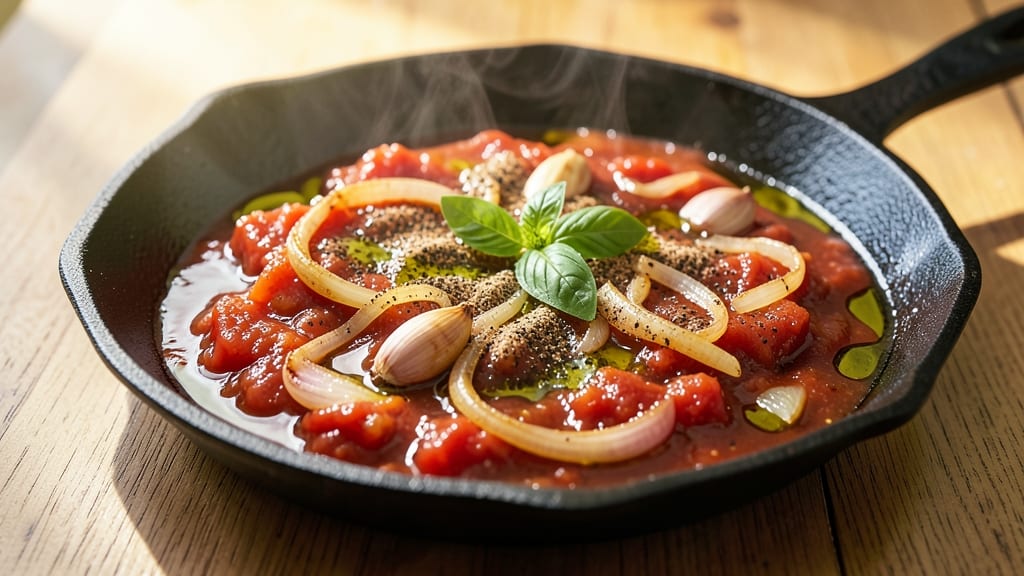
This cooked tomato salsa sauce transforms simple ingredients into a rich, slow-simmered condiment with layers of umami that elevate everything from grilled meats to pasta dishes.
The secret lies in caramelizing onions and garlic until deep golden, then blending them with ripe tomatoes and aromatic spices into a velvety, slightly thickened sauce.
I first made this during a particularly busy summer when I needed a versatile sauce that could stretch across multiple meals—it became an instant pantry staple.
The beauty of this sauce is its versatility—use it as a marinade for grilled chicken or steak, a topping for tacos, or a quick pasta sauce when you're short on time.
The slow simmering process develops flavors that store-bought versions simply can't match, with a balance of sweetness from tomatoes and depth from spices like cumin and smoked paprika. It keeps well in the fridge for up to a week or freezes beautifully for months, making it perfect for meal prep.
What you'll end up with is a smooth, flavorful sauce that's rich enough to stand alone but flexible enough to adapt to any dish.
The texture is just thick enough to cling to noodles or meat without being heavy, and the aroma alone will make your kitchen smell like a bustling Italian trattoria. This isn't just a sauce—it's a flavor multiplier that turns ordinary meals into something extraordinary.
Ready in about 45 minutes, this recipe requires minimal effort but delivers maximum impact. Whether you're prepping for a week of dinners or craving a quick weeknight solution, this sauce will become your new go-to. Let's get started—your taste buds will thank you.
Ingredients for cooked tomato salsa sauce
Nine simple ingredients, one incredible sauce to elevate any meal.
| Ingredient | Amount | Notes |
|---|---|---|
| Yellow Onions 🧅 | 2 large | Chopped into small dice |
| Garlic Cloves 🧄 | 6 cloves | Minced for deep flavor |
| Extra-Virgin Olive Oil 🫒 | ½ cup | High quality, fruity |
| San Marzano Tomatoes 🍅 | 28 oz | Crushed by hand or canned |
| Ground Cumin 🌿 | 1 tbsp | Toasted for deeper flavor |
| Smoked Paprika 🌶️ | 1 tbsp | For rich, smoky depth |
| Dried Oregano 🍃 | 1 tsp | Mexican oregano preferred |
| Salt 🧂 | 1 tsp | Kosher or sea salt |
| Black Pepper 🌶️ | ½ tsp | Freshly ground preferred |
| Red Wine Vinegar 🍷 | 1 tbsp | Balances acidity |
The onions and garlic are the flavor foundation—caramelizing them until deep golden (about 20 minutes) brings out their sweetness and depth. Yellow onions work best here, but red onions add a slight tang if you prefer. Grab a fresh head from the store—the flavor beats pre-chopped every time. For garlic, peel and mince fresh rather than using pre-minced (it burns easily). The San Marzano tomatoes
No smoked paprika? Regular paprika plus a pinch of liquid smoke works in a pinch, though the flavor won't be identical. The cumin is non-negotiable—it's what gives this sauce its earthy depth. Toast the cumin seeds whole in a dry pan for 30 seconds before grinding for even more flavor (but pre-ground is fine if you're short on time). The red wine vinegar might seem like an afterthought, but it brightens the whole sauce—substitute lemon juice if you don't have it. For a vegetarian version, skip the optional anchovy paste (if you add it), but the sauce will still be delicious. This sauce tastes even better the next day as the flavors meld. Store it in an airtight container in the fridge for up to 1 week, or freeze portions for up to 6 months. I like to freeze it in ice cube trays—just pop out what you need for a quick meal. The texture will thicken slightly when refrigerated, so stir in a splash of water or olive oil when reheating. It's perfect for meal prep—make a big batch and use it all week on pasta, grilled meats, or as a pizza sauce base.
Why You'll Love This Recipe
- No-Fuss Simmer: I swear by this sauce because it’s basically hands-off. Slice onions, mince garlic, dump in tomatoes—then let it bubble while you chop veggies for dinner. The cumin deepens as it cooks, so you’re rewarded for doing almost nothing.
- Umami Bomb: That first spoonful of caramelized onions and garlic in EVOO? Pure flavor payoff. San Marzanos break down into a velvety, slightly sweet base, while the cumin adds this warm, earthy kick that makes it taste like you spent hours perfecting it.
- Weeknight Swiss Army Knife: Slather it on toast with ricotta, toss it with pasta, or use it as a base for tacos. It even freezes like a dream—just reheat and serve. Honestly, I keep a jar in the fridge for emergencies (aka Tuesday nights when I’ve got nothing).
- Pantry Stretch: A single can of San Marzanos and a small onion go a long way here. The olive oil adds richness without breaking the bank, and the cumin makes it taste luxurious. Leftovers? They’re even better the next day, so you’ll end up making double.
Step-by-step instructions for cooked tomato salsa sauce
Here's how to build rich, smoky tomato sauce from scratch—simple steps for deep flavor.
Sauté the Aromatics Until Fragrant
Heat the 0.5 cup extra-virgin olive oil in a heavy-bottomed saucepan over medium heat. Add the 2 large chopped yellow onions and cook for 8-10 minutes until they soften and turn translucent. Here's where it gets good—the onions should smell sweet and caramelized.
Add the 6 minced garlic cloves and cook for another 1-2 minutes until the garlic turns golden and fragrant. Don't let it burn—just until you can smell that deep, toasty aroma. This step builds the flavor foundation for your sauce, so take your time and let the aromatics develop properly. If you rush, you'll miss out on that essential depth of flavor that makes this sauce special.
Toast the Spices for Maximum Flavor
Lower the heat to medium-low and add the 1 tablespoon ground cumin, 1 tablespoon smoked paprika, 1 teaspoon dried oregano, 1 teaspoon salt, and 0.5 teaspoon black pepper. Stir constantly for 1-2 minutes until the spices are fragrant and the mixture begins to darken slightly.
This is the moment that matters: the spices should be hot enough to release their oils but not so hot they burn. You'll see the mixture darken and smell intensely aromatic—this indicates the spices are properly toasted. If you smell anything bitter or burnt, you've gone too far. Immediately reduce heat or remove from heat if needed. The toasted spices will give your sauce that rich, complex depth that sets it apart from basic tomato sauce.
Add the Tomatoes and Simmer Slowly
Pour in the 28 ounces crushed San Marzano tomatoes and stir well to combine with the spiced onions. Bring the mixture to a gentle simmer over medium-low heat. Here's the key: you want a slow, steady simmer—not a rolling boil—that allows the flavors to meld together.
Simmer uncovered for 30-40 minutes, stirring occasionally, until the sauce thickens and reduces by about one-third. You'll know it's ready when the sauce coats the back of a spoon and the flavors have deepened. The longer you simmer, the more concentrated the flavors become. If the sauce gets too thick, add a splash of water to loosen it to your preferred consistency. This slow cooking process develops the sauce's rich, umami character that makes it perfect for pasta or grilled meats.
Finish with Acid and Adjust Seasoning
Remove the sauce from heat and stir in the 1 tablespoon red wine vinegar. This brightens the flavors and balances the richness of the sauce. Taste and adjust seasoning if needed—add more salt if the sauce tastes bland, or a pinch more smoked paprika if you want more depth.
Let the sauce sit off heat for 5-10 minutes to allow the flavors to fully meld together. The sauce should be thick, flavorful, and slightly glossy. If you're using it immediately, give it a final taste and adjust as needed. This sauce keeps well in the refrigerator for up to 5 days or can be frozen for up to 3 months, making it perfect for meal prep. The acidity from the vinegar and the smoky spices create a perfect balance that elevates any dish it accompanies.
Pro Tips For Making Cooked Tomato Salsa Sauce
- Sweat the Onions Low: I used to rush this step and end up with bitter, watery onions that ruined the whole sauce. Instead, cook them over medium-low heat in olive oil for 8–10 minutes until they’re golden and translucent—almost caramelized. That’s when they’ll actually deepen the flavor instead of overpowering it.
- Peel Garlic in Cold Water: After peeling garlic cloves, give them a quick rinse in cold water and pat them dry. This removes excess moisture so they toast evenly without burning or sticking—critical when you’re frying them in olive oil alongside onions. (Yes, even if you’re impatient like me.)
- Don’t Crush the Tomatoes: I learned this the hard way—crushing whole San Marzano tomatoes releases too much liquid, turning your sauce into a watery mess. Instead, cut them in half and scoop out the seeds (discard them), then roughly chop the flesh. This keeps the texture chunky and the sauce thick.
- Toast the Cumin First: Skip the urge to add ground cumin right away—it’ll just burn. Instead, let it bloom in the hot oil for 30 seconds after the onions are softened. That’s when it releases its earthy aroma, making a real difference in the final flavor. (Your future self will notice.)
Regional styles of these flavors
Mexican-Inspired Salsa Roja
This version swaps smoked paprika for 2 tablespoons chipotle powder and adds 1 diced poblano pepper for smoky heat. I like to toast the poblano in a dry pan until charred, then blend it into the sauce for depth.
Serve it with corn tortillas and grilled shrimp for a restaurant-worthy taco night. 🌶️
Italian-Inspired Pomodoro
For a classic Italian twist, reduce the cumin to ½ teaspoon and add 1 teaspoon dried basil plus 1 teaspoon dried thyme. Stir in 1 tablespoon tomato paste at the end for richness.
This sauce pairs perfectly with spaghetti aglio e olio or grilled chicken. I often finish it with a sprinkle of fresh basil before serving.
Portuguese-Style Tomato Sauce
Inspired by Portuguese molho de tomate, this version includes 1 teaspoon ground coriander, ½ teaspoon ground cinnamon, and 1 bay leaf removed before serving.
The cinnamon adds warmth, while the coriander brightens the sauce. Serve it with grilled sausage or over white rice for a cozy meal. 🌍
Spicy Southwest Style
Kick it up with 1 jalapeño pepper (seeds removed for mild heat) and 1 tablespoon adobo sauce from canned chipotles. Add ½ teaspoon ground cloves for warmth and serve with black beans and cornbread.
This version is perfect for hearty Tex-Mex dishes or as a marinade for grilled chicken. 🔥
Mediterranean Herb Version
Swap the smoked paprika for 1 tablespoon dried rosemary and 1 teaspoon dried marjoram. Add 1 zucchini (diced and sautéed with the onions) for freshness. This lighter version works beautifully with grilled fish or as a dip for warm pita bread.
The herbs add a bright, aromatic twist to the classic sauce.
Cincinnati-Inspired Twist
Nodding to my Ohio roots, I sometimes add ½ teaspoon ground allspice and a pinch of nutmeg for warmth. A splash of apple cider vinegar instead of red wine vinegar gives it a tangy-sweet balance. Serve it with pulled pork sandwiches or over mashed potatoes for a comforting meal. 🍎
Nutrition facts
Frequently asked questions
Can I make this sauce without smoked paprika?
Swap it for 1 tablespoon regular paprika plus ½ teaspoon liquid smoke for a similar smoky depth. Or try 1 teaspoon chipotle powder for heat. The sauce will still taste rich—just with a slightly different profile.
How do I adjust the thickness for different uses?
For pasta or lasagna, keep it thick (simmer longer). For dipping or marinades, thin with 1-2 tablespoons water or broth per cup. If too thick after simmering, stir in 1 tablespoon tomato paste to stabilize the texture.
Why does my sauce taste bland after refrigerating?
Cold temps mute flavors—always reheat gently over low heat until steaming, then adjust with extra salt, vinegar, or a pinch of sugar. The sauce will regain depth. Pro tip: Add a small piece of butter while reheating for richness.
Can I use fresh tomatoes instead of canned?
Yes, but you'll need 4-5 large ripe tomatoes (peeled, seeded, and chopped). Simmer them uncovered for 45-60 minutes to break down their texture. Add 1 tablespoon lemon juice to prevent bitterness. Fresh tomatoes work best in summer when they're ultra-sweet.
What's the best way to freeze this sauce?
Cool completely, then portion into airtight containers or silicone ice cube trays. For individual servings, freeze 1-tablespoon portions that pop out easily. Label with date—thaw overnight in the fridge or reheat directly from frozen in a saucepan.