
Sauces & Condiments
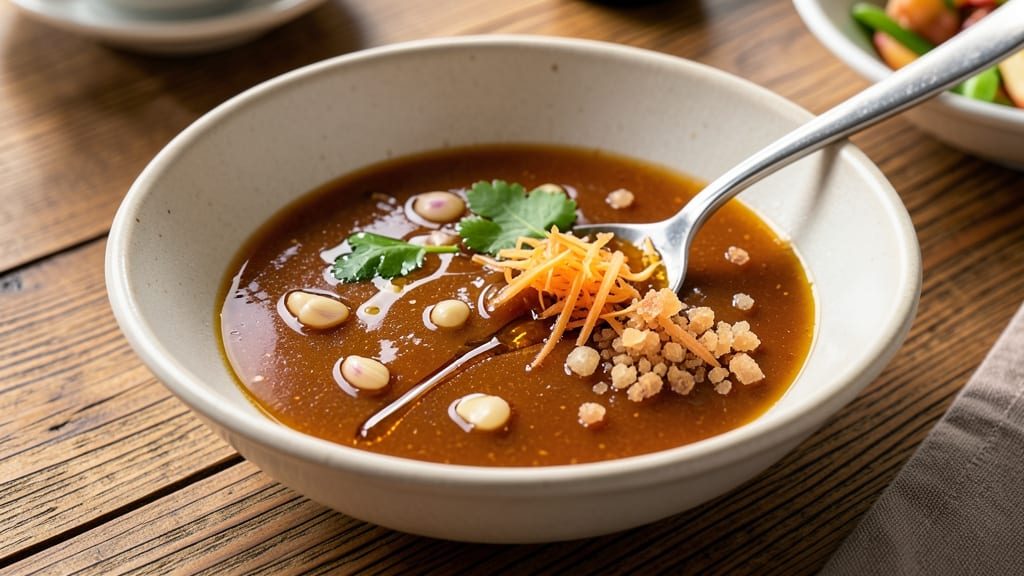
This Asian style sauce recipe transforms simple pantry staples into a bold, umami-rich condiment that elevates everything from stir-fries to grilled meats. The secret lies in balancing sweet, salty, and tangy notes—just like the sauces you find in Asian markets, but with a fraction of the effort.
I developed this version after years of testing, ensuring it delivers restaurant-quality depth without requiring specialty ingredients.
The magic happens with a simple 5-ingredient base that builds layers of flavor through simmering. Soy sauce provides the salty foundation, while honey or brown sugar adds just the right sweetness. A splash of rice vinegar brightens the mix, and a touch of garlic and ginger infuses aromatic warmth.
The sauce thickens beautifully as it reduces, creating that signature glossy consistency perfect for drizzling or dipping.
What makes this sauce truly versatile is its ability to work as a marinade, glaze, or dipping sauce—all with the same batch. Use it to tenderize chicken before grilling, toss it with noodles for instant flavor, or serve it alongside spring rolls for dipping.
The best part? It keeps well in the fridge for up to two weeks, so you can make a big batch and enjoy it all week long.
Ready in just 15 minutes with minimal prep, this sauce proves that homemade can be both effortless and impressive. The key is patience during the simmering phase—let it reduce until it coats the back of a spoon, and you’ll know it’s ready. Here’s how to make it perfectly every time.
Ingredients for asian style sauce
Five core ingredients plus pantry staples. This sauce delivers restaurant-level depth with minimal effort.
| Ingredient | Amount | Notes |
|---|---|---|
| Kosher Soy Sauce 🍶 | ½ cup | High-quality, reduced for depth |
| Light Brown Sugar 🍚 | ¼ cup | Packed, for caramelized sweetness |
| Rice Vinegar 🍶 | ¼ cup | Seasoned or plain, unseasoned preferred |
| Fresh Garlic Cloves 🧄 | 4 cloves | Minced, for aromatic punch |
| Fresh Ginger Root 🌿 | 2 tbsp | Grated, for zesty warmth |
| Sesame Oil 🫒 | 1 tbsp | Toasted, for nutty aroma |
| Diamond Crystal Kosher Salt 🧂 | 1 tsp | Fine grain, for seasoning balance |
| Fresh Lime Juice 🍋 | 1 tbsp | Freshly squeezed, for bright finish |
The soy sauce is your flavor anchor—Kikkoman or La Choy are solid choices, but anything with a rich, slightly aged profile works best. Brown sugar adds caramel notes that deepen as the sauce simmers; muscovado or turbinado can add complexity if you're feeling experimental. Rice vinegar should be seasoned for subtle sweetness, but unseasoned works too if that's what you've got. For the garlic and ginger, fresh is non-negotiable—dried powders lack the aromatic punch. If you're prepping ahead, you can grate the ginger and mince the garlic a day in advance and store them in the fridge.
No soy sauce? Coconut aminos is a decent swap, though it lacks the umami depth. Short on brown sugar? Honey or maple syrup works in a pinch, but the caramelization won't be identical. The sesame oil is purely for aroma—use toasted sesame oil if available, but regular will do. For extra tang, add a splash of mirin or apple cider vinegar. The lime juice can be omitted if you're using the sauce for cooking, but it's essential for fresh dipping applications. Pro tip: if your sauce isn't glossy enough after simmering, add a teaspoon of cornstarch slurry to thicken it up.
This sauce keeps beautifully—2 weeks in the fridge sealed in an airtight jar. For longer storage, freeze it in ice cube trays and transfer to a bag; thaw as needed. The flavors actually improve over time as the ingredients meld. If you make a big batch, portion it into small containers so you can grab just what you need. The sauce reheats perfectly—simmer for 2-3 minutes to restore its glossy consistency. Trust me, you'll want to make extra; it disappears fast.
Why You'll Love This Recipe
- Five-Ingredient Magic: I swear by this combo—soy, sugar, vinegar, garlic, and ginger. That’s it. No fancy technique, just chop, simmer, and boom—flavor explosion.
- Savory-Sweet Balance: The brown sugar cuts through the saltiness like a pro, while the garlic and ginger add that fresh, zesty kick. It’s the kind of sauce that makes you go, “Wait, this is that good?”
- Weeknight Wonder: Slap it on stir-fries, drizzle over rice bowls, or toss with noodles—it’s my go-to when I’m too tired to think. Honestly, it’s the reason I don’t order takeout.
- Lasts All Week: Make a big batch, store it in the fridge, and use it for days. I’ve got this sauce in my fridge right now—three days old, still packs a punch. Budget-friendly? Absolutely.
Step-by-Step instructions for Asian-style sauce
Here's how to craft a vibrant, balanced sauce that delivers deep umami, caramelized sweetness, and bright acidity.
Bloom the Aromatics in Sesame Oil
Heat a small saucepan over medium-low heat and add the 1 tablespoon sesame oil. Allow it to warm through for 30 seconds until shimmering—this activates its nutty aroma without burning. Add the 4 minced garlic cloves and 2 tablespoons grated fresh ginger root, stirring constantly for 1-2 minutes until fragrant but not browned.
Watch closely here—the garlic and ginger should perfume the oil without developing bitterness. If you see any edges darkening, reduce heat immediately. This aromatic base forms the flavor foundation, so take your time. Once fragrant, remove from heat and set aside to prevent overcooking.
Caramelize the Brown Sugar
Return the saucepan to medium heat and add the 0.25 cup packed light brown sugar. Stir constantly for 3-4 minutes until it melts into a golden syrup and begins to bubble. You'll notice the sugar transforming from dry crystals to a glossy, amber liquid—this caramelization creates the sauce's signature sweet depth.
If the sugar starts to darken too quickly, reduce heat slightly to maintain a golden hue. The sugar should coat the back of a spoon smoothly without being overly thick. This step is crucial for achieving that perfect balance of sweet and savory in the final sauce.
Combine Wet Ingredients
Add the 0.5 cup kosher soy sauce and 0.25 cup rice vinegar to the caramelized sugar. Stir vigorously for 1 minute to dissolve the sugar completely and incorporate all ingredients. The mixture will bubble vigorously—this is normal as the acid in the vinegar reacts with the caramel.
Bring the mixture to a gentle simmer over medium heat, then reduce to low heat. Let it cook uncovered for 5-7 minutes, stirring occasionally, until slightly reduced in volume. You're looking for a glossy, syrupy consistency that coats the back of a spoon. This reduction concentrates the flavors and creates the perfect sauce texture.
Season and Finish
Remove the sauce from heat and stir in the 1 teaspoon diamond crystal kosher salt and 1 tablespoon fresh lime juice. Taste and adjust seasoning—you might need a touch more salt or lime to achieve that perfect balance of umami, sweetness, and acidity. The sauce should be vibrant, complex, and ready to elevate any dish.
Let the sauce cool to room temperature before using it on dishes. The flavors will continue to meld and deepen as it sits. This versatile sauce works beautifully on grilled meats, stir-fries, or as a dipping sauce for spring rolls. Store any leftovers in an airtight container in the refrigerator for up to 1 week—though it's likely to disappear quickly!
Pro Tips For Making Asian Style Sauce
- Simmer Slow and Low: This sauce isn’t a race—after adding garlic and ginger, drop the heat to a bare simmer (think tiny bubbles, not rolling boil). I learned this the hard way when my sauce turned bitter from scorching; now I keep it at the lowest point where it’s still moving. If you’re impatient, you’ll regret it.
- Peel Ginger After Grating: Skip peeling ginger root first—just scrub it under cold water, then grate the skin on. The outer layer adds subtle warmth and prevents the sauce from tasting too clean. (Yes, even if it looks weird.) Save the peeling step for when you’re making matcha lattes, not sauce.
- Balance Sugar First: Taste the brown sugar before adding vinegar—dissolve it fully in a splash of warm water first. Then add vinegar slowly, one teaspoon at a time, until the sauce hits that perfect tang-sweet spot. I used to dump it all in and end up with either clumpy sugar or a mouth-puckering mess.
- Toast Garlic Until Golden: Sear the minced garlic in oil for 30 seconds until it’s just turning golden—this deepens the flavor way more than raw garlic ever will. (I know, I know, it’s easy to burn it, but resist the urge to rush.) The aroma alone makes the whole sauce taste richer.
Creative variations of this recipe
Spicy Chili-Garlic Twist
For a fiery kick, stir in 1 tablespoon gochujang (Korean chili paste) with the sesame oil in Step 1, then add 1 teaspoon sriracha at the finish.
This variation works amazingly on grilled wings or spicy noodle bowls. I like to balance the heat with an extra ½ teaspoon lime zest for brightness. 🌶️
Peanut Butter Satay
Replace the brown sugar with ¼ cup creamy peanut butter and swap soy sauce for ¼ cup coconut aminos. Add 1 teaspoon curry powder and ½ teaspoon ground coriander during Step 2.
This rich, nutty sauce is perfect for drizzling over satay skewers or tossing with rice noodles. The peanut butter adds incredible depth while keeping it authentically Asian-inspired.
Sweet and Tangy Mango Glaze
For a tropical twist, reduce the brown sugar to 2 tablespoons and add ¼ cup mango puree (fresh or canned) with the rice vinegar in Step 3. Finish with 1 teaspoon fish sauce for umami.
This vibrant glaze pairs beautifully with grilled shrimp or pork. The mango adds natural sweetness while keeping the sauce light and refreshing—ideal for summer dishes.
Umami Mushroom Boost
Add 2 tablespoons finely chopped shiitake mushrooms to the sesame oil in Step 1, cooking until they release their meaty juices. For extra depth, stir in 1 teaspoon mushroom powder with the salt in Step 4.
This earthy variation elevates beef stir-fries or braised dishes. The mushrooms amplify the umami without overpowering the sauce's balance.
Sweet Chili Heat
Combine 2 tablespoons sweet chili sauce with the rice vinegar in Step 3, then add ½ teaspoon red pepper flakes at the finish. This fusion sauce works perfectly with grilled chicken or as a dipping sauce for spring rolls.
The sweet chili sauce adds instant tangy heat while keeping the preparation simple—just one extra ingredient makes a world of difference.
Herbal Sesame Fusion
Infuse the sauce with 1 tablespoon chopped cilantro and 1 teaspoon grated lemongrass (from 1 stalk) in Step 1. Finish with ½ teaspoon black pepper for complexity.
This aromatic variation shines in Vietnamese-style dishes or as a marinade for tofu. The lemongrass and cilantro add fresh, herbal notes that brighten every bite.
Nutrition facts
Frequently asked questions
Can I make this sauce without brown sugar?
Swap the brown sugar for ¼ cup honey or ¼ cup maple syrup to maintain sweetness. For a deeper caramel flavor, use 2 tablespoons molasses instead—just reduce the soy sauce slightly to balance the intensity. The sauce will have a slightly different profile but still deliver that essential sweet-savory harmony.
How can I adjust the heat level?
Start with ½ teaspoon red pepper flakes or 1 teaspoon chili flakes in Step 1 for mild heat. For medium spice, add 1 tablespoon gochujang when blooming the aromatics. If you prefer extra kick, stir in 1 teaspoon sriracha at the end. Always taste as you go—you can balance heat with extra lime juice or a touch of sweetener.
What's the best way to thicken this sauce?
For a quick fix, mix 1 teaspoon cornstarch with 1 tablespoon water to make a slurry, then stir it into the simmering sauce for 1-2 minutes until thickened. For a glossier finish, reduce the sauce uncovered for an extra 3-5 minutes after the initial simmer. Avoid over-thickening—this sauce should remain pourable for best results.
Can I use this sauce as a marinade?
Yes! This sauce marinates beautifully for 30 minutes to 2 hours in the fridge. For tougher cuts like pork or chicken, reserve ¼ cup sauce for basting during cooking. The acidity in the rice vinegar tenderizes meat while the umami flavors penetrate deeply. Just don't marinate seafood longer than 30 minutes to prevent overcooking.
Why did my sauce turn cloudy?
Cloudiness usually means the sauce cooled too quickly or wasn't reduced enough. Return it to low heat for 2-3 minutes, stirring constantly, until it regains its glossy appearance. For prevention, always simmer uncovered and let it cool gradually. If the issue persists, strain through a fine-mesh sieve to remove any separated particles before using.