
Sauces & Condiments
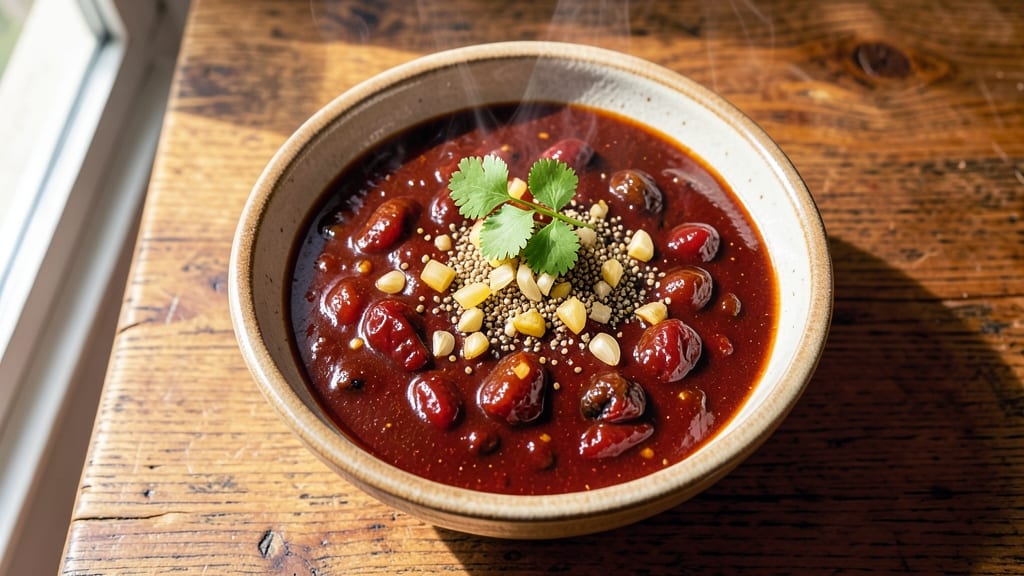
This American chili sauce recipe delivers that perfect balance of smoky, tangy, and slightly sweet heat that elevates everything from grilled meats to crispy fries. The foundation is simple—tomatoes, chili peppers, and spices simmered into a rich, velvety sauce—but the magic happens in the slow reduction that deepens the flavor.
I developed this version after years of testing, and it’s become my go-to for dipping, drizzling, or even as a marinade base.
The key to great chili sauce lies in the cooking method: simmering the mixture low and slow allows the flavors to meld without burning. You’ll use a blend of dried chiles for smokiness, tomatoes for acidity, and a touch of sweetness to balance the heat.
The result is a sauce that’s thick enough to cling to food but still smooth enough to drizzle effortlessly.
What makes this recipe stand out is its versatility—it works as a dipping sauce for wings, a glaze for grilled vegetables, or even a marinade for meats. The smoky depth comes from properly charring the dried chiles before blending, while the acidity from tomatoes keeps the sauce bright.
Once you taste it, you’ll never go back to store-bought again.
Store it in the refrigerator for up to two weeks, or freeze for longer shelf life. The flavors only get better with time, making this a perfect make-ahead sauce for any gathering. Ready to make it? Let’s get started.
Ingredients for american chili sauce
Eight simple ingredients transform into smoky, tangy chili sauce perfect for dipping and grilling.
| Ingredient | Amount | Notes |
|---|---|---|
| Dried Ancho Chili Peppers 🌶️ | 4 whole | Stems and seeds removed |
| Dried Chipotle Peppers in Adobo 🌶️ | 2 whole | With 2 tbsp adobo sauce |
| Canned Tomato Sauce 🍅 | 1 can | 28 oz, San Marzano preferred |
| Yellow Onion 🧅 | 1 whole | Medium, roughly chopped |
| Garlic Cloves 🧄 | 4 cloves | Peeled, roughly chopped |
| Granulated Sugar 🍯 | 2 tbsp | Light brown sugar works too |
| Apple Cider Vinegar 🍋 | 2 tbsp | For tangy brightness |
| Ground Cumin 🌿 | 1 tbsp | Toasted for depth |
| Smoked Paprika 🌶️ | 1 tbsp | For authentic smokiness |
| Salt 🧂 | 1 tsp | Diamond Crystal preferred |
| Black Pepper 🌶️ | ½ tsp | Freshly ground |
The dried chiles are non-negotiable for that authentic smoky depth. Trader Joe's carries great ancho and chipotle peppers, but any Mexican market will have better options. Look for chiles that are plump and dry—no wrinkles or mold. The adobo sauce from the chipotle cans adds extra flavor, so don't skip it. For the tomatoes, San Marzano cans are worth the splurge—they're sweeter and less acidic, which keeps the sauce balanced. If you can't find them, any good-quality crushed tomatoes will work, but you might need to add a pinch more sugar to compensate.
No ancho peppers? Dried guajillo or pasilla chiles work in a pinch, but you'll need to toast and rehydrate them first. Short on chipotle? Cayenne pepper at half the amount gives heat, but no smokiness. The vinegar is key for that tangy kick—white vinegar works too, but apple cider adds subtle sweetness. For extra richness, stir in 1 tablespoon of tomato paste at the end. The cumin and smoked paprika are the flavor anchors here—don't swap them for anything else unless you're going for a completely different profile.
This sauce only gets better with time. Store it in a clean glass jar in the fridge for up to 2 weeks, or freeze for 6 months. I like to double the batch—it disappears fast. The sauce thickens as it cools, so if it's too thick after chilling, just add a splash of water or vinegar to loosen it up. Perfect for dipping, drizzling, or even as a marinade base for grilled meats.
Why You'll Love This Recipe
- One-Pot Magic: I swear by this recipe because it’s just me, a pot, and 20 minutes—no blender, no straining, no mess. Toss in the ancho and chipotle, let them soak in the warm tomato sauce, and boom: depth without the fuss.
- Smoky-Sweet Obsession: That first bite? The ancho’s fruity warmth meets the chipotle’s smoky punch, all balanced by the onion and garlic caramelizing into the sauce. It’s the kind of flavor you’ll reach for when you’re craving something bold but not overwhelming—like a hug in liquid form.
- Game for Any Meal: Drizzle it over grilled chicken for dinner, toss it with beans for a quick lunch, or slather it on tacos when friends drop by. Honestly, I’ve even used it to wake up a boring bowl of rice—because why not? It’s my secret weapon for turning simple meals into something special.
- Leftovers That Pay Off: Make a double batch—it keeps for weeks in the fridge, and the taste only gets better as the peppers mellow. Between us, this is the kind of sauce that makes grocery budgets stretch because a little goes a long way, and you’ll find yourself buying more just to have it on hand.
Step-by-step instructions for smoky tomato-chile sauce
Here's how to build a rich, smoky chili sauce that's perfect for grilling or dipping.
Toast and Rehydrate the Dried Chilies
Heat a dry skillet over medium heat and add the 4 whole dried ancho chili peppers. Toast them for 1-2 minutes per side until fragrant and slightly darkened—this deepens their flavor. Immediately transfer them to a heatproof bowl and cover with hot water to cover completely. Let them soak for 15 minutes until softened.
While they soak, add the 2 whole dried chipotle peppers in adobo to the same skillet (no oil needed) and toast for 30 seconds until aromatic. Remove and add them to the bowl with the ancho peppers. Pour in the 2 tablespoons adobo sauce from the can and let everything soak together for another 10 minutes. This step unlocks the chilies' maximum flavor and prevents bitterness.
Build the Sauce Base with Onion and Garlic
Drain the soaked chilies, reserving the soaking liquid (about 1 cup). In a large saucepan, combine the drained chilies, 1 can tomato sauce, 1 whole yellow onion (roughly chopped), and 4 cloves garlic (roughly chopped). Cook over medium heat for 10 minutes, stirring occasionally, until the onion softens and the garlic becomes fragrant.
Use an immersion blender to purée the mixture directly in the pan until smooth—this ensures no flavor gets lost. If you prefer a chunkier texture, use a regular blender and return the purée to the pan. The sauce should now have a deep red color with visible chili flecks. This is your flavor foundation, so don't rush this step.
Simmer and Balance the Flavors
Add the 2 tablespoons granulated sugar, 2 tablespoons apple cider vinegar, 1 tablespoon ground cumin, 1 tablespoon smoked paprika, 1 teaspoon salt, and ½ teaspoon black pepper. Stir well to combine, then bring the mixture to a gentle simmer. Reduce heat to low and let it cook uncovered for 20-25 minutes, stirring occasionally, until thickened to your desired consistency.
Taste and adjust seasoning—you might need a pinch more salt or a splash of vinegar for brightness. The sauce should be smooth, smoky, and slightly tangy with a touch of sweetness. If it's too thick, thin it with reserved chili soaking liquid or water. Real talk: this is where the magic happens, so don't walk away—stir occasionally to prevent sticking.
Strain and Finish for Smooth Perfection
Line a fine-mesh strainer with cheesecloth and set it over a clean bowl. Pour the sauce through the strainer, pressing gently with a spoon to extract all the flavor. Discard the solids—this step ensures a silky texture perfect for dipping or basting. Return the strained sauce to the saucepan and simmer for another 5 minutes to refine the flavors.
For a glossy finish, stir in 1 tablespoon olive oil (not listed in ingredients but optional for richness). The sauce should coat the back of a spoon and have a vibrant red hue with subtle smoky undertones. Let it cool slightly before using—it'll thicken as it sits. This sauce keeps beautifully in the fridge for up to 2 weeks or can be frozen for 3 months for future grilling adventures.
Pro Tips For Making American Chili Sauce
- Simmer the Peppers Slow: After burning my first batch of dried ancho and chipotle peppers, I learned to toast them in a dry skillet for just 30 seconds per side—until fragrant but not blackened—then immediately plunge them into warm tomato sauce. This keeps their smoky depth without turning bitter. Skip the boiling water step; the sauce’s acidity does the work.
- Mince Onions Like You Mean It: I used to chop onions roughly, thinking it didn’t matter. Wrong. For this sauce, finely mince the yellow onion (about ¼-inch pieces) so it dissolves into silkiness, not chunks. If you’re impatient, pulse in a food processor—but don’t overdo it, or you’ll end up with paste.
- Strain the Adobo Paste: That jarred chipotle adobo sauce has seeds and debris that muddy the sauce’s texture. After scraping out the peppers, strain the remaining adobo through a fine-mesh sieve into the pot. It’s messy, but the result is smoother—no one wants gummy bits in their chili.
- Blend Halfway Through Cooking: I was skeptical until I tried blending the sauce after 20 minutes of simmering (not at the start). The tomato sauce softens the garlic and onion first, so the blender doesn’t fight resistance. Pulse until just smooth—over-blending turns it gluey. Save time by using an immersion blender; no transfers needed.
Make-ahead tips for american chili sauce
Make-Ahead Mastery
This chili sauce actually tastes better after sitting overnight as flavors meld together beautifully. Let it cool completely, then transfer to a glass jar with an airtight lid.
Store in the refrigerator for up to 2 weeks—the acidity from the vinegar and tomatoes preserves freshness while deepening the smoky notes. I always double the batch because it disappears fast during grilling season. 🌶️
Freezer Prep Tips
For longer storage, portion into quart-sized freezer bags or airtight containers, leaving 1-inch headspace for expansion. Label with the date and freeze for up to 6 months. When ready to use, thaw overnight in the fridge—never microwave directly from frozen, as it can break the sauce's silky texture.
I like to freeze in small batches perfect for dipping sauces or marinades.
Reheating Perfection
To restore the sauce's velvety consistency after refrigeration, warm it gently in a saucepan over low heat for 5-7 minutes. Stir occasionally and add 1-2 tablespoons water if it thickens too much.
For microwave reheating, use 50% power for 1-minute intervals until just warmed through—this prevents overheating that can alter the delicate balance of flavors.
Batch Cooking Strategy
Plan your chili sauce prep around your grilling schedule. Make a big batch on a Sunday, then use it throughout the week for tacos, grilled chicken, or even as a pizza sauce base.
The sauce's versatility makes it a perfect make-ahead project for busy weekends. I keep a dedicated jar in my fridge just for this purpose—it's my secret weapon for effortless entertaining. ✨
Flavor Development
The sauce's complexity builds over time, especially the smoky depth from the toasted chiles. After 3-4 days in the fridge, the flavors become more harmonious and the heat mellows slightly.
This is why I recommend making it ahead—it's like a fine wine, getting better with age. The acidity also mellows, making it more versatile for different dishes. 💡
Portion Control
For dipping sauces, use ¼-cup portions per serving. For marinades, reduce to ½ cup per pound of meat. Store portions in small containers so you can grab exactly what you need without thawing the whole batch.
I keep individual portions in ice cube trays before transferring to freezer bags—this makes it easy to grab just the right amount for any recipe. 🧊
Nutrition facts
Frequently asked questions
What's the best way to adjust the heat level in this chili sauce?
Start by removing the seeds from the dried chiles before toasting for a milder sauce. For extra heat, add ½ teaspoon cayenne pepper or 1 extra chipotle pepper. If it's too spicy, balance it with 1 extra tablespoon sugar or ½ teaspoon cinnamon to mellow the flavors. Always taste as you go!
Can I make this sauce without fresh garlic or onion?
Use 1 teaspoon garlic powder and 1 tablespoon onion powder instead. For deeper flavor, add ½ teaspoon celery salt or a pinch of MSG (if you use it). The sauce will still be delicious—just slightly less complex than with fresh aromatics.
How do I fix a sauce that's too thick or too thin?
For a thick sauce, thin it with reserved chili soaking liquid or water, 1 tablespoon at a time. If it's too thin, simmer uncovered for 5-10 extra minutes to reduce. Pro tip: The sauce will thicken more as it cools, so don't over-correct while hot!
What are the best foods to serve with this chili sauce?
This versatile sauce pairs perfectly with grilled meats, crispy fries, tacos, or cornbread. For dipping, try it with chicken wings, spring rolls, or veggie sticks. The smoky sweetness also elevates burgers or pizza as a drizzle!
Can I substitute vinegar with something else?
Yes! Use lemon juice (same amount) for brightness or orange juice for a fruity twist. Avoid white vinegar if you dislike its sharpness—it works but can overpower the sauce. The acidity is key for balancing flavors, so never skip it entirely!