
Sauces & Condiments
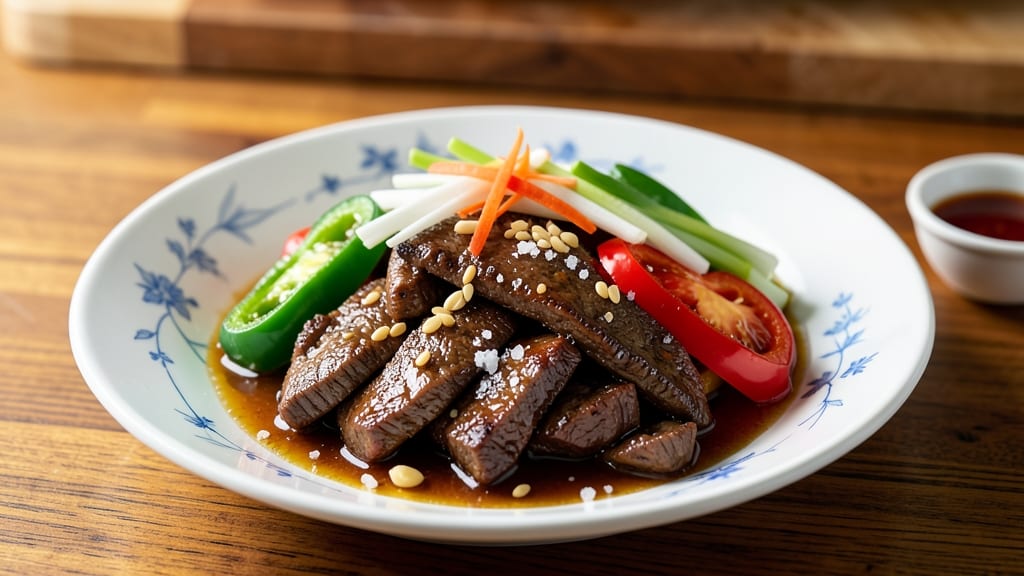
This Asian beef stir-fry sauce recipe delivers the perfect balance of umami depth and glossy richness that elevates any stir-fry from ordinary to extraordinary. The secret lies in combining traditional soy and oyster sauces with a touch of rice vinegar for brightness, creating a sauce that's both complex and foolproof.
I developed this recipe after years of testing—it's the one that finally makes restaurant-quality stir-fry possible at home, with just a few pantry staples.
The foundation of this sauce is simple yet powerful: soy sauce for saltiness, oyster sauce for umami, and a hint of honey to balance the flavors with subtle sweetness.
Fresh garlic and ginger add aromatic depth, while a splash of rice vinegar introduces the hidden acidity that prevents the sauce from becoming flat. What makes it truly special is how these ingredients work together to create a glossy, clingy glaze that coats every bite of beef perfectly.
What you'll end up with is a versatile sauce that's rich yet balanced, with just the right amount of tang and sweetness to complement tender beef and crisp vegetables.
It's designed to be made ahead—flavors deepen as it sits—and reheats beautifully, making it perfect for meal prep or spontaneous weeknight cooking. The sauce's natural stickiness ensures it clings to your stir-fry ingredients, creating that signature restaurant-quality shine.
This recipe works equally well with quick weeknight stir-fries or as a marinade for beef before cooking. The optional chili paste adds heat, while a splash of sesame oil introduces nutty richness.
Store it in the fridge for up to two weeks, or freeze for longer storage—it's that good you'll want to make extra. Let's get started on this game-changing sauce!
Ingredients for asian beef stir fry sauce
Nine essential ingredients transform into a restaurant-quality stir-fry sauce with umami depth and glossy richness.
| Ingredient | Amount | Notes |
|---|---|---|
| Soy Sauce 🥄 | ½ cup | Light or dark preferred |
| Oyster Sauce 🦪 | ⅓ cup | High-quality, thick consistency |
| Rice Vinegar 🍶 | 2 tbsp | Seasoned preferred for depth |
| Honey 🍯 | 2 tbsp | Pure, mild variety |
| Fresh Garlic Cloves 🧄 | 4 cloves | Minced for aromatic depth |
| Fresh Ginger 🌿 | 2 tbsp | Finely grated, peeled |
| Sesame Oil 🫒 | 1 tbsp | Toasted for nutty aroma |
| Chili Paste 🌶️ | 1 tbsp | Optional, for heat |
| Cornstarch 🌾 | 1 tsp | For thickening glaze |
| Water 💧 | 2 tbsp | For cornstarch slurry |
The foundation begins with soy sauce and oyster sauce—these are non-negotiable for authentic umami. Kikkoman soy sauce or Lee Kum Kee oyster sauce deliver consistent quality, but any reputable brand works. Fresh garlic and ginger are critical for aromatic depth; peeled and grated ginger (not powdered) adds complexity. For rice vinegar, seasoned varieties from Mushroom or Red Boat add subtle sweetness without extra sugar. Honey should be pure and mild—Manuka or clover honey both work beautifully. Store-bought sesame oil from Trader Joe's or Costco provides reliable toasted flavor without the expense of specialty bottles.
No oyster sauce? Vegetable broth reduced by half mimics umami, though texture will differ slightly. Substitute honey with maple syrup or agave nectar for vegan options. Fresh garlic or ginger unavailable? Garlic powder (1 tsp) and ground ginger (½ tsp) suffice in a pinch, though fresh is preferred. For heat, sriracha or sambal oelek can replace chili paste at a 1:1 ratio. The cornstarch slurry is key—Diamond Crystal cornstarch dissolves more smoothly than other brands. Avoid instant rice flour, which can leave a gritty texture. For extra richness, add 1 tsp of miso paste to the sauce base, though it alters the flavor profile noticeably.
This sauce thickens as it cools, so stir well before reheating. Store in an airtight glass jar in the fridge for up to two weeks, or freeze for three months in ice cube trays for single-use portions. The glaze becomes more vibrant after 24 hours, so plan ahead for optimal flavor. For meal prep, double the recipe—leftover sauce reheats beautifully and works perfectly on grilled chicken, tofu, or noodles. Always keep the jar sealed tightly to prevent absorption of fridge odors, which can alter the delicate balance of flavors.
Why You'll Love This Recipe
- Pantry Magic: I swear by this sauce because it lives in my fridge—no extra shopping trips. Just soy, oyster, and a splash of vinegar, plus honey to cut the edge. The garlic? One clove, minced in 30 seconds. That’s it.
- Umami Bomb: The oyster sauce alone makes this sauce sing, but the honey and vinegar balance it like a perfect harmony. Sweet, salty, tangy—it clings to beef like glue, turning tough cuts into something restaurant-worthy.
- Weeknight Superstar: This sauce works for takeout nights, lazy breakfasts, or when I’m scrambling to feed a crowd. Dump it on stir-fried beef, toss it with noodles, or drizzle it over rice. Even my picky teen doesn’t complain.
- Budget Cheat Code: A few tablespoons of this sauce stretch a pound of beef into two meals. Store leftovers in the fridge, and it keeps for weeks—no waste, just flavor. Honestly, it’s the reason I stopped ordering takeout.
Step-by-step instructions for Asian beef stir fry sauce
This sauce delivers restaurant-quality depth with balanced sweet, salty, and tangy notes—here's how to make it.
Bloom Aromatics in Sesame Oil
Heat a small saucepan over medium-low heat and add the 1 tablespoon sesame oil. Let it warm for 30 seconds until fragrant—you'll smell that nutty, toasted aroma develop. This step unlocks the oil's full flavor before adding other ingredients.
Add the 4 minced fresh garlic cloves and 2 tablespoons finely grated fresh ginger. Sauté for 1-2 minutes until the garlic turns light golden and the ginger loses its raw bite. Watch carefully—garlic burns quickly. Remove from heat immediately after the aromatics are fragrant but not colored.
Combine Base Sauces and Sweeteners
Return the pan to medium heat and add the 0.5 cup soy sauce, 0.33 cup oyster sauce, 2 tablespoons rice vinegar, and 2 tablespoons honey. Stir constantly for 3-4 minutes until the mixture begins to simmer gently. The vinegar will create subtle bubbles as it integrates with the other flavors.
Add the 1 tablespoon chili paste (if using) and stir for another 30 seconds until fully dissolved. The sauce should now be a rich, glossy liquid with a deep umami aroma. Taste at this stage—you'll notice the balance of salty, sweet, and tangy notes coming together.
Thicken the Sauce with Cornstarch Slurry
In a small bowl, whisk together the 1 teaspoon cornstarch and 2 tablespoons water until completely dissolved. This creates a smooth slurry that will thicken your sauce without clumping. Return the slurry to the saucepan and stir vigorously for 1-2 minutes over medium heat.
The sauce will begin to thicken noticeably as it reaches 195-200°F—you'll see it coat the back of a spoon and leave a slight trail when you run your finger through it. Remove from heat immediately once it reaches this consistency. Overcooking will make it gluey rather than glossy.
Finish and Test for Perfection
Let the sauce rest for 5 minutes off the heat. This allows the cornstarch to fully set and the flavors to meld completely. Give it a final taste and adjust seasoning if needed—add a pinch more soy sauce for saltiness, honey for sweetness, or rice vinegar for tang.
The finished sauce should be glossy, thick enough to coat the back of a spoon, and balance all five flavors: sweet from honey, salty from soy/oyster sauces, tangy from vinegar, umami from oyster sauce, and subtle heat from chili paste. Use immediately over stir-fried beef or store in an airtight container in the refrigerator for up to 1 week.
Pro Tips For Making Asian Beef Stir Fry Sauce
- MINCE THAT GARLIC: I used to crush garlic cloves flat in the pan—turns out, mincing it small and letting it bloom in the oil for 30 seconds is what actually infuses the sauce with real flavor. (Yes, even if you’re impatient like me.)
- SALT THE SOY SAUCE: Skip adding soy sauce straight to the pan—mix it with a splash of water first (1 tbsp soy to 1 tbsp water). This thins it just enough to coat the beef evenly without making the sauce gloppy. (Your stir-fry will thank you.)
- LOW AND SLOW ON HONEY: Dumping honey in at the end? That’s how you end up with a burnt, bitter sauce. Simmer the sauce without the beef for 2 minutes first, then stir in honey and let it melt gently off the heat. (I learned this after one very charred disaster.)
- DILUTE THE OYSTER SAUCE: Oyster sauce is thick—thin it with 1 tsp rice vinegar before adding it to the pan. This keeps the sauce light and glossy instead of clinging in clumps. (Trust me, it makes all the difference when tossing with beef.)
Regional styles of this recipe
Japanese Teriyaki Style
Transform this sauce into a Japanese teriyaki-inspired glaze by swapping the oyster sauce for an equal amount of mirin and adding 1 tablespoon sake to the base. Replace the honey with 1 tablespoon brown sugar for deeper caramel notes.
Simmer the sauce for an extra 2-3 minutes to develop that signature glossy sheen. Serve over grilled beef slices or drizzle generously on yaki soba noodles for a restaurant-worthy finish. 🍜
Thai-Inspired Chili Sauce
For a Thai-inspired kick, replace the rice vinegar with 1 tablespoon lime juice and add 1 tablespoon fish sauce (or soy sauce for vegetarian). Increase the chili paste to 2 tablespoons and add 1 teaspoon grated palm sugar or white sugar.
Finish with ½ teaspoon shrimp paste (optional but adds depth) and a splash of Thai basil at the end. This version pairs perfectly with beef larb or satay skewers. 🌶️
Korean Gochujang Twist
Give it a Korean-inspired heat by replacing the chili paste with 2 tablespoons gochujang (Korean chili paste) and adding 1 tablespoon fermented soybean paste (doenjang). Swap the honey for 1 tablespoon brown sugar and add 1 teaspoon toasted sesame seeds at the end.
This rich, fermented version works beautifully with bulgogi beef or kimchi fried rice. The gochujang adds a fruity, smoky depth that elevates the sauce to new heights. 🔥
Vietnamese Nuoc Cham Fusion
Create a Vietnamese-inspired fusion by replacing the soy sauce with 2 tablespoons fish sauce and adding 1 tablespoon lime juice and 1 teaspoon sugar. Reduce the honey to 1 teaspoon and add ½ teaspoon black pepper.
This lighter, tangier sauce pairs perfectly with grilled beef (bo luc lac) or fresh spring rolls. The balance of sweet, salty, and umami makes it a versatile glaze for both beef and seafood. 🍋
Chinese Five-Spice Glaze
For a Chinese-inspired twist, add ½ teaspoon five-spice powder to the base and replace the honey with 1 tablespoon rock sugar (or brown sugar). Add 1 star anise pod while simmering and remove it before thickening.
This aromatic version complements braised beef (red-cooked) or Peking duck. The five-spice blend adds warm, earthy notes that contrast beautifully with the sauce's richness. ✨
Sweet and Sour Fusion
Turn this into a sweet and sour glaze by doubling the rice vinegar to 4 tablespoons and adding 2 tablespoons pineapple juice (or mango puree). Replace the honey with 1 tablespoon maple syrup and add ½ teaspoon grated ginger.
This bright, fruity version works wonderfully with crispy beef bites or pineapple beef skewers. The tangy-sweet balance makes it a crowd-pleaser for summer grilling. 🍍
Nutrition facts
Frequently asked questions
Can I make this sauce without oyster sauce?
Replace the ⅓ cup oyster sauce with ⅓ cup reduced vegetable broth for umami depth or 2 tablespoons soy sauce plus 1 tablespoon hoisin sauce for a similar rich flavor. The texture will be slightly lighter, but the taste remains balanced. For extra richness, add 1 teaspoon miso paste to the base—it adds fermented complexity.
How do I adjust the heat level?
The recipe includes 1 tablespoon chili paste for subtle heat, but you can easily customize it. For more spice, add ½ teaspoon red pepper flakes or 1 teaspoon sriracha to the finished sauce. For a milder version, reduce the chili paste to ½ tablespoon or omit it entirely. Always taste as you go—heat builds gradually!
Can I use this sauce for other proteins besides beef?
This versatile sauce works beautifully with chicken, shrimp, tofu, or pork. For seafood, reduce the soy sauce slightly (¼ cup) to avoid overpowering delicate flavors. With tofu, add 1 extra tablespoon sesame oil to the sauce for better adhesion. The glossy texture clings to all proteins equally—perfect for stir-fries, grilled skewers, or even as a marinade.
Why did my sauce turn out too thick/thin?
If your sauce is too thick, thin it with 1 teaspoon warm water at a time while stirring constantly. For thin sauce, simmer uncovered for 1-2 extra minutes to evaporate excess liquid. The ideal consistency coats the back of a spoon but remains pourable. Pro tip: Use a wire whisk to avoid clumping when adjusting thickness.
How long can I store this sauce?
Store in an airtight glass jar in the fridge for up to 2 weeks. For longer storage, freeze in ice cube trays (thaw quickly in the microwave) or a sealed container for 3 months. Flavor actually improves after 24 hours**—the cornstarch sets properly and ingredients meld. Always let it come to room temperature before reheating to prevent condensation.