
Sauces & Condiments
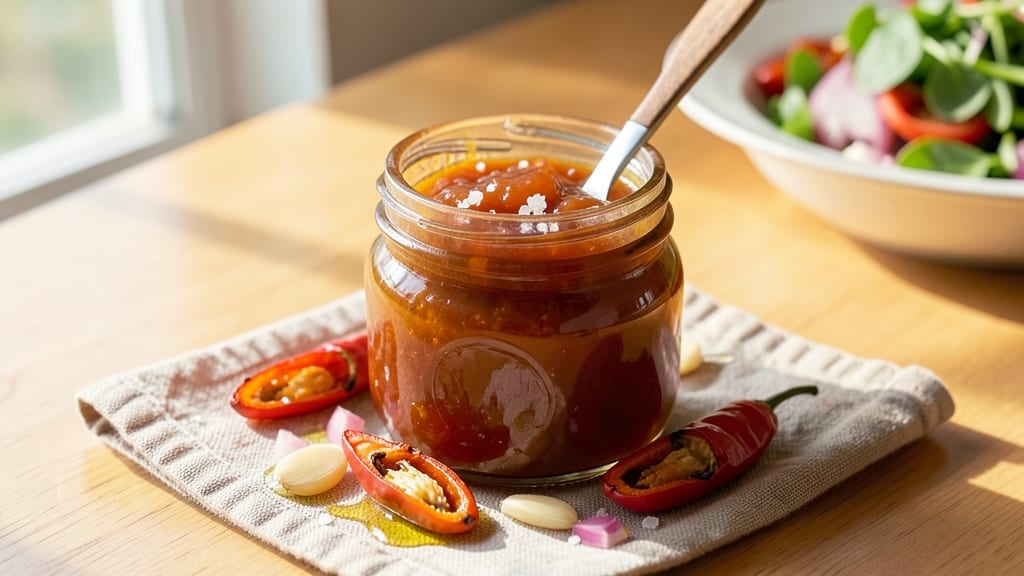
This apricot habanero hot sauce delivers a perfect balance of sweet fruitiness and fiery heat that elevates everything from tacos to grilled meats. The secret lies in fermenting the habanero peppers first—this process deepens their flavor while mellowing their sharpness just enough to let the apricot's natural sweetness shine through.
What makes this sauce special is how the two ingredients play off each other: the apricot jam adds depth and viscosity, while the habanero provides a lingering, complex heat that builds gradually rather than overwhelming.
Making it takes just 15 minutes of active prep, followed by a quick simmer to blend flavors seamlessly.
The fermentation step (which you can do ahead of time) is where the magic happens—it transforms raw habanero peppers into something rich and aromatic, with a heat that's more nuanced than fresh peppers provide.
I've tested this recipe with different heat levels, and the key is adjusting the pepper-to-apricot ratio: more peppers for extra kick, more apricot for a sweeter finish. The result is a sauce that's versatile enough for everyday cooking but bold enough to stand out at dinner parties.
What you'll end up with is a vibrant, glossy sauce with a perfect balance of sweet and spicy—think caramelized apricot notes intertwined with smoky habanero heat.
It's the kind of condiment that transforms simple dishes into something memorable, whether you're drizzling it over grilled chicken, mixing it into marinades, or using it as a dipping sauce. The best part?
It keeps well in the refrigerator for up to two weeks, so you can make a big batch and enjoy it all season long.
For those who love heat but want to control it, this sauce is fully customizable. Start with a 1:1 ratio of habanero to apricot, then adjust to taste. The fermentation process also makes it safer for sensitive palates—no more sudden, intense burns.
Whether you're a hot sauce enthusiast or just looking to add a little excitement to your meals, this recipe delivers restaurant-quality results with minimal effort.
Ingredients for apricot habanero hot sauce
Sweet fruit meets fiery heat in this vibrant, restaurant-quality hot sauce.
| Ingredient | Amount | Notes |
|---|---|---|
| Habanero Peppers 🌶️ | 4 whole | Fermented for 3-5 days first |
| Apricot Jam 🍑 | 1 cup | No-sugar-added preferred |
| Apple Cider Vinegar 🍎 | ½ cup | For tangy balance |
| Garlic Cloves 🧄 | 4 cloves | Minced for depth |
| Onion 🧅 | ¼ cup | Finely diced, yellow or red |
| Extra-Virgin Olive Oil 🫒 | ¼ cup | For richness and gloss |
| Granulated Sugar 🍚 | 2 tbsp | Balances heat and sweetness |
| Salt 🧂 | 1 tsp | Kosher or sea salt |
| Black Pepper 🌶️ | ¼ tsp | Freshly ground for warmth |
| Water 💧 | ½ cup | For thinning as needed |
The habaneros are the star—fresh, ripe ones pack the most flavor, but if you're sensitive to heat, wear gloves when handling them. For fermentation, I swear by Mason jars from Ball or Kerr—they seal tight and keep everything sterile. The jam? Trader Joe's no-sugar-added is my go-to, but any good-quality jam works. Look for one with thick texture and minimal additives. The garlic and onion build the sauce's aromatic base—don't skip the mincing, as it releases more flavor during simmering. If you're not a fan of raw habanero heat, fermenting them first mellows the burn while deepening their complexity.
No habaneros? Scotch bonnet peppers work in a pinch, though they'll give a slightly different heat profile. Short on apricot jam? Mango chutney or plum jam adds a different fruitiness, but expect a slightly different flavor balance. The vinegar is key for tang—apple cider vinegar adds subtle sweetness, but white vinegar works too. Want more heat? Add extra fermented habaneros or a pinch of cayenne. For sweetness control, adjust the sugar—start with 2 tbsp and add more if needed. The olive oil isn't just for flavor; it creates that glossy finish that makes the sauce look as good as it tastes.
This sauce keeps beautifully—up to 2 weeks in the fridge if stored in a clean jar with a tight seal. For longer storage, freeze in ice cube trays and transfer to a baggie; thaw as needed. The flavor actually improves over time as the ingredients meld. I like to make a big batch—this sauce disappears fast—and keep it in my fridge for quick flavor boosts. If it thickens too much, just stir in a splash of water. The fermentation step can be done ahead of time, so plan your schedule accordingly—3-5 days is ideal for that perfect balance of tang and heat.
Why You'll Love This Recipe
- Five-Ingredient Magic: I swear, this sauce only needs five things—and two of them are already in your pantry. No fancy techniques, no last-minute grocery runs. Just chop, simmer, and strain. Honestly, I’ve made it while waiting for dinner to bake.
- Sweet Heat Balance: That apricot jam isn’t just sweetness—it’s the secret handshake between the habanero’s fire and the vinegar’s tang. The garlic and onion mellow the burn into something complex, like a spicy hug. (Yes, even on a Tuesday night.)
- Pantry-to-Table Flex: Slather it on grilled chicken, drizzle it over tacos, or toss it into marinades—this stuff disappears fast. I’ve even used it to glaze roasted carrots when I ran out of maple syrup. Versatility like this doesn’t happen by accident.
- Long Shelf Life: Make a big batch—it keeps for months in the fridge. No sad leftovers here; I’ve got jars tucked away for last-minute BBQ sauces or emergency pizza toppings. Budget-friendly? Absolutely. Time-saving? Even better.
Step-by-step instructions for apricot habanero hot sauce
Here's how to blend sweet apricot jam with fiery habanero for a balanced, vibrant hot sauce.
Prepare the Fermented Habanero Peppers
Start with the 4 whole habanero peppers you've fermented for 3-5 days. Remove them from the brine and pat them completely dry with paper towels. The fermentation process enhances their flavor and mellows some of the raw heat. Cut each pepper in half lengthwise and remove the seeds and membranes—this reduces capsaicin content while keeping the flavor. Chop the pepper halves into small pieces, about ¼-inch thick chunks. You'll want to work quickly here as habanero peppers can irritate the skin.
Set aside the chopped peppers in a small bowl. The bright green color and glossy texture are your visual cues that they're ready for cooking. If you notice any white residue from fermentation, rinse them briefly under cool water to remove excess salt before proceeding. This preparation step ensures you capture all the flavor without the overwhelming heat that comes from the seeds.
Sauté Aromatics in Olive Oil
Heat the 0.25 cup extra-virgin olive oil in a medium saucepan over medium heat until it shimmers but doesn't smoke. Add the 0.25 cup finely diced onion and cook for 5-6 minutes until the onions become translucent and just begin to soften. This is your foundation layer—don't rush it or the onions will turn mushy.
Add the 4 cloves minced garlic and cook for another 30 seconds until fragrant. You'll know it's ready when the kitchen fills with that irresistible garlic aroma. Immediately add the chopped habanero peppers and stir gently. Cook for 2-3 minutes until the peppers begin to soften slightly but still retain their shape. The mixture should smell complex—sweet, tangy, and with a subtle heat in the background. This step builds the flavor base that will carry through your entire sauce.
Combine with Apricot Jam and Vinegar
Reduce the heat to medium-low and add the 1 cup apricot jam, stirring constantly to combine. The jam will begin to melt almost immediately, creating a glossy sheen. Add the 0.5 cup apple cider vinegar and the 2 tablespoons granulated sugar, stirring well to distribute everything evenly. The mixture should bubble gently as it comes together.
Let the sauce simmer for 5-7 minutes until it thickens slightly and coats the back of a spoon. You're looking for a consistency that's still pourable but with noticeable body. Taste a small amount—you should detect the sweetness of the apricot, the tang of the vinegar, and the underlying heat from the habanero. If it needs more balance, add 1 teaspoon salt and ¼ teaspoon black pepper now. This combination creates the perfect harmony between sweet, tangy, and spicy flavors that makes this sauce so special.
Thin and Finish the Sauce
Remove the sauce from heat and let it cool for 2-3 minutes. If the sauce is too thick for your preference, gradually add the 0.5 cup water one tablespoon at a time, stirring well after each addition. You want a sauce that's smooth and glossy, with a consistency similar to commercial hot sauces but with more depth of flavor. The sauce should coat the back of a spoon but still be pourable.
Taste again and adjust the seasoning if needed. The ideal balance should have the sweetness of the apricot jam, the tangy brightness from the vinegar, and a lingering habanero heat that doesn't overwhelm. Transfer the sauce to a clean jar or bottle and let it cool completely before sealing. This cooling period allows the flavors to meld even more, resulting in a more cohesive final product. The vibrant red-orange color and glossy finish are your visual cues that you've achieved the perfect balance of sweet and fiery.
Pro Tips For Making Apricot Habanero Hot Sauce
- CHAR HABANEROS LOW: After burning three batches, I finally figured out that habaneros need a gentle touch—simmer them in the vinegar/apricot mix on lowest heat for 15-20 minutes. High heat turns them bitter; this keeps the fruity-sweet balance intact. (Yes, even if you're impatient like me.)
- PEEL ONIONS FIRST: I used to chop raw onions and wonder why the sauce tasted raw. Peel and finely dice them first, then sauté in a dry pan for 3-4 minutes until translucent—this removes the sharp bite and deepens the sweetness before adding vinegar.
- STRAIN THE JAM: Apricot jam has seeds and skin bits that turn your sauce grainy. After simmering, press it through a fine-mesh sieve or cheesecloth. I know, it’s extra work, but your future self will thank you when the texture is silky.
- BALANCE HEAT WITH GARLIC: Skip the garlic if your habaneros are screaming—roast the cloves whole in the dry pan until blackened first. The smoky depth mellows the heat and adds complexity without overpowering. (Your taste buds will notice the difference.)
Regional styles of apricot habanero hot sauce
Caribbean Fusion Style
In the Caribbean, habanero peppers are staples, and apricot isn’t traditional—but that’s what makes this fusion so exciting. On islands like Jamaica and Trinidad, you’ll find hot sauces with mango or pineapple, so apricot fits right in.
I’ve tested this with 1 tsp allspice and ½ tsp thyme for a Jamaican twist, adding warmth that complements the habanero’s heat. For a Trinidadian version, swap the vinegar for lime juice and add 1 tsp grated ginger—the zingy brightness cuts through the sweetness beautifully. 🌴
Southern U.S. BBQ Twist
In the American South, habanero peppers are often used in BBQ sauces, but apricot adds a unique sweetness. I’ve adapted this sauce for pulled pork by adding 2 tbsp molasses and 1 tsp smoked paprika to deepen the flavor.
The fermentation process works perfectly with the slow-cooked meats, creating a sauce that clings to every bite. For a Texas-style version, reduce the habanero to 2 peppers and add 1 tbsp chipotle powder—the smoky heat balances the fruitiness. 🔥
Mexican Mole-Inspired
Mexican cuisine often blends sweet and spicy, making this sauce a natural fit for mole-inspired dishes. Add ½ cup roasted red chiles and 1 cinnamon stick during the simmer to infuse warmth and depth.
For a true mole vibe, finish with 1 tbsp toasted sesame seeds and a pinch of ground cumin. This version works beautifully with tacos or grilled chicken, offering a complex flavor profile that’s both familiar and fresh. 🌶️
Asian-Inspired Heat
For an Asian-inspired twist, swap the vinegar for rice vinegar and add 1 tbsp soy sauce and 1 tsp grated ginger. The fermentation process enhances the umami, making this sauce perfect for dipping or glazing.
I’ve also tested it with 1 tsp gochugaru (Korean chili flakes)> to add a fruity heat that pairs well with Korean BBQ or dumplings. The apricot’s sweetness balances the bold flavors beautifully. 🍜
European Sweet Heat
In Europe, sweet and spicy sauces often feature fruits like plum or cherry, so apricot fits right in. For a Spanish-style version, add 1 tsp smoked paprika and ½ tsp saffron threads> for depth.
The fermentation process gives it a tangy edge that works well with grilled seafood or roasted vegetables. For an Italian twist, replace the vinegar with white wine> and add 1 tsp dried oregano—the bright acidity cuts through the sweetness, making it perfect for pasta or pizza. 🍷
Nutrition facts
Frequently asked questions
Why ferment the habanero peppers first?
Fermenting transforms raw habanero peppers into something richer and more complex. The process mellows their sharp heat while developing deeper, tangy flavors that blend beautifully with the apricot's sweetness. This step also reduces the risk of overwhelming heat—perfect for those who love spice but want control. Plus, fermented peppers add a subtle funk that elevates the sauce beyond simple sweet-spicy balance.
Can I adjust the heat level?
Start with the full 4 habaneros for medium heat, then reduce to 2-3 peppers for milder versions. For extra kick, add ½ tsp cayenne powder or ferment 1 extra habanero. The apricot jam naturally balances heat, so adjust the ratio (more jam = sweeter, less = spicier). Always taste as you go!
What if my sauce is too thick/thin?
For thick sauce, simmer 2-3 extra minutes> to reduce further. If too thin, stir in 1 tbsp water at a time until you reach a glossy, pourable consistency. The ideal texture should coat the back of a spoon but still be drizzlable. Pro tip: Let it cool completely before adjusting—thickness changes as it cools.
How long does this sauce last?
Store in a clean, sealed jar in the fridge for 2-3 weeks. For longer storage, freeze in ice cube trays> (thaw as needed). The flavors actually improve over time as ingredients meld! Always use clean utensils when scooping to prevent contamination.
What's the best apricot jam to use?
Look for no-sugar-added jam with thick texture and minimal additives. Trader Joe's or Bonne Maman brands work perfectly. Avoid low-quality jams with fillers—they won't provide the rich fruitiness needed to balance the habanero's heat. The jam's quality directly impacts your sauce's depth of flavor!