
Sauces & Condiments
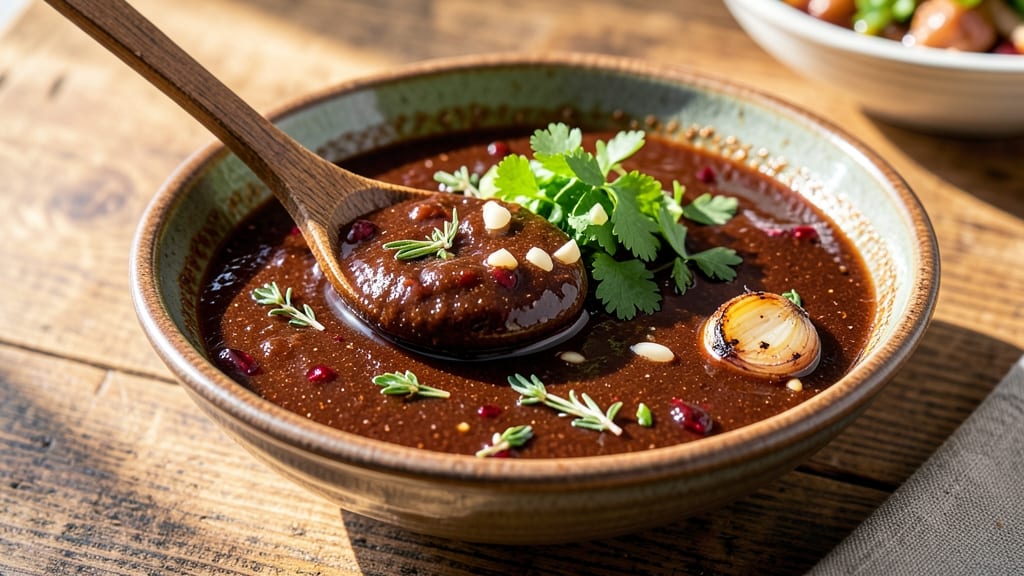
This au jus dipping sauce transforms simple pan drippings into a rich, herb-infused sauce that elevates everything from roasted meats to crispy fries. The secret lies in reducing beef stock, wine, and aromatics into a velvety glaze that clings beautifully to foods.
I perfected this recipe after realizing how much flavor gets wasted when discarding pan juices—now, every drop becomes a flavorful sauce.
The process is straightforward but requires patience: simmering the liquid until it thickens into a glossy, savory-sweet reduction. A splash of red wine adds depth, while fresh herbs like thyme and parsley brighten the final product.
This sauce works as a dipping sauce for roasted potatoes, a glaze for grilled meats, or even a finishing touch for steak sandwiches.
What makes this recipe stand out is its versatility—it pairs perfectly with hearty dishes while remaining simple enough for weeknight meals. The sauce keeps well in the fridge for up to 5 days, making it ideal for meal prep.
Whether you're serving it as a dipping sauce or a finishing touch, the rich, umami-packed flavor will leave everyone asking for seconds.
For best results, use high-quality beef stock and let the sauce reduce slowly to concentrate the flavors. A quick stir with a whisk ensures a smooth, glossy finish. Here’s how to make it—every drop of flavor counts.
Ingredients for au jus dipping sauce
Nine simple components elevate pan drippings into a restaurant-quality au jus sauce.
| Ingredient | Amount | Notes |
|---|---|---|
| Beef Stock 🍲 | 2 cups | High-quality, homemade or store-bought |
| Red Wine 🍷 | ½ cup | Bold, dry variety like Cabernet Sauvignon |
| Fresh Thyme Leaves 🌿 | 1 tbsp | Or 1 tsp dried thyme if fresh unavailable |
| Fresh Parsley Leaves 🌿 | ¼ cup | Chopped, for bright freshness |
| Garlic Cloves 🧄 | 2 cloves | Minced, for aromatic depth |
| Pan Drippings 🥩 | 1 cup | From roasted meats, strained |
| Balsamic Vinegar 🍶 | 1 tbsp | For subtle sweetness and tang |
| Unsalted Butter 🧈 | 1 tbsp | Full-fat for richness |
| Kosher Salt 🧂 | ½ tsp | Adjust to taste |
| Black Peppercorns 🌶️ | ¼ tsp | Freshly cracked for heat |
The beef stock is non-negotiable—homemade stock delivers the deepest flavor, but high-quality store-bought like Kirkland Signature or Pacific Foods works perfectly. For the red wine, bold, dry varieties like Cabernet Sauvignon or Merlot add complexity, while cheaper wines can taste harsh. Fresh thyme and parsley should be bright green and fragrant—wilted herbs mean diminished flavor. If using dried, measure sparingly—it's more potent. The pan drippings are the soul of this sauce, so strain them well to remove any bits that could make the sauce gritty. Costco or Whole Foods often carry excellent pre-made stocks if you're short on time.
No red wine? Substitute with extra beef broth—just add 1 tsp balsamic vinegar for depth. Fresh herbs unavailable? Dried thyme and parsley work, but use one-third the amount. For a richer sauce, add 1 tsp Dijon mustard or 1 tsp Worcestershire sauce (ensure it's vegetarian if needed). The butter should be full-fat—low-fat versions won’t emulsify as well. If you’re making this ahead, reduce the butter to 0.5 tbsp and add it at the end to prevent separation. Trader Joe’s often has affordable, high-quality balsamic vinegar in their Italian section, and Penzeys is a great source for fresh herbs if your grocery store lacks them.
This sauce thickens as it cools, so stir well before serving—it should coat the back of a spoon but still be pourable. Store in an airtight container in the fridge for up to 5 days, or freeze for 3 months. For meal prep, portion into small jars—perfect for dipping, drizzling, or reheating. To reheat, gentle warmth on the stove is best; avoid microwaving, as it can make the sauce grainy. Garnish with extra parsley just before serving to keep it vibrant.
Why You'll Love This Recipe
- Pan-Friendly Magic: I swear by this recipe when I’m too wiped to measure anything complicated. Simmer stock, wine, and a couple crushed garlic cloves—no blender, no fuss. The thyme and parsley wilt right in, so you’re not stuck with extra cleanup. (Yes, even on a Tuesday night.)
- Rich Without Effort: That first sip of wine cutting through the beef stock? It’s like a little flavor bomb. The garlic adds heat, but the herbs soften it into something sophisticated—no fancy techniques, just pure taste. My husband dips his fries in it before they even hit the plate.
- Game for Any Meal: This sauce is my secret weapon for potlucks, game days, or lazy Sundays. Slather it on grilled steak, use it to moisten dry chicken, or just drink it straight from the bowl. Honestly, I’ve even drizzled it over mashed potatoes when I’m feeling wild.
- Pantry Goldmine: A bottle of wine and a bouillon cube are all you really need—everything else is just flavor insurance. The leftovers keep for days in the fridge, and I’ve frozen batches for months. Budget-friendly? Absolutely. Worth the hype? Even more.
Step-by-step instructions for pan-roasted meat fond with herbs
Transform simple pan drippings into a rich, aromatic au jus that elevates every bite.
Deglaze the Pan for Maximum Flavor
Place your used roasting pan over medium-high heat on the stovetop. Immediately add the 1 cup pan drippings, scraping up all the browned meat bits with a wooden spoon. These fond bits contain concentrated meat flavor that forms the base of your sauce. Let the mixture simmer for 2-3 minutes until it reduces slightly and deepens in color.
Here's the thing—don't rush this step. You'll see the liquid bubble and reduce, leaving behind a rich, caramelized layer. This is where the magic happens. If the pan starts to smoke, reduce the heat slightly to prevent burning while still allowing the fond to develop properly.
Build the Sauce Foundation
Add the 2 cups beef stock and 0.5 cup red wine to the pan, scraping up any remaining browned bits from the bottom. Bring the mixture to a gentle boil, then immediately reduce heat to medium-low and let it simmer uncovered for 8-10 minutes until the liquid reduces by about one-third.
You're looking for a sauce that coats the back of a spoon but isn't overly thick. This reduction process intensifies the flavors and creates the perfect consistency for dipping. Stir occasionally, but avoid constant stirring which can prevent the fond from developing properly. The sauce should smell deeply aromatic with notes of meat and wine.
Incorporate Aromatics and Herbs
Add the 2 minced garlic cloves, 1 tbsp fresh thyme leaves, and 0.5 tsp kosher salt to the simmering sauce. Let it cook for an additional 3-4 minutes until the garlic is fragrant but not browned. The thyme will release its earthy aroma, adding depth to the sauce.
Next, stir in the 1 tbsp unsalted butter and 1 tbsp balsamic vinegar. The butter adds richness while the balsamic vinegar introduces a subtle sweetness that balances the acidity. Let the sauce simmer for another 2 minutes to allow all the flavors to meld together. The mixture should be smooth and well-combined at this point.
Finish with Fresh Herbs and Season
Remove the pan from heat and stir in the 0.25 cup chopped fresh parsley leaves and 0.25 tsp freshly cracked black peppercorns. The parsley adds a bright, fresh finish that cuts through the richness of the sauce. Taste and adjust the seasoning if needed—you might need a touch more salt depending on how salty your pan drippings were.
Let the sauce rest for 5 minutes before serving. This resting period allows the flavors to fully develop and the sauce to reach its optimal consistency. The au jus should be rich, velvety, and deeply flavorful—perfect for dipping roasted meats, drizzling over potatoes, or serving as a sauce companion.
Strain and Serve Warm
For a completely smooth sauce, strain the au jus through a fine-mesh sieve into a clean saucepan. Return it to low heat and keep it warm until serving. The straining removes any herb stems or sediment, giving you a silky texture that's ideal for dipping.
Serve the au jus immediately alongside your roasted meats. Its rich, herby depth will complement the savory flavors perfectly. If you have leftovers, store them in an airtight container in the refrigerator for up to 3 days, or freeze for up to 3 months. Reheat gently over low heat, adding a splash of water or stock if the sauce thickens too much.
Pro Tips For Making Au Jus Dipping Sauce
- Simmer Slow and Low: I learned this the hard way—boiling your au jus turns it into a sad, alcohol-free broth. Keep the heat at a gentle simmer (tiny bubbles, not rolling) so the wine’s depth and the stock’s richness stay intact. If you rush it, you’ll end up with something that tastes more like watered-down beef tea.
- Toast the Garlic First: This isn’t the prettiest method, but it’s the tastiest. Lightly crush the garlic cloves and dry-toast them in a cold pan over medium heat for 30 seconds until fragrant but not browned. Toss them into the simmering sauce—this adds a nutty depth that raw garlic just can’t match.
- Strain the Herbs Twice: Skip the Crowding. If you leave the thyme stems in too long, they’ll turn the sauce bitter. Strain the mixture through a fine-mesh sieve, then give it a second pass with a slotted spoon to remove any lingering herb bits. Your sauce will look cleaner and taste brighter.
- Deglaze with Wine Early: Resist the urge to add the red wine at the end—it’ll just evaporate. Pour it in right after the garlic and let it bubble for 30 seconds to release those caramelized flavors. This locks in the alcohol’s punch and builds a richer base for the stock to join. (Yes, even if you’re impatient like me.)
Regional styles of these flavors
Classic French Au Jus
The French mastered au jus as a simple yet elegant sauce for roasted meats. Their version typically uses red wine, beef stock, and bone marrow for ultra-rich depth. I love adding a pinch of sugar at the end to balance the acidity from the wine.
The French often serve it with coq au vin or roast beef, where the sauce soaks into the crusty bread for dipping. 🥖
Southern US Style
In the American South, au jus often gets a smoky twist using barbecue sauce or hot sauce for heat. I've seen versions with bourbon instead of wine, giving it a warm, caramelized note. It pairs perfectly with pulled pork sandwiches or fried chicken.
Some Southern cooks even add a splash of apple cider vinegar for tang. This style is heartier and more robust than the French version.
Italian-Inspired Reductions
Italian chefs create a similar sauce called sugo di carne, often using tomato paste and rosemary instead of thyme. The Italians might add Parmesan cheese at the end for a nutty finish. I've adapted this by using San Marzano tomatoes for a sweeter, fruitier base.
It works wonderfully with grilled sausages or roasted lamb. The acidity from the tomatoes brightens the rich meat flavors beautifully.
German-Inspired Bratwurst Sauce
German-style au jus often includes mustard and caramelized onions for a sweet-savory profile. This version pairs perfectly with bratwurst or sausage platters. I like adding a dash of beer (like Weissbier) to the reduction for a malty depth.
The Germans also love serving it with pretzels for dipping. This style is more robust and slightly sweeter than traditional au jus.
Modern Fusion Variations
For a contemporary twist, I've experimented with umami bombs like miso paste or fish sauce in the reduction. A splash of soy sauce adds depth, while lime juice brightens the finish. This fusion style works well with Asian-inspired dishes like teriyaki-glazed meats or satay skewers.
The key is balancing the bold flavors with the rich, meaty base of the au jus. 🌶️
Vegetarian Adaptations
For a plant-based version, swap beef stock for mushroom stock and use vegetable drippings from roasted mushrooms or onions. I add smoked paprika and liquid smoke for a meaty depth.
This vegetarian au jus pairs beautifully with portobello mushrooms or grilled eggplant. It’s surprisingly rich and satisfying, proving you don’t need meat for a flavorful sauce. 🌱
Nutrition facts
Frequently asked questions
Can I make this au jus without red wine?
Swap the 0.5 cup red wine with an equal amount of beef stock and add 1 tsp balsamic vinegar for depth. For extra richness, stir in 1 tsp Dijon mustard or 1 tsp Worcestershire sauce at the end. The sauce will still develop that velvety texture—just with a slightly different flavor profile.
How do I prevent my au jus from getting too thick?
If your sauce thickens too much during reduction, simply add 1-2 tablespoons of warm water or stock and stir gently. For dipping sauces, aim for a consistency that coats the back of a spoon but still pours smoothly. If reheating leftovers, add a splash of liquid to thin it out. The key is patience—let it reduce gradually over medium-low heat rather than rushing it.
What's the best way to use leftover au jus?
Leftover au jus is incredibly versatile! Use it as a dipping sauce for roasted potatoes, fries, or crusty bread. Drizzle it over grilled meats or pasta for extra flavor. For a quick upgrade, stir in 1 tbsp butter and 1 tsp fresh herbs before reheating. It also makes a fantastic base for gravy—just thicken with a cornstarch slurry. Store in an airtight container for up to 5 days in the fridge.
Why did my au jus turn cloudy or separate?
Cloudiness often happens when the sauce cools too quickly or if butter isn't incorporated properly. To fix it, gently reheat the sauce over low heat while whisking continuously until smooth. For separation, whisk in 1 tsp cold water or a small piece of butter to emulsify. Always strain the sauce through a fine-mesh sieve before serving for a silky texture. The ideal au jus should be glossy and velvety, not streaky.
Can I make this au jus ahead of time?
Yes! This sauce actually tastes better the next day as flavors deepen. Make it up to 2 days ahead and store in an airtight container in the fridge. Reheat gently over low heat, adding a splash of water or stock if needed. For meal prep, portion into small jars—perfect for dipping or drizzling. If freezing, use within 3 months and thaw in the fridge overnight. The sauce thickens as it cools, so stir well before serving.