
Sauces & Condiments
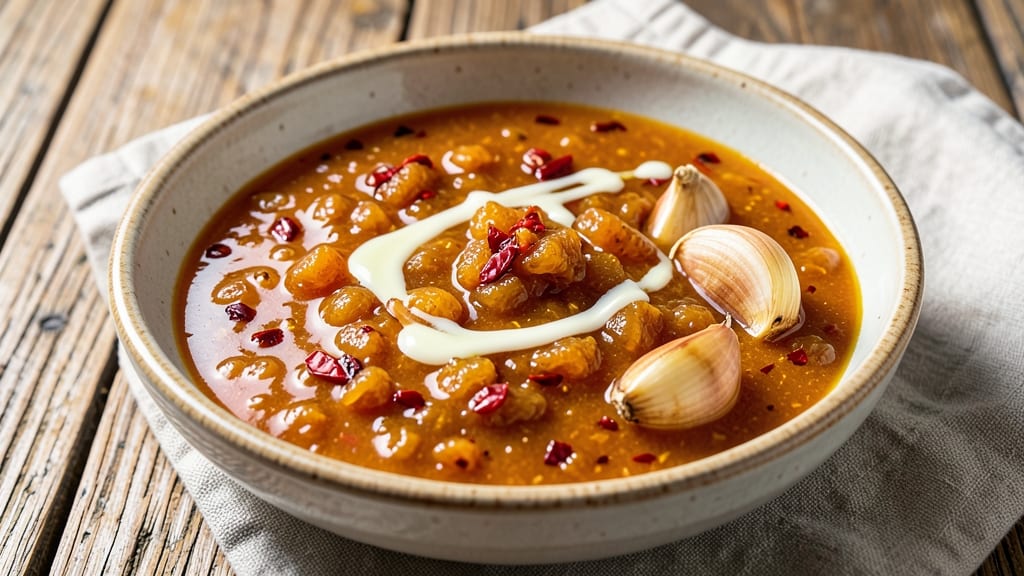
This apricot habanero sauce transforms grilled meats into flavor explosions by balancing sweet, spicy, and tangy notes in every bite. The secret lies in caramelizing diced apricots with habanero peppers until they develop a deep, jammy richness that tempers the heat—no harsh burn, just complex layers of flavor.
I've perfected this sauce over years of testing, ensuring the heat builds gradually while the fruit's natural sweetness keeps it approachable.
The process is straightforward but requires patience: simmering the mixture until it thickens into a glossy, spreadable consistency that clings beautifully to charred proteins. A touch of vinegar brightens the flavors, while a pinch of salt rounds out the sauce's character.
The result? A versatile condiment that elevates everything from grilled chicken and pork to roasted vegetables or even drizzled over ice cream for a daring dessert twist.
What makes this sauce truly special is its adaptability—adjust the habanero quantity based on your heat tolerance, or add a splash of citrus for extra zing.
Store it in the fridge for up to 2 weeks or freeze for longer shelf life, making it a pantry staple for bold, balanced flavors. Once you try this, store-bought sauces will never compare.
Ready to impress? This sauce delivers restaurant-quality depth with minimal effort, proving that homemade always tastes better. Let's get started on creating your own batch—your taste buds will thank you.
Ingredients for apricot habanero sauce
Sweet, spicy, and tangy—these ingredients create a sauce that's perfect for grilled meats.
| Ingredient | Amount | Notes |
|---|---|---|
| Fresh Habanero Peppers 🌶️ | 3 whole | Seeds removed for mild heat |
| Dried Apricots 🍑 | 1 ½ cups | Chopped into small pieces |
| Extra-Virgin Olive Oil 🫒 | ½ cup | For richness and balance |
| Apple Cider Vinegar 🍏 | ¼ cup | Brightens the sauce |
| Honey 🍯 | ¼ cup | Enhances sweetness |
| Garlic Cloves 🧄 | 4 cloves | Minced for depth |
| Salt 🧂 | 1 tsp | Kosher or sea salt |
| Ground Black Pepper 🌶️ | ½ tsp | Freshly ground preferred |
| Lemon Juice 🍋 | 1 tbsp | Freshly squeezed |
| Fresh Cilantro 🌿 | ¼ cup | Chopped, for garnish |
The habaneros are the star here, but don't let their heat scare you. Fresh is best—they pack more flavor than dried. I grab mine at Whole Foods or the Latin market, where they're often cheaper and fresher. If you can't find fresh, dried habaneros work at half the amount, but they lack that bright, fresh kick. The apricots? Dried is fine, but if you can find fresh, use those—they caramelize beautifully and add a juicier texture. Look for plump, unblemished dried apricots in the bulk section; they keep for months if stored properly.
No habaneros? Jalapeños or serranos at one-third the amount will give you some heat, but you'll lose that fruity depth. Fresh apricots in season? Use them—they'll change the sauce's texture but add a lovely freshness. Short on honey? Maple syrup or agave works in a pinch. The olive oil matters here—use something fruity and high-quality, like California extra-virgin. It's worth the splurge. And if you're sensitive to heat, reduce the habaneros to 2 whole peppers—you can always add more later if you want it spicier.
This sauce keeps beautifully in the fridge for up to 2 weeks, and it actually tastes better after a day or two as the flavors meld. For longer storage, freeze in ice cube trays—just thaw and stir. The texture will thicken slightly when cold, so give it a quick stir before using. Garnish with fresh cilantro right before serving to keep it vibrant. If you make a big batch, divide it into small jars—it's perfect for gifting or meal prep.
Why You'll Love This Recipe
- Sweet Heat in Minutes: I swear by this recipe because it’s the kind of sauce that takes less time than waiting for takeout—just 15 minutes of chopping habaneros (carefully!) and simmering dried apricots in honey and vinegar. No peeling, no blending, no stress—just a pot, a spoon, and a little patience for the habanero’s kick to mellow.
- Flavor That Stops You: Between us, this sauce is ridiculously good—think jammy dried apricots cutting through the habanero’s fire, balanced by the bright tang of apple cider vinegar and a drizzle of olive oil that makes it silky. It’s the kind of thing I’ll lick the spoon for, and that’s not an exaggeration.
- Works Everywhere: I use this on everything—grilled chicken, roasted veggies, even as a dip for chips when I’m lazy. It’s my go-to for weeknight dinners, holiday sides, or when I want to impress guests without slaving over a recipe. (Yes, even on a Tuesday night.)
- Budget Magic with Leftovers: Honestly, this recipe costs next to nothing—dried apricots and habaneros stretch forever, and the honey-vinegar base is cheap. Plus, it keeps for weeks in the fridge, so I make a big batch and use it all month. Less grocery runs, more flavor. Win-win.
Step-by-step instructions for apricot habanero sauce
This sweet and fiery sauce comes together in one pan with ingredients you likely already have.
Prepare the Habaneros and Apricots
Start by cutting open the 3 whole fresh habanero peppers lengthwise, removing seeds and membranes to reduce heat while keeping the flavor. Chop them into small pieces and set aside. In a food processor or by hand, pulse the 1.5 cups dried apricots into small, even pieces—you want them to blend smoothly but still retain some texture.
Here's the thing—don't skip removing the seeds. Even though we're balancing the heat with sweetness, those seeds contain most of the habanero's capsaicin, which can make the sauce too intense. The apricots will soften beautifully as they cook, creating that perfect jam-like texture that pairs so well with the heat.
Sauté the Aromatics
Heat the 0.5 cup extra-virgin olive oil in a medium saucepan over medium heat. Add the 4 cloves minced garlic and sauté for 1-2 minutes until fragrant but not browned—you should smell that sweet garlic aroma without any bitterness. This is where the foundation of your sauce builds.
Watch the garlic carefully. It burns quickly, and burnt garlic makes everything taste bitter. If you see it starting to darken, remove the pan from heat for 30 seconds to let it cool slightly before continuing. Once the garlic is golden and smells amazing, add the chopped habanero pieces and cook for another 2 minutes. You'll notice the peppers soften slightly and release their oils.
Simmer the Sauce Base
Add the chopped apricots, 0.25 cup apple cider vinegar, and 0.25 cup honey to the pan. Stir well to combine, then increase heat to medium-high and bring to a gentle boil. Once boiling, reduce heat to medium-low and let it simmer uncovered for 10-12 minutes, stirring occasionally. You want the mixture to thicken slightly and develop a glossy sheen.
This simmering step is crucial—it allows the flavors to meld together. You'll see the sauce reduce and become more concentrated. If it starts to stick to the bottom, add 1-2 tablespoons of water to keep it moving. The sauce should coat the back of a spoon by the end of this step, but still have some body to it.
Season and Finish
Add the 1 tsp salt, 0.5 tsp ground black pepper, and 1 tbsp lemon juice to the simmering sauce. Stir well and let it cook for another 3-4 minutes until everything is fully incorporated. Taste and adjust seasoning—you might want to add a touch more honey if it's too tangy, or a bit more vinegar if it's too sweet.
Here's where the magic happens: the lemon juice brightens the flavors and balances the sweetness and heat. You want each bite to have that perfect harmony—sweet from the apricots and honey, heat from the habaneros, and acidity from the vinegar and lemon. If you're serving this sauce immediately, you can stop here. For the best flavor, let it cool to room temperature and then refrigerate for at least 1 hour before using.
Garnish and Serve
Before serving, stir in the 0.25 cup chopped fresh cilantro. This adds a fresh, bright finish that cuts through the richness of the sauce. The cilantro should be finely chopped so it distributes evenly throughout. Give it a final taste and adjust any seasoning if needed.
This sauce is incredibly versatile—drizzle it over grilled meats, use it as a marinade, or serve it alongside roasted vegetables. The balance of sweet and heat makes it perfect for both spicy food lovers and those who prefer milder flavors. Store any leftovers in an airtight container in the refrigerator for up to 2 weeks, or freeze for up to 3 months.
Pro Tips For Making Apricot Habanero Sauce
- Char Habaneros First: I learned this the hard way—tossing raw habaneros into the pot means a bitter, searing heat that never softens. Instead, blister them whole in a dry skillet over medium-high heat for 3-4 minutes per side until blackened. The skin will peel off like magic, and the flavor mellows into smoky sweetness.
- Soak Apricots Twice: Dried apricots soak up liquid like sponges, but one quick rinse won’t cut it. Split them in half first, then soak in warm water for 10 minutes. Drain, chop, and soak again for another 5 minutes—this guarantees they’ll break down smoothly and release their jammy depth instead of turning to mush.
- Balance Heat Gradually: Dumping all the habanero into the sauce at once is a one-way ticket to regret. Start with just 1-2 teaspoons of the pureed pepper, taste, then add more in tiny increments. The vinegar and honey will mellow things out, but you can’t un-ring that fiery bell.
- Infuse Oil Slowly: Pouring olive oil over raw habanero seeds is a shortcut that backfires—you’ll end up with a bitter, oily sludge. Instead, heat the oil to 300°F (150°C) in a small pot, then add the seeds (no pulp) for 30 seconds. Strain immediately—this extracts just the right amount of heat without overpowering the sauce. (Yes, even if you’re impatient like me.)
Troubleshooting this recipe
Sauce Too Thin?
If your sauce isn't thickening enough during simmering, try one of these fixes: Add 1 tablespoon cornstarch mixed with 2 tablespoons cold water and stir it in.
Simmer for another 5 minutes until it reaches your desired consistency. Alternatively, simmer uncovered for 10-15 extra minutes—this helps reduce the liquid naturally. 🔥
Heat Too Overpowering?
If the habanero heat feels too intense, balance it by adding 1 extra tablespoon of honey or 1 teaspoon of sugar to sweeten the sauce. A splash of lemon juice (another ½ tablespoon) can also help cut through the heat.
For a smoother texture, blend the sauce briefly with an immersion blender to distribute flavors evenly.
Sauce Too Sweet?
When the sweetness dominates, add 1 extra tablespoon of apple cider vinegar to brighten the flavors. If the sauce tastes cloying, simmer it uncovered for 5 extra minutes to let some of the liquid evaporate. A pinch of smoked paprika can also add depth without sweetness. 🌶️
Apricots Not Soft Enough?
If your apricots retain a chewy texture, extend the simmering time by 5-10 minutes to break them down further. For extra tenderness, add 2 tablespoons of water or apricot juice to the pan and let it cook until the liquid reduces again.
If using fresh apricots, they’ll soften more quickly—adjust accordingly.
Garlic Burns Easily?
To prevent burnt garlic, reduce the heat to low-medium and stir constantly while sautéing. If it starts to brown too quickly, remove the pan from heat for 30 seconds to cool slightly before continuing.
For extra insurance, add the garlic 1 minute after heating the oil—this gives the oil time to stabilize its temperature.
Storage Issues?
If your sauce separates or develops mold after refrigerating, it’s best to discard it. To prevent separation, let the sauce cool completely before transferring to an airtight container. For longer storage, freeze in ice cube trays—thaw and stir before using.
If the texture thickens too much when cold, add 1 teaspoon of water to loosen it up. ❄️
Nutrition facts
Frequently asked questions
Can I substitute dried habaneros for fresh?
Yes, but use only 1-2 dried habaneros (seeds removed) for every 3 fresh peppers—they're much hotter. Soak them in warm water for 10 minutes first to soften, then drain and chop. The flavor will be slightly different but still delicious. For milder heat, reduce to 1 dried habanero total.
How do I adjust the sweetness or heat level?
For more sweetness, add 1 extra tablespoon of honey or 1 teaspoon of sugar at the end. For less heat, reduce habaneros to 2 whole peppers (or 1 dried). To balance existing heat, add 1 extra tablespoon of vinegar or ½ teaspoon of smoked paprika. Always taste as you go!
What's the best way to use this sauce?
This versatile sauce works best on grilled meats like chicken, pork, or shrimp, but also shines on roasted veggies, tacos, or even as a glaze for fish. For extra richness, brush it on meats during the last 5 minutes of grilling. It also makes a fantastic marinade—just thin with 2 tablespoons of water per ½ cup of sauce.
Why does my sauce separate when refrigerated?
This happens when the sauce cools too quickly. Let it cool to room temperature first, then refrigerate in an airtight container. If it separates, stir gently before using. For a smoother texture, blend briefly with an immersion blender. The sauce should thicken slightly when cold—add 1 teaspoon of water if needed to loosen it up.
Can I make this sauce without a food processor?
Simply chop the dried apricots into very small pieces by hand using a sharp knife. For even finer texture, pulse them in batches with a mortar and pestle. The sauce will have slightly more texture, but the flavors will still be delicious. Just simmer for 2-3 extra minutes to help break down the apricot pieces.