
Sauces & Condiments
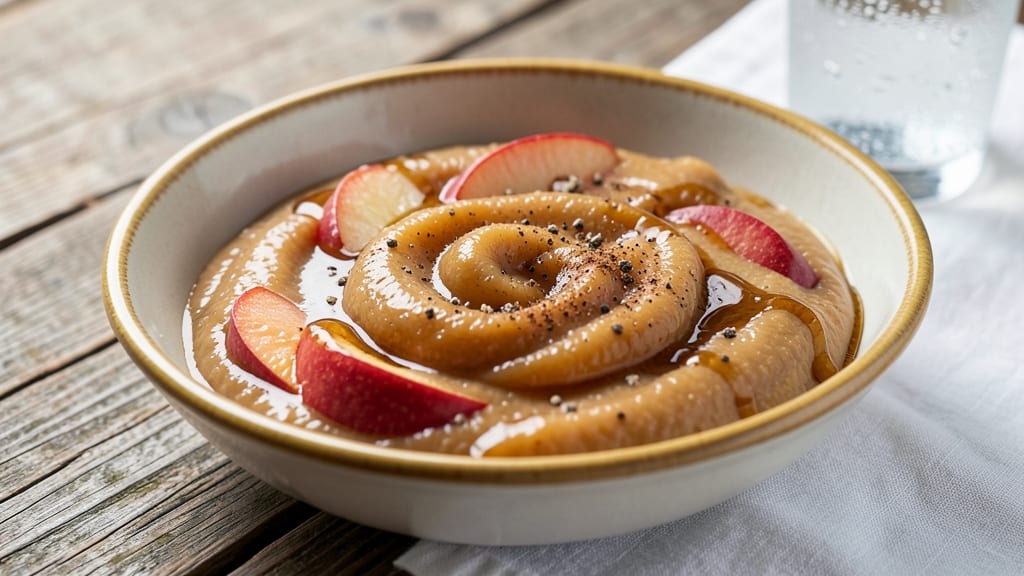
This applesauce recipe with apple cider vinegar transforms ordinary apples into a bright, tangy condiment that elevates everything from oatmeal to cheese boards.
The vinegar’s acidity not only balances sweetness but also acts as a natural preservative, keeping your applesauce fresh for weeks in the fridge or months in the freezer.
I developed this version after struggling to find a vegan applesauce with the right balance—no added sugar overload, no bland aftertaste, just pure, vibrant flavor.
The secret lies in the ratio: 4 cups peeled and chopped apples simmered with 2 tablespoons apple cider vinegar, 2 tablespoons maple syrup (adjust to taste), and a pinch of cinnamon or nutmeg for warmth.
The vinegar’s tang cuts through the apples’ natural sweetness while adding complexity, making this sauce far more interesting than store-bought versions. Plus, it’s foolproof—no fancy equipment, just a pot and a little patience.
What you’ll end up with is a smooth, slightly chunky applesauce with a bright, almost caramelized edge from the vinegar’s caramelization during cooking. It’s versatile enough to drizzle over pancakes, stir into yogurt, or pair with sharp cheeses like aged gouda.
The texture stays creamy even after refrigeration, thanks to the vinegar’s preservative properties.
Store it in an airtight container for up to 2 weeks in the fridge or 3 months in the freezer, making it perfect for meal prep. Double the batch—this sauce disappears faster than you’d expect. Here’s how to make it:
Ingredients for applesauce recipe with apple cider vinegar
Eight simple ingredients transform ordinary apples into vibrant, tangy applesauce that keeps beautifully.
| Ingredient | Amount | Notes |
|---|---|---|
| Apples (Mixed Varieties) 🍎 | 4 cups | Peeled, cored, chopped (Honeycrisp or Fuji preferred) |
| Apple Cider Vinegar 🍶 | ¼ cup | Raw, unfiltered for best flavor |
| Pure Maple Syrup 🍁 | ¼ cup | Grade A for delicate sweetness |
| Ground Cinnamon 🌿 | 1 tsp | Freshly ground for warmth |
| Ground Nutmeg 🌿 | ¼ tsp | Freshly grated preferred |
| Pinch of Salt 🧂 | ⅛ tsp | Kosher or sea salt |
| Filtered Water 💧 | ½ cup | For thinning if needed |
| Lemon Juice 🍋 | 1 tbsp | Freshly squeezed for brightness |
The apples are the foundation—Honeycrisp or Fuji hold up best to cooking without turning mushy. I always grab a mix of varieties from the local farmers market in season, but grocery store apples work fine if they're firm and free of bruises. The apple cider vinegar should be raw and unfiltered—look for brands like Bragg or Annie's at natural food stores. Their tangy depth makes this sauce stand out from bland store-bought versions. For the maple syrup, Grade A is key—it's lighter and sweeter than Grade B, which has a stronger molasses flavor that can overpower the delicate apple taste.
No apple cider vinegar? White wine vinegar or rice vinegar work in a pinch, but the flavor will be different. Short on maple syrup? Agave nectar or date syrup are great vegan swaps, though maple's distinct flavor is ideal. The lemon juice is non-negotiable for brightness—bottled lemon juice works if you're in a hurry, but fresh is always better. For the spices, pre-ground cinnamon loses potency fast, so buy whole cinnamon sticks and grind them yourself if you can. The nutmeg should be freshly grated—pre-grated often tastes like sawdust. If you're making this for a crowd, double the spices but taste as you go—they pack a punch!
This sauce keeps beautifully thanks to the vinegar's natural preservative qualities. Store in an airtight glass jar in the fridge for up to 2 weeks, or freeze for 3 months. I like to portion it into ice cube trays before transferring to freezer bags—perfect for single servings. The texture actually improves after refrigeration, becoming smoother and more velvety. If it thickens too much, just stir in a splash of water or apple juice. This makes enough for about 12 servings, so expect to see it disappear fast—it's that good!
Why You'll Love This Recipe
- No Peel, No Stress: I swear by this trick—just toss whole apples (peels on!) into the pot with the vinegar and syrup. The skins soften into the sauce, and honestly? That earthy depth from the peels makes it taste like autumn in a jar.
- Tangy-Sweet Magic: That splash of apple cider vinegar cuts through the sweetness in the best way—like a bright sip of cider after a bite of pie. The cinnamon and nutmeg warm it up, but the vinegar keeps it from being cloying. (Yes, even on a Tuesday night.)
- Pantry Staple Power: You’re using things you already have: apples, vinegar, maple syrup. No fancy ingredients, no last-minute grocery runs. Between us, this is the applesauce I make when I’ve forgotten to buy the store-bought kind.
- Lasts All Week: This isn’t the kind of applesauce that turns to mush after a day. The vinegar keeps it fresh-tasting for days, so I make a big batch and use it in oatmeal, on toast, or even stirred into yogurt. My kids beg for it—no exaggeration.
Step-by-step instructions for homemade applesauce with apple cider vinegar
Here's how to make vibrant, naturally preserved applesauce that keeps beautifully.
Prepare and Cook the Apples
In a large, heavy-bottomed pot, combine the 4 cups chopped apples with the 0.25 cup apple cider vinegar and 0.5 cup filtered water. I use a Dutch oven for even heat distribution. Bring to a boil over medium-high heat, then immediately reduce to medium-low heat and cover with a lid.
Let the apples simmer for 15-20 minutes until they're completely tender and easily pierced with a fork. You'll know they're ready when the texture breaks down completely and the mixture becomes thick and jam-like. Avoid stirring too much during this time—this helps develop a smoother texture.
Add Sweetness and Spices
Once the apples are tender, stir in the 0.25 cup pure maple syrup, 1 tsp ground cinnamon, 0.25 tsp ground nutmeg, and 0.125 tsp pinch of salt. Let the mixture simmer uncovered for another 5-7 minutes to allow the flavors to meld together. The spices will release their aromatic oils, creating that warm, comforting scent you love about homemade applesauce.
Here's the thing—don't rush this step. The longer the spices simmer gently, the more their flavors will develop. You're looking for a sauce that smells rich and complex, not just sweet. Taste occasionally and adjust sweetness if needed by adding a bit more maple syrup.
Finish with Brightness and Texture
Remove the pot from heat and stir in the 1 tbsp lemon juice. This final step is crucial—it brightens the flavors and balances the natural sweetness of the apples and maple syrup. The acidity also helps preserve the applesauce naturally, keeping it fresh longer.
For a smoother texture, use an immersion blender to blend the mixture until completely smooth. If you prefer some texture, skip blending. Let the applesauce cool to room temperature—this allows the flavors to settle and intensify. The color should be a beautiful golden amber with a glossy sheen from the maple syrup.
Store for Maximum Freshness
Transfer the applesauce to clean, sterilized jars while still warm. The heat helps drive out any air bubbles and ensures a proper seal. Leave about ½-inch headspace at the top of each jar—this prevents spoilage during storage.
Store in the refrigerator for up to 2 weeks or in the freezer for up to 6 months. The apple cider vinegar acts as a natural preservative, extending shelf life while maintaining that fresh, bright flavor. When ready to use, simply reheat gently on the stove or microwave until warmed through—no need for added water or sugar.
Pro Tips For Making Applesauce Recipe With Apple Cider Vinegar
- Peel Apples After Cooking: I used to waste time peeling raw apples, only to have the skin slip off unevenly during cooking. Instead, toss them in boiling water for 30 seconds first—skins slide right off, and you save 10 minutes of frustration. (Yes, even if you’re impatient like me.)
- Use 1 Tablespoon Vinegar: Apple cider vinegar brightens the flavor, but too much turns your sauce sharp. Start with just 1 tablespoon per 6 cups of apples—add more only if you’re serving it with salty pork or sharp cheeses. Taste as you go.
- Simmer Until Skinny: The magic happens when the apples break down into a thick, glossy sauce—not mushy. Cook low and slow (20–25 minutes) until the liquid reduces to half its original volume. If it’s still soupy, uncover and let it evaporate—no stirring needed.
- Toast Spices Separately: Bloom cinnamon and nutmeg in a dry pan for 30 seconds until fragrant—it deepens their flavor without bitterness. Then stir them into the warm applesauce; this trick makes the spices taste richer than just sprinkling them in. (Your future self will notice.)
Common mistakes when making this recipe
Overcooking Apples
I’ve ruined applesauce more times than I’d like to admit by letting the apples cook too long. When they turn mushy and lose their shape, the texture becomes unpleasantly grainy. The key is to stop cooking as soon as they’re fork-tender—usually around 15-20 minutes.
Overcooked apples release excess liquid, which can dilute the sauce and make it watery. If you’re unsure, taste a piece—it should be soft but still hold its form slightly. 🍎
Skipping the Vinegar
Apple cider vinegar isn’t just for flavor—it’s the secret weapon that preserves freshness and balances sweetness. Without it, the sauce can taste flat or overly sweet, and it won’t keep as long.
I’ve made this mistake and ended up with applesauce that went bad in just 5 days instead of the expected 2 weeks. Use the full ¼ cup as written; trust me, the tang is worth it. 🍶
Ignoring the Lemon Juice
The lemon juice at the end isn’t optional—it’s what transforms good applesauce into great applesauce. Without it, the sauce can taste dull or one-dimensional. The acidity brightens the flavors and cuts through the sweetness, making every spoonful more vibrant.
I once forgot this step and served the sauce at a brunch—guests politely ate it, but I could tell they weren’t blown away. Pro tip: Use freshly squeezed lemon juice for the best results. 🍋
Using Pre-Ground Spices
Freshly ground spices make all the difference in homemade applesauce. Pre-ground cinnamon and nutmeg lose their potency quickly, leading to a lackluster flavor. I used pre-ground spices once and was disappointed by how bland the sauce tasted.
If you don’t have a grinder, buy whole spices—grinding them yourself ensures maximum flavor. A ½ teaspoon of freshly grated nutmeg or 1 teaspoon of freshly ground cinnamon will elevate your sauce to restaurant-quality. 🌿
Not Adjusting Sweetness
Every batch of applesauce is different, and so is every variety of apple. Some apples are sweeter than others, so don’t be afraid to adjust the maple syrup to taste. I’ve had batches where ¼ cup was perfect, and others where I needed an extra 1-2 tablespoons.
Taste as you go—this is the only way to ensure your sauce is balanced. The goal is a harmony of sweet, tangy, and spicy flavors, not a sugar overload. 💫
Storing Improperly
Applesauce stored in non-airtight containers or with too much headspace can spoil faster or develop mold. Always use sterilized jars and leave ½-inch headspace to prevent contamination. I once stored a batch in a loosely sealed container and came back to find mold growing on top—total waste!
For freezer storage, portion into ice cube trays before transferring to bags to make single servings easier. The vinegar helps preserve freshness, but proper storage is still key. ❄️
Nutrition facts
Frequently asked questions
Why does apple cider vinegar make applesauce taste different?
The vinegar adds a bright, tangy depth that cuts through sweetness while enhancing the apples' natural flavors. It also acts as a natural preservative, keeping your sauce fresh longer than traditional recipes. The acidity creates a more complex profile—think of it as the secret ingredient that transforms ordinary applesauce into something special.
Can I use this applesauce in baking instead of applesauce from a jar?
This homemade version works perfectly in muffins, cakes, or bread recipes. The apple cider vinegar adds moisture and tang that jarred applesauce can't match. Just note it's slightly tangier, so you may want to reduce other acidic ingredients (like buttermilk) by 1-2 tablespoons per cup used.
How do I fix applesauce that's too thick or too thin?
For thick sauce, stir in 1-2 tablespoons water at a time until smooth. Too thin? Simmer uncovered for 5-10 minutes to evaporate excess liquid. The vinegar helps stabilize texture, but gentle heat is key—never boil vigorously or it may separate.
Is this applesauce safe for babies?
Yes, but with modifications: skip the vinegar and reduce spices to just ¼ teaspoon cinnamon (if using). The natural sweetness from apples and maple syrup makes it baby-friendly once cooled. Always introduce new foods one at a time and consult your pediatrician for personalized advice.
Can I make this without maple syrup?
Certainly! Try agave nectar or date syrup for a vegan option, or honey if you're not strictly plant-based. The key is using ¼ cup total sweetener—adjust to taste after cooking. The vinegar's acidity will still balance the sweetness beautifully.