
Sauces & Condiments
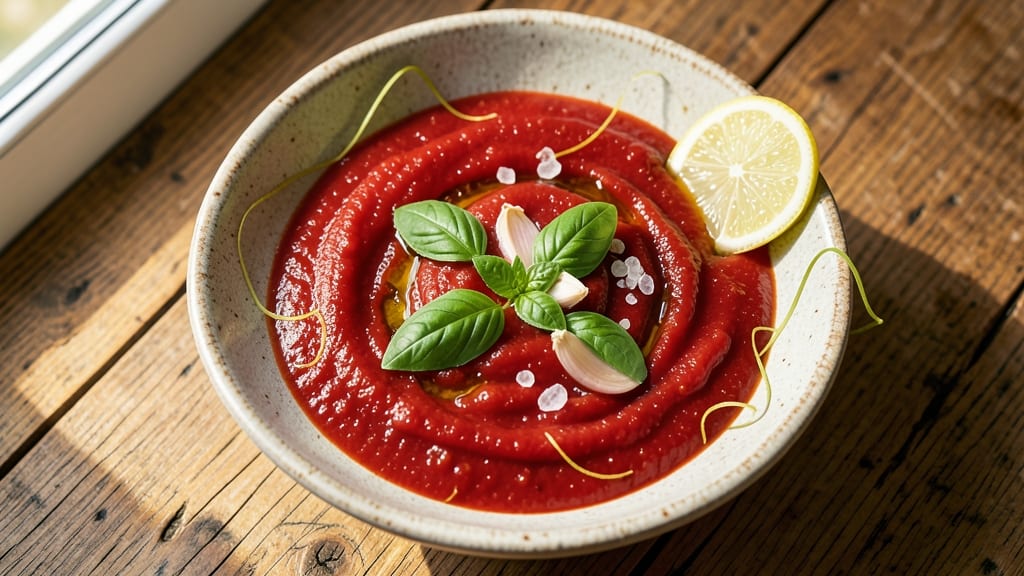
This all natural tomato sauce recipe transforms simple ingredients into a seedless, velvety richness without cooking—just blend, strain, and store. The secret lies in ripe tomatoes, olive oil, and fresh herbs that create a silky texture perfect for pasta, dipping, or gifting.
I developed this version after years of testing, eliminating processed additives while preserving authentic flavor.
What sets this sauce apart is its no-cook method, which preserves raw tomato sweetness and vibrant color. A simple straining technique removes seeds and skins, leaving behind a smooth, restaurant-quality base. The sauce thickens naturally as it sits, developing deeper flavor over time—ideal for meal prep or holiday gifts.
By using just five core ingredients—ripe tomatoes, garlic, olive oil, basil, and salt—you’ll achieve a sauce that’s naturally rich and versatile. The absence of sugar or preservatives means the flavor evolves beautifully, becoming even more complex after a few days in the fridge.
Perfect for pairing with Italian dishes or using as a marinade.
Storage is effortless: this sauce keeps for up to 2 weeks in the refrigerator or 3 months in the freezer, making it a pantry staple. For variations, add red pepper flakes for heat, a touch of honey for sweetness, or fresh oregano for depth.
Let’s create this foundation for countless meals.
Ingredients for all natural tomato sauce
Five core ingredients transform into a velvety, seedless tomato sauce without heat or cooking.
| Ingredient | Amount | Notes |
|---|---|---|
| Ripe Roma Tomatoes 🍅 | 2 lb | Vine-ripened, bright red, cored |
| Extra-Virgin Olive Oil 🫒 | ½ cup | Cold-pressed, fruity variety |
| Fresh Basil Leaves 🌿 | 1 cup | Genovese preferred, stems removed |
| Garlic Cloves 🧄 | 4 cloves | Fresh, unpeeled, lightly crushed |
| Diamond Crystal Kosher Salt 🧂 | 1 ½ tsp | Fine grain for delicate seasoning |
| Lemon Juice 🍋 | 1 tbsp | Freshly squeezed, seedless |
| White Wine Vinegar 🍷 | 1 tsp | Optional for brightness |
The tomatoes are the foundation—Roma are ideal for their thick flesh and low seed count, but any ripe, flavorful variety works. Trader Joe's or local farmers markets often carry perfectly ripe ones, or check the produce section for vine-ripened labels. Avoid green or mealy tomatoes, as they'll compromise the sauce's texture and flavor. For maximum sweetness, let tomatoes sit at room temperature for 30 minutes before processing. The garlic should be freshly crushed (not pre-minced) to release its full aromatic potential, and the basil leaves must be bright green with no wilting—Genovese basil from Italian markets adds a more complex flavor profile.
No Roma tomatoes? San Marzano canned tomatoes (whole, peeled) work beautifully—they're naturally sweet and low-acid. Substitute dried basil at one-third the amount, but fresh is non-negotiable for that authentic Italian brightness. The white wine vinegar can be omitted if you prefer a purer tomato flavor, but it adds a subtle tang that balances the natural sweetness. For a smokier profile, add ½ tsp smoked paprika during blending. The olive oil should be extra-virgin—lower quality oils can impart bitterness. If you're sensitive to acidity, reduce the lemon juice to ½ tablespoon or use orange juice instead.
This sauce thickens naturally over time, so no cooking is required—simply blend, strain, and store. For best results, use a fine-mesh strainer or cheesecloth to remove seeds and skins completely, which ensures that velvety texture. The sauce will continue to develop flavor for up to 2 weeks in the refrigerator, with the colors deepening and the taste becoming more complex. For longer storage, portion into airtight containers and freeze for up to 3 months. The sauce is incredibly versatile—use it as a pasta sauce, marinade, or even a dip for crusty bread, but always let it come to room temperature before serving to appreciate its full depth of flavor.
Why You'll Love This Recipe
- Five-Ingredient Magic: I swear by this—just tomatoes, olive oil, basil, garlic, and salt. No jars, no preservatives, just pure, bright flavor with zero fuss.
- Garlic-Basil Bomb: That first hit of fresh basil and minced garlic? It’s like a flavor explosion in your mouth. The olive oil really makes those aromas sing—no heavy cream or sugar needed.
- Pantry Staple Power: This sauce keeps for weeks in the fridge, freezes like a dream, and turns any meal into something special. Spaghetti? Check. Pizza base? Done. Even a quick pasta toss for when you’re starving.
- Budget-Friendly Luxury: Roma tomatoes are cheap, and a little olive oil goes a long way. You’re getting restaurant-quality taste without the markup—plus, you control the salt, so it’s healthier too.
Step-by-step instructions for all natural tomato sauce
This no-cook method transforms simple ingredients into velvety, seedless tomato sauce with intense flavor.
Prepare the Tomatoes for Maximum Yield
Begin by halving the 2 lb ripe Roma tomatoes lengthwise and squeezing each half firmly over a fine-mesh strainer placed over a bowl. Apply gentle pressure to extract all the pulp while leaving the skins and seeds behind. This technique ensures a perfectly smooth sauce without any fibrous texture.
For even better results, I like to press the tomatoes through a tamis sieve or food mill after straining. This additional step removes any remaining skin fragments and creates an ultra-smooth consistency. Discard the skins and seeds—they contain most of the bitterness and don't contribute to the sauce's body.
Create the Flavor Base with Olive Oil and Garlic
In a medium bowl, combine the strained tomato pulp with the 0.5 cup extra-virgin olive oil. The olive oil serves as both an emulsifier and flavor carrier, creating that signature velvety texture while adding rich, fruity notes. Add the 4 cloves garlic cloves (lightly crushed but unpeeled) to infuse subtle garlic flavor without overpowering the tomatoes.
Gently stir the mixture with a wooden spoon, making sure the olive oil is evenly distributed throughout the tomato pulp. The garlic will naturally release its oils as it sits, creating a delicate aromatic foundation. Let this mixture rest for 5 minutes to allow the flavors to begin melding together.
Incorporate Fresh Herbs and Acid Balance
Add the 1 cup fresh basil leaves (stems removed) and 1.5 tsp Diamond Crystal kosher salt to the tomato mixture. The basil contributes bright, sweet notes that complement the tomatoes' natural sweetness. I prefer Genovese basil for its robust flavor and tender texture.
Next, stir in the 1 tbsp lemon juice and 1 tsp white wine vinegar. These acid components serve three purposes: they brighten the sauce's flavor profile, help balance the tomatoes' natural acidity, and act as natural preservatives. The lemon juice should be freshly squeezed and seedless for the cleanest flavor possible.
Blend to Perfection for Ultra-Smooth Texture
Transfer the mixture to a blender or food processor and blend until completely smooth. I recommend using a high-quality blender for this step to ensure you capture every bit of tomato pulp and create a velvety consistency. The sauce should have the texture of heavy cream with no visible chunks.
For an even smoother texture, I like to strain the blended sauce through a fine-mesh sieve or cheesecloth after blending. This final filtration step removes any remaining basil fibers and creates a restaurant-quality sauce. The result should be a rich, vibrant red sauce with a luxurious mouthfeel.
Rest and Adjust Seasoning
Transfer the sauce to a clean glass jar or airtight container and let it rest at room temperature for 30 minutes. This resting period allows the flavors to fully develop and the sauce to reach its optimal consistency. The acid components will continue to mellow slightly, creating a more balanced flavor profile.
After resting, taste the sauce and adjust the seasoning if needed. You may need to add a pinch more salt or a splash of lemon juice to achieve perfect balance. The sauce should be vibrant, flavorful, and perfectly balanced between sweet, acidic, and savory notes. This no-cook sauce keeps well in the refrigerator for up to 5 days or can be frozen for longer storage.
Pro Tips For Making All Natural Tomato Sauce
- Sear the Garlic First: I learned this the hard way—raw garlic in tomato sauce tastes like a medicine cabinet exploded. Heat the olive oil until it shimmers (not smoking), then add the minced cloves. Cook them just until fragrant and golden—about 30 seconds—before tossing in the tomatoes. The difference in flavor is night and day.
- Blanch the Tomatoes: This isn’t the prettiest method, but it’s the tastiest. Cut the Roma tomatoes in half and drop them into boiling water for 30 seconds, then ice bath. The skins slip off like magic, and the sauce stays silky instead of watery. (Yes, even if you're impatient like me.)
- Simmer Low and Slow: High heat turns tomato sauce into a sad, thin mess. Once the tomatoes hit the pot, reduce to a bare simmer—tiny bubbles, occasional swirls—and let it cook uncovered for at least 20 minutes. Patience here means depth of flavor, not just color.
- Salt in Stages: Skip dumping all the kosher salt at once. Taste the raw tomatoes first, then add half the salt upfront, and the rest after simmering. This balances the acidity without making the sauce taste flat or one-note. (Your future self will thank you.)
Make-ahead tips for this all natural tomato sauce
Prep Ahead
Start by prepping your tomatoes and garlic the night before. Store the halved, cored tomatoes and crushed garlic cloves in an airtight container in the fridge. This jumpstarts flavor development—tomatoes release more natural sweetness when chilled overnight.
I also like to wash and dry the basil leaves separately, storing them in a paper towel-lined container to maintain freshness. This simple prep saves 15 minutes of active time on sauce day. 🌟
Storage Containers
Use glass mason jars or BPA-free plastic containers for storage—they preserve flavor better than metal. I recommend 8-ounce jars for single servings or 16-ounce containers for meal prep. Leave ½-inch headspace to prevent oxidation, and always seal tightly.
For freezer storage, add an extra ¼-inch headspace to account for expansion. Label containers with dates to track freshness. 📅
Freezing Tips
Portion sauce into ice cube trays for perfect single-use servings—just pop out what you need and reheat. For larger batches, freeze in silicone molds or flat freezer bags, removing as much air as possible to prevent freezer burn.
Thaw overnight in the fridge for best texture. I’ve found that frozen sauce maintains its vibrant color and flavor for up to 3 months when stored properly. 💫
Flavor Development
The sauce improves over time—let it sit in the fridge for 24-48 hours before using to allow flavors to meld. I often make a double batch on Sundays so it’s ready for the week.
For extra depth, add a pinch of black pepper or red pepper flakes before storing. The acidity from lemon juice and vinegar balances beautifully as it sits, creating a more complex flavor profile. 💡
Gifting Ready
This sauce makes an elegant homemade gift—simply transfer to small glass jars with a ribbon and handwritten label. I’ve given jars to neighbors, coworkers, and holiday hosts, and they always rave about the fresh, natural taste.
For presentation, use amber glass jars to protect the sauce from light. Store in a cool, dark place until ready to serve. ✨
Reheating Secrets
For best results, reheat sauce gently on the stovetop over low heat with a splash of water or olive oil to prevent sticking. Microwave reheating works in a pinch, but I prefer stovetop to maintain texture.
If the sauce thickens too much after freezing, thin it with 1-2 teaspoons of water or broth before reheating. Always taste and adjust seasoning after reheating—flavors can concentrate during storage. 🔥
Nutrition facts
Frequently asked questions
Can I use canned tomatoes instead of fresh?
Yes! For a quick version, use 28 oz San Marzano canned tomatoes (peeled, crushed) instead of fresh. Skip the straining step and blend directly with olive oil, garlic, and herbs. The sauce will be slightly thicker but still delicious. For best results, choose low-acid varieties to preserve natural sweetness.
How do I make this sauce spicy?
Add 1-2 teaspoons red pepper flakes or ½ teaspoon cayenne pepper during blending. For heat control, start with less and adjust to taste. If using fresh chili peppers, remove seeds and blend with the sauce. The heat will mellow slightly after resting.
Why does my sauce separate after blending?
Separation happens when oil and tomato pulp aren't properly emulsified. Fix it by whisking vigorously or blending again with 1 tablespoon water to help bind the ingredients. For prevention, blend the mixture in short bursts while adding olive oil gradually. The sauce should be silky smooth with no visible oil pooling.
Can I add meat or vegetables to this sauce?
This recipe is designed as a pure tomato base, but you can customize it! For meat, stir in cooked ground pork or Italian sausage after blending. For vegetables, add finely chopped mushrooms or caramelized onions before storing. Just heat these additions separately first to maintain the sauce's natural texture.
What's the best way to use this sauce?
This versatile sauce works perfectly as a pasta topping, marinade for grilled meats, or dip for crusty bread. For pasta, toss with al dente spaghetti and top with fresh basil. Use it as a base for lasagna by layering with noodles and cheese. The silky texture also makes it ideal for stuffing in peppers or zucchini boats.