
Sauces & Condiments
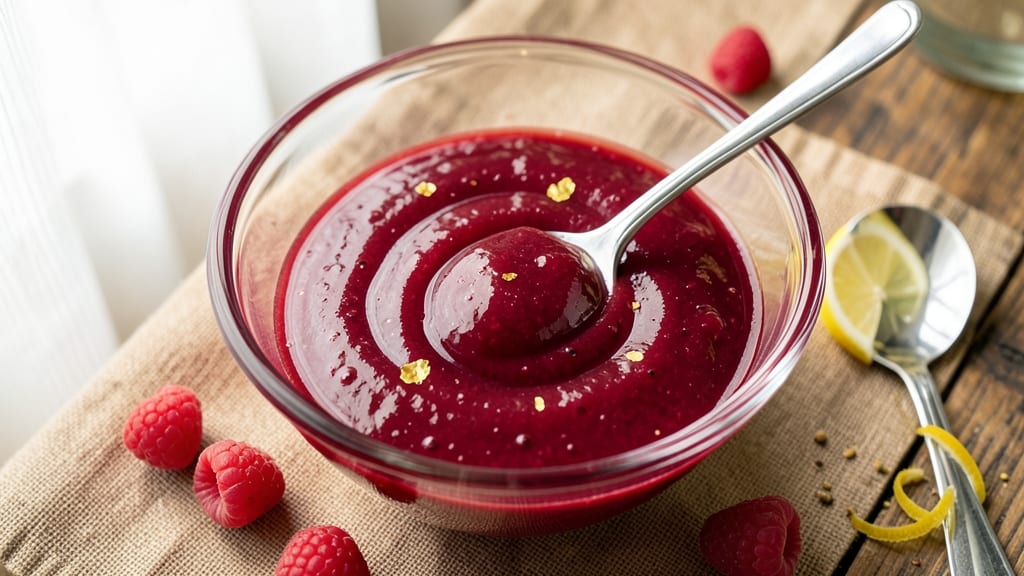
This seedless raspberry sauce delivers jammy thickness without a single seed in sight—perfect for elevating desserts, drizzling over meats, or mixing into cocktails. The secret lies in a simple straining technique that preserves the fruit’s vibrant color and rich flavor while eliminating the texture challenge.
I developed this recipe after struggling to find a smooth, seed-free sauce that didn’t compromise on taste, and the results speak for themselves.
The process is straightforward but yields restaurant-quality results. Fresh raspberries are simmered with sugar and lemon juice until they break down into a luscious, spreadable consistency, then strained through a fine-mesh sieve to remove seeds and skins.
The sauce maintains its bright red hue and tangy-sweet balance, making it versatile for both sweet and savory applications.
What sets this sauce apart is its dual-purpose nature—use it as a glaze for roasted chicken, a topping for vanilla ice cream, or even a cocktail mixer for a berry-infused twist. The texture is thick enough to coat but still pourable, ensuring it works seamlessly in any dish.
With just five simple ingredients, this sauce is a game-changer for anyone tired of seed-filled raspberry jams.
Once made, the sauce keeps beautifully in the refrigerator for up to two weeks, making it ideal for meal prep or gifting. The straining step might require a little patience, but the smooth, velvety finish is worth every minute. Let’s get started on creating this versatile, seed-free raspberry masterpiece.
Ingredients for seedless raspberry sauce
Five ingredients transform raspberries into a velvety, seed-free sauce with jammy texture and vibrant color.
| Ingredient | Amount | Notes |
|---|---|---|
| Fresh Raspberries 🍓 | 2 cups | Packed, preferably organic |
| Granulated Sugar 🍚 | ¾ cup | White or cane sugar preferred |
| Fresh Lemon Juice 🍋 | ¼ cup | From 1-2 lemons, freshly squeezed |
| Cornstarch 🌾 | 1 tbsp | For thickening consistency |
| Water 💧 | 2 tbsp | For thinning if needed |
The quality of raspberries makes all the difference here. Organic berries from a trusted farmers market deliver the most intense flavor, but conventional raspberries work too—just ensure they're ripe and vibrant. Avoid frozen raspberries for this recipe, as they lack the freshness needed for that bright red hue. If you're buying in bulk, look for pre-picked raspberries still attached to their stems—they tend to be fresher. The sugar should be fine granulated; organic cane sugar adds subtle caramel notes, but white sugar works perfectly fine. For lemon juice, fresh is non-negotiable—bottled juice lacks the bright acidity that balances the raspberries' sweetness.
No cornstarch? Tapioca starch at the same amount works equally well, though it may yield a slightly glossier finish. Short on raspberries? Substitute blackberries or strawberries (use 1.5 cups total), but expect a slightly different flavor profile—blackberries add deeper richness, while strawberries contribute a milder sweetness. The straining process is critical: use a fine-mesh sieve or cheesecloth for the smoothest texture. If your sauce is too thick after straining, add water 1 teaspoon at a time until it reaches a pourable yet coatable consistency. For a more intense flavor, reduce the water by half—this creates a thicker, jam-like texture perfect for glazing meats.
Store the sauce in an airtight container in the refrigerator, where it keeps for 2 weeks. The flavor actually improves over time as the sugars meld. For longer storage, transfer to a sterile jar and freeze for up to 6 months. When ready to use, let the sauce sit at room temperature for 10-15 minutes before drizzling—this prevents sudden temperature shock to your desserts or meats. The sauce reheats beautifully, making it perfect for meal prep. Portion into small jars for easy use as a cocktail mixer or dessert topping.
Why You'll Love This Recipe
- No Seed Hassle: I’ll be honest—raspberry seeds in sauce are my pet peeve. This version skips them entirely, using a simple straining trick (just press the berries through a fine-mesh sieve) that leaves you with that velvety texture. No chewing on surprises later.
- Sweet-Tart Balance: That bright lemon juice cut through the sugar just enough to make it addictive—not cloying, not flat. The cornstarch slurry thickens it perfectly, so every spoonful is smooth and bright, like summer in a jar.
- Pantry Staple Magic: You’re already using sugar, cornstarch, and water—things you’ve got. The only real shopping trip is raspberries, which are cheaper than you’d think when bought frozen. No specialty ingredients, no excuses.
- Double-Duty Sauce: Slather it on pancakes, drizzle it over ice cream, or toss it with yogurt for a dessert topping. I’ve even used it to glaze roasted chicken—yes, really. The leftovers keep for weeks in the fridge, so you’re not stuck making it last-minute.
Step-by-step instructions for seedless raspberry sauce
Here's the method for creating a velvety, seedless raspberry sauce with perfect jammy texture.
Strain the Raspberries for Seedless Perfection
Transfer the 2 cups Fresh Raspberries to a fine-mesh strainer placed over a medium bowl. Using a wooden spoon, gently press the raspberries through the strainer, working in batches if needed. The key here is patience—apply even pressure to extract maximum juice while leaving the seeds behind. You should yield about 1½ cups of strained raspberry pulp.
For the smoothest texture, line your strainer with cheesecloth if available, then strain the pulp again. This extra step removes any lingering seeds and creates that luxurious, jammy consistency we're after. Discard the seeds and save the pulp for the next step.
Cook the Raspberry Pulp with Sugar and Lemon
In a medium saucepan, combine the strained raspberry pulp, 0.75 cup Granulated Sugar, and 0.25 cup Fresh Lemon Juice. Bring the mixture to a gentle boil over medium-high heat, stirring occasionally to prevent scorching. Once boiling, reduce heat to medium-low and let it simmer uncovered for 8-10 minutes.
During this time, you'll notice the sauce thickening as the liquid reduces. You're looking for a consistency where it coats the back of a spoon but still flows freely—like a thick syrup. The lemon juice adds brightness and helps balance the sweetness while preventing the sauce from becoming too acidic. Stir occasionally to distribute the heat evenly.
Thicken the Sauce with Cornstarch Slurry
In a small bowl, whisk together the 1 tbsp Cornstarch and 2 tbsp Water until completely dissolved. This creates a smooth slurry that will bind the sauce beautifully. Once your raspberry mixture has thickened to a jam-like consistency, remove it from heat and gradually whisk in the cornstarch slurry, stirring constantly for 1-2 minutes until fully incorporated.
The sauce will thicken dramatically as it cools, so don't over-thicken it now. If it becomes too stiff, you can always add a splash of water later. Return the sauce to low heat for just 1 minute to ensure the cornstarch is fully activated and the mixture is smooth. The final texture should be glossy and coat the spoon like a perfect jam.
Cool and Adjust for Ideal Texture
Transfer the sauce to a clean bowl and let it cool to room temperature, stirring occasionally. As it cools, it will thicken further. If it becomes too stiff, thin it with 1 teaspoon of water at a time until you reach a spreadable consistency—similar to a thick jam but with a silky mouthfeel. For extra shine, press plastic wrap directly onto the surface to prevent skin formation.
Taste and adjust seasoning if needed. You might want to add a pinch more sugar or lemon juice to balance the flavors perfectly. The sauce should be sweet-tart with a vibrant raspberry essence and no trace of seeds. Store in an airtight container in the refrigerator for up to 2 weeks or freeze for longer storage.
Pro Tips For Making Seedless Raspberry Sauce
- Use a Fine-Mesh Sieve: I learned this the hard way—mashing raspberries with a fork leaves seeds and skins behind, no matter how hard you press. A fine-mesh sieve lets you strain the purée while keeping the sauce silky, and it’s faster than trying to press through cheesecloth. (Yes, even if you’re impatient like me.)
- Simmer Low and Slow: High heat turns raspberry sauce into jam in minutes—lumpy, under-thickened jam. Keep it at a gentle simmer (tiny bubbles, occasional swirls) so the cornstarch activates properly and the sugar dissolves evenly. I used to rush this, and the sauce always ended up either gluey or grainy.
- Measure Cornstarch Like a Scientist: Too much, and your sauce will turn pasty; too little, and it’ll stay runny. For every 1 cup of raspberries, use 1 tablespoon cornstarch (slurry mixed with 2 tablespoons water). Weigh it if you’re fancy, but at least level that spoon—no heaping mounds.
- Strain Twice for Smoothness: First pass through the sieve removes big seeds, but a second strain over a butter muslin or even a clean kitchen towel catches the fine grit. It’s extra work, but the result is a sauce so smooth it’ll make you question why you ever served chunky versions. (Your future self will thank you.)
Dietary considerations for these flavors
Gluten-Free Friendly
This seedless raspberry sauce is naturally gluten-free—no wheat, barley, or rye ingredients are used in the recipe. The only potential cross-contamination risk comes from cornstarch, which is typically processed in facilities handling gluten-containing grains.
For absolute safety, opt for certified gluten-free cornstarch like Bob's Red Mill's brand. I always double-check labels, especially if you're highly sensitive or managing celiac disease. 🌾
Vegan Adaptation
To make this sauce vegan, simply omit the cornstarch slurry and rely on the natural thickening from simmering. After straining the raspberries, cook them with sugar and lemon juice as directed, but reduce the heat to low and simmer for an extra 5-7 minutes to achieve the desired thickness.
The texture will be slightly less glossy but still delicious. For a vegan alternative to cornstarch, try arrowroot powder (1 tbsp mixed with 2 tbsp water) if you prefer a smoother finish.
Low-Sugar Option
If you're watching your sugar intake, reduce the granulated sugar to ½ cup and replace the remaining ¼ cup with a sugar substitute like erythritol or monk fruit sweetener. These alternatives won’t affect the sauce’s texture but will cut calories significantly.
I’ve found that Swerve granulated works beautifully in this recipe—just use it in a 1:1 ratio. Taste as you go, as natural sweetness in raspberries varies by batch. For added depth, consider a pinch of vanilla extract to enhance flavor.
Allergen Considerations
This recipe is free from common allergens like dairy, eggs, and nuts, making it safe for most people with food sensitivities. The primary allergen concern is cornstarch, which can trigger reactions in some individuals with corn allergies.
For those with corn sensitivities, substitute with tapioca starch or potato starch in the same quantity. Always check labels on sugar substitutes if you’re using them, as some may contain traces of allergens. When serving, clearly label the sauce if it contains any substituted ingredients for guests with dietary restrictions.
Kid-Friendly Balance
For a kid-approved version, reduce the lemon juice to 2 tablespoons to soften the tartness while keeping the sauce vibrant. Add a pinch of vanilla bean paste for extra appeal—kids often love the familiar sweetness. Serve this version chilled as a dip for vanilla yogurt or apple slices.
I’ve found that letting kids help strain the raspberries (with supervision) makes them more excited to try the final product. The smooth texture is especially appealing to picky eaters who dislike seeds or chunky textures.
Storage Flexibility
This sauce is incredibly versatile when it comes to dietary needs and storage. For those following a low-FODMAP diet, reduce the sugar to ⅓ cup and use monk fruit sweetener for the remainder—this keeps the sauce compliant while maintaining flavor. Store in small, airtight containers for easy portioning.
The sauce’s natural acidity helps preserve it longer, so it stays fresh in the fridge for up to 2 weeks or 6 months in the freezer. When reheating, warm gently on the stove or microwave in 10-second bursts to avoid skin formation.
Nutrition facts
Frequently asked questions
Can I use frozen raspberries for this seedless sauce?
Fresh raspberries are ideal for this recipe because they maintain the vibrant color and bright flavor. Frozen raspberries tend to release more water during cooking, which can dilute the sauce and make it harder to achieve the perfect jammy texture. If you must use frozen, thaw them first and pat them completely dry to minimize excess moisture. The strained pulp may also yield slightly less sauce, so you might want to start with 2.25 cups instead of 2 cups.
Why does my sauce look cloudy after straining?
A cloudy appearance usually means some raspberry juice or fine particles didn't fully strain through. For a clearer sauce, try double-straining: first through a fine-mesh sieve, then through a layer of cheesecloth. If the cloudiness persists, it might be from the cornstarch slurry—simply stir the sauce more vigorously as it cools to help it emulsify better. The texture won't be affected, but the visual will improve.
How can I use this sauce beyond desserts?
This versatile sauce works beautifully in savory dishes too! Try drizzling it over grilled chicken or pork tenderloin for a sweet-tart glaze, or mix it with balsamic vinegar for a raspberry reduction to pair with roasted lamb. For cocktails, stir 1 tablespoon into vodka or gin with a splash of soda water for a refreshing berry spritzer. The acidity cuts through rich meats perfectly, while the fruitiness brightens creamy desserts.
Can I make this sauce without cornstarch?
Yes! If you prefer to avoid cornstarch, simmer the raspberry mixture longer (an extra 5-7 minutes) to reduce the liquid naturally. The texture will be slightly less glossy but still delicious. For a smoother finish, whisk in 1 teaspoon of lemon juice at the end to help bind the sauce. Alternatively, use 1 tablespoon of tapioca starch mixed with 2 tablespoons of water for a corn-free thickener.
How do I fix a sauce that's too thick or too thin?
If your sauce is too thick, thin it with 1 teaspoon of water at a time while stirring constantly. For a too-thin sauce, return it to low heat and simmer uncovered for 2-3 minutes to reduce the liquid further. If the texture becomes grainy, whisk in ½ teaspoon of cold water to help smooth it out. Always adjust gradually—it's easier to fix a sauce that's too thin than one that's too thick!