
Sauces & Condiments
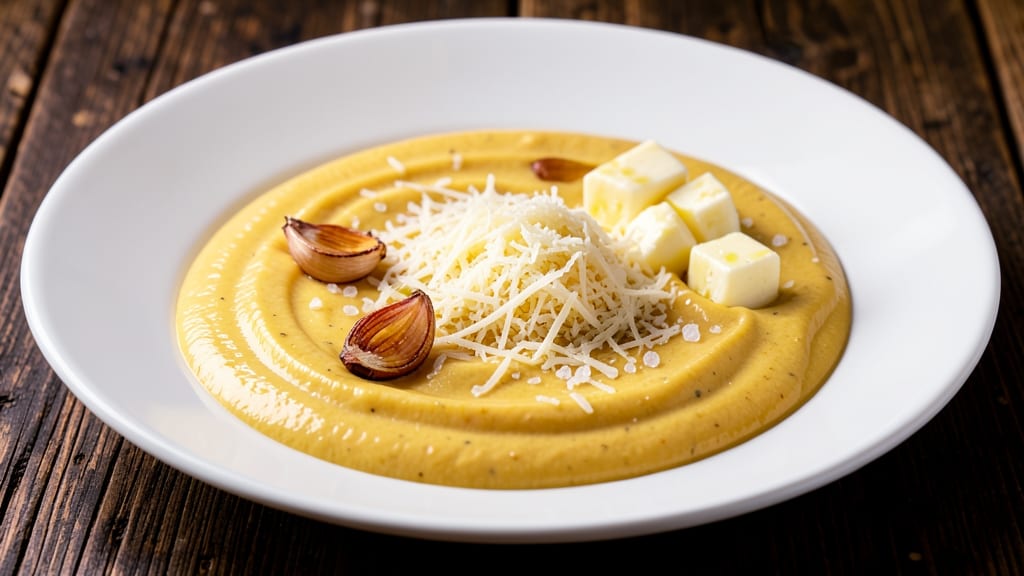
Lidia Bastianich’s alfredo sauce recipe delivers that signature creamy, velvety texture without the traditional roux—just rich parmesan, heavy cream, and a touch of butter working their magic. The secret lies in patience and precise technique, ensuring every forkful is luxuriously smooth and deeply savory.
This version stays true to Lidia’s Italian roots while being simple enough for weeknight dinners.
What sets this sauce apart is its foolproof consistency—no lumps, no separation, and no need for constant stirring. The key is incorporating the parmesan gradually while keeping the mixture warm, allowing the cheese to melt completely into the cream.
A splash of pasta water at the end guarantees a sauce that clings perfectly to noodles without turning gluey.
By the time you twirl that first forkful, you’ll taste the unmistakable depth of aged parmesan, balanced by the buttery richness of the cream. The sauce is creamy enough to coat every strand of fettuccine yet light enough to let the pasta shine.
It’s the kind of sauce that transforms simple dinner into a restaurant-worthy experience.
Make a double batch—this sauce reheats beautifully and freezes for up to three months, so you’ll always have that creamy parmesan dream on hand. Optional additions like garlic or fresh herbs can elevate it further, but the classic version speaks for itself. Let’s get cooking!
Ingredients for alfredo sauce recipe lidia
Three core ingredients—parmesan, cream, butter—plus a few secret touches for that signature Lidia magic.
| Ingredient | Amount | Notes |
|---|---|---|
| Extra-Virgin Olive Oil 🫒 | ¼ cup | High-quality, fruity variety preferred |
| Unsalted Butter 🧈 | ½ cup | Cold, cubed for even melting |
| Heavy Cream 🥛 | 2 cups | Full-fat for maximum creaminess |
| Parmesan Cheese 🧀 | 1 ½ cups | Freshly grated, aged variety |
| Garlic Cloves 🧄 | 4 cloves | Minced, for optional depth |
| Salt 🧂 | ½ tsp | Diamond Crystal preferred |
| White Pepper 🌶️ | ¼ tsp | Freshly cracked for subtle flavor |
| Freshly Ground Nutmeg 🌿 | ⅛ tsp | Fine grind for smooth texture |
The parmesan is non-negotiable here. Grab a wedge from the deli counter—pre-grated gets clumpy and lacks depth. Parmigiano-Reggiano is ideal, but any aged parmesan works. For the heavy cream, full-fat is essential—none of that skim nonsense. I always buy Hormel or Organic Valley from the store, but if you can find Italian heavy cream, go for it. The butter should be unsalted and cold when you add it—this prevents clumping and ensures smooth melting. Skip the salted kind unless you're adjusting your seasoning later.
No heavy cream? Half-and-half plus a splash of whole milk gets you close, but the texture won't be quite as luxurious. Short on parmesan? Pecorino Romano at half the amount adds a sharper bite. Want extra richness? Add a tablespoon of cream cheese to the finished sauce. The garlic is optional but worth it—roast it first for a sweeter, deeper flavor. Nutmeg is the final touch: freshly grated makes all the difference, but pre-ground works in a pinch. If you're feeling fancy, toast the nutmeg seeds in a dry pan for 30 seconds before grinding—that smoky note elevates everything.
This sauce is best made fresh but reheats beautifully. Keep it warm in a double boiler if serving family-style—it thickens as it cools. For storage, pour a thin layer of olive oil on top before sealing to prevent a skin. Good for 5 days in the fridge and 3 months frozen. When reheating, add a splash of warm water or pasta water to restore creaminess. Double batches are worth it—this sauce freezes like a dream and tastes even better the second time around.
Why You'll Love This Recipe
- Here’s what sold me: the slow-cooked garlic in olive oil and butter creates this deep, nutty aroma that lingers. One whiff, and I’m hooked—no overpowering bite, just pure, warm flavor.
- No-Fuss Pantry Magic: I swear by this sauce because it uses stuff I already have—no special trips to the store. That heavy cream and Parmesan combo? It’s my secret for a rich, velvety texture without breaking the bank.
- Garlic Butter Bliss: Here’s what sold me: the slow-cooked garlic in olive oil and butter creates this deep, nutty aroma that lingers. One whiff, and I’m hooked—no overpowering bite, just pure, warm flavor.
- Weeknight to Dinner Party: Between us, this sauce works for spaghetti and chicken breasts. I’ve tossed it with roasted veggies for a fancier meal, then reheated the leftovers for lunch the next day. Zero guilt, all satisfaction.
Step-by-step instructions for Lidia's alfredo sauce recipe
Here's how to make Lidia Bastianich's legendary Alfredo sauce—rich, velvety, and packed with Parmesan flavor without any roux.
Melt Butter and Infuse with Olive Oil
In a medium saucepan, combine the 0.5 cup unsalted butter and 0.25 cup extra-virgin olive oil over medium-low heat. Let them melt together slowly, stirring occasionally until the butter is completely melted and the mixture is smooth. This combination creates a stable base that won't curdle when you add the cream later.
Here's the thing—using both butter and olive oil gives you a deeper flavor and prevents the sauce from becoming too heavy. Keep the heat gentle; you don't want the butter to brown at this stage. Once melted, let the mixture warm through for about 2 minutes, just until it's fully integrated and ready for the next step.
Add Heavy Cream and Garlic
Pour in the 2 cups heavy cream and stir gently to combine. Bring the mixture to a gentle simmer—this should take about 3-4 minutes—while keeping the heat at medium-low. As it heats, add the 4 cloves minced garlic and stir for 1 minute to infuse the sauce with subtle garlic flavor.
Watch the sauce carefully—it should simmer steadily but not boil vigorously. If it starts to bubble too much, reduce the heat slightly. The garlic will release its aroma without overpowering the sauce. This is where the magic begins—the cream will start to thicken slightly as it warms, setting the stage for the Parmesan to come.
Incorporate Parmesan and Seasonings
Reduce the heat to low and gradually sprinkle in the 1.5 cups freshly grated Parmesan cheese. Stir constantly for 2-3 minutes until the cheese is fully melted and the sauce becomes thick and glossy. If the sauce starts to separate, add 1-2 tablespoons of warm water to loosen it.
Now add the 0.5 tsp salt, 0.25 tsp white pepper, and 0.125 tsp freshly ground nutmeg. Stir well to distribute the seasonings evenly. The nutmeg adds a warm, aromatic depth that elevates the sauce beyond basic Alfredo. Taste and adjust the seasoning if needed—you want a balance of saltiness, creaminess, and a hint of peppery warmth.
Simmer Until Silky and Smooth
Continue simmering the sauce on low heat for 5-7 minutes, stirring frequently to prevent it from sticking to the bottom of the pan. The sauce should thicken to a velvety consistency—it should coat the back of a spoon smoothly without being gluey.
If the sauce becomes too thick, add 1-2 tablespoons of warm water or milk to reach your desired consistency. The key here is patience—simmering gently ensures the flavors meld together without breaking the emulsion. Once smooth and creamy, remove the sauce from heat and let it rest for 2-3 minutes before serving.
Finish and Serve Immediately
Give the sauce one final taste and adjust the seasoning if necessary. The sauce should be rich, creamy, and perfectly balanced—not overly salty or peppery. If you're using it immediately, pour it over your pasta and toss to coat evenly. If storing, let it cool slightly before transferring to an airtight container.
This sauce is best served fresh, so don't wait too long before using it. The moment you pour it over al dente pasta, you'll understand why Lidia's version stands out—it's luxurious, comforting, and packed with authentic Italian flavor. Enjoy it with fettuccine or your favorite pasta shape for the ultimate creamy experience.
Pro Tips For Making Alfredo Sauce Recipe Lidia
- Bloom the Garlic: Slice those cloves thin—almost translucent—and let them sit in the olive oil for 30 seconds before adding butter. I learned this the hard way: whole cloves take forever to soften, and you’ll end up with raw, bitter chunks in your sauce. Thin slices release flavor instantly and melt into silkiness.
- Salt the Butter First: Toss a pinch of salt into the cold butter before melting it—yes, even if your recipe calls for unsalted. The butter’s water will dissolve the salt evenly, and you won’t end up with a sauce that tastes flat or needs last-minute seasoning. Trust me, your taste buds will notice.
- Simmer, Don’t Boil: Once you add the heavy cream, reduce heat to low and let it bubble gently—not a rolling boil. I used to rush this, and the sauce would curdle or split. A slow simmer keeps the cream stable and lets the Parmesan fully emulsify. Patience here makes all the difference.
- Grate the Cheese Fresh: Skip the pre-grated stuff—it’s full of anti-caking agents that make your sauce grainy. Use a microplane or fine grater on real Parmesan, and add it off the heat. If you’re in a pinch, grate it yourself 10 minutes before using; it’ll still taste better than anything from a can.
Storing and reheating this alfredo sauce recipe lidia
Refrigerator Storage
Let your alfredo sauce cool completely before transferring to an airtight container—I use glass jars with tight-sealing lids. Store in the fridge for up to 5 days, but I recommend using it within 3 days for peak creaminess.
The sauce will thicken slightly as it chills, so add 1-2 tablespoons of warm water or pasta water when reheating to restore its luscious texture. 🥄
Freezer Storage
For longer storage, freeze the sauce in quart-sized freezer bags or airtight containers, leaving ½-inch headspace for expansion. It keeps beautifully for 3 months—just thaw overnight in the fridge. To reheat, transfer to a saucepan and warm over low heat, stirring frequently.
If it looks too thick, thin with 1-2 tablespoons of warm milk or cream. Pro tip: Label bags with the date to track freshness.
Reheating Methods
My preferred method is stovetop reheating: Place sauce in a saucepan and warm over medium-low heat, stirring constantly. A splash of pasta water (about 2 tablespoons) prevents curdling and restores creaminess.
Avoid high heat—it can break the sauce's emulsion. For microwave reheating, use low power in 30-second bursts, stirring between each interval until fully warmed.
Preventing Curdling
If your sauce separates after reheating, don't panic! Simply whisk in 1-2 tablespoons of warm heavy cream or milk until smooth. The key to preventing curdling is gradual warming—never heat on high.
For extra insurance, store sauce with a thin layer of olive oil on top, which creates a protective barrier against drying out. This trick works wonders for both fridge and freezer storage. 💡
Make-Ahead Tips
Double the recipe and freeze half for future use—this sauce is perfect for lazy weeknights. When reheating, I like to add a pinch of freshly grated nutmeg to revive the flavors. For a restaurant-style touch, finish with a drizzle of extra-virgin olive oil and a sprinkle of fresh parsley.
The sauce reheats even better the second time around, so never hesitate to make extras!
Nutrition facts
Frequently asked questions
Why does Lidia's Alfredo sauce recipe skip the roux?
Lidia's method avoids roux to keep the sauce light and velvety while maintaining authentic Italian simplicity. The butter and olive oil combo creates a stable base that emulsifies perfectly with the cream and cheese, delivering that signature creamy texture without the heaviness. Plus, it cuts prep time dramatically!
Can I substitute heavy cream with something lighter?
You can use half-and-half plus 2 tablespoons whole milk, but expect a slightly thinner sauce. For best results, stick with full-fat dairy—the creaminess is essential to Lidia's signature texture. If you're watching calories, consider Greek yogurt mixed with milk (½ cup yogurt + 1½ cups milk) for a protein boost.
What's the secret to preventing lumps in the sauce?
Gradual heat and constant stirring are key! Sprinkle the cheese slowly while stirring on low heat, and never let the sauce boil. If lumps form, whisk in 1 tablespoon warm water or pasta water to dissolve them. The olive oil in the base also helps create a smooth emulsion.
How do I make this sauce spicier or more flavorful?
For heat, add ½ teaspoon red pepper flakes or a pinch of cayenne. For depth, infuse the butter with 1 minced shallot or 1 roasted garlic clove before adding cream. Fresh herbs like basil or parsley brighten it up, while a splash of white wine (¼ cup) adds complexity. Adjust to taste!
Can I use this sauce for dishes other than pasta?
This creamy sauce works perfectly on grilled chicken, steamed vegetables, or even as a dipping sauce for breadsticks. For seafood, add a splash of lemon juice and fresh dill. Just remember—it's rich, so pair it with lighter components to balance the meal.