
Sauces & Condiments
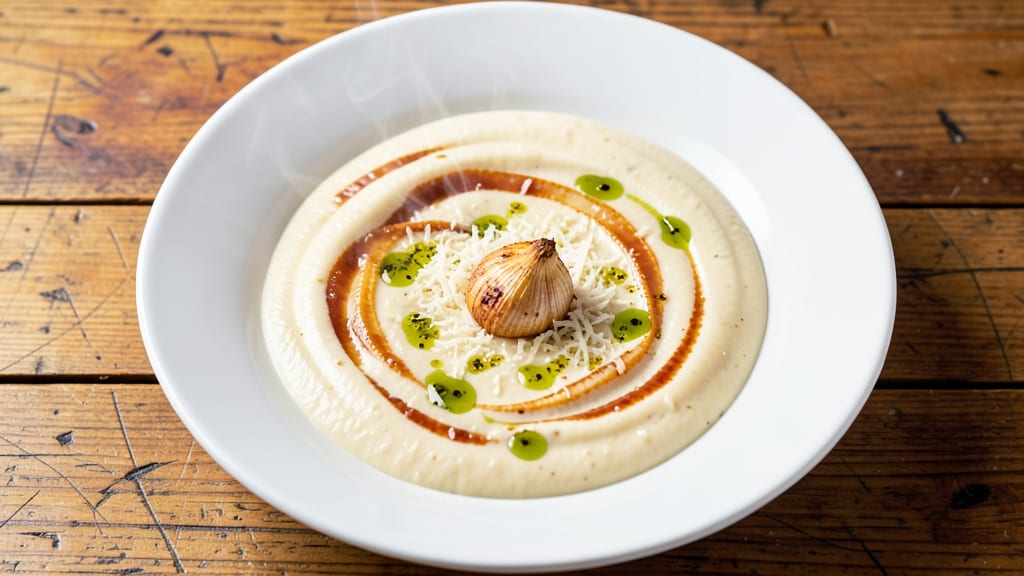
This Alfredo sauce recipe with flour and heavy cream delivers that signature silky, velvety texture without the dreaded roux clumps that ruin everything. The secret lies in whisking flour into cold butter first, then gradually incorporating warm cream to create a smooth, lump-free base.
I’ve perfected this method after years of trial and error—no more scraping burnt bits off the bottom of the pot.
What sets this recipe apart is the balance of rich, creamy depth and bright, cheesy flavor. You’ll start with butter and garlic for a fragrant foundation, then build the sauce with heavy cream and a touch of flour for thickening.
The key step? Keeping everything warm as you combine ingredients to prevent separation. By the time you stir in freshly grated Parmesan, you’ll have a sauce so luxurious it’ll make restaurant-quality Alfredo look ordinary.
The result is a velvety, clump-free sauce that clings beautifully to fettuccine, chicken, or vegetables. Unlike traditional roux-based recipes, this version stays smooth even after reheating, making it perfect for meal prep.
Store leftovers in the fridge for up to 5 days or freeze for longer—just reheat gently over low heat to preserve that perfect texture.
This recipe is your go-to for weeknight dinners, special occasions, or impressing guests. The technique is straightforward, but the results are undeniably restaurant-worthy. Let’s get cooking—your next pasta night just got an upgrade.
Ingredients for alfredo sauce recipe with flour and heavy cream
Eight staples for a sauce that's restaurant-worthy without the roux drama.
| Ingredient | Amount | Notes |
|---|---|---|
| Unsalted Butter 🧈 | ½ cup | Cold, cut into small cubes |
| All-Purpose Flour 🌾 | ¼ cup | Sifted for smooth texture |
| Heavy Whipping Cream 🥛 | 2 cups | Full-fat for richness |
| Garlic Cloves 🧄 | 4 cloves | Fresh, minced finely |
| Freshly Grated Parmesan Cheese 🧀 | 1 cup | From a block, not pre-grated |
| Extra-Virgin Olive Oil 🫒 | 1 tbsp | For finishing, fruity variety |
| Diamond Crystal Kosher Salt 🧂 | ½ tsp | Adjust to taste |
| Freshly Ground Black Pepper 🌶️ | ¼ tsp | Freshly cracked preferred |
The butter and flour combo is non-negotiable here—European-style unsalted butter gives the best flavor, and King Arthur flour or any high-protein brand prevents clumping. Grab a wedge of Parmigiano-Reggiano from the deli counter (pre-grated is a crime), and Trader Joe's has the best selection of heavy cream if you want to splurge. The garlic? Four cloves is perfect—any more and it gets bitter. Toast the minced garlic in the butter for 30 seconds before adding flour—that's where the magic starts.
No heavy cream? Full-fat coconut milk works in a pinch, though the texture won't be identical. Running out of Parmesan? Pecorino Romano at half the amount gives a sharper kick. The olive oil isn't just for finishing—drizzle a teaspoon into the warm sauce at the end to keep it silky when reheating. And if your flour is old? Toast it lightly in a dry pan for 2 minutes to neutralize any funk. The sauce will taste like you spent hours on it, even if you didn't.
This sauce reheats beautifully—just warm it gently over low heat with a splash of cream or milk to restore its velvety texture. Keeps 5 days in the fridge, 3 months frozen in airtight containers. I double the batch every time, portion it into ice cube trays, then transfer to freezer bags. Perfect for last-minute pasta nights or impressing guests who think Alfredo is just 'cheese and cream'
Why You'll Love This Recipe
- No-Fuss Stovetop Magic: I swear by this sauce because it’s literally a 10-minute melt-and-stir. Brown that butter first—don’t skip it—and you’ll get this nutty depth that turns "store-bought" into "restaurant-quality" without extra steps.
- Garlic-Parmesan Bomb: That raw garlic sizzling in the butter? It’s the secret weapon. The heavy cream smooths it out, but the sharpness of the Parmesan—freshly grated, not the dusty stuff—cuts through like a knife. It’s rich but bright, not heavy.
- Weeknight to Date Night: Same recipe, endless uses. Toss it with fettuccine for a 20-minute dinner, drizzle it over roasted chicken thighs, or even slather it on garlic bread. Honestly, I’ve used it for all three this month—no regrets.
- Leftovers That Don’t Suck: This sauce actually improves the next day. The flavors meld, and it’s still creamy (no weird separation). I double the batch, freeze half, and pull it out for lazy nights—zero reheating drama, just pure comfort.
Step-by-step instructions for Alfredo sauce with flour and heavy cream
Here's how to make a restaurant-worthy alfredo that's silky, velvety, and completely free of those dreaded flour lumps.
Create a Smooth Flour Slurry
In a medium saucepan, combine the 0.5 cup unsalted butter and place over medium-low heat. Let it melt completely, then reduce heat to the lowest setting to prevent browning. In a separate bowl, whisk together the 0.25 cup all-purpose flour and 2 cups heavy whipping cream until completely smooth - this prevents lumps when added to the butter.
Here's the thing - adding flour directly to hot butter creates lumps. By whisking it with cold cream first, you create a smooth slurry that blends seamlessly. Keep the heat gentle; you're not cooking the flour yet, just preparing it for the next step.
Slowly Combine and Simmer
With the butter gently melting, slowly pour in the flour-cream mixture while whisking constantly. The sauce should thicken immediately - you're essentially making a white sauce, but with a crucial difference: no roux development that can burn. Keep whisking for 2-3 minutes until the mixture is completely smooth and begins to thicken noticeably.
This slow combination is where the magic happens. The cold cream cools the butter slightly, preventing the flour from cooking too quickly. You'll see the sauce transform from thin to thick right before your eyes - that's when you know you're on track.
Add Garlic and Cheese
Remove the saucepan from heat and stir in the 4 minced garlic cloves and 1 cup freshly grated parmesan cheese. Let the mixture sit off the heat for 3-5 minutes - this allows the garlic to infuse without burning and the cheese to melt completely. The sauce should now be thick but still pourable.
I always use freshly grated parmesan here because pre-grated cheese contains anti-caking agents that can make the sauce grainy. The garlic should melt into the sauce rather than remain distinct pieces. If you notice any separation, simply stir vigorously to re-emulsify.
Finish and Season
Return the sauce to low heat and add the 1 tablespoon extra-virgin olive oil. This final step adds richness and helps create that signature silky texture. Stir in the 0.5 teaspoon kosher salt and 0.25 teaspoon black pepper, then taste and adjust seasoning if needed.
The olive oil might seem like an odd addition, but it's what gives authentic alfredo its luxurious mouthfeel. The sauce should now coat the back of a spoon smoothly with no lumps. For best results, keep the sauce warm but not boiling - it will thicken further as it cools slightly, so don't over-thicken it now.
Serve Immediately
Strain the sauce through a fine-mesh sieve to ensure absolute smoothness, then drizzle with additional olive oil if desired. Serve immediately over freshly cooked fettuccine or your choice of pasta. The sauce should cling beautifully to each strand without breaking or separating.
This sauce is at its peak when served fresh - it thickens as it cools, so don't make it too far ahead. If you need to reheat, do so gently over low heat while stirring constantly to prevent skin formation. The result should be a velvety, rich sauce that's the perfect complement to your pasta dish.
Pro Tips For Making Alfredo Sauce Recipe With Flour And Heavy Cream
- Whisk Like You Mean It: The roux is where flavor hides—or gets ruined. Use a wire whisk and stir constantly for 2-3 minutes after adding flour to butter, or you’ll end up with raw flour taste. I learned this the hard way when my sauce tasted like chalky glue.
- Toast the Garlic: Crush those garlic cloves first, then fry them in butter until just golden—not brown. Overcooking turns them bitter, and you’ll regret it when the sauce tastes like a chemistry experiment. Keep an eye on it; it’s faster than you think.
- Strain the Cream: Heavy cream separates when heated, and lumps in sauce are a nightmare. After simmering, pour the sauce through a fine-mesh strainer into a clean pot. Yes, it’s an extra step, but smooth sauce is worth it—especially when you’re serving it to people who notice details.
- Finish with Cold Parmesan: Grate your Parmesan fresh, but toss it in the fridge for 10 minutes before adding it to the sauce. Cold cheese melts cleaner and doesn’t turn the sauce greasy. Trust me, your pasta will taste richer, and you’ll avoid that weird, oily film on top.
Perfect pairings for these flavors
Pasta Pairings
This creamy Alfredo sauce is made for fettuccine—the wide, flat strands catch every velvety strand beautifully. For a lighter option, try angel hair pasta or linguine, which soak up the sauce without becoming soggy.
I also love it with chicken tenders or shrimp scampi for a protein-packed twist. 🍝
Protein Additions
Add grilled chicken breast or seared scallops to elevate your dish. For a vegetarian option, toss in sautéed mushrooms or asparagus just before serving. I often make a double batch—half for pasta and half for garlic bread dipping. The sauce's richness pairs perfectly with crispy, golden crust.
Vegetable Complements
Bright, fresh vegetables cut through the sauce’s richness. Try roasted broccoli, sautéed spinach, or blistered cherry tomatoes on top. For a pop of color, add thinly sliced red bell peppers or fresh basil leaves right before serving.
The acidity from tomatoes or the peppery bite of spinach balances the creamy texture beautifully. 🥦
Bread and Sides
Serve with crusty Italian bread or garlic knots for dipping—it’s a crowd-pleaser at parties. For a complete meal, add a simple arugula salad with lemon vinaigrette or roasted Brussels sprouts with balsamic glaze. The contrast of textures and flavors makes every bite satisfying.
Wine and Drink Pairings
A dry white wine like Pinot Grigio or Chardonnay complements the sauce’s creaminess without overpowering it. For beer lovers, a light lager or wheat beer works perfectly.
I also enjoy a sparkling water with lemon to cleanse the palate between bites. Avoid heavy reds—they clash with the sauce’s delicate richness. 🍷
Make-Ahead Tips
This sauce reheats beautifully, so prep it ahead for busy nights. Store in an airtight container in the fridge for up to 5 days or freeze in ice cube trays for portion control.
When reheating, add a splash of heavy cream or milk to restore its silky texture. Just don’t overcook—gentle heat is key to keeping it smooth. ✨
Nutrition facts
Frequently asked questions
Why does this recipe avoid making a roux?
This method skips traditional roux (butter + flour cooked together) to prevent those dreaded lumps and burnt bits. By whisking flour with cold cream first, we create a smooth slurry that blends seamlessly with melted butter. The sauce thickens gently without developing a raw flour taste or risking scorching.
Can I substitute heavy cream with something lighter?
For best results, stick with full-fat heavy cream—it creates that signature velvety texture. In a pinch, use half-and-half mixed with 2 tablespoons cream cheese per cup, but the sauce will be slightly thinner. Never use skim milk or it'll separate completely.
How do I fix a sauce that's too thick or too thin?
For thin sauce: Simmer uncovered for 2-3 minutes to evaporate excess liquid. For thick sauce: Thin with 1 tablespoon warm heavy cream or milk while whisking constantly. Never add cold liquid—it causes separation. The sauce will thicken further as it cools, so stop when it's slightly thinner than desired.
Can I make this sauce dairy-free?
Yes! Replace butter with olive oil, heavy cream with full-fat coconut milk, and Parmesan with nutritional yeast plus vegan Parmesan. Use 1 tablespoon cornstarch mixed with cold water as a thickener instead of flour. The texture will be slightly different but still delicious.
Why does my sauce separate when reheating?
This happens when the sauce cools too much before reheating. Always reheat gently over low heat while stirring constantly. If it separates, whisk in 1 teaspoon cold butter or a splash of warm cream to re-emulsify. For best results, reheat only what you need and keep the rest warm in a thermos.