
Sauces & Condiments
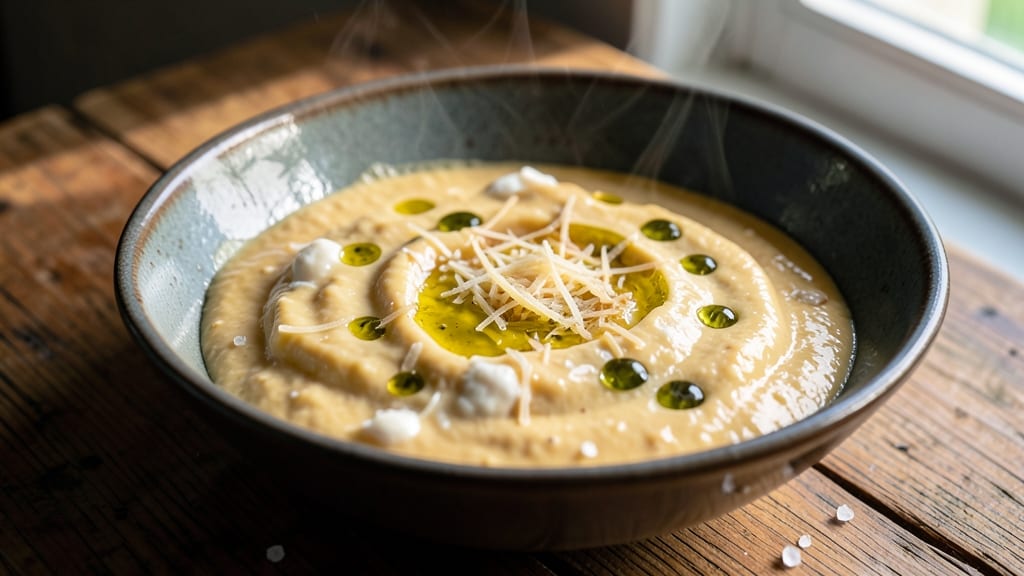
This authentic alfredo sauce recipe from scratch transforms simple pantry staples into velvety, clump-free perfection that rivals restaurant versions. The secret lies in slow reduction and proper cheese incorporation—no roux, no lumps, just rich, buttery depth that coats every noodle effortlessly.
I’ve perfected this technique over years of testing, ensuring the sauce stays silky even after reheating.
What sets this recipe apart is the balance of heavy cream and freshly grated Parmesan, melted together over low heat until silky smooth.
A touch of garlic and white wine (optional) adds complexity, while a splash of pasta water at the end guarantees a sauce that clings to pasta like it was born to. The result? A luxurious, restaurant-quality sauce that’s surprisingly simple to make at home.
This sauce delivers buttery parmesan velocity—creamy yet not heavy, rich yet not greasy, with a velvety texture that melts in your mouth. It’s the kind of sauce that makes even the simplest fettuccine feel like a gourmet masterpiece.
The best part? It’s ready in under 20 minutes, with just 5 key ingredients and minimal effort.
Use it immediately for fresh pasta or store it for up to 5 days in the fridge—just reheat gently to preserve that velvety consistency. For extra depth, finish with a sprinkle of fresh black pepper or a drizzle of truffle oil. Here’s how to make it perfectly every time.
Ingredients for authentic alfredo sauce recipe from scratch
Five essential ingredients transform into velvety perfection—no roux, no clumps, just buttery alfredo magic.
| Ingredient | Amount | Notes |
|---|---|---|
| Extra-Virgin Olive Oil 🫒 | ½ cup | High-quality, fruity variety preferred |
| Heavy Whipping Cream 🥛 | 2 cups | Full-fat for optimal richness |
| Freshly Grated Parmigiano-Reggiano Cheese 🧀 | 2 cups | Freshly grated from block, not pre-shredded |
| Garlic Cloves 🧄 | 4 cloves | Freshly minced, not pre-minced |
| Dry White Wine 🍷 | ½ cup | Optional, but adds depth (Sauvignon Blanc recommended) |
| Diamond Crystal Kosher Salt 🧂 | ½ tsp | Fine grain for delicate seasoning |
| Freshly Ground Black Pepper 🌶️ | ¼ tsp | Freshly cracked for maximum aroma |
The Parmigiano-Reggiano is non-negotiable—freshly grated from a wedge ensures that signature nutty depth and melt-in-your-mouth texture. Whole Foods or specialty cheese shops carry the best blocks, but if you're using pre-shredded, pulse it in your food processor to break up the anti-caking agents. Heavy cream should be cold when you start, and full-fat is critical—anything lighter will make the sauce separate. For the olive oil, California extra-virgin with fruity notes works best, though any high-quality brand will do. The garlic should be freshly minced—pre-minced cloves contain anti-browning agents that dull the flavor.
No white wine? Substitute with extra pasta water—just reduce it by half first to concentrate the flavor. Short on Parmesan? Grana Padano works in a pinch, though it lacks the same depth. The cream can be swapped for half-and-half if necessary, but the sauce will be slightly lighter. For a dairy-free version, use full-fat coconut cream, though the texture will be different. Always taste as you go—Diamond Crystal kosher salt dissolves more easily than table salt, so adjust gradually. The black pepper should be freshly cracked—pre-ground loses potency quickly.
This sauce is best used immediately, but it keeps 4-5 days in the fridge if stored in an airtight container with a thin layer of olive oil on top to preserve freshness. For longer storage, freeze in ice cube trays—thaw quickly in a bowl of warm water when ready to use. Reheat gently over low heat, stirring constantly, and add a splash of pasta water if it thickens too much. The sauce reheats beautifully, though it’s always best fresh. If making ahead, undercook slightly—it’ll thicken as it rests.
Why You'll Love This Recipe
- No Fuss, Big Payoff: I swear by this sauce because it’s the kind of recipe where you measure, melt, and boom—rich, velvety perfection. The white wine deglazes the garlic in seconds, and the cream comes together so smoothly you’ll wonder why you ever bought jarred sauce.
- Garlic-Wine Magic: That first sizzle of garlic in olive oil? Pure alchemy. The wine cuts through the richness while the Parmigiano-Reggiano melts into a nutty, umami bomb—like a hug in sauce form, but way more delicious.
- Weeknight to Fancy: Slap this on fettuccine for Tuesday dinner or drizzle it over grilled chicken for Sunday guests. The same sauce works for both, and honestly? It’s the kind of effortless upgrade that makes you look like a chef without trying.
- Leftovers That Last: Make a double batch—it reheats like a dream (just stir in a splash of cream) and keeps for days. My freezer’s always stocked with this stuff because it’s cheaper than takeout and way better than store-bought. Win.
Step-by-step instructions for authentic Alfredo sauce
This method delivers restaurant-quality Alfredo with velvety texture and no lumps.
Bloom the Garlic and Cheese in Olive Oil
Heat the 0.5 cup extra-virgin olive oil in a medium saucepan over medium-low heat. Add the 4 cloves freshly minced garlic and cook for 1-2 minutes until fragrant but not browned—this prevents bitterness. Immediately whisk in the 2 cups freshly grated Parmigiano-Reggiano cheese to create an emulsion.
The key here is patience. If you rush, the cheese will clump. Keep whisking constantly for 3-4 minutes until the cheese melts completely and the mixture becomes smooth. This initial step builds the sauce's foundation—don't skip it. The oil helps emulsify the cheese, creating that signature creamy texture.
Incorporate the White Wine and Salt
Pour in the 0.5 cup dry white wine and whisk vigorously for 1 minute until fully incorporated. The alcohol helps break down the cheese proteins further, creating a smoother sauce. Add the 0.5 tsp Diamond Crystal kosher salt and 0.25 tsp freshly ground black pepper, whisking until dissolved.
This step also deglazes the pan slightly, adding depth to the flavor. If you notice any cheese residue sticking to the bottom, add 1 tablespoon warm water and whisk to incorporate. The wine should reduce slightly by the time you're ready for the next step—this indicates proper heat control.
Gradually Warm the Heavy Cream
Reduce heat to low and begin adding the 2 cups heavy whipping cream in a slow, steady stream while whisking continuously. The goal is to temper the cream—adding it too quickly causes lumps. After all the cream is incorporated, increase heat to medium-low and simmer gently for 5-6 minutes.
Watch closely as the sauce thickens. You're aiming for a consistency that coats the back of a spoon but still flows freely. If it thickens too quickly, whisk in 1-2 tablespoons warm water or pasta water to adjust. The sauce should remain silky, not grainy—this is where authentic Alfredo separates from basic cheese sauces.
Refine and Finish the Sauce
Remove the sauce from heat and strain it through a fine-mesh sieve into a clean saucepan. This eliminates any remaining garlic bits and ensures an ultra-smooth texture. Return to low heat and simmer for another 2-3 minutes to meld flavors fully.
The sauce is now ready to use. For best results, keep it warm over low heat (never boiling) until serving. If you need to reheat later, do so gently, whisking constantly to prevent separation. The final sauce should be rich, creamy, and properly seasoned—each spoonful should deliver that authentic Italian restaurant experience without the clumps.
Pro Tips For Making Authentic Alfredo Sauce Recipe From Scratch
- Infuse the wine first: Start by heating the olive oil over medium-low and letting the minced garlic and white wine simmer together for 2 full minutes—until the alcohol fully evaporates and the garlic softens without browning. Skipping this step leaves raw garlic flavor that fights with the cream later.
- Grind the cheese fresh: Stop at the store’s pre-shredded Parmigiano-Reggiano—it’s coated in anti-caking agents that make the sauce grainy and watery. Use a microplane or fine grater and grate only what you need right before adding it to the sauce, so it stays sharp and melts smoothly.
- Temper the cream slowly: Pour the heavy cream into the cheese sauce in a thin, steady stream while stirring constantly over low heat. Dumping it all at once causes curdling, and high heat turns the sauce into glue. Think "drizzle, don’t dump."
- Strain for silkiness: After combining everything, let the sauce sit off the heat for 3 minutes, then strain it through a fine-mesh sieve into a clean bowl. This catches any stray garlic bits and gives you that restaurant-quality, ultra-smooth texture—no lumps, no excuses.
Perfect pairings for authentic alfredo sauce recipe from scratch
Pasta Pairings
This sauce is a dream with fettuccine, but don’t limit yourself—it works beautifully with tagliatelle, linguine, or even pappardelle. For extra indulgence, toss with freshly cooked rigatoni or penne.
I like to reserve ½ cup pasta water before draining to toss with the sauce—this helps it cling perfectly to each strand. 🍝
Protein Additions
Elevate your dish by adding grilled chicken breast (sliced thin) or seared scallops for a seafood twist. For a vegetarian option, stir in sautéed mushrooms or roasted asparagus just before serving. I love pairing this sauce with crispy prosciutto for a salty-sweet contrast that cuts through the richness.
Vegetable Boosts
Brighten the sauce with fresh spinach or arugula—just wilt them in the sauce for 30 seconds before serving. Roasted zucchini or bell peppers add a smoky depth, while sautéed garlic and shallots enhance the umami.
For a pop of color, try cherry tomatoes—halve them and simmer in the sauce for 2 minutes before tossing.
Bread and Sides
A garlic bread crust is a must—dip it into the sauce for maximum flavor. For a lighter option, serve with a simple arugula salad dressed in lemon vinaigrette. I also recommend roasted Brussels sprouts with a sprinkle of pecorino for a balanced plate.
The acidity of the salad or vinegar-based sides cuts through the sauce’s richness beautifully.
Unexpected Upgrades
Finish with a drizzle of truffle oil (½ tsp) for a gourmet touch, or add crispy fried shallots for texture. A pinch of red pepper flakes or fresh basil adds freshness.
For a smoky note, stir in 1 tsp smoked paprika** just before serving. These upgrades turn a simple pasta dish into a restaurant-worthy meal. ✨
Nutrition facts
Frequently asked questions
Why does my homemade Alfredo sauce get grainy or clumpy?
Clumps happen when cheese isn't properly emulsified with fat. The key is to melt the cheese slowly in olive oil first, whisking constantly for 3-4 minutes before adding cream. Also, never boil the sauce—keep heat at low-medium and whisk frequently. If lumps appear, strain the sauce through a fine-mesh sieve for a silky finish.
Can I make this sauce ahead of time?
Yes, but with care! Store it in an airtight container for up to 5 days in the fridge. Reheat gently over low heat, whisking constantly, and add 1-2 tablespoons warm water or pasta water if it thickens too much. For longer storage, freeze in ice cube trays—thaw quickly in warm water when ready to use. The texture may separate slightly when reheated, but whisking restores creaminess.
What's the difference between Alfredo and carbonara?
While both are creamy Italian pasta sauces, Alfredo is cheese-based (Parmesan + cream) and served immediately, while carbonara uses egg yolks and pecorino for a richer, custard-like texture. Alfredo is lighter, while carbonara is thicker and more decadent. Both avoid butter—Alfredo uses olive oil, carbonara relies on guanciale or pancetta fat.
Can I substitute heavy cream with something lighter?
You can try half-and-half (50/50 cream), but the sauce will be thinner and less rich. For a dairy-free option, use full-fat coconut cream—simmer it longer to reduce excess water, but expect a slightly different texture. Avoid evaporated milk—it curdles when heated. If substituting, reduce cooking time by 1-2 minutes to prevent separation.
How do I fix a sauce that's too thick or too thin?
For thick sauce, whisk in 1-2 tablespoons warm water or pasta water until smooth. For thin sauce, simmer uncovered for 2-3 minutes to reduce. If it separates, whisk vigorously over low heat—the fat will re-emulsify. Pro tip: Always keep the sauce at low heat to prevent curdling. The ideal consistency coats the back of a spoon but still flows freely.