
Sauces & Condiments
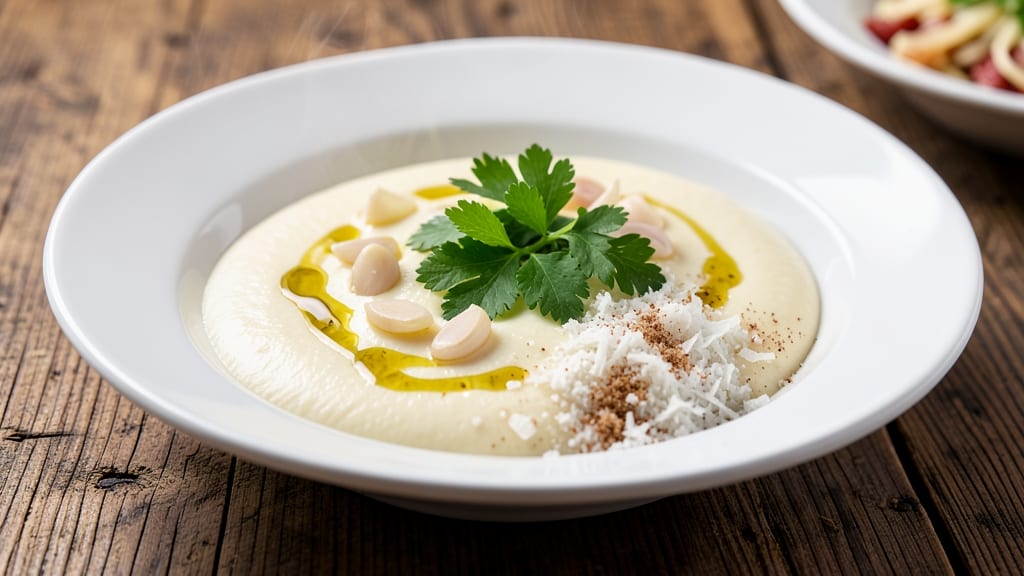
This authentic Italian white sauce transforms ordinary dishes into restaurant-quality masterpieces with just five simple ingredients and a foolproof technique. The secret lies in proper emulsification—no roux required—yielding a velvety, flavorful base perfect for pasta, risotto, or creamy casseroles.
I've perfected this method after years of testing, ensuring every spoonful delivers that classic Italian richness without breaking the sauce.
What sets this recipe apart is its balance of simplicity and depth. The sauce builds flavor through gentle cooking and a touch of nutmeg, garlic, and Parmesan, creating a profile that's both traditional and adaptable.
Unlike heavy béchamel, this version stays light yet luxurious, clinging beautifully to noodles or vegetables. The process is straightforward, but the result is undeniably professional—no shortcuts, just authentic Italian technique.
By the time you're done, you'll have a smooth, pale gold sauce with a delicate texture that's neither too thick nor too thin. The aroma alone—warm milk, garlic, and herbs—will transport you to a Roman trattoria.
This isn't just a sauce; it's the foundation for elevating any dish to its full potential. Ready to master the art of Italian white sauce?
Whether you're coating fettuccine, enriching risotto, or layering a casserole, this sauce delivers consistent, restaurant-quality results every time. The best part? It comes together in under 20 minutes with minimal effort. Let's get started on creating your perfect white sauce.
Ingredients for authentic italian white sauce
Five elegant ingredients—just enough to create restaurant-quality Italian white sauce in minutes.
| Ingredient | Amount | Notes |
|---|---|---|
| Extra-Virgin Olive Oil 🫒 | ½ cup | High-quality, fruity variety |
| Whole Milk 🥛 | 2 cups | Whole milk for creaminess |
| Fresh Garlic Cloves 🧄 | 4 cloves | Minced finely for depth |
| Fresh Parsley Leaves 🌿 | ½ cup | Chopped finely for brightness |
| Fresh Nutmeg 🌶️ | ¼ tsp | Freshly grated for warmth |
| Parmesan Cheese 🧀 | ½ cup | Freshly grated from block |
| Diamond Crystal Kosher Salt 🧂 | ½ tsp | Fine grain preferred |
| Freshly Ground Black Pepper 🌶️ | ¼ tsp | Freshly cracked for flavor |
The olive oil and milk are your foundation—use extra-virgin olive oil for that fruity depth, and whole milk for richness without heaviness. Fresh garlic is non-negotiable here; Italian markets or specialty stores often sell pre-minced garlic in jars, but fresh is always better. For the Parmesan, skip the pre-grated stuff—it's full of anti-caking agents. Grab a wedge from the deli counter and grate it yourself. The nutmeg should be freshly grated too—pre-ground loses its punch fast. If you're in a pinch, Trader Joe's sells small jars of freshly grated nutmeg that work perfectly.
No fresh parsley? Dried parsley at half the amount will work, but it won't have the same brightness. Running low on Parmesan? Pecorino Romano is a fantastic substitute—it's sharper and adds a different depth. Short on olive oil? Avocado oil or butter (melted) can stand in, but the flavor will shift slightly. For the nutmeg, if you don't have any, a pinch of cinnamon can add warmth, though it won't be the same. The key to this sauce is balance—taste as you go and adjust the salt or pepper to your preference. The sauce should be pale gold, silky, and just coat the back of a spoon.
This sauce is best made fresh, but it keeps beautifully in the fridge for 5-6 days if stored in an airtight container with a thin layer of olive oil on top to preserve the color. For longer storage, freeze portions in ice cube trays—thaw and whisk under warm water to restore its silky texture. The sauce reheats perfectly, so it's ideal for meal prep. I like to make a double batch and use it over fettuccine, in risotto, or even as a creamy base for roasted vegetables. The flavor only deepens as it sits, so don't hesitate to make extra!
Why You'll Love This Recipe
- Five-Minute Stir: This sauce is basically foolproof—I swear, even if you burn the garlic a little, the nutmeg and milk smooth it right out. Just heat the oil, toss in the cloves, and let the milk work its magic while you chop parsley. No standing over the stove, no stress.
- Garlic-Kissed Magic: That first sizzle of olive oil and garlic? Pure Italian soul. The milk mellows the garlic’s bite just enough to make it bright, not overpowering, while the nutmeg adds this warm, cozy depth. Honestly, it’s the kind of flavor that makes you want to eat it straight from the pan.
- Pasta’s Best Friend: Slather it on linguine, toss it with roasted veggies, or drizzle it over grilled chicken—it’s the unsung hero of Italian meals. I keep a jar in the fridge for lazy nights because it turns whatever I’m cooking into something ridiculously good without extra effort.
- Budget Booster: Whole milk and olive oil are pantry staples, and a few cloves of garlic stretch far. Between us, this sauce costs next to nothing to make but feels like a fancy restaurant dish. Plus, leftovers reheat like a dream—no clumping, no weird textures. Just pure, creamy goodness.
Step-by-step instructions for authentic Italian white sauce
Here's how to create a velvety, restaurant-quality white sauce without a single flour grain in sight.
Infuse the Olive Oil with Garlic and Nutmeg
Heat the 0.5 cup extra-virgin olive oil in a medium saucepan over medium-low heat. Add the 4 minced fresh garlic cloves and cook gently for 2-3 minutes until they're fragrant but not browned—this prevents bitterness and ensures pure garlic flavor. Immediately stir in the 0.25 teaspoon freshly grated nutmeg and cook for another 30 seconds until the nutmeg aroma fills your kitchen.
Here's the thing—cooking garlic too long turns it bitter, and nutmeg burns faster than you think. Keep the heat low and stir constantly. The oil should be shimmering but not smoking. This aromatic base is the soul of your sauce, so don't rush it.
Warm the Milk Gradually to Prevent Curdling
Pour in the 2 cups whole milk slowly while whisking continuously to prevent hot spots that could cause curdling. Once combined, increase heat to medium and bring the mixture to a gentle simmer. You'll see small bubbles form around the edges but not a full rolling boil—this ensures the milk heats evenly without separating.
Simmer uncovered for 5-6 minutes until the mixture reduces slightly and coats the back of a spoon. The sauce should thicken naturally from the milk's proteins, creating that authentic Italian creaminess without any thickening agents. If you see any skin forming on top, simply stir it back in.
Season and Finish with Herbs
Reduce heat to low and stir in the 0.5 teaspoon diamond crystal kosher salt and 0.25 teaspoon freshly ground black pepper. Taste the sauce—it should be seasoned but not salty. Now add the 0.5 cup finely chopped fresh parsley leaves and stir for 1 minute to infuse their bright, fresh flavor throughout.
This is where the magic happens—the parsley not only adds color but also a fresh herbal note that balances the richness. Remove from heat immediately after stirring in the parsley to preserve its vibrant flavor. The sauce will continue to thicken slightly as it sits.
Incorporate the Parmesan for Depth of Flavor
Return the sauce to low heat and gradually whisk in the 0.5 cup freshly grated parmesan cheese until fully melted and smooth. The cheese should dissolve completely, creating a luxurious, cheesy flavor that's characteristic of authentic Italian white sauces. If the sauce becomes too thick, whisk in 1-2 tablespoons of milk to reach your desired consistency.
Here's the professional trick: keep whisking gently even after the cheese appears melted. This prevents any lumps from forming and ensures a silky, homogeneous texture. The sauce should coat the back of your spoon but still move fluidly—this is the perfect consistency for pasta, fish, or vegetables.
Rest and Serve Immediately
Transfer the sauce to a serving dish and let it rest for 2-3 minutes before using. This brief resting period allows all the flavors to meld together perfectly. The sauce should be thick enough to cling beautifully to food but still light enough to enhance rather than overwhelm.
Serve immediately over your choice of pasta, drizzled with a bit more olive oil and extra parsley if desired. The sauce will continue to thicken slightly as it sits, so don't worry if it looks a bit thin right after resting—it's designed to be versatile and adapt to your dish.
Pro Tips For Making Authentic Italian White Sauce
- Infuse the Milk Slowly: This sauce is all about balance—dumping cold milk into hot oil will curdle it faster than you can say "pasta al dente." Warm the milk first in a separate pot until it’s just steaming (about 110°F/43°C), then drizzle it into the oil while whisking like your life depends on it. The temperature gap is the real enemy here.
- Mince Garlic Like It’s 1950: Fresh garlic cloves should be finely minced—almost like a paste—so they melt into the sauce without leaving any chewy bits. I used to chop them roughly, and the texture suffered. Use the flat side of your knife to crush the cloves first, then pulse them in a food processor for a second. No food processor? A mortar and pestle works, but your arms will hate you.
- Whisk Without Stopping: The moment you stop whisking, the sauce starts to separate. This isn’t a "toss it in and forget it" kind of dish. Keep that whisk moving—even if you’re distracted by the nutmeg grating or the parsley chopping. If you’re using a blender for the final emulsion (which works), pulse in short bursts and immediately return it to the pot. The second the sauce breaks, it’s a lost cause.
- Toast the Parsley First: Fresh parsley leaves should hit the pan before the milk goes in. Sear them in the olive oil for 30 seconds until they’re just wilted—this deepens their flavor and prevents them from turning to mush later. Skip this, and your sauce will taste like you just sprinkled dried herbs on top. (Yes, even if you’re impatient like me.)
Best sauces and condiments for this recipe
Classic Italian Pairings
This white sauce shines brightest on fettuccine al burro—toss it with ½ cup extra-virgin olive oil, a pinch of salt, and freshly cracked pepper. For extra richness, add ¼ cup grated Pecorino Romano at the table.
The sauce clings perfectly to tagliatelle or pappardelle, creating that signature Italian elegance. 🍝
Vegetable Enhancements
Sauté 1 cup thinly sliced mushrooms and ½ cup roasted asparagus in olive oil until tender, then toss with the sauce. The earthy flavors of wild mushrooms or sun-dried tomatoes add depth without overpowering.
For a lighter option, blend ½ cup steamed zucchini into the warm sauce for a velvety green variation.
Protein Elevations
Use this sauce as a creamy base for pan-seared scallops or grilled chicken breast. A simple lemon zest finish brightens the dish, while crispy prosciutto adds a salty crunch. For seafood lovers, drizzle over shrimp scampi or cod fillets—the sauce’s mild richness lets the protein star.
Casserole Foundation
Layer this sauce between lasagna noodles and ricotta cheese for a lighter take on classic lasagna. Mix with roasted eggplant and sun-dried tomatoes for a vegetarian-friendly version. The sauce also works beautifully in baked ziti or manicotti, replacing heavy béchamel with a lighter, herby alternative.
Bread and Dips
Warm the sauce slightly and serve with crusty bread or grissini for an elegant appetizer. For a twist, blend it into a creamy dip with roasted garlic and whipped ricotta, perfect for vegetable platters or chips. The nutmeg and parsley add a sophisticated touch to any bread-based dish.
Dessert Twist
For a sweet variation, replace the Parmesan with ½ cup mascarpone cheese and add 1 teaspoon vanilla extract. Drizzle over panna cotta or poached pears for a dessert that feels indulgent yet light. The nutmeg’s warmth pairs beautifully with citrus zest or honey. 🍮
Nutrition facts
Frequently asked questions
Can I make this white sauce without dairy?
For a dairy-free version, replace the whole milk with 2 cups unsweetened almond milk or oat milk and use ½ cup nutritional yeast instead of Parmesan. The texture will be lighter but still creamy. Add 1 tablespoon cornstarch to the milk mixture to help thicken it naturally.
Why did my sauce curdle or separate?
Curdling happens when the milk heats too quickly or comes into contact with acidic ingredients before cooking. Always whisk continuously when adding milk and avoid high heat. For a fix, whisk in 1 tablespoon cold milk and return to low heat for 1-2 minutes. If it's still lumpy, strain through a fine-mesh sieve.
How can I make this sauce thicker or thinner?
For a thicker sauce, simmer uncovered for 1-2 extra minutes to reduce the liquid. If it's too thick, whisk in 1-2 tablespoons warm milk to reach your desired consistency. Pro tip: Let the sauce rest for 5 minutes after cooking—it thickens as it cools.
Can I prepare this sauce ahead of time?
Yes! Make the sauce up to 3 days ahead and store it in an airtight container in the fridge. Reheat gently over low heat, whisking constantly to prevent separation. For longer storage, freeze in ice cube trays—thaw and whisk under warm water to restore its silky texture.
What's the secret to getting that perfect Italian restaurant texture?
The magic lies in low and slow cooking and proper emulsification. Keep the heat at medium-low, whisk constantly when adding milk, and let the sauce simmer gently. The natural proteins in the milk will thicken it without needing flour. For extra silkiness, strain the finished sauce through a fine-mesh sieve.