
Sauces & Condiments
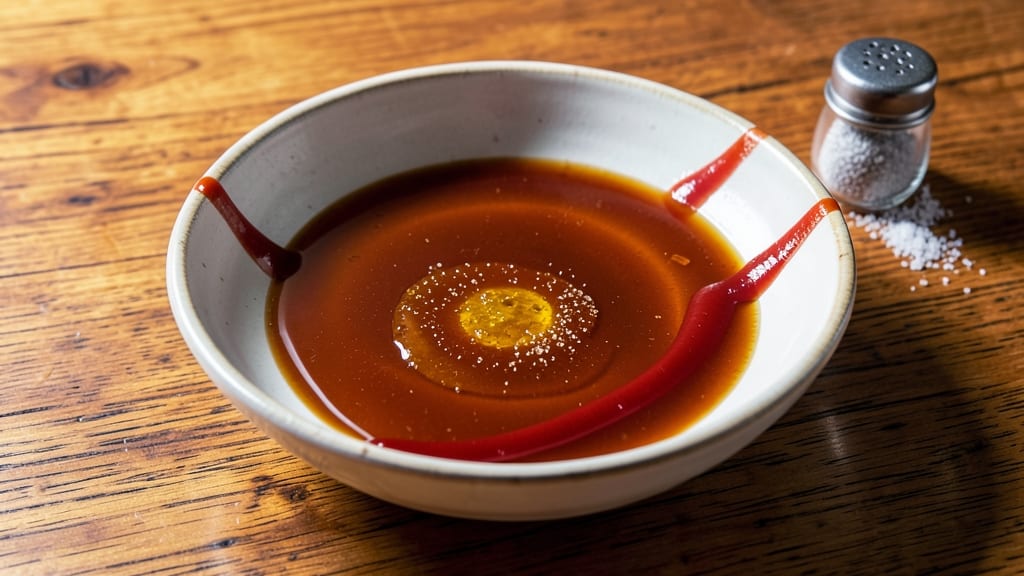
Creating an authentic tonkatsu sauce without Worcestershire is easier than you think, and this recipe delivers the same rich, umami-packed balance in just minutes. The secret lies in a precise blend of soy sauce, mirin, and a touch of vinegar to mimic Worcestershire’s depth without relying on it.
I developed this version after realizing how often Worcestershire was hard to find, and the results are just as flavorful.
This sauce is designed to complement crispy fried dishes like tonkatsu, chicken katsu, or even tempura, adding a sweet, savory glaze that clings perfectly to golden-brown surfaces.
The combination of soy sauce for saltiness, mirin for sweetness, and a hint of vinegar for tang creates a harmonious flavor that’s both familiar and refined. It’s a game-changer for anyone looking to elevate their fried foods with restaurant-quality sauce.
The preparation is straightforward: combine the ingredients in a saucepan and simmer until thickened, then let it cool before using. The sauce keeps well in the refrigerator for up to two weeks, making it a versatile pantry staple.
Whether you’re serving tonkatsu, fried chicken, or even grilled meats, this sauce will add a professional touch to your dishes.
For extra depth, a splash of dashi powder or a pinch of sugar can enhance the umami further, but the base recipe stands strong on its own. Let’s get started on making this versatile, Worcestershire-free sauce that’s sure to become a kitchen essential.
Ingredients for tonkatsu sauce recipe without worcestershire
Eight simple ingredients transform into a restaurant-quality tonkatsu sauce without Worcestershire.
| Ingredient | Amount | Notes |
|---|---|---|
| Soy Sauce 🥢 | ½ cup | High-quality, preferably Japanese |
| Mirin 🍶 | ⅓ cup | Sweet cooking wine, not substitute |
| Rice Vinegar 🍶 | 0.17 cup | White vinegar substitute if needed |
| Granulated Sugar 🍬 | 0.17 cup | Adjust for preferred sweetness |
| Dashi Powder 🍜 | 1 tbsp | Instant dashi for umami depth |
| Ketchup 🍅 | 0.17 cup | For tangy balance (optional) |
| Water 💧 | 0.17 cup | Adjust for desired consistency |
| Salt 🧂 | ½ tsp | Fine sea salt for seasoning |
| Black Pepper 🌶️ | ¼ tsp | Freshly ground for finish |
The foundation starts with Japanese soy sauce—skip the generic brands and grab Kikkoman or Hondashi for authentic depth. Mirin is non-negotiable here; Trader Joe's or Matsuhisa brands deliver the right balance of sweetness and acidity without overpowering. If you can't find mirin, white rice vinegar plus 1 tsp sugar works in a pinch, though it lacks the delicate floral notes. For dashi powder, Hondashi or Marukome are reliable choices—avoid the instant ramen variety, as it often tastes artificial. The ketchup adds subtle tang, so Heinz or Del Monte work fine, but don’t skip it entirely if you want that classic tonkatsu tang.
No mirin? Substitute 0.33 cup white rice vinegar plus 1 tbsp sugar, but expect slightly less complexity. Running low on soy sauce? Coconut aminos at half the amount mimics the saltiness, though the flavor profile shifts. Want to skip ketchup? A splash of lemon juice (1 tbsp) brightens the sauce instead. For extra umami without dashi, 1 tbsp fish sauce delivers a similar punch. The black pepper is optional but adds a subtle finish—freshly cracked is ideal, but pre-ground works in a bind. Adjust the sugar to taste; some prefer it sweeter for dipping, others lean toward savory for glazing.
This sauce thickens as it cools, so simmer until slightly syrupy before removing from heat. Store in an airtight container in the fridge for up to 2 weeks, or freeze for 3 months in ice cube trays for single-use portions. Reheat gently on low—no boiling, or it’ll separate. The sauce clings best to hot, crispy foods, so keep it warm if serving immediately. Double the batch; it disappears fast when tonkatsu night rolls around.
Why You'll Love This Recipe
- Pantry Magic: I swear by this sauce because it uses stuff I already have—no specialty shopping needed. The dashi powder adds that umami punch without needing fish flakes, and the mirin cuts through the saltiness like a pro.
- Umami Bomb: That little pinch of dashi powder? It’s the secret weapon. Combined with the deep soy notes and a touch of sugar, it’s got this rich, savory-sweet balance that makes tonkatsu taste like a high-end restaurant dish—not my kitchen.
- Weeknight Hero: I make a double batch on Sundays and keep it in the fridge. Drizzle it over tonkatsu for dinner, toss it with noodles for lunch, or even use it as a quick marinade. It’s my go-to for lazy nights when I still want flavor.
- Budget-Friendly Luxury: Honestly, this sauce costs pennies to make but tastes like a splurge. A splash of mirin and rice vinegar elevates cheap cuts of pork to something special—no fancy ingredients, just smart swaps that deliver big-time flavor.
Step-by-step instructions for tonkatsu sauce without Worcestershire
Here's the method—simple yet precise—to create a rich, balanced tonkatsu sauce using just nine ingredients.
Combine the Base Ingredients
In a medium saucepan, add the 0.5 cup soy sauce, 0.33 cup mirin, 0.17 cup rice vinegar, and 0.17 cup granulated sugar. Stir well to dissolve the sugar completely—this prevents graininess in the finished sauce. The mixture should look smooth and evenly colored, with no visible sugar crystals.
Place the saucepan over medium-low heat and bring to a gentle simmer. You’ll notice small bubbles forming at the edges—this is your signal that the liquid has reached the right temperature. Let it simmer for 5 minutes to allow the flavors to meld and the sugar to fully integrate.
Here's the thing—mirin adds natural sweetness and depth, while rice vinegar provides the necessary acidity. The soy sauce contributes umami, and the sugar balances the tang. Don’t rush this step; patience ensures the flavors harmonize.
Incorporate the Umami and Tang
Reduce the heat to low and sprinkle in the 1 tablespoon dashi powder, stirring constantly for 1 minute until fully dissolved. The dashi powder will dissolve quickly, adding a savory depth that mimics Worcestershire’s umami without needing it. Next, add the 0.17 cup ketchup and stir again until smooth.
Simmer the mixture for an additional 3 minutes, stirring occasionally. You’ll see the sauce begin to thicken slightly as the starches in the ketchup and dashi powder activate. The color should deepen to a rich, glossy red-brown, indicating the flavors are melding.
If you’re using a substitute for rice vinegar, like white vinegar, the sauce will have a slightly sharper tang. Adjust the simmer time by 1-2 minutes if needed—some vinegars evaporate faster than others.
Balance and Finish the Sauce
Remove the saucepan from heat and let it cool for 2 minutes. This brief rest prevents the sauce from continuing to thicken as you stir in the remaining ingredients. While cooling, add the 0.17 cup water, 0.5 teaspoon salt, and 0.25 teaspoon black pepper. Stir thoroughly to combine.
Taste the sauce and adjust the balance as needed. If it’s too tangy, add a pinch more sugar. If it lacks depth, a splash of soy sauce or a tiny bit more dashi powder can help. The goal is a sauce that’s sweet, tangy, savory, and slightly peppery—all at once.
For the best texture, strain the sauce through a fine-mesh sieve into a clean jar or bowl. This removes any undissolved particles, leaving you with a silky, restaurant-quality tonkatsu sauce ready to drizzle over crispy tonkatsu or use in other dishes.
Pro Tips For Making Tonkatsu Sauce Recipe Without Worcestershire
- Simmer Low and Slow: After burning the first batch, I learned tonkatsu sauce demands patience—keep heat at a gentle simmer (not even a rolling boil) or the mirin and vinegar will evaporate before the sugar fully dissolves. Let it bubble softly for 8-10 minutes, stirring occasionally, until the sauce thickens just enough to coat the back of a spoon.
- Strain the Dashi: Dashi powder clumps like a stubborn guest at a dinner party. Whisk it into ¼ cup hot water first, then strain through a fine-mesh sieve before adding to the sauce. This keeps your tonkatsu sauce silky smooth instead of gritty—no one wants to taste powdered dashi granules.
- Balance the Sugar First: Taste the sauce before adding sugar—sweetness can overpower the umami. If it’s already rich from soy and mirin, cut the sugar by half or swap 1:1 with honey (it caramelizes better). I used to dump in the full amount and end up with syrup instead of sauce.
- Vinegar Last, Always: Add rice vinegar in the final 2 minutes of cooking—it’s volatile and will cook off if introduced too early. This keeps the bright acidity intact, which cuts through the richness of the tonkatsu. Trust me, your sauce won’t taste flat if you wait.
Regional styles of these flavors
Japanese Katsu Style
In Japan, tonkatsu sauce is traditionally served with crispy pork katsu or chicken katsu, where its sweet-tangy glaze enhances the golden crust. The sauce is often drizzled over the cutlet in a zigzag pattern, creating a glossy finish that contrasts beautifully with the fried exterior.
For an authentic experience, serve your sauce with thinly sliced cabbage and steamed rice—a classic Japanese meal combo. 🍚
Okinawan Fusion Twist
Okinawa’s version of tonkatsu sauce leans slightly sweeter, incorporating Okinawan awamori (a local liquor) instead of mirin for depth. Replace the 0.33 cup mirin with 2 tablespoons awamori plus 0.25 cup sugar to mimic this regional style.
The sauce pairs perfectly with Okinawan-style tonkatsu, which often includes a touch of garlic in the breading. For extra authenticity, add 1 minced garlic clove to the sauce while simmering.
Western-Inspired Adaptation
In Western countries, tonkatsu sauce is often used as a glaze for fried chicken or pork cutlets, where its tangy-sweet profile complements the crispy exterior.
For a deeper flavor, add 1 teaspoon smoked paprika to the simmering sauce—this gives it a subtle smokiness that works well with barbecue-style fried meats. Serve with cornbread or coleslaw for a Southern-inspired twist on a Japanese classic.
Vegetarian-Friendly Version
To make this sauce vegetarian, skip the dashi powder and replace it with 1 tablespoon soy sauce plus 1 teaspoon mushroom powder for umami. This version works beautifully with vegetable tempura or tofu katsu, offering the same rich, balanced flavor without animal products.
The sauce’s sweetness and tang still shine, making it a versatile condiment for plant-based fried dishes. 🌱
Spicy Korean-Inspired Sauce
For a Korean-inspired kick, add 1 tablespoon gochujang (Korean chili paste) and 1 teaspoon sesame oil to the finished sauce. This version pairs perfectly with Korean-style fried chicken (yangnyeom) or pork bulgogi.
The gochujang adds a spicy depth, while the sesame oil enhances the sauce’s richness. Adjust the heat level by reducing the gochujang to ½ tablespoon if you prefer a milder sauce.
Thai-Inspired Sweet-Chili Glaze
Transform this sauce into a Thai-inspired glaze by adding 1 tablespoon sweet chili sauce and ½ teaspoon lime juice after simmering. This version works wonderfully with Thai-style fried chicken (gaeng daeng) or pork satay.
The lime juice brightens the sauce, while the sweet chili sauce adds a fruity tang. Serve with sticky rice or fresh herbs for a fusion dish that’s both bold and balanced. 🌶️
Nutrition facts
Frequently asked questions
Can I make this tonkatsu sauce without mirin?
Yes! Replace the 0.33 cup mirin with 0.33 cup white rice vinegar plus 1 tablespoon sugar. The sauce will have a sharper tang but still deliver sweetness and depth. For a closer flavor, use 0.25 cup honey or agave instead of sugar to mimic mirin’s floral notes.
How do I adjust the sweetness if I prefer it less sugary?
Reduce the sugar to 0.1 cup and compensate with an extra 1 tablespoon soy sauce for umami. Taste as you go—simmering longer will concentrate flavors, so adjust before removing from heat. For a tangier balance, add ½ teaspoon extra rice vinegar.
Will this sauce work for non-fried dishes like grilled meats?
This sauce glazes beautifully on grilled pork chops, chicken thighs, or even tofu skewers. Brush it on during the last 2-3 minutes of cooking for a caramelized finish. It’s also great as a dipping sauce for gyoza or spring rolls.
Why did my sauce turn out too thin?
Thin sauce usually means it didn’t simmer long enough. Return it to low heat and cook for 2-3 extra minutes, stirring often, until slightly thickened. If it’s still too runny, simmer uncovered to evaporate excess liquid. For future batches, reduce the water to 0.1 cup if you prefer a thicker consistency.
Can I use this sauce in cold dishes like salads?
While it’s designed for hot applications, you can drizzle it lightly over cucumber salads or seaweed bowls for a sweet-savory kick. Thin it with 1 tablespoon water first to prevent clumping. Pair it with sesame seeds or scallions for balance.