
Sauces & Condiments
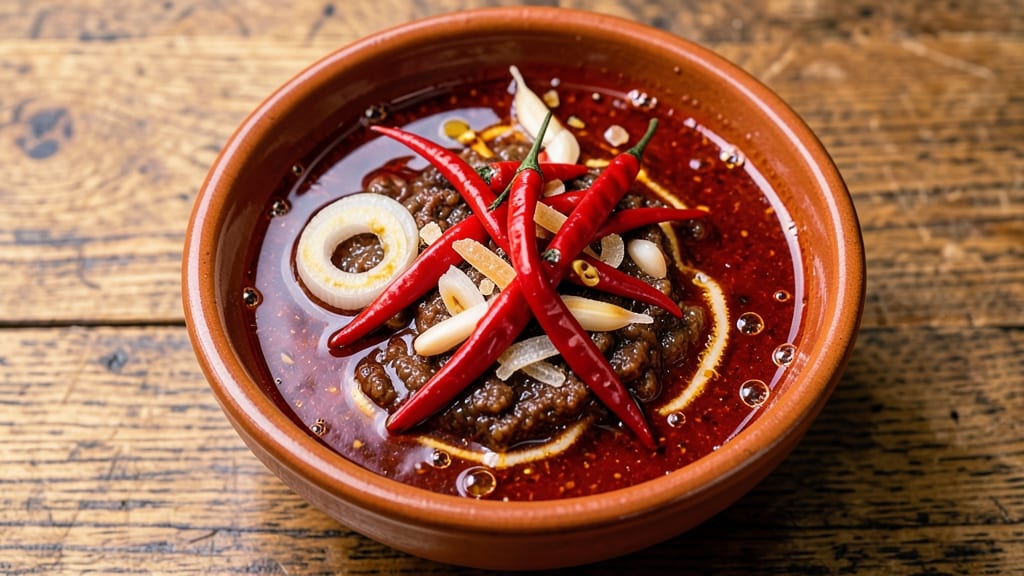
This authentic Thai chili sauce recipe brings the bold, balanced heat of street markets straight to your kitchen—where fiery chilies meet sweet, tangy depth. 🔥 The secret lies in fresh Thai bird's eye chilies, shallots, and garlic, blended with shrimp paste (for umami) and a touch of palm sugar to create that signature Thai sweet-spicy harmony.
Unlike store-bought versions, this sauce develops complex layers of flavor over time, making it worth the effort.
What sets this recipe apart is its flexibility—whether you ferment it for days (like nam prik pao) or blend it fresh for immediate use, the technique stays true to Thai traditions.
The sauce starts with a quick sauté of aromatics, then combines them with vinegar, lime, and sugar for a bright, tangy finish. No shortcuts here: the balance of heat, sour, and sweet is what makes this sauce irresistible.
Once ready, this sauce transforms simple dishes into restaurant-quality meals—drizzle it over grilled meats, noodle bowls, or crispy tofu for an instant flavor upgrade. It keeps for weeks in the fridge, allowing the flavors to deepen over time.
The result? A sauce that’s authentic, versatile, and packed with the kind of heat that lingers just right.
Ready to elevate your Thai cooking? This recipe delivers the perfect harmony of spice and sweetness, with storage tips to keep it fresh for weeks. Let’s get blending!
Ingredients for authentic thai chili sauce
Nine essential ingredients transform into a vibrant, restaurant-quality Thai chili sauce.
| Ingredient | Amount | Notes |
|---|---|---|
| Fresh Thai Bird's Eye Chilies 🌶️ | ½ cup | Stems removed, roughly chopped |
| Shallots 🧅 | ½ cup | Finely chopped, about 4-5 whole |
| Garlic Cloves 🧄 | 6 cloves | Peeled, roughly chopped |
| Shrimp Paste 🦐 | 1 tbsp | Thai brand preferred, strong aroma |
| Palm Sugar 🍯 | ¼ cup | Or substitute brown sugar |
| Rice Vinegar 💧 | ¼ cup | White or seasoned variety |
| Lime Juice 🍋 | ¼ cup | Freshly squeezed |
| Fish Sauce 🍶 | 1 tbsp | Red Boat brand recommended |
| Fresh Cilantro Leaves 🌿 | ¼ cup | Stems removed, loosely packed |
| Extra-Virgin Olive Oil 🫒 | ¼ cup | For blending, not cooking |
The Thai bird's eye chilies are the heart of this sauce—look for vibrant red chilies at an Asian market (the grocery store ones often lack heat). Shrimp paste is non-negotiable for authentic umami; Red Boat or Thai Kitchen brands deliver the best flavor. Palm sugar adds that signature Thai sweetness, but brown sugar works in a pinch if you can't find it. For the aromatics, fresh shallots and garlic make all the difference—no powdered shortcuts here. The cilantro should be bright green, not wilted, as it adds freshness to balance the heat.
No shrimp paste? Anchovy paste at half the amount works, though the flavor won't be identical. Substituting palm sugar for white sugar will change the caramel notes slightly, but it's still delicious. Running out of rice vinegar? Apple cider vinegar is a decent swap, though it lacks the mild sweetness. The fish sauce can be omitted entirely for a vegetarian version, but the sauce will lose depth. For extra heat, add 1-2 extra chilies—just remember to adjust for spice sensitivity. The olive oil is purely for blending; avocado oil works too if you prefer a neutral base.
This sauce develops complexity over time—ferment it for 2-3 days in the fridge for deeper flavor, or use it fresh for immediate brightness. Store in a sterilized glass jar with a tight seal; it keeps for up to 2 weeks in the fridge or 3 months frozen. The longer it sits, the more the flavors meld together. For restaurant-quality results, let it sit at room temperature for 15 minutes before serving to let the heat mellow slightly.
Why You'll Love This Recipe
- No Chopping Nightmare: I swear by this recipe because it’s actually minimal prep—just a quick mince of shallots and garlic, no dicing, no peeling. The chilies? Toss them whole in the pan, stems and all, then fish them out later. That’s it. My lazy nights thank me every time.
- Umami Bomb: Between us, shrimp paste isn’t for the faint of heart—but here, it’s the star. One teaspoon of that funky, salty depth, balanced by palm sugar’s caramelized sweetness, and suddenly your stir-fry or grilled skewers taste like a Bangkok street cart. Honestly, I’ll fight anyone who says they don’t need it.
- Pantry Staple Power: This sauce plays everywhere. Drizzle it over noodles, toss it into curries, or slather it on fresh spring rolls. I keep a jar in my fridge for when I’m craving heat but don’t want to cook—just grab and go. Even my picky teen sneaks extra.
- Budget Heat for Days: A little goes a long way, and the ingredients? Cheap as chips. A handful of chilies, a few cloves of garlic, and that shrimp paste lasts through three batches. Plus, it freezes like a dream, so I make a big batch and save myself from last-minute takeout runs. (Yes, even on a Tuesday night.)
Step-by-step instructions for authentic Thai chili sauce
Balance fiery heat with bright, herbal notes using this traditional Thai technique.
🍳 Step 1: Cook the Aromatics Until Deeply Fragrant
Heat a small saucepan over medium-low heat and add the 0.25 cup extra-virgin olive oil. Once the oil shimmers, add the 0.5 cup shallots and 6 cloves garlic cloves, stirring constantly for 3-4 minutes until the shallots soften and turn translucent. This gentle cooking prevents burning while developing their sweet, pungent flavors.
Next, reduce heat to low and add the 1 tbsp shrimp paste, stirring continuously for 1-2 minutes until it melts and releases its intense umami aroma. The shrimp paste should darken slightly but not brown—this is key to authentic Thai flavor. If it starts to smoke, reduce heat immediately. The aroma will be strong, so work near a vent if possible.
🔥 Step 2: Add Chilies and Palm Sugar for Complex Flavor
Increase heat to medium and add the 0.5 cup fresh Thai bird's eye chilies, stirring for 2 minutes until they soften slightly but retain some texture. The chilies should release their vibrant red color and sharp, peppery aroma. Be cautious—they're extremely hot, so avoid touching your eyes or sensitive skin.
Stir in the 0.25 cup palm sugar and cook for another 1-2 minutes until the sugar dissolves completely. The mixture should smell sweet, smoky, and intensely spicy. This balance of heat and sweetness is what makes Thai chili sauce so distinctive. If the sugar doesn't dissolve fully, add 1-2 teaspoons of water and stir until smooth.
🥘 Step 3: Incorporate Acidic and Salty Elements
Remove the saucepan from heat and let it cool slightly for 2-3 minutes. Then stir in the 0.25 cup rice vinegar and 0.25 cup lime juice. The vinegar adds tangy brightness while the lime juice introduces a sharp, citrusy note that cuts through the heat. The mixture will bubble slightly—this is normal and indicates the acid is reacting with the oil.
Return the pan to low heat and add the 1 tbsp fish sauce, stirring constantly for 30 seconds to blend evenly. The fish sauce should deepen the umami complexity without overpowering the other flavors. Taste the mixture now—it should be a perfect balance of sweet, spicy, sour, and salty. Adjust the palm sugar for more sweetness, fish sauce for more saltiness, or lime juice for more acidity as needed.
👨🍳 Step 4: Finish with Fresh Herbs and Blend
Remove the pan from heat and stir in the 0.25 cup fresh cilantro leaves. Let the cilantro steep in the warm sauce for 5 minutes, allowing its bright, citrusy notes to infuse the mixture. The cilantro should brighten the sauce and provide a fresh contrast to the fiery chilies.
Transfer the sauce to a blender or food processor and blend until completely smooth, about 30-45 seconds. The texture should be silky and cohesive, with no visible chunks. If the sauce is too thick, thin it with 1-2 tablespoons of water until it reaches a pourable consistency. For the best results, let the sauce sit at room temperature for 10 minutes to allow the flavors to meld fully.
⏰ Step 5: Store and Use for Maximum Freshness
Transfer the chili sauce to a clean, airtight jar or bottle. Store it in the refrigerator for up to 2 weeks, where the flavors will continue to develop and deepen. This sauce is incredibly versatile—use it as a dipping sauce for spring rolls, a condiment for grilled meats, or a marinade for seafood. For an extra kick, serve it chilled over warm dishes to enhance its fiery qualities.
The key to authentic Thai chili sauce lies in the balance of flavors. Don't be afraid to taste as you go and adjust to your preference. The shrimp paste and fish sauce provide depth, while the lime and vinegar keep the sauce bright and vibrant. Each batch will be unique, so trust your palate and enjoy the process of creating this fiery, aromatic condiment.
Pro Tips For Making Authentic Thai Chili Sauce
- Bloom the Aromatics Slow: After mincing shallots and garlic, let them sit in the oil for 30 seconds—just until they soften and release their scent. I used to rush this and wondered why my sauce lacked depth. This step builds flavor without burning, and it’s the thing that makes the difference between good and really good.
- Toast Shrimp Paste: Fry the shrimp paste in the oil until it’s golden and fragrant—about 30 seconds at medium heat. Skipping this step leaves it raw and fishy, no matter how much you stir later. Think of it as the anchor flavor; let it develop before adding anything else.
- Control the Chili Heat: Add chilies whole first, then finely chop them after cooking for 1-2 minutes. This way, you can taste and adjust the heat before committing—no more ending up with a sauce that’s either too mild or a fire hazard. (Yes, I’ve done both.)
- Sweat, Don’t Burn: Cook the shallots and garlic over low heat until translucent, not brown. I learned this the hard way—charred aromatics turn bitter, and no amount of sugar or shrimp paste can fix it. Patience here guarantees a smooth, balanced sauce.
Wine and beer pairings for this recipe
Thai White Wine Pairings
A crisp, dry Thai-inspired white wine like Riesling from Germany or Sauvignon Blanc from New Zealand complements this chili sauce beautifully. The wine’s bright acidity and citrus notes mirror the lime and vinegar in the sauce, cleansing your palate between bites.
I love a chilled German Kabinett Riesling—its subtle sweetness balances the heat while highlighting the sauce’s herbal cilantro notes. 🍷
Light Beer Options
For beer lovers, a Thai-style lager like Singha or Chang works perfectly—their light body and subtle hop bitterness won’t overpower the sauce. If you prefer craft options, a Belgian Witbier (like Hoegaarden) adds a refreshing citrusy contrast that pairs wonderfully with the chili’s heat.
Serve both chilled to enhance the sauce’s vibrant flavors.
Red Wine for Bold Pairings
If you’re serving rich dishes with the sauce—like grilled meats or coconut curry—a light-bodied red like Pinot Noir or Gamay can work. The wine’s earthy undertones complement the shrimp paste’s umami, while its acidity keeps the heat in check.
Avoid heavy reds like Cabernet—they’ll clash with the sauce’s bright, tangy profile.
Non-Alcoholic Pairings
For a refreshing non-alcoholic option, try Thai iced tea (sweetened with palm sugar) or a sparkling lime soda like San Pellegrino Limonata. The effervescence and citrus notes create a perfect contrast to the sauce’s fiery depth.
Iced hibiscus tea (Thai-style) also adds a floral dimension that enhances the cilantro’s herbal brightness. 💧
Cocktail Pairings
Turn your sauce into a cocktail by mixing 1 oz of the chili sauce with 2 oz gin, ½ oz lime juice, and a splash of tonic water. Garnish with a lime wedge and fresh cilantro for a spicy Thai gin fizz.
For a non-alcoholic twist, blend the sauce with coconut water and a touch of honey for a zesty, refreshing drink that highlights the sauce’s complexity.
Serving Temperature Tips
Always serve your chili sauce chilled (around 40°F) when pairing with drinks—this intensifies the heat and brightens the flavors. Let the wine or beer sit at 50-55°F for whites and 60-65°F for reds to avoid numbing the taste buds.
The contrast between the cool sauce and room-temperature drinks creates a harmonious dining experience that feels authentically Thai. ❄️
Nutrition facts
Frequently asked questions about authentic Thai chili sauce
Can I make this chili sauce without shrimp paste?
Yes, but the flavor will differ slightly. Substitute with ½ tablespoon anchovy paste (diluted in 1 teaspoon warm water) or 1 teaspoon miso paste for umami depth. For a vegetarian version, skip it entirely and increase fish sauce to 2 tablespoons to compensate for lost saltiness.
How do I adjust the heat level?
The Thai bird's eye chilies are extremely hot—start with 3-4 chilies for mild heat, 5-6 for medium, or 8+ for fiery intensity. For milder sauce, remove seeds before blending. If it's too spicy, balance with extra palm sugar or lime juice to mellow the burn.
Should I ferment this sauce, or use it immediately?
Fermenting for 2-3 days in the fridge deepens flavors (like traditional nam prik pao), but it's optional. Use fresh for immediate brightness—just store properly in an airtight jar. The longer it ferments, the more complex the taste, but fresh sauce works perfectly for quick meals.
What's the best way to use leftover chili sauce?
This versatile sauce elevates everything! Drizzle over grilled meats, toss with spring rolls, or mix into coconut curry. For extra flavor, simmer 2 tablespoons with 1 cup broth to make a quick soup base. It also makes a fantastic marinade for seafood or tofu.
Why does my sauce look too thin or too thick?
Adjust texture by adding 1 tablespoon water for thinning or simmering uncovered for 5 minutes to reduce. For thicker sauce, blend in 1 teaspoon cornstarch mixed with water. The perfect consistency should coat the back of a spoon but still be pourable.