
Sauces & Condiments
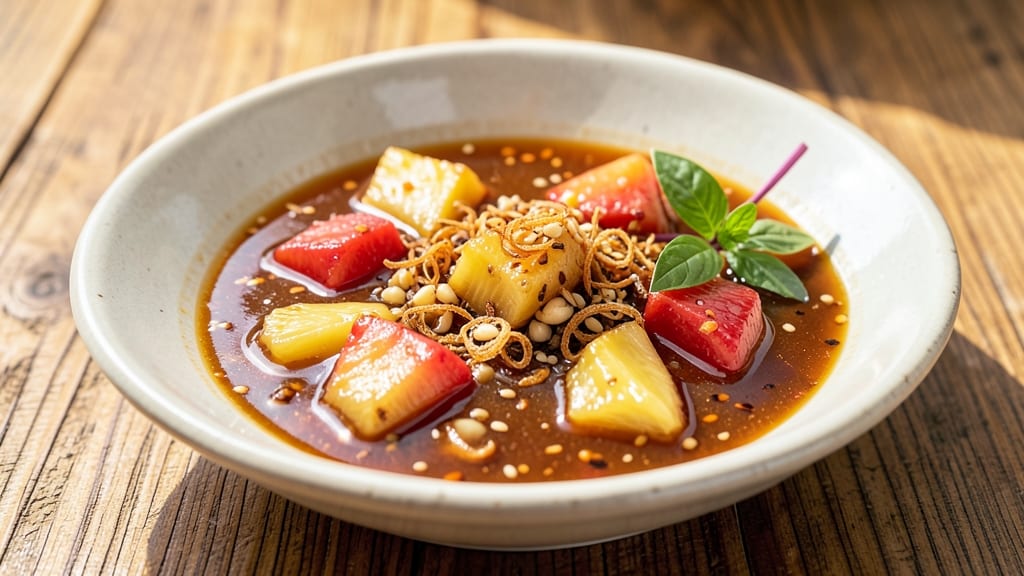
The authentic Chinese sweet and sour sauce recipe transforms ordinary dishes into vibrant, tangy masterpieces with just a few simple ingredients. This sauce balances sweet, sour, and umami flavors perfectly—no cloying sweetness or overwhelming acidity.
The secret lies in the ratio of vinegar to sugar and the proper technique for blending, which creates a glossy, velvety texture that clings beautifully to crispy fried chicken, pork, or vegetables.
What makes this sauce truly authentic is the foundation of rice vinegar and ketchup, combined with pineapple juice for natural sweetness and a touch of ginger for depth. Unlike store-bought versions, this recipe lets you control the balance, ensuring every bite delivers that signature sweet-and-sour harmony.
The process is straightforward: simmer, reduce, and blend until smooth, with optional garlic and chili for extra complexity.
Once complete, this sauce keeps for up to two weeks in the refrigerator, making it perfect for meal prep or gifting. Whether you're coating crispy takeout-style dishes or drizzling over stir-fried vegetables, the result is a restaurant-quality finish that elevates any meal.
The key is patience—letting the flavors meld during the reduction creates a sauce that's both vibrant and deeply flavorful.
Ready in just 20 minutes, this sauce delivers authentic results without the mess of traditional recipes. The technique ensures a glossy, clingy finish that's impossible to resist, proving that homemade can truly outshine store-bought. Let's get started!
Ingredients for authentic chinese sweet and sour sauce
Nine essential ingredients craft this vibrant sauce—authentic balance of tangy, sweet, and umami notes.
| Ingredient | Amount | Notes |
|---|---|---|
| Rice Vinegar 🍶 | ½ cup | White or seasoned variety preferred |
| Ketchup 🍅 | ½ cup | High-quality, no artificial colors |
| Pineapple Juice 🍍 | ½ cup | Freshly squeezed for authentic sweetness |
| Granulated Sugar 🍚 | ½ cup | White or light brown preferred |
| Fresh Ginger 🌿 | 1 tbsp | Finely grated, aromatic variety |
| Garlic Cloves 🧄 | 2 cloves | Minced, for depth of flavor |
| Red Chili Flakes 🌶️ | 1 tsp | Adjust for desired heat level |
| Cornstarch 🌾 | 1 tbsp | For thickening sauce properly |
| Water 💧 | ¼ cup | Room temperature preferred |
| Salt 🧂 | ½ tsp | Diamond Crystal kosher preferred |
The foundation begins with rice vinegar—Mushroom brand or Kikkoman deliver authentic acidity. Ketchup should be high-quality; Heinz or French's work well, but avoid artificial colors. Pineapple juice matters: Dole or Del Monte canned juice works, but fresh is ideal. Fresh ginger from the produce section (not powdered) adds depth—Whole Foods or Trader Joe's carry vibrant roots. Garlic should be fresh, never jarred. For red chili flakes, Penzeys or La Boîte offer premium options, but any quality brand works.
No rice vinegar? Apple cider vinegar at half the amount works in a pinch. Ketchup substitute: blend tomato paste with a splash of vinegar and sugar. Pineapple juice can be swapped for mango nectar (equal parts). Ginger powder at one-third the amount works, but fresh is non-negotiable for authenticity. Garlic powder can replace minced garlic (double the amount), though texture differs. Cornstarch can be swapped for arrowroot powder (equal parts). For salt, Diamond Crystal kosher is ideal—Morton works but may require slight adjustments.
This sauce thickens beautifully when fully cooled—patience is key. Store in an airtight container in the fridge for up to two weeks. For gifting, transfer to a sterilized glass jar with a parchment-lined lid to prevent browning. Reheat gently on low heat, stirring constantly to avoid clumping. Freezes well for three months when portioned into ice cube trays for single-use servings. The flavors deepen overnight, so make it a day ahead for optimal balance.
Why You'll Love This Recipe
- Pantry Magic: I swear by this sauce—no specialty trips to Asia needed. Just reach for the rice vinegar, ketchup, and that jar of pineapple juice gathering dust, and boom, you’ve got the real deal. The ginger’s the secret; a quick grating adds warmth that store-bought versions miss.
- Tangy-Sweet Balance: That first bite? Chef’s kiss. The sugar cuts through the tangy rice vinegar while the pineapple juice keeps it bright—not cloying, not dull. Honestly, I’ve tried every bottled version, and this one actually tastes like it belongs on takeout and homemade chicken.
- Dinner Party Ready: Make a double batch and store it—this sauce doesn’t skimp on flavor after a week. Drizzle it over stir-fried pork, toss it with tofu, or even glaze some baked chicken thighs. (Yes, even on a Tuesday night.)
- Budget Brightener: Three dollars’ worth of ingredients stretch to feed four or dress up leftovers. Between us, I’ve turned sad rice into a meal with this—just fry an egg on top and call it a day. Practical? Absolutely. Delicious? Ridiculously so.
Step-by-step instructions for authentic Chinese sweet and sour sauce
Mastering this sauce requires precision in balancing flavors and technique. Here's how to achieve that perfect tangy-sweet harmony.
Prepare the Aromatic Base
In a medium saucepan, combine the 0.5 cup rice vinegar, 0.5 cup pineapple juice, 0.5 cup granulated sugar, 1 tbsp fresh ginger, 2 cloves garlic cloves, 1 tsp red chili flakes, and 0.5 tsp salt. I use a fine-mesh strainer to press the ginger and garlic directly into the mixture—this extracts maximum flavor without fibrous texture. Bring this combination to a gentle simmer over medium heat, stirring occasionally to dissolve the sugar completely.
The mixture should smell vibrant and complex—bright from the vinegar, sweet from the pineapple and sugar, with a subtle heat from the chili. This aromatic base forms the foundation of the sauce, so don't rush this step. Let it simmer for 5-7 minutes until the sugar fully dissolves and the liquid reduces slightly by about 20%. You'll notice the aroma intensify as the flavors meld together, creating that signature sweet-and-sour profile.
Thicken the Sauce Professionally
In a small bowl, whisk together the 1 tbsp cornstarch with the 0.25 cup water until completely smooth. This creates a slurry that will thicken the sauce without clumping. Once your aromatic mixture has reduced and smells fully developed, gradually pour the cornstarch slurry into the saucepan while stirring constantly with a wooden spoon.
Continue stirring over medium-low heat until the sauce reaches your desired consistency—it should coat the back of a spoon but still be pourable, similar to a light glaze. This typically takes 3-5 minutes. The sauce is ready when it thickens noticeably and loses its runny quality. If it thickens too quickly, add 1-2 tablespoons of water to adjust the texture. The key is achieving that perfect balance between glossy and spreadable.
Incorporate Ketchup for Depth
Remove the sauce from heat and let it cool slightly for 2-3 minutes. This cooling period prevents the ketchup from cooking further and losing its vibrant color. Then, gradually stir in the 0.5 cup ketchup, mixing thoroughly until completely combined. The ketchup adds that rich, umami depth that authentic sweet-and-sour sauce requires.
Taste the sauce and make final adjustments—add a pinch more sugar if it's too tart, or a splash more vinegar if it's too sweet. The sauce should sing with balanced flavors: bright from the vinegar, sweet from the pineapple and sugar, with a subtle heat from the chili and depth from the ketchup. This is where the magic happens—where all the individual components come together into something greater than the sum of its parts.
Rest and Serve for Optimal Texture
Transfer the sauce to a clean bowl and let it rest at room temperature for 10-15 minutes. This resting period allows the flavors to fully meld and the sauce to reach its ideal texture. The sauce should be glossy yet still pourable, with a perfect balance between thickness and spreadability.
When ready to use, give the sauce one final stir. It should now have that signature glossy sheen and perfect consistency for glazing meats, tossing with vegetables, or serving as a dipping sauce. The authentic Chinese technique lies in this balance—never too thick, never too thin, always perfectly harmonized. Use it immediately for best results, as the flavors continue to develop even after resting.
Pro Tips For Making Authentic Chinese Sweet And Sour Sauce
- Simmer the Vinegar First: Heat your rice vinegar alone for 30 seconds before adding anything else—this burns off the harsh acidity and lets the sweetness shine. I used to skip this, and the sauce always tasted sharp and unfinished.
- Grate Ginger Fine: Use the smallest holes on your grater for fresh ginger—you want it almost paste-like, not chunky. Chunky ginger sits at the bottom and won’t infuse properly, leaving your sauce with a weird texture.
- Balance Sugar Gradually: Start with half the sugar, taste, then add the rest—this prevents an overly cloying sauce. I learned this the hard way after making a batch so sweet it drowned out the ketchup’s tang.
- Strain the Pineapple: If using fresh pineapple juice, strain it through a fine-mesh sieve to remove pulp—it thickens the sauce unevenly and can make it grainy. (Yes, even if you’re impatient like me.)
Creative variations of these flavors
Classic Cantonese Twist
For a true Cantonese-inspired version, add 1 tbsp soy sauce and 1 tsp sesame oil when incorporating the ketchup. The soy sauce deepens the umami while sesame oil adds nutty complexity.
I like to finish with a sprinkle of toasted sesame seeds for texture and aroma. This variation works beautifully with crispy fried chicken or pork cutlets. 🍗
Spicy Sichuan Style
Transform this sauce into a Sichuan-style version by adding 1 tbsp Sichuan peppercorns (toasted and ground) and 1 tsp doubanjiang (chili bean paste) to the aromatic base. The numbing-spicy kick from Sichuan peppercorns creates a completely different flavor profile.
I recommend serving this with mapo tofu, or stir-fried green beans. The heat level can be adjusted by adding more or less chili flakes.
Fruit-Infused Variations
Swap pineapple juice for mango purée, or peach nectar, for a tropical twist that pairs perfectly with grilled meats.
For a berry version, use ½ cup mixed berry juice, and reduce the sugar to ⅓ cup. This fruity variation works wonderfully as a glaze for roasted pork or as a dipping sauce for spring rolls. The natural fruit acids balance the sweetness beautifully.
Vegetarian Adaptation
Make this sauce completely plant-based by ensuring all ingredients are vegetarian. Replace ketchup with tomato paste, and use vegetable broth, instead of water for the cornstarch slurry. For extra depth, add 1 tbsp miso paste, when incorporating the ketchup substitute.
This version works perfectly with tofu, tempeh, or crispy cauliflower bites. The umami from miso enhances the overall flavor profile.
Thai-Inspired Fusion
Create a Thai-inspired fusion by adding 1 tbsp fish sauce, and 1 tsp palm sugar, to the aromatic base.
Finish with a splash of lime juice, and ½ tsp ground coriander. This variation has a brighter, more complex flavor that pairs wonderfully with grilled shrimp or satay-style chicken.
The balance of sweet, sour, and funky umami creates a truly unique sauce that bridges Chinese and Thai culinary traditions. 🌶️
Sweet and Sour Glaze
For a thicker glaze version, reduce the water in the cornstarch slurry to 2 tbsp, and let the sauce thicken longer until it reaches a consistency similar to honey. This glaze works perfectly for basting meats like ribs or brisket during grilling.
I like to add ½ tsp smoked paprika, for a subtle smoky depth that complements grilled dishes beautifully. Brush on generously during the last 10 minutes,** of cooking for maximum flavor impact.
Nutrition facts
Frequently asked questions
Can I make this sauce without ketchup?
Yes! For a more traditional approach, replace the ketchup with ¼ cup tomato paste mixed with 1 tbsp vinegar and 1 tsp sugar. The sauce will have a deeper umami flavor but slightly less richness. For a fruitier version, use ¼ cup unsweetened applesauce instead.
How do I adjust the sweetness or sourness?
Start with small adjustments: add ½ tsp sugar at a time to reduce tartness, or ½ tsp vinegar to increase sourness. Taste frequently during the simmering process—flavors intensify as the sauce reduces. The key is balance: aim for equal parts sweet, sour, and umami.
Can I make this sauce ahead of time?
This sauce actually tastes better after resting. Let it cool completely, then store in an airtight container in the fridge for up to 2 weeks. The flavors meld beautifully overnight. For longer storage, freeze in 1-tablespoon portions—perfect for single-use applications.
What's the best way to use leftover sauce?
Leftover sauce works perfectly for glazing proteins (like chicken or pork) or as a marinade. For extra shine, reheat gently with 1 tsp water to loosen thickened portions. It also makes an excellent dipping sauce for dumplings or spring rolls—just thin with a splash of water if needed.
Why did my sauce turn out too thick?
This usually happens if the cornstarch slurry was added too quickly or the heat was too high. For next time, whisk the slurry into cold water first, then gradually add to the warm sauce while stirring constantly. If it's already too thick, thin with 1-2 tbsp water while reheating gently.