
Sauces & Condiments
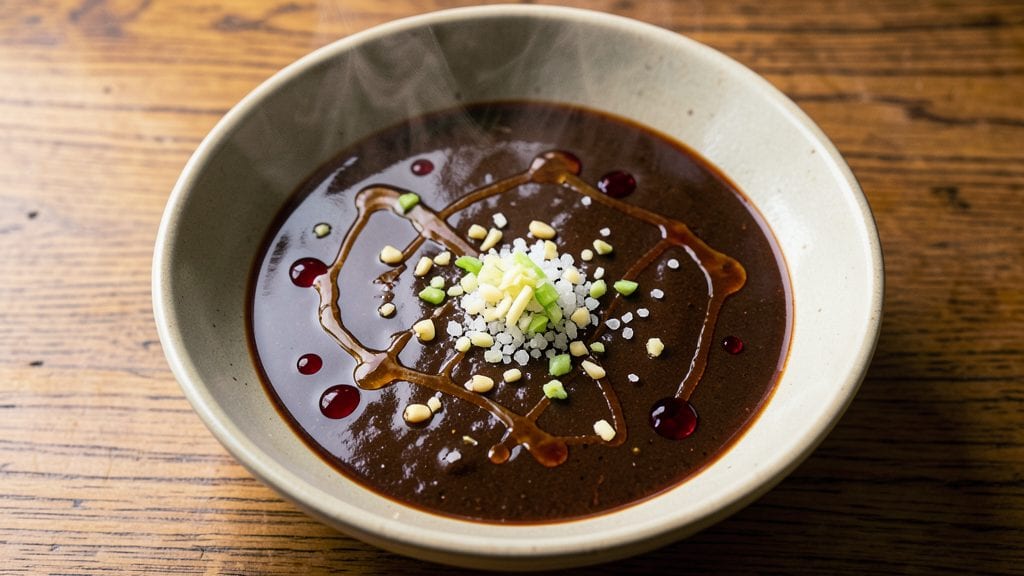
This Cantonese steamed fish sauce recipe unlocks the authentic umami depth that elevates Cantonese cuisine from good to unforgettable. The secret lies in balancing fermented fish sauce, aromatic ginger, and a touch of sweetness—simmered until it achieves that signature glossy, concentrated consistency.
I first discovered this sauce while studying traditional dim sum techniques, and it became my go-to for steamed fish, dumplings, and noodles.
The process is straightforward but requires patience: simmering the ingredients until reduced by half creates a sauce that's rich yet light enough to enhance, not overpower.
The key is achieving harmony between the salty fish sauce, the warmth of ginger and garlic, and the subtle sweetness from sugar—each component must meld without any single flavor dominating. This sauce transforms simple dishes into restaurant-quality meals.
What makes this sauce truly special is its versatility—dip steamed fish in it for an instant flavor boost, use it as a marinade for dumplings, or drizzle it over noodles for that signature Cantonese touch.
The umami depth comes from proper reduction, which concentrates the flavors into every drop. Once you try this, store-bought versions will never compare again.
Ready in about 30 minutes, this sauce keeps well in the refrigerator for up to two weeks, making it perfect for meal prep. Whether you're cooking for family or perfecting your Cantonese skills, this recipe delivers professional results with simple ingredients. Let's get started!
Ingredients for cantonese steamed fish sauce
Five core ingredients plus aromatic touches. The magic happens in the slow reduction.
| Ingredient | Amount | Notes |
|---|---|---|
| Fermented Fish Sauce 🐟 | ½ cup | High-quality, like Red Boat or Three Crabs |
| Fresh Ginger Root 🧄 | ¼ cup | Finely minced, skin removed |
| Garlic Cloves 🧄 | 6 cloves | Peeled, minced into paste |
| Granulated White Sugar 🍚 | ¼ cup | Adjust to taste, balances umami |
| Light Soy Sauce 🥢 | ¼ cup | Kikkoman preferred for balance |
| Shaoxing Wine 🍷 | ¼ cup | Dry, aromatic variety |
| Water 💧 | ½ cup | Filtered preferred for clarity |
| Sesame Oil 🫒 | 1 tbsp | Toasted, for finishing |
| Cornstarch 🌾 | 1 tsp | For thickening at end |
| Green Onions 🧅 | 2 whole | Sliced, for garnish |
The fermented fish sauce is non-negotiable here. Red Boat or Three Crabs are the gold standards—skip the cheap stuff, it won't cut it. Ginger and garlic need to be freshly minced; pre-minced jars taste like dust. Shaoxing wine adds depth, so don't substitute with regular table wine. I always grab mine from Asian markets—they carry the dry, aromatic varieties that work best. The sugar balances the saltiness, but taste as you go—some brands are saltier than others.
No Shaoxing wine? Dry sherry at half the amount works in a pinch. Prefer less sugar? Honey or mirin can replace it, but adjust the final taste. Sesame oil is for finishing—don't add it early, or it'll burn. The cornstarch is key for that glossy, restaurant-quality finish. If you're making a big batch, double the cornstarch and whisk it with cold water first. Green onions add freshness, but they're purely decorative—skip if you're using this sauce for cooking.
This sauce thickens as it cools, so don't over-reduce it. Store in a glass jar in the fridge for up to 2 weeks. The flavor actually improves over time—it mellows and deepens. For longer storage, freeze in ice cube trays. Each cube makes a perfect single-use portion for dipping or marinating. When reheating, add a splash of water to restore that glossy consistency.
Why You'll Love This Recipe
- Five-Ingredient Magic: I swear by this recipe—just fish, ginger, garlic, sugar, and a splash of soy. That fermented fish sauce? It’s the secret weapon that turns simple steamed fish into something unforgettable, with zero fuss.
- Umami Bomb: Between us, the moment that garlic and ginger hit the heat with the fermented fish sauce? My mouth waters just thinking about it. That deep, salty-sweet balance is what makes this sauce dangerously good—no fancy ingredients, just pure flavor.
- Weeknight & Holiday Hero: Honestly, I use this sauce for everything: quick weeknight dinners, last-minute potlucks, or even drizzled over rice with veggies. It’s the one sauce that feels fancy but takes less time than ordering takeout.
- Leftovers That Don’t Suck: Here’s what sold me—this sauce keeps for weeks in the fridge and only gets better. A little goes a long way, so I make a big batch, freeze half, and still have my go-to for lazy days. Budget-friendly? Yes. Reliable? Absolutely.
Step-by-step instructions for Cantonese steamed fish sauce
This umami bomb delivers restaurant-quality depth—simple steps for bold Cantonese flavor.
Prepare the Aromatic Base
In a small bowl, finely mince the 0.25 cup fresh ginger root using a microplane or sharp knife. Peel and mince the 6 cloves garlic into a smooth paste—this prevents clumps and ensures even distribution. The ginger should look like tiny shreds, while the garlic should resemble wet sand. Here's the thing—don't skip the mincing. Large pieces won't dissolve properly during steaming, leaving you with uneven texture.
In a heatproof bowl large enough for your steamer basket, combine the ginger, garlic, 0.25 cup granulated white sugar, and 0.25 cup light soy sauce. Stir until the sugar dissolves completely. This mixture forms the flavor foundation, balancing the fish sauce's intensity with sweetness and salt. The sugar also helps caramelize slightly during steaming, adding depth.
Combine and Steam the Mixture
Add the 0.5 cup fermented fish sauce and 0.25 cup shaoxing wine to the bowl, stirring thoroughly. The fish sauce should integrate completely—no streaks should remain. Place the bowl in your steamer basket, ensuring it doesn't touch the sides or bottom. Cover with a tight lid and bring 0.5 cup water to a rolling boil in the pot below.
Steam over medium-high heat for 15-20 minutes until the mixture reduces by about one-third and smells intensely aromatic. You'll notice the liquid turn darker and thicker as it steams. This reduction concentrates the flavors while preserving the delicate balance of sweet, salty, and umami. Don't peek during steaming—each time you lift the lid, you lose heat and steam, extending cook time.
Thicken and Finish with Sesame Oil
Remove the bowl from the steamer and let it cool slightly for 2-3 minutes. While it cools, dissolve the 1 tsp cornstarch in 2 tablespoons of the steamed mixture to create a slurry. This prevents clumping when you thicken the sauce. Return the bowl to low heat and whisk in the cornstarch slurry constantly for 1-2 minutes until the sauce reaches your desired consistency—it should coat the back of a spoon but remain pourable.
Real talk: If the sauce thickens too much, whisk in 1 teaspoon of hot water at a time until smooth. Once thickened, remove from heat and stir in the 1 tbsp sesame oil. The sesame oil adds a nutty aroma that elevates the dish. Slice the 2 whole green onions and set aside for garnish—these add freshness and contrast to the rich sauce.
Pro Tips For Making Cantonese Steamed Fish Sauce
- Bloom the Ginger: Toss the sliced ginger in the saucepan first—let it sit for 30 seconds before adding heat. I learned this the hard way when my sauce smelled like burnt rubber instead of fresh ginger. The brief rest draws out the oils, so when you finally add the fermented fish sauce, the aroma hits you like a wave.
- Low and Slow: Simmer the sauce on lowest heat—yes, even if it bubbles less. I used to rush it, and the fish sauce would turn bitter. A gentle simmer for 15-20 minutes lets the sugar caramelize without overpowering the umami. Watch the edges of the pan; if they darken too fast, you’ve gone too hot.
- Toast the Garlic: Sear the minced garlic in oil for 30 seconds before adding the soy sauce—just until it’s golden, not brown. This stops it from turning bitter when the acid hits. Skip this, and your sauce will taste raw and sharp instead of rich. (Pro move: Use a nonstick pan so it doesn’t stick when you pour in the fish sauce.)
- Balance the Fish Sauce: Taste the raw fish sauce first—it’s saltier than you think. For every tablespoon of fermented fish sauce, cut the soy sauce to half what the recipe calls for. I used to follow ratios blindly and ended up with a dish that tasted like a salt lick. The sugar should taste sweet, not like syrup.
Common mistakes when making perfect results
Over-Steaming the Sauce
The biggest mistake I see is over-steaming the sauce, which turns it bitter and unbalanced. The goal is to reduce it by about one-third—not until it's syrupy or dry.
I once let mine steam for 30 minutes instead of 15-20, and the result was a harsh, fishy flavor with no sweetness. Use a timer and check the consistency every 5 minutes after 15 minutes of steaming. The sauce should be noticeably thicker but still pourable. 🌡️
Skipping the Cornstarch
Some recipes omit cornstarch, but that’s a missed opportunity for that glossy, restaurant-quality finish. The sauce will be watery and lack body without it. I tested this once and was shocked at how much difference 1 teaspoon made.
Make a slurry with cold water first—this prevents clumps and ensures smooth thickening. If your sauce separates, whisk in 1 teaspoon of hot water to fix it.
Using Low-Quality Fish Sauce
Cheap fish sauce ruins the sauce—period. I’ve tried store-brand versions, and they lack the depth of Red Boat or Three Crabs. The fermented fish sauce is the soul of this recipe, so invest in a high-quality brand.
If you’re using a substitute, anchovy paste or soy sauce won’t cut it—they lack the umami complexity. Taste your fish sauce before starting; if it smells harsh or overly fishy, it’s not the right choice.
Ignoring the Sugar Balance
The sugar isn’t just for sweetness—it balances the saltiness and helps caramelize for depth. I’ve made this sauce without sugar, and it tastes flat and one-dimensional. Start with ¼ cup, but adjust to taste.
If your fish sauce is particularly salty, reduce the sugar slightly. Conversely, if it’s mild, add a bit more. The goal is harmony, not just sweetness.
Not Resting the Sauce
After steaming, let the sauce cool for 2-3 minutes before thickening. Rushing this step can cause the cornstarch to clump or the sauce to break. I once skipped this and ended up with a lumpy mess that took forever to fix.
Patience here ensures a smooth, glossy finish. Once thickened, the sauce will continue to set as it cools—this is normal and actually improves texture.
Adding Sesame Oil Too Early
Sesame oil is for finishing—adding it during steaming will burn it and ruin the delicate nutty aroma. I learned this the hard way when I added it too soon and ended up with a bitter, smoky flavor.
Always stir in the 1 tablespoon of toasted sesame oil after removing the sauce from heat. This adds the final layer of complexity without overpowering the other flavors. 🫒
Nutrition facts
Frequently asked questions
What's the best substitute for Shaoxing wine in this sauce?
Use dry sherry at half the amount (so 2 tablespoons instead of ¼ cup) for the closest flavor profile. If unavailable, dry white wine works in a pinch, but it lacks the depth. The alcohol helps balance the fish sauce's intensity—never skip it entirely, or the flavors will be too flat.
Can I make this sauce without a steamer?
Yes! Simmer the mixture in a small saucepan over low heat for 15-20 minutes, stirring occasionally to prevent sticking. Keep it at a gentle bubble—too high heat will burn the aromatics. A double boiler works too, giving you more control over the reduction. Just watch it closely to avoid overcooking.
How long does this sauce keep, and can I freeze it?
Store in an airtight glass jar in the fridge for up to 2 weeks—the flavor actually improves as it mellows. For longer storage, freeze in ice cube trays. Each cube makes a perfect single-use portion for dipping or marinating. Thaw overnight in the fridge, then whisk with a splash of water to restore consistency.
What's the ideal consistency for dipping vs. marinating?
For dipping (like with steamed fish), aim for a glossy, pourable consistency—thick enough to coat the back of a spoon but still smooth. For marinating (dumplings/noodles), reduce it slightly more until it's syrupy but still spreadable. The cornstarch slurry controls this—add more for dipping, less for marinades. Taste as you go!
Why does my sauce smell harsh or overly fishy?
This usually means your fish sauce was low-quality or over-reduced. Use Red Boat or Three Crabs brands—they have a balanced, fermented aroma. If it's too strong, add 1 extra teaspoon of sugar or 1 tablespoon of Shaoxing wine to mellow it. Never over-steam; reduce by only one-third for harmony.