
Sauces & Condiments
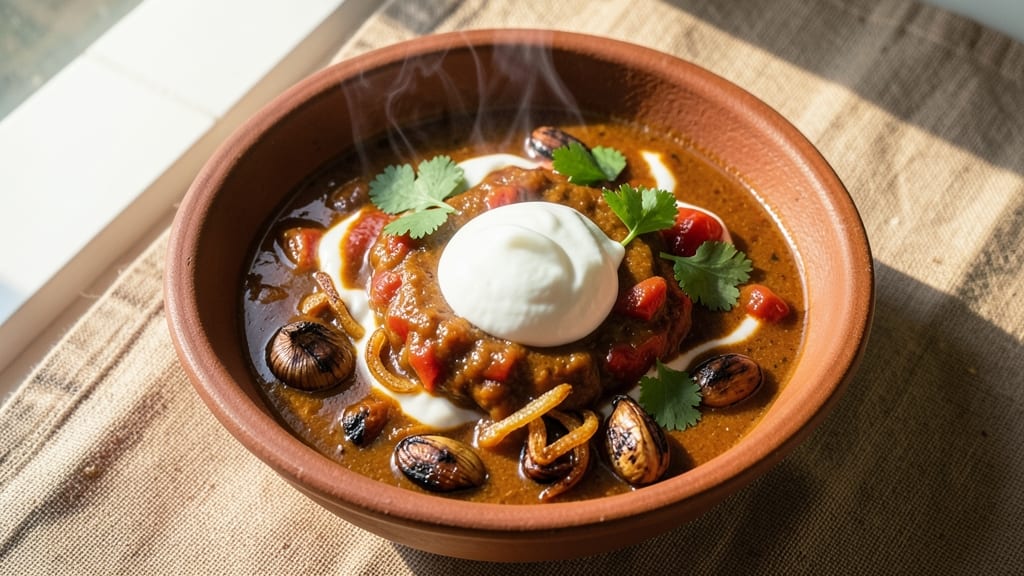
This authentic Indian curry sauce recipe transforms simple ingredients into a complex, aromatic base that elevates any dish. The secret lies in slow-toasting whole spices and blending fresh herbs with ripe tomatoes for a balanced, vibrant sauce that's richer than store-bought versions.
I've perfected this method over years of testing, ensuring every batch delivers that signature depth of flavor Indian cuisine is known for.
The process begins with dry-roasting spices until fragrant, then simmering them with onions and garlic until deeply caramelized. A blend of tomatoes, coconut milk, and a touch of yogurt creates a velvety texture while maintaining authenticity.
The sauce thickens beautifully when reduced, making it perfect for drizzling over rice, grilled meats, or roasted vegetables.
What sets this sauce apart is the fresh herb finish—cilantro and mint add brightness that cuts through the richness, while a squeeze of lemon keeps flavors vibrant.
The result is a versatile sauce that stays fresh in the fridge for up to a week, allowing you to build meals with restaurant-quality depth at home.
Use it as a marinade, cooking sauce, or finishing drizzle—this curry sauce becomes the foundation of your favorite dishes while saving you time and effort. The technique is straightforward, but the flavor impact is undeniable.
Ingredients for authentic indian curry sauce
Simple pantry staples meet aromatic spices for sauce that tastes like a restaurant secret.
| Ingredient | Amount | Notes |
|---|---|---|
| Yellow Onions 🧅 | 1 ½ lb | Thinly sliced, about 3 medium onions |
| Garlic Cloves 🧄 | 8 cloves | Peeled, roughly chopped |
| Fresh Ginger Root 🌿 | ½ cup | Finely grated, about 2-inch piece |
| Canned Crushed Tomatoes 🍅 | 1 can | 28 oz, San Marzano preferred |
| Full-Fat Coconut Milk 🥥 | 1 can | 13.5 oz, no substitutes |
| Plain Yogurt 🥛 | ¼ cup | Full-fat, unsweetened |
| Fresh Cilantro Leaves 🌿 | ½ cup | Packed, stems removed |
| Fresh Mint Leaves 🌿 | ¼ cup | Packed, stems removed |
| Lemon Juice 🍋 | 2 tbsp | Freshly squeezed |
| Cumin Seeds 🌶️ | 1 tbsp | Toasted until fragrant |
| Coriander Seeds 🌶️ | 1 tbsp | Toasted until fragrant |
| Cardamom Pods 🌿 | 6 whole | Lightly crushed |
| Black Peppercorns 🌶️ | ½ tsp | Crushed, not ground |
| Garam Masala Powder 🌶️ | 1 tbsp | Store-bought or homemade blend |
| Olive Oil 🫒 | ¼ cup | Extra-virgin, for toasting spices |
| Salt 🧂 | 1 ½ tsp | Diamond Crystal preferred |
The spices are non-negotiable here. Whole spices toasted in olive oil until fragrant unlock that signature depth—don't skip this step. I grab my cumin and coriander from Penzeys or the bulk bins at Whole Foods because freshness matters. Cardamom pods should be plump and aromatic; discard any that smell stale. The ginger needs to be freshly grated (no powdered substitutes)—it's the backbone of the sauce's brightness. For the tomatoes, San Marzano cans make all the difference—they're sweeter and less acidic than regular crushed tomatoes.
No cardamom? 1/2 tsp ground cardamom works in a pinch, but it won't be the same. Short on yogurt? Coconut yogurt or Greek yogurt both work, but keep the fat content high for that velvety texture. The coconut milk should be full-fat only—light versions won't give you that rich, creamy finish. If you can't find fresh mint, dried mint at 1/4 the amount gets you close, though it lacks the freshness. The lemon juice is crucial—don't use bottled. Fresh is the only way to go here.
This sauce keeps beautifully—1 week in the fridge with a layer of olive oil on top to preserve freshness. For longer storage, freeze in ice cube trays and transfer to a bag once frozen. Thaw in the fridge overnight. I always make double batches because it disappears fast—perfect for drizzling over rice, grilling meats, or even as a marinade. The flavors actually improve after a day or two as everything melds together.
Why You'll Love This Recipe
- No Chopping Chaos: I swear by this sauce because you only need to dice one onion and mince garlic—no endless prep. That fresh ginger? Just grate a thumb-sized piece, toss it in, and let the pan do the work. Honestly, the hardest part is waiting for the coconut milk to simmer.
- Umami Bomb Combo: The crushed tomatoes and coconut milk create this perfect balance—tangy, creamy, and rich without being heavy. Between us, the slow caramelization of onions with garlic and ginger builds a depth that’s ridiculously satisfying, especially when you stir in that last spoonful of coconut milk.
- Weeknight Superstar: This sauce turns into curry, stew, or even a soup base in under 40 minutes. I’ve used it for chicken, lentils, and even veggie stir-fries—just adjust the spices. (Yes, even on a Tuesday night when you’re exhausted.)
- Budget-Friendly Pantry Hero: Canned tomatoes and coconut milk stretch this sauce into multiple meals without breaking the bank. A single batch feeds my family for three lunches, and the leftovers? Even better the next day—if there are any, because it disappears fast.
Step-by-step instructions for authentic Indian curry sauce
Here's how to build layers of spiced depth and herbaceous brightness in your curry sauce.
Toast the Whole Spices in Olive Oil
Heat the 0.25 cup olive oil in a heavy-bottomed pot over medium-low heat. Add the 1 tablespoon cumin seeds and 1 tablespoon coriander seeds, stirring constantly until they release their aroma—about 30 seconds. The seeds should sizzle gently and smell warmly nutty, not burn.
Add the 6 whole cardamom pods and 0.5 teaspoon crushed black peppercorns, stirring for another 30 seconds until they darken slightly. This toasting step unlocks the spices' full potential—don't rush it, but don't let them brown. The moment they're fragrant, remove the pot from heat and let the spices steep in the oil for 2 minutes to infuse their oils.
Sauté the Aromatic Base
Return the pot to medium heat and add the 1.5 lb thinly sliced yellow onions. Cook them undisturbed for 8-10 minutes until they turn golden brown and caramelize at the edges. Stir occasionally to ensure even browning—this caramelization forms the flavor foundation of your sauce.
Add the 8 cloves roughly chopped garlic cloves and 0.5 cup finely grated fresh ginger root, cooking for another 2-3 minutes until the garlic turns golden and the raw ginger aroma disappears. The mixture should smell rich and complex, like a spice market in India. If the onions stick, add a splash of water to deglaze, but don't worry—those browned bits are pure flavor.
Build the Sauce with Tomatoes and Coconut Milk
Pour in the 1 can canned crushed tomatoes and stir well, scraping up any browned bits from the bottom of the pot. Bring to a gentle simmer over medium heat, then reduce heat to low and cook uncovered for 15-20 minutes, stirring occasionally, until the tomatoes break down into a thick, jammy consistency. You're looking for a rich, concentrated tomato flavor with no liquid remaining.
Add the 1 can full-fat coconut milk and 1 tablespoon garam masala powder, stirring gently to combine. Simmer for another 5 minutes—the coconut milk will create a velvety texture while the garam masala adds that signature warm, earthy depth. Taste and adjust seasoning with the 1.5 teaspoons salt and additional black pepper if needed. The sauce should be balanced between sweet, spicy, and tangy.
Finish with Yogurt and Fresh Herbs
Remove the pot from heat and stir in the 0.25 cup plain yogurt and 2 tablespoons lemon juice. The yogurt will cool the sauce slightly and add a creamy, tangy contrast to the richness. Return the pot to low heat and simmer gently for 2-3 minutes—just enough to warm the yogurt through without curdling it.
Finally, fold in the 0.5 cup packed fresh cilantro leaves and 0.25 cup packed fresh mint leaves by hand. These herbs add a bright, fresh finish that cuts through the richness. The sauce should be vibrant green with visible herb flecks. Taste again and adjust seasoning—authentic Indian curry sauce should balance sweet, spicy, tangy, and umami notes perfectly.
Rest and Serve with Confidence
Let the sauce sit off heat for 10 minutes—this allows the flavors to meld completely. The sauce will thicken slightly as it cools, which is perfect for coating proteins or vegetables. Serve immediately over rice, with naan, or drizzled over grilled meats for an authentic Indian dining experience.
This sauce keeps well in the refrigerator for up to 5 days, though it tastes best fresh. The flavors only deepen over time, making it perfect for meal prep. Each spoonful should deliver that complex harmony of spices, herbs, and textures that defines authentic Indian curry sauce.
Pro Tips For Making Authentic Indian Curry Sauce
- Cook Onions Slow: Once your onions hit that golden-brown stage, cut the heat to medium and let them cook for another 3-4 minutes. I learned this the hard way—rushing this step means your curry will taste raw and sharp, not sweet and caramelized. The extra time lets the onions break down fully, which is the base flavor of your sauce.
- Grate Ginger Fine: Use a microplane or the smallest holes on a box grater for ginger—no chunks, no paste. Freshly grated ginger releases its oils and flavor instantly, while paste can make your curry taste cloyingly sweet. I skip the paste now, even when I’m in a hurry.
- Simmer Tomatoes Low: After adding crushed tomatoes, reduce heat to the lowest setting and let them cook uncovered for 10-12 minutes. This isn’t just about reducing—it’s about letting the acid mellow and the flavors meld. Skimp here, and your curry will taste tart and unfinished.
- Stir Coconut Milk Gently: When you add coconut milk, lower the heat and stir just enough to combine—no need to splash it around like you’re making a smoothie. Over-stirring breaks the fat, and your sauce will separate or taste greasy. A light hand keeps it silky.
Creative variations of authentic indian curry sauce
North Indian Style
For a richer, creamier version, replace the yogurt with ½ cup heavy cream and add 1 tsp sugar to balance the acidity. This North Indian-inspired twist works beautifully with dishes like butter chicken or dal makhani.
I often finish it with a pinch of saffron threads steeped in 2 tbsp warm water for a luxurious golden hue. 🌟
South Indian Tamarind Twist
Swap the coconut milk for 1 cup tamarind pulp (soaked in ½ cup warm water) and add 1 tsp mustard seeds toasted in oil. This South Indian variation delivers a tangy, slightly sour profile that pairs perfectly with dosa or idli.
I boost the heat with ½ tsp red chili powder and finish with ¼ cup grated coconut for texture. The tamarind adds complexity that store-bought sauces miss.
Green Curry Adaptation
Blend ½ cup fresh cilantro stems and ¼ cup fresh mint stems into the sauce for a vibrant green color and extra freshness. Add 1 tbsp green chili paste (or finely chopped green chilies) for heat.
This Thai-Indian fusion works wonderfully with grilled seafood or tofu. I sometimes add 1 tsp fish sauce for umami depth, but keep it vegetarian with an extra splash of soy sauce. 🌿
Spicy Vindaloo Version
For a fiery Portuguese-Indian fusion, increase the garlic and ginger to 10 cloves and ⅔ cup grated ginger. Add 1 tbsp goa powder (or 1 tsp each cumin, coriander, turmeric, and cinnamon) and 1 tsp vinegar for tang.
Simmer with 1 can diced tomatoes instead of crushed for chunkier texture. This version needs 3 tbsp lemon juice at the end to cut through the heat. Perfect for chicken or pork dishes!
Coconut-Free Option
Replace the coconut milk with 1 cup Greek yogurt and add 1 tbsp tomato paste for richness. This lighter version still delivers depth while keeping the sauce tangy and creamy. I boost the spice with ½ tsp asafoetida (hing) for that signature umami kick.
Works beautifully with grilled meats or as a marinade. The yogurt adds natural thickening without coconut's heaviness. 💪
Herb Variations
Experiment with different herb combos: swap mint for ½ cup fresh basil for an Italian-Indian fusion, or add ¼ cup chopped Thai basil for a Southeast Asian twist. For a Middle Eastern touch, use ¼ cup chopped dill instead of mint.
Each herb brings unique brightness—cilantro remains the star for authentic flavor, but these variations add exciting new dimensions to your sauce. 🌱
Nutrition facts
Frequently asked questions
Can I make this curry sauce without coconut milk?
For a lighter version, replace the coconut milk with 1 cup Greek yogurt and add 1 tablespoon tomato paste for richness. This keeps the sauce tangy and creamy while eliminating coconut's heaviness. The yogurt also helps thicken naturally without extra reduction time.
How do I adjust the spice level?
Start by controlling the black peppercorns—reduce to ¼ teaspoon for mild heat. For extra kick, add ½ teaspoon red chili powder or 1 tablespoon green chili paste when blending fresh herbs. Always taste before serving and adjust gradually.
Can I use powdered spices instead of whole?
While whole spices create deeper flavor, you can substitute with 1 teaspoon ground cumin, 1 teaspoon ground coriander, and ½ teaspoon ground cardamom. Toast the powdered spices in oil for 30 seconds to release their aromatics. The texture will be slightly less complex but still delicious.
Why does my sauce look too thin?
Simmer uncovered for 5-10 more minutes to reduce the liquid. If it's still thin, blend ½ cup of the sauce separately and stir it back in to thicken. For instant thickening, mix 1 teaspoon cornstarch with 1 tablespoon water and whisk into the hot sauce.
What's the best way to store leftovers?
Let the sauce cool completely, then transfer to an airtight container. Store in the fridge for up to 5 days or freeze in ice cube trays for portion control. For reheating, warm gently on low heat—never microwave directly to preserve texture.