
Sauces & Condiments
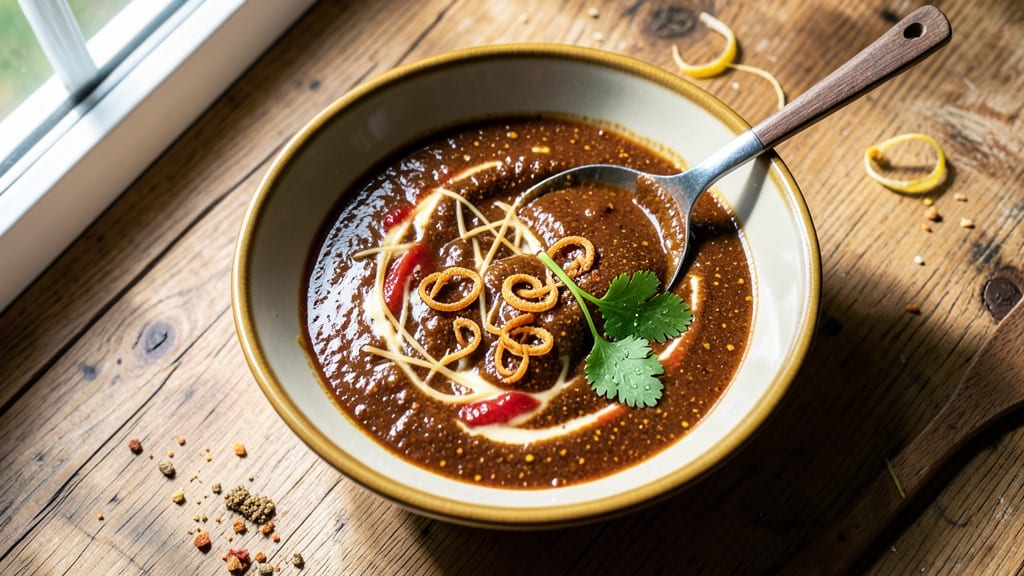
This authentic katsu curry sauce recipe delivers the rich, velvety depth you crave—perfect for tonkatsu or any protein craving that sauce upgrade. The secret lies in a slow-simmered roux base infused with Japanese curry powder, Worcestershire, and dashi, creating layers of umami that cling to every crispy bite.
I’ve perfected this recipe over years of testing, ensuring the sauce balances sweetness, spice, and savory notes without overpowering the dish.
The sauce starts with a classic roux—equal parts butter and flour cooked until nutty brown—then builds complexity with curry powder, ketchup, and a splash of Worcestershire for depth. Dashi (or dashi powder) elevates the umami, while a touch of honey or sugar rounds out the flavor.
Simmering low and slow prevents burning, allowing the sauce to thicken naturally into a glossy, cling-worthy finish. The celery crown topping adds a crisp, aromatic contrast that’s non-negotiable for authenticity.
What you’ll end up with is a sauce so rich and balanced it transforms simple tonkatsu into a restaurant-worthy meal—creamy yet not heavy, spicy yet not overpowering, with just enough sweetness to complement the crispy breading.
The texture is velvety, with a slight sheen that signals perfection, and the aroma alone will have everyone gathering at the table. This isn’t just a sauce; it’s the soul of Japanese comfort food.
Best of all, the sauce keeps beautifully in the fridge for up to a week, making it ideal for meal prep or feeding a crowd. Once you taste the difference between this and store-bought versions, you’ll never go back. Let’s get simmering—your tonkatsu deserves this upgrade.
Ingredients for authentic katsu curry sauce
This sauce builds on a nutty roux and Japanese curry powder for restaurant-style richness.
| Ingredient | Amount | Notes |
|---|---|---|
| Unsalted Butter 🧈 | ½ cup | Cold, cubed for roux |
| All-Purpose Flour 🌾 | ½ cup | For roux base |
| Japanese Curry Powder 🌶️ | ¼ cup | Mild or medium heat |
| Ketchup 🍅 | ½ cup | High-quality preferred |
| Worcestershire Sauce 💧 | 1 tbsp | For umami depth |
| Dashi Powder 🍜 | 1 tbsp | Instant or homemade |
| Granulated Sugar 🍯 | 2 tbsp | Or honey for depth |
| Celery Stalks 🧅 | 2 whole | For celery crown |
| Chicken or Vegetable Stock 💧 | 1 ½ cups | Low-sodium preferred |
| Salt 🧂 | ½ tsp | Adjust to taste |
The Japanese curry powder is non-negotiable—Mae Katsu or S&B Golden Curry are my go-tos, but any brand with mild heat works. Trader Joe's carries a great budget option too. For the celery crown, grab fresh stalks with tight leaves—Whole Foods or farmers markets have the crispest. The butter should be cold when you start the roux (trust me on this), and the flour needs to be all-purpose—not cake flour, which won't brown properly. Stock is where you can flex: chicken for classic tonkatsu, vegetable for vegetarian versions.
No Japanese curry powder? Mix 1 tbsp each ground coriander, turmeric, and cumin with 1 tsp each paprika and ginger for a DIY version. Worcestershire out of stock? Soy sauce plus a dash of fish sauce works in a pinch (skip fish sauce for vegetarian). The celery crown can be prepped ahead—just store it separately until serving. For the roux, don't rush the browning: it should smell nutty and deep, not burnt. If your ketchup is too sweet, balance it with an extra pinch of salt during simmering.
This sauce gets better with time—let it sit at least 30 minutes before serving so flavors meld. Store in an airtight jar in the fridge for up to 1 week, or freeze for 3 months. The celery crown stays crisp for 2 days in the fridge if wrapped tightly in a damp towel. Double the batch if you're feeding a crowd—it disappears fast, and leftovers reheat beautifully. For tonkatsu, keep the sauce warm in a slow cooker on low heat.
Why You'll Love This Recipe
- Pantry Magic: I swear by this sauce because it’s made entirely from ingredients I already have. No last-minute grocery runs—just flour, butter, and that one jar of Japanese curry powder gathering dust. The ketchup and Worcestershire sauce tie it all together like a cozy blanket on a cold night.
- Rich Without Effort: That roux of butter and flour? It’s the secret weapon—creamy, velvety, and packed with depth. The curry powder gives it that warm, earthy kick, while the Worcestershire adds a savory punch. Honestly, it tastes like a restaurant dish, but I’m the one stirring the pot.
- Weeknight Wonder: This sauce is my go-to when I’m too tired to think. Toss it with chicken katsu, rice, and steamed veggies, and suddenly you’ve got a full meal. (Yes, even on a Tuesday night.) It’s also the star of my lazy Sunday leftovers—just reheat and serve.
- Budget-Friendly Luxury: A single batch stretches across three meals for my family of four. The butter and flour make it feel indulgent, but the curry powder and ketchup keep costs low. Between us, this is how I feed everyone without breaking the bank—and still feel like I’m serving something special.
Step-by-step instructions for authentic katsu curry sauce
Here's how to build that rich, velvety sauce with perfect celery crown crunch every time.
Create the Roux Foundation
Melt the 0.5 cup unsalted butter in a heavy-bottomed saucepan over medium heat. Once fully melted and foaming subsides, immediately whisk in the 0.5 cup all-purpose flour all at once. This creates a roux - the flavor base for your sauce. Cook while stirring constantly for 2-3 minutes until it turns a deep golden brown color, about the shade of peanut butter.
This step is crucial for authentic flavor. If you let it brown too dark, it'll taste bitter. Watch carefully - you want it to smell nutty and toasty. The roux should coat the back of a spoon smoothly with no graininess. If it starts sticking, reduce heat slightly but keep stirring to prevent burning.
Build the Flavor Base
With the roux still in the pan, gradually whisk in the 0.5 cup ketchup, 1 tbsp Worcestershire sauce, and 1 tbsp dashi powder. Let the mixture bubble gently for 1-2 minutes while stirring constantly. This allows the flavors to meld together before adding the stock.
Next, sprinkle in the 0.25 cup Japanese curry powder and 2 tbsp granulated sugar. Stir vigorously for 30 seconds to distribute evenly. The curry powder will darken the sauce immediately - this is normal and actually enhances the authentic flavor. Don't worry if it looks too dark at this stage; the stock will lighten it up.
Develop the Sauce Body
Slowly pour in the 1.5 cups chicken or vegetable stock while whisking continuously. The sauce will thicken immediately as it absorbs the liquid. Bring to a gentle simmer over medium-low heat, then reduce to the lowest setting that maintains a gentle bubble. Let it cook uncovered for 15-20 minutes, stirring occasionally.
During this time, the sauce will reduce and develop its signature glossy texture. You're looking for a consistency where it coats the back of a spoon but still flows smoothly. If it gets too thick before reaching this point, add 1-2 tablespoons water at a time. Taste and adjust seasoning with the 0.5 tsp salt - you want it balanced between sweet, savory, and slightly tangy.
Prepare the Celery Crown
While the sauce simmers, prepare the celery crown. Cut the 2 whole celery stalks into ¼-inch thick slices on the diagonal. This creates those signature thin, crispy pieces that add texture. Blanch them in boiling water for 30 seconds, then immediately shock in ice water to stop cooking. Drain well and set aside.
The celery should be bright green and crisp when done. If it softens at all during blanching, it won't provide that essential crunch. Keep them separate until the very end when you're ready to serve. The contrast between the glossy sauce and crisp celery is what makes this dish special.
Finish and Serve
Once your sauce reaches the perfect consistency, remove it from heat. The final step is to stir in the blanched celery crown pieces. Let them sit in the warm sauce for 1-2 minutes to absorb just a touch of flavor, then serve immediately. The sauce should coat the back of a spoon but still be pourable enough to drizzle over your katsu cutlets.
For authentic presentation, serve the sauce in a small bowl alongside your crispy katsu cutlets. The celery crown should be visible on top, adding both visual appeal and that satisfying crunch with each bite. This sauce keeps well in the refrigerator for up to 5 days, though it's best enjoyed fresh when the flavors are most vibrant.
Pro Tips For Making Authentic Katsu Curry Sauce
- STIR CONSTANTLY AFTER FLOUR: The roux is where the magic happens, and skipping the stir leads to lumps that ruin texture. Once you add the flour to the butter, keep that spoon moving—no breaks, no lazy circles—until it’s a smooth, peanut-butter-like paste. I learned this the hard way when my first batch turned out grainy, and trust me, you’ll taste the difference.
- USE COLD BUTTER: Cold unsalted butter creates a cleaner roux with less chance of burning. Take it straight from the fridge, cut it into small cubes, and let it melt slowly into the pan. Hot butter jumps to temperature too fast, and before you know it, you’re fighting smoke instead of building flavor.
- SKIP THE BOILING POINT: The sauce shouldn’t boil—it should simmer gently. Once you add the ketchup and Worcestershire, keep the heat at a whisper. Boiling burns off the depth of the Worcestershire and makes the flour taste raw. I was skeptical until I tried it: the sauce thickens smoothly and stays rich.
- BLOOM THE CURRY POWDER: Toast the Japanese curry powder in the dry pan for 30 seconds before adding liquids. This step wakes up the spices, giving the sauce that warm, nutty depth you’d pay extra for at a restaurant. Skip it, and you’re left with a flat, one-dimensional flavor—no exaggeration.
Common mistakes when making perfect results
Roux Overcooking
The most common mistake is burning the roux, which turns bitter and ruins the sauce. I’ve ruined batches by walking away or using too high heat—never let the butter exceed medium heat. The roux should smell nutty, not burnt, and coat the spoon smoothly.
If it starts sticking, reduce heat immediately and stir constantly. A burnt roux can’t be saved, so watch it like a hawk. 🔥
Skipping the Simmer
Some cooks rush the simmering phase, but this sauce needs time to develop its depth. Skipping the 15-20 minute low simmer results in a thin, flat sauce. The slow reduction builds the glossy texture and lets flavors meld.
If yours isn’t coating the spoon after simmering, don’t rush—add 1 tbsp water at a time and keep simmering. Patience is key here.
Ignoring Celery Prep
The celery crown is non-negotiable for authenticity, but many overlook its proper prep. Blanching for too long turns it mushy, while skipping it entirely means you miss that signature crunch.
Use 30 seconds max in boiling water, then ice shock immediately. Store it separately until serving—mixing it in too early makes the sauce watery. 🧅
Wrong Curry Powder
Using generic curry powder (like British or Indian blends) throws off the flavor balance. Japanese curry powder has a distinct sweet-spicy profile. Brands like Mae Katsu or S&B Golden Curry are essential.
If you’re substituting, mix 1 tbsp each coriander, turmeric, and cumin with 1 tsp each paprika and ginger. The wrong powder makes the sauce taste flat or overly spicy.
Overthickening Too Early
Some cooks add too much flour or simmer too long, creating a gluey, unappetizing sauce. The goal is a glossy, spoon-coating consistency—not a thick paste. If it thickens too fast, whisk in 1-2 tbsp water to loosen it.
Taste as you go: it should be balanced, not cloying. The sauce will thicken further as it cools, so don’t overcorrect.
Neglecting the Stock
Using high-sodium stock or skipping dashi powder weakens the umami foundation. Low-sodium stock is a must, and dashi (or dashi powder) adds that unmistakable Japanese depth. If you’re vegetarian, use vegetable stock with a dash of soy sauce to mimic umami.
The stock should be flavorful but not salty—adjust with the 0.5 tsp salt at the end. 💧
Nutrition facts
Frequently asked questions
Can I make this sauce without Japanese curry powder?
Yes, but the flavor won't be authentic. For a substitute, mix 1 tbsp each ground coriander, turmeric, and cumin with 1 tsp each paprika and ginger. This DIY blend mimics the sweet-spicy profile, though it lacks the depth of real Japanese curry powder.
How long does the sauce keep in the fridge?
The sauce stays fresh for up to 5 days in an airtight container. For longer storage, freeze portions in ice cube trays, then transfer to a bag. Thaw overnight in the fridge before reheating. The celery crown keeps separately for 2 days if wrapped in a damp towel.
Why does my sauce look too thin after simmering?
Sauces thicken as they cool, but if yours is still watery, simmer uncovered for 5-10 more minutes or whisk in 1 tbsp cornstarch mixed with 2 tbsp cold water. Never add extra flour—it can make the sauce grainy. Stir constantly to prevent lumps.
Can I use this sauce for dishes other than tonkatsu?
This versatile sauce works beautifully with grilled chicken, pork chops, or even tofu for a vegetarian option. It also pairs well with rice bowls or as a marinade. Just adjust the thickness—thinner for dipping, thicker for glazing. The celery crown adds crunch to any dish.
What if I don't have Worcestershire sauce?
Use 1 tbsp soy sauce plus ½ tsp fish sauce (skip fish sauce for vegetarian). For a plant-based option, try 1 tbsp tamari with ½ tsp liquid smoke. These substitutes add umami depth, though Worcestershire's complexity is hard to replicate. Taste and adjust seasoning after simmering.