
Sauces & Condiments
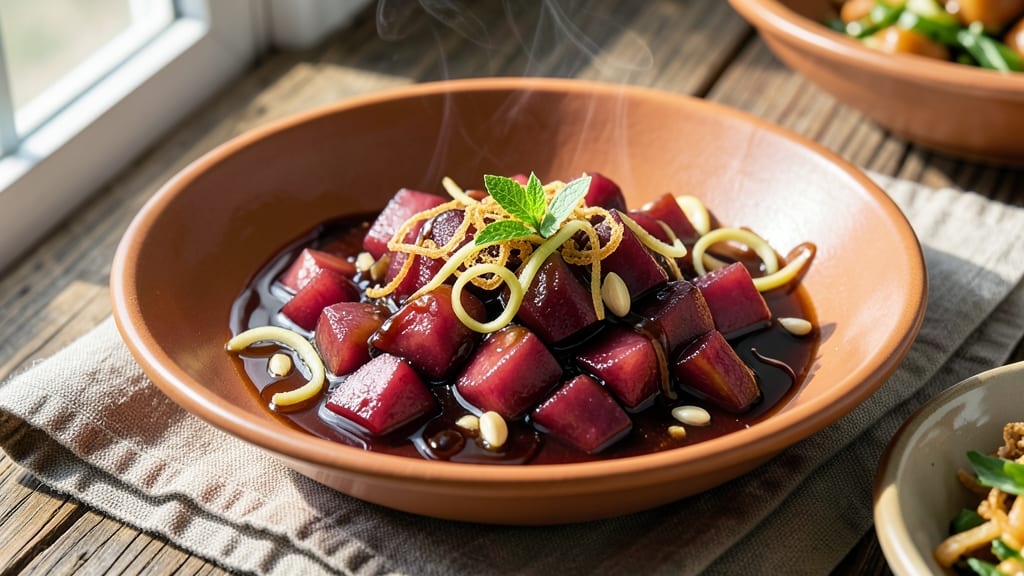
This authentic plum sauce recipe transforms simple ingredients into a velvety condiment that bridges sweet, tangy, and umami flavors—exactly how it’s served in Asian restaurants. The secret lies in balancing ripe plums, rice vinegar, and a touch of ginger, which creates depth without overpowering.
What makes this version stand out is its minimalist approach: no artificial additives, just fresh ingredients simmered until perfectly reduced.
The sauce’s versatility is its greatest strength—it elevates everything from grilled meats to spring rolls, but its true magic happens when used as a dipping sauce or glaze. The texture should be thick yet pourable, with a glossy sheen that signals readiness.
For authenticity, I’ve included a traditional method that requires no special equipment, just patience and attention to the simmering process.
What you’ll achieve is a sauce that’s authentic in flavor but adaptable to dietary needs—whether you reduce sugar for a lighter version or swap honey for maple syrup. The aroma alone will transport you to a bustling street market, while the taste delivers that perfect harmony of sweetness and acidity.
Store it in the fridge for up to two weeks, or preserve it longer with sterilized jars.
This isn’t just a condiment; it’s a flavor booster that turns ordinary dishes into something extraordinary. Let’s make it.
Ingredients for authentic plum sauce
Five ingredients, Asian restaurant authenticity, and no artificial additives transform into velvety plum sauce.
| Ingredient | Amount | Notes |
|---|---|---|
| Ripe Plums 🍑 | 1 ½ lb | Pitted, preferably Japanese or Italian varieties |
| Rice Vinegar 🍶 | ½ cup | White or seasoned, 5% acidity preferred |
| Fresh Ginger 🌿 | 2 tbsp | Finely grated, peel removed |
| Dark Brown Sugar 🍚 | ½ cup | Packed firmly, for caramel depth |
| Low-Sodium Soy Sauce 🍶 | 2 tbsp | Kikkoman preferred for authenticity |
| Garlic Cloves 🧄 | 2 cloves | Minced, for aromatic base |
| Sesame Oil 🫒 | 1 tbsp | Toasted, for nutty finish |
| Cornstarch 🌾 | 1 tsp | Dissolved in 1 tbsp water |
The plums are non-negotiable for authentic flavor. Japanese or Italian varieties from specialty markets or Asian grocery stores yield the best results—they're sweeter and hold their shape during simmering. Look for plums that are slightly underripe but firm to the touch; they'll soften perfectly without turning mushy. Trader Joe's and H Mart consistently carry high-quality options. If using frozen plums, thaw and pat completely dry to prevent excess liquid during cooking. The ginger should be fresh, with a vibrant color and no soft spots—Asian markets often have the best selection, but any well-stocked grocery store will carry it.
No rice vinegar? Apple cider vinegar works in a pinch, though the flavor will be slightly different. The soy sauce can be swapped for coconut aminos if you're avoiding soy, but the umami depth will be noticeably reduced. For a sugar substitute, maple syrup or agave nectar work well at a 1:1 ratio, though the sauce will have a slightly different texture. The cornstarch is optional but recommended for achieving that perfect glossy, pourable consistency—if you omit it, the sauce will be thinner but still delicious. Bob's Red Mill cornstarch is my go-to for its fine texture and reliable thickening power. And yes, you can use sesame seeds instead of oil for garnish if you prefer a crunchy texture.
This sauce develops better flavors with time, so let it sit at room temperature for 30 minutes before serving. In the fridge, it keeps for 2 weeks in an airtight container, though the flavor continues to deepen for the first 5 days. For longer storage, sterilize jars and process in a water bath for 10 minutes—it'll last 12 months on the shelf. I always make double batches because it disappears so quickly. The sauce thickens as it cools, so reheat gently with a splash of water if needed. And if it separates, just stir vigorously—it'll come back together.
Why You'll Love This Recipe
- Five-Ingredient Magic: This sauce is basically foolproof—just chop plums, grate ginger, and toss in the pantry staples. No fancy techniques, no stress, just pure flavor assembly.
- Sweet-Savory Balance: That first bite of tangy rice vinegar cutting through the jammy plums? It’s like a hug for your taste buds. The ginger adds a warm kick, and the soy sauce ties it all together—no bitterness, just depth.
- Weeknight & Wok Night: Drizzle it over grilled chicken, toss with noodles, or serve as a dip for spring rolls. It’s the kind of sauce that makes mealtime feel special without requiring a Pinterest-perfect presentation.
- Makes More Than You Need: Between us, I always double the batch. The leftovers keep for weeks in the fridge, and it’s cheaper than buying store-bought versions. Plus, freezing it means I’m never stuck without sauce again.
Step-by-step instructions for authentic plum sauce
This method delivers restaurant-quality plum sauce with perfect sweet-tart balance every time.
Prepare and Simmer the Plum Base
Pit the 1.5 lb ripe plums and cut them into ½-inch chunks. Transfer to a medium saucepan and add the 0.5 cup rice vinegar and 2 tbsp low-sodium soy sauce. Bring to a boil over medium-high heat, then immediately reduce to medium-low heat. Let it simmer uncovered for 10-12 minutes until the plums soften and begin to break down.
Here's the thing—you want the plums to collapse slightly but still retain shape. If they turn to mush, you've overcooked them. The sauce should have a jammy consistency but not be liquid. Stir occasionally to prevent sticking, and watch for that moment when the liquid reduces by about ¼ cup—that's your visual cue the base is ready.
Build Flavor with Ginger and Garlic
Add the 2 tbsp finely grated fresh ginger and 2 cloves minced garlic to the simmering plum mixture. Stir well to combine, then continue simmering for another 5 minutes. The ginger should infuse its sharp, citrusy notes while the garlic adds depth without overpowering.
I press the ginger through a fine-mesh sieve to remove any fibrous bits—this ensures a silky texture. The garlic should be minced very finely so it dissolves completely. If you taste the sauce now, you'll notice the bright acidity from the vinegar and the warm, spicy kick from the ginger. This is the foundation of the authentic flavor profile.
Sweeten and Thicken the Sauce
In a small bowl, whisk together the 0.5 cup packed dark brown sugar and the 1 tsp cornstarch dissolved in 1 tbsp water. Slowly pour this mixture into the simmering plum sauce while stirring constantly. The sugar will caramelize immediately, deepening the sauce's color and adding rich sweetness.
Simmer the sauce for 8-10 minutes more, stirring frequently, until it thickens to a glossy, syrupy consistency. You're aiming for a sauce that coats the back of a spoon but still flows smoothly. If it thickens too quickly, add 1-2 tablespoons of water to adjust the texture. The sauce should coat a spoon but not be gluey.
Finish with Sesame Oil and Rest
Remove the sauce from heat and stir in the 1 tbsp toasted sesame oil. This final step adds a nutty aroma and balances the sweet-tart profile. Let the sauce cool to room temperature—this allows the flavors to meld completely. The sauce will thicken further as it cools, so don't worry if it looks slightly runny right after removing it from heat.
For best results, refrigerate the sauce for at least 1 hour before serving. This resting period ensures the flavors develop fully. The sauce should have a deep ruby color, glossy sheen, and a perfect balance of sweet, tangy, and umami notes. Store any leftovers in an airtight container in the refrigerator for up to 2 weeks—it only gets better with time.
Pro Tips For Making Authentic Plum Sauce
- PEEL PLUMS AFTER COOKING: I learned this the hard way—peeling plums raw is a mess, but cooked fruit slips right off the skin. Simmer them whole until tender (about 10 minutes), then cool slightly before peeling under running water. No more pitting battles or stained fingers.
- GRATE GINGER FINE: Fresh ginger adds depth, but too many chunks mean uneven texture. Use the smallest holes on your grater or finely mince it—think "almost powder" rather than "visible specks." This blends smoothly into the sauce without leaving chewy surprises.
- STIR CONSTANTLY AT FIRST: The first 5 minutes are critical. Without constant stirring, the brown sugar can scorch before the plums release their juices, turning your sauce bitter. Keep a wooden spoon moving—yes, even if you’re multitasking—and reduce heat slightly if it starts to darken too fast.
- SWEAT GINGER FIRST: Sounds weird, but it works: Sauté the grated ginger in a dry pan for 1-2 minutes until fragrant and just starting to color. This draws out its oils and mellows the sharpness before adding liquid. Skip this, and your sauce might taste raw or overly peppery.
Wine and beer pairings for these flavors
Red Wine Pairings
For plum sauce’s bright acidity and sweet-tart balance, a dry Riesling from Germany or Alsace is my go-to choice. The wine’s crisp apple and citrus notes mirror the sauce’s tang while its slight sweetness complements the plum’s natural sugars.
Look for a Kastellaun Riesling Kabinett—it’s affordable and consistently delivers. 🍷
If you prefer reds, a Pinot Noir from Oregon or Burgundy works beautifully. Its red fruit and earthy undertones stand up to the sauce’s complexity without overpowering. I love Domaine Drouhin Oregon Pinot Noir—it’s approachable yet sophisticated. Avoid heavy Cabernets, as their tannins clash with the sauce’s silkiness.
Light Beer Complements
A Japanese lager like Asahi Super Dry or Sapporo Premium cuts through the sauce’s richness with its clean, crisp profile. The beer’s subtle hop bitterness balances the sweetness, creating a refreshing contrast. Serve it chilled for the best experience. 🍺
For a craft beer twist, try a Belgian witbier such as Hoegaarden or Stella Artois Wit. The corianander and orange peel notes enhance the sauce’s bright, citrusy flavors. These beers are light enough to not overwhelm the dish but add an interesting layer of complexity.
Sparkling Wine Elevation
Prosecco or Italian sparkling wine like La Marca Prosecco adds a festive touch when paired with plum sauce. The effervescence cleanses your palate, allowing you to taste the sauce’s depth with each bite. Serve it well-chilled to highlight its crisp, bubbly character. ✨
Avoid sweet sparkling wines—like Moscato—as they’ll clash with the sauce’s acidity. Instead, opt for dry or brut styles to maintain balance. The bubbles also make the sauce feel lighter, perfect for warm weather or casual gatherings.
Nutrition facts
Frequently asked questions
Can I substitute fresh plums with plum jam?
Yes, but the texture will differ. Use ½ cup plum jam (no sugar added) plus ¼ cup water to replicate the fruit's natural juices. Simmer for 5 minutes first to dissolve the jam, then proceed with the recipe. The sauce will be smoother but slightly less vibrant. For best results, use high-quality jam with visible plum chunks.
How do I adjust the sweetness level?
Start with the full ½ cup sugar for authentic balance, but reduce to ⅓ cup for a lighter version or ⅔ cup if you prefer it sweeter. Taste as you simmer—add sugar gradually if needed. Remember, the vinegar's acidity will make the sauce taste sweeter than it appears. For a diabetic-friendly version, use erythritol or monk fruit sweetener at a 1:1 ratio.
What's the best way to use leftover plum sauce?
Use it within 2 weeks for peak flavor. Drizzle over grilled chicken skewers, stir into stir-fries, or use as a glaze for roasted pork. For extra richness, add 1 tsp toasted sesame seeds before serving. The sauce also makes an excellent marinade—combine with 1 tbsp soy sauce and 1 tsp ginger for 30 minutes before cooking.
Why did my sauce turn out too thin?
This usually happens from one of three issues: insufficient simmering time, too much liquid added, or cornstarch not fully dissolved. For next time, simmer uncovered until reduced by ⅓, or mix 1 tsp cornstarch with 1 tbsp water and stir into the hot sauce. If it's already too thin, simmer 5 more minutes uncovered to evaporate excess liquid. Never add more cornstarch directly—it'll clump.
Can I make plum sauce without rice vinegar?
Yes, but the flavor profile changes. Replace with apple cider vinegar (same amount) for a milder taste, or use balsamic vinegar (reduce to ⅓ cup) for depth. For a more authentic tang, combine ¼ cup apple cider vinegar with ¼ cup lime juice. The sauce will be brighter but lose some of the traditional umami complexity. Always taste and adjust sweetness accordingly.