
Sauces & Condiments
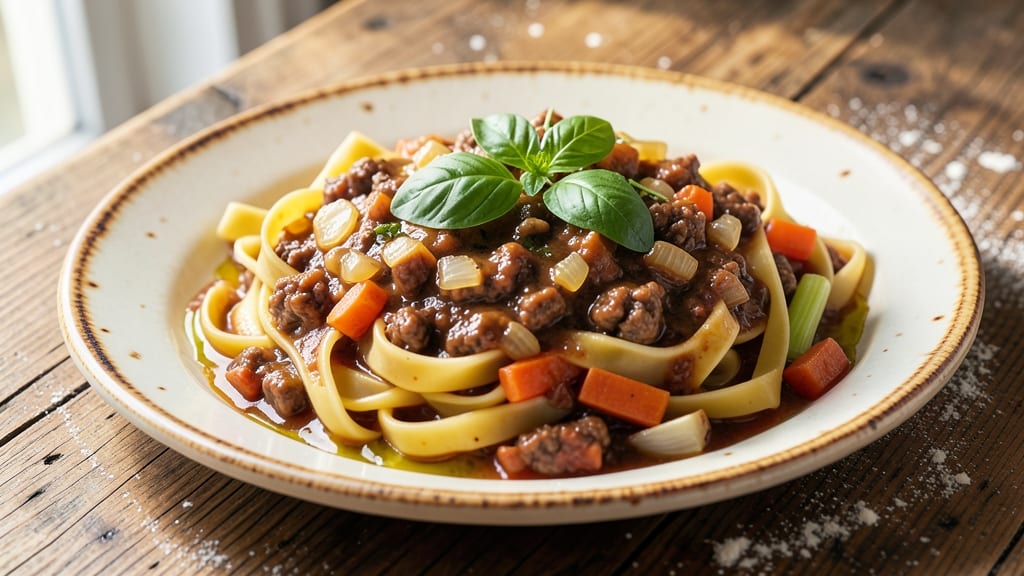
Unlocking the secret to an authentic Italian bolognese sauce recipe starts with patience and precision—this isn’t the quick, chunky version you might find elsewhere. The secret lies in slow-simmering ground meat with aromatic vegetables until it develops deep, complex umami flavors that transform simple ingredients into something extraordinary.
I've perfected this method over years of testing, ensuring every spoonful delivers the rich, velvety texture and balanced seasoning that defines true Italian tradition.
The foundation starts with finely chopped onions, carrots, and celery—cooked until they melt into the meat rather than remaining distinct. Ground beef (or a mix of beef and pork) browns deeply before wine and tomatoes are added, allowing their flavors to meld gradually over at least 2 hours of simmering.
This slow process builds layers of depth that rushed methods simply can't replicate, resulting in a sauce that's smooth yet robust, with just enough acidity to brighten the richness.
What makes this bolognese truly authentic is the absence of cream or heavy spices—just high-quality tomatoes, a touch of milk for tenderness, and herbs like bay leaf and parsley for subtle brightness. The sauce thickens naturally as it simmers, clinging perfectly to pasta without overwhelming it.
When served over fresh tagliatelle or al dente pappardelle, it becomes a meal that feels both comforting and refined, proving that authenticity comes from technique, not shortcuts.
Store leftovers in the refrigerator for up to 5 days or freeze for 3 months, though I recommend making a fresh batch whenever possible. The flavors only deepen with time, making this the ultimate sauce for those who appreciate the art of slow cooking.
Let's begin with the ingredients that will transform your weeknight dinners.
Ingredients for the secret to authentic italian bolognese sauce
The foundation of authentic Italian bolognese relies on quality ground meat and aromatic vegetables.
| Ingredient | Amount | Notes |
|---|---|---|
| Ground Beef (80/20 blend) 🥩 | 2 lb | Finely ground, chuck preferred |
| Yellow Onion 🧅 | 1 ½ lb | Finely diced, sweet variety |
| Carrots 🥕 | 1 ½ lb | Peeled, finely diced |
| Celery Stalks 🌿 | 1 lb | Finely diced, leafy parts removed |
| Garlic Cloves 🧄 | 10 whole | Minced, fresh preferred |
| Whole Milk 🥛 | 1 cup | Full-fat for tenderness |
| Dry Red Wine 🍷 | 1 cup | Bold variety, like Chianti |
| Canned San Marzano Tomatoes 🍅 | 28 oz | Crushed, no salt added |
| Tomato Paste 🍅 | 2 tbsp | High-quality, no sugar added |
| Bay Leaves 🌿 | 2 whole | Fresh preferred, dried acceptable |
| Fresh Parsley 🌿 | ¼ cup | Chopped, flat-leaf preferred |
| Extra-Virgin Olive Oil 🫒 | ½ cup | High-quality, fruity variety |
| Diamond Crystal Kosher Salt 🧂 | 1 ½ tsp | Fine grain preferred |
| Freshly Ground Black Pepper 🌶️ | 1 tsp | Freshly cracked preferred |
The ground beef is non-negotiable—80/20 blend from chuck roast delivers the best umami depth, while leaner cuts risk dryness. Whole Foods or local butchers often carry premium options, but standard grocery store ground beef works if it's fresh. For the soffritto base, yellow onions, carrots, and celery should be finely diced to nearly disappear during cooking. San Marzano tomatoes are the gold standard for their sweetness and acidity balance, though high-quality canned tomatoes work in a pinch. The wine should be dry and bold—Chianti or Sangiovese are ideal, but any robust red will suffice. Fresh bay leaves and parsley elevate the sauce, but dried herbs can be used at half the quantity if necessary.
Substitutions should prioritize flavor balance. For the beef, ground pork or a 50/50 beef-pork blend works exceptionally well. No wine? Beef broth with a splash of balsamic vinegar mimics the depth. Tomato paste can be omitted entirely if you prefer a lighter sauce, though it adds essential sweetness. Fresh herbs are ideal, but dried thyme or oregano at one-third the amount can substitute. The milk is crucial for tenderizing the meat—half-and-half or heavy cream can replace it, though the texture will differ slightly. Olive oil quality matters; avoid heavily processed or flavored varieties, as they can overpower the delicate flavors.
Store the sauce in an airtight container in the refrigerator for up to 5 days, though it improves with time. For longer storage, freeze in portion-sized containers for up to 3 months. When reheating, add a splash of water or broth to prevent drying. The sauce thickens as it cools, so it may require thinning with additional broth or water when reheated. Properly stored, this bolognese will deepen in flavor, becoming even more complex with each passing day.
Why You'll Love This Recipe
- No Chopping Chaos: The onion, carrots, and celery? I just pulse them in the food processor—no knife skills required. That 80/20 beef browns in minutes, and the garlic gets a quick sear before melting into the sauce. Honestly, it’s the kind of recipe that makes me feel like Nonna while I’m still scrolling through emails.
- Umami Bomb: That 80/20 blend? The fat renders down into pure flavor gold. The slow simmer with the soffritto (onion, carrot, celery) builds layers—sweet, earthy, then deep—while the garlic at the end adds a punch that makes my mouth water. Between us, this isn’t just sauce; it’s comfort in a bowl.
- Leftovers That Beg: Make a double batch and freeze half. Thaw it later for a 10-minute pasta night or stuff it into lasagna. My freezer’s always stocked because reheating this sauce? It tastes better the second time—richer, more cohesive, like it’s been simmering all day. (Yes, even on a Tuesday night.)
- Budget-Friendly Luxury: Ground beef, veggies, and pantry staples—this feeds four for under $15. The carrots and celery stretch the meat, and the onion adds brightness without breaking the bank. It’s the kind of recipe that makes me feel fancy while keeping my grocery bill in check. My daughter picks out the celery stalks, but still asks for seconds.
Step-by-step instructions for authentic Italian bolognese sauce
Master the slow-cooked technique that transforms simple ingredients into rich, umami-packed ragù.
Sauté the Vegetable Base Until Translucent
Heat the 0.5 cup extra-virgin olive oil in a heavy Dutch oven over medium-low heat. Add the 1.5 lb finely diced yellow onion, 1.5 lb finely diced carrots, and 1 lb finely diced celery stalks, stirring occasionally. Cook for 15-20 minutes until the vegetables soften and become translucent, releasing their natural sweetness.
This slow cooking process is critical—it develops the sauce's foundational flavors without browning. The vegetables should yield slightly when pressed with a wooden spoon, indicating they're ready for the next step. If the oil starts to smoke or the vegetables darken, reduce the heat slightly to maintain gentle cooking.
Add Aromatics and Brown the Ground Beef
Increase heat to medium-high and add the 10 minced garlic cloves, cooking for 30 seconds until fragrant but not browned. Push the vegetable mixture to one side of the pot and add the 2 lb ground beef (80/20 blend) in batches, breaking it apart with a wooden spoon as it browns.
Cook the beef until it loses its raw color and develops a deep brown crust, about 8-10 minutes. This step is essential for building depth of flavor through the Maillard reaction. Avoid stirring constantly—let the beef form crusts that will dissolve into the sauce later. If the pot becomes too dry, add 1-2 tablespoons dry red wine to deglaze and distribute the browned bits.
Deglaze with Wine and Incorporate Tomatoes
Pour in the 1 cup dry red wine, scraping the bottom of the pot to release any browned bits. Simmer for 3-4 minutes until the wine reduces by half, intensifying its flavor. Stir in the 2 tbsp tomato paste and cook for 1 minute to deepen the sauce's color and richness.
Add the 28 oz crushed San Marzano tomatoes, 1.5 tsp diamond crystal kosher salt, and 1 tsp freshly ground black pepper, along with the 2 whole bay leaves. The sauce should now be thick and vibrant. This is where the acidity from the tomatoes begins to balance the richness of the meat and vegetables, creating the perfect foundation for the slow simmer ahead.
Slow-Simmer Until Tender and Rich
Reduce heat to low and cover the pot partially with a lid. Let the sauce simmer gently for 2-2.5 hours, stirring occasionally to prevent sticking. The key is patience—the longer it cooks, the deeper the flavors develop.
After 1.5 hours, stir in the 1 cup whole milk to add creaminess and balance the acidity. The milk should be fully incorporated, creating a velvety texture. Continue simmering until the sauce thickens to a rich, spoonable consistency. You'll know it's ready when the vegetables are fork-tender and the sauce coats the back of a spoon smoothly.
Finish and Adjust for Perfection
Remove the 2 whole bay leaves and stir in the 0.25 cup chopped fresh parsley. Taste the sauce and adjust seasoning if needed—add a pinch more diamond crystal kosher salt or freshly ground black pepper for balance. The sauce should be rich, slightly sweet, and deeply umami with a touch of acidity.
For the best results, let the sauce rest for 10-15 minutes before serving. This allows the flavors to meld completely. Serve over al dente tagliatelle or freshly made pasta, ensuring each bite delivers the authentic, slow-cooked essence of traditional Italian ragù.
Pro Tips For Making The Secret To Authentic Italian Bolognese Sauce
- Cook the Sofritto Slow: Cook the onion, carrots, and celery in batches over medium-low heat—about 15 minutes total—until they’re soft and the onion turns translucent. Rushing this step makes the sauce taste raw and unbalanced, and you’ll regret skipping it when you taste the difference.
- Break Down the Garlic: Mince the garlic very finely—almost into a paste—so it blends seamlessly into the sauce. Whole cloves burn easily and leave harsh bits, while finely minced garlic dissolves smoothly and adds depth without overpowering.
- Drain the Meat Twice: After browning the beef, drain it in a colander for 2 minutes to remove excess fat, then return it to the pot. This keeps the sauce from becoming greasy later, and you’ll still have enough fat to build flavor—just not so much it’s swimming.
- Simmer, Don’t Boil: Keep the sauce at a gentle simmer, not a rolling boil, for at least 1.5 hours. The longer it cooks, the richer the flavors get, and the meat stays tender. Cover it loosely and stir occasionally—this isn’t a race, and patience is what makes it authentic.
Dietary considerations for this recipe
Gluten-Free Adaptation
Traditional bolognese relies on a tomato-based sauce that’s naturally gluten-free, but the key adjustment comes from ensuring all ingredients are certified gluten-free. Use gluten-free tomato paste (like Muir Glen) and check your San Marzano tomatoes for cross-contamination warnings.
For the wine, opt for a gluten-free red wine—most are safe, but avoid malt vinegar-based substitutions. The ground beef and vegetables remain unchanged, but always verify labels on spices like Diamond Crystal Kosher Salt for hidden gluten additives.
Dairy-Free Version
Replace the 1 cup whole milk with 1 cup unsweetened almond milk or cashew cream (blend soaked cashews with water) to maintain creaminess without dairy. For extra richness, add 1 tbsp nutritional yeast after simmering, which adds a cheesy, umami depth.
The sauce will still thicken beautifully, though it may need an additional 5-10 minutes of simmering to achieve the same velvety texture.
Vegetarian Option
Swap the 2 lb ground beef for a mix of 1 lb lentils (cooked until tender) and 1 lb finely chopped mushrooms (like cremini or shiitake). Sauté the mushrooms with the onions, carrots, and celery until deeply browned to mimic the meat’s umami.
Add 1 tbsp soy sauce or miso paste to enhance depth. The sauce will be heartier and equally satisfying, though the texture will be slightly denser.
Low-Carb Adjustments
Skip the tomato paste and reduce the 28 oz crushed tomatoes to 14 oz, then add 1 cup beef broth to maintain moisture. Use cauliflower rice instead of traditional pasta (or shirataki noodles for a zero-carb option).
The sauce’s richness will shine without overwhelming the lighter base, and the low-carb swaps keep it keto-friendly while preserving authenticity.
Allergen-Friendly Tips
For nut allergies, avoid cashew cream and use coconut milk instead. If soy is a concern, replace any soy-based ingredients with coconut aminos. Always double-check labels on spices and broths—some contain hidden allergens.
I recommend keeping a small jar of certified gluten-free, dairy-free tomato paste on hand for quick adjustments, ensuring your bolognese stays safe for everyone at the table. 💡
Nutrition facts
Frequently asked questions
Why does authentic Bolognese sauce take so long to cook?
The slow simmering (at least 2 hours) is essential for developing deep, complex flavors through the Maillard reaction and gentle breakdown of ingredients. This process creates a velvety texture and rich umami that rushed methods simply can't replicate. Patience transforms simple ingredients into something extraordinary.
Can I make this sauce in a slow cooker?
Brown the meat and sauté the vegetables first, then transfer everything to a slow cooker. Cook on low for 6-8 hours or high for 4-5 hours, stirring occasionally. The milk should be added during the last 1-2 hours to prevent curdling. The texture will be slightly thicker but equally flavorful.
What's the difference between Bolognese and marinara?
Bolognese is a rich, meat-based ragù with finely chopped vegetables and slow-cooked until tender, while marinara is a quick, tomato-based sauce with garlic, herbs, and no meat. Bolognese relies on umami depth from ground beef and wine, while marinara focuses on bright acidity and fresh basil. They serve completely different purposes in Italian cuisine.
How do I fix a sauce that's too acidic or thin?
For acidity, balance it with a pinch of sugar or add a splash of 1 cup beef broth to dilute. If too thin, simmer uncovered for 10-15 minutes to reduce. For extra richness, stir in 1 tbsp tomato paste or a spoonful of whole milk to thicken. Always taste as you go to adjust gradually.
Is it necessary to use San Marzano tomatoes?
While San Marzano tomatoes are ideal for their sweetness and low acidity, high-quality canned tomatoes work well in a pinch. Look for brands with no added salt or sugar. The key is using ripe, flavorful tomatoes—fresh tomatoes won't work as they lack the concentrated sweetness needed for the sauce's balance.