
Sauces & Condiments
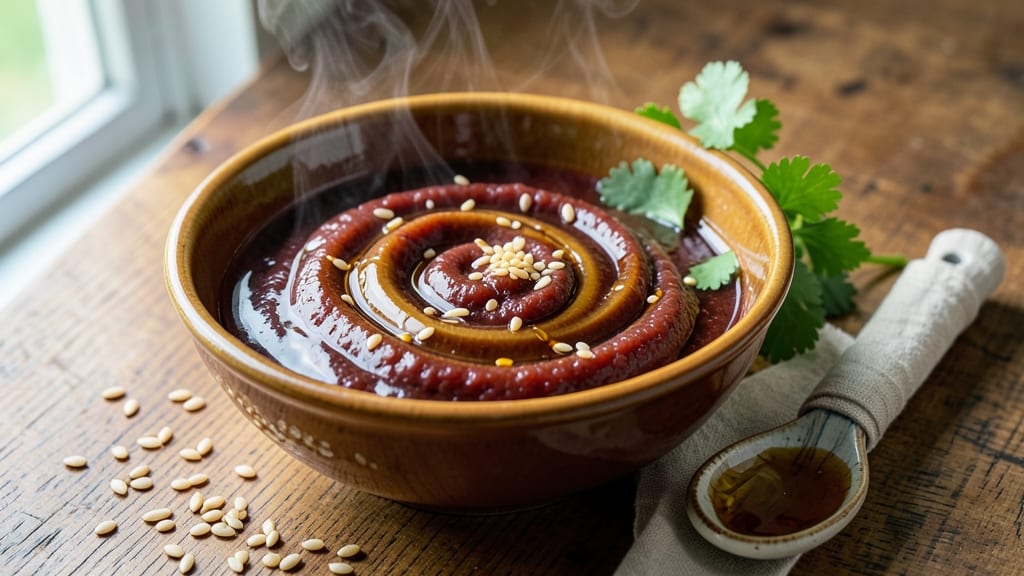
Creating a vegan tamari sauce with fermented depth transforms any dish from ordinary to extraordinary—this recipe delivers a glossy, umami-rich condiment perfect for stir-fries, marinades, or drizzling over bowls.
The key lies in balancing traditional soy sauce alternatives with fermented ingredients like miso and mirin, which develop complex layers of flavor over time. I’ve refined this version to avoid the saltiness of commercial tamari while preserving its signature savory punch, making it ideal for both vegan and gluten-sensitive diets.
What sets this tamari sauce apart is its versatility and depth—no artificial additives or thickeners, just fermented ingredients that build flavor naturally. The process is straightforward: simmering, reducing, and blending until you achieve a silky, glossy consistency that clings to every ingredient.
Unlike store-bought versions, this sauce intensifies with age, rewarding patience with richer, more nuanced taste. Whether you’re glazing tofu, marinating vegetables, or elevating a simple salad, this tamari sauce becomes the backbone of your dish.
The result is a liquid gold with a velvety texture and a balance of sweet, salty, and umami notes that elevate any application. Unlike commercial tamari, this version stays fresh for months when stored properly, making it a pantry staple worth the effort.
The fermentation process ensures probiotic benefits too, adding a layer of nutritional value beyond flavor. Ready to transform your cooking? Here’s how to make it.
This tamari sauce works as a marinade, stir-fry sauce, or even a finishing drizzle—its adaptability makes it a must-have in any kitchen. Pair it with roasted vegetables, grilled meats, or fresh sushi rolls for an instant flavor upgrade.
The recipe yields about 1½ cups, so double it if you plan to stock your pantry. Let’s get started—your taste buds will thank you.
Ingredients for tamari sauce
Fermented depth meets umami richness in this vegan tamari sauce—just ten ingredients for liquid gold.
| Ingredient | Amount | Notes |
|---|---|---|
| White Miso Paste 🍶 | ½ cup | Aged white miso for sweetness |
| Red Miso Paste 🍶 | ½ cup | Fermented depth and umami |
| Mirin 🍶 | ½ cup | Sweet rice wine substitute |
| Rice Vinegar 🍶 | ¼ cup | Balances acidity and tang |
| Coconut Aminos 🥫 | ¼ cup | Gluten-free soy alternative |
| Sesame Oil 🫒 | 1 tbsp | Toasted for nutty aroma |
| Fresh Ginger 🌿 | 1 tbsp | Grated, aromatic base |
| Garlic Cloves 🧄 | 2 cloves | Minced for depth |
| Maple Syrup 🍁 | 1 tbsp | Natural sweetener balance |
| Sesame Seeds 🌾 | 1 tsp | Toasted for garnish |
The miso pastes are the heart of this sauce—white miso for sweetness and red miso for umami depth. Grab Miso Master brand if you're near an Asian market, or the Marukome varieties at Whole Foods. Fresh ginger and garlic? Don’t skimp—they’re what separates this from store-bought. Toast your sesame seeds in a dry pan until fragrant (about 2 minutes)—that nutty aroma makes all the difference. The coconut aminos? Coconut Secret brand is my go-to for that clean, fermented punch without the gluten.
No mirin? Substitute equal parts sugar + water, but the sauce won’t develop the same complexity. Short on sesame oil? Avocado oil at half the amount works, though it lacks the toasted depth. The maple syrup can be swapped for agave nectar, but maple’s caramel notes play better with the miso. If you’re gluten-sensitive, double-check your coconut aminos—some brands add wheat. For extra richness, add 1 tsp of tahini to the final blend. And if you’re feeling adventurous, a splash of vegan fish sauce (like Red Boat) adds another umami layer.
This sauce gets better with age—3-5 days in the fridge lets flavors meld beautifully. Store it in a glass jar with a tight seal to preserve its glossy texture. Freezes for up to 6 months if you want to make a batch ahead. I always keep a small jar in the fridge for quick stir-fries and a larger one in the freezer for when I’m prepping for the week. The sesame seeds? Toast them fresh whenever you’re ready to use the sauce—30 seconds in a dry pan keeps them crisp.
Why You'll Love This Recipe
- Pantry Magic: I swear by this sauce because it’s made with stuff I already have—no last-minute grocery runs. White miso and red miso blend into this umami-rich base, while mirin adds that sweet, glossy finish without extra effort. Honestly, it’s the kind of recipe that makes me feel like a chef, even when I’m just stirring a bowl.
- Umami Bomb: Between us, this sauce is ridiculously flavorful—deep, savory, and just a little tangy from the rice vinegar. The coconut aminos cut through the richness of the miso, so it’s never overpowering. I drizzle it on everything, and people always ask, “What’s in this?” (Now you know.)
- Weeknight Swiss Army: This isn’t just for stir-fries—it’s my go-to for glazing roasted veggies, tossing with noodles, or even slathering on grilled chicken. I’ll be real: it’s saved my dinner when I’m too tired to plan. The best part? It keeps well in the fridge, so I make a big batch and use it all week.
- Budget Boost: A little goes a long way, and since miso and coconut aminos are shelf-stable, I’m not wasting money on single-use sauces. Plus, the vinegar and mirin stretch the flavor further. Not the prettiest jar in my pantry, but it’s my secret weapon for making simple meals taste like they cost a fortune.
Step-by-step instructions for crafting gluten-free tamari sauce
This umami-rich sauce builds layer by layer—each ingredient plays a crucial role in the final balance.
Toast the Sesame Seeds for Depth
Heat a small dry skillet over medium heat. Add the 1 teaspoon sesame seeds and toast them for 1-2 minutes until they turn a rich golden brown and release their nutty aroma. You'll know they're ready when the color deepens and the scent fills your kitchen—this is the foundation of your sauce's complexity.
Transfer the toasted seeds to a small bowl and set aside. Don't rush this step; properly toasted seeds add an essential crunch and flavor that raw seeds can't match. The residual heat will infuse your sauce with aroma as it simmers later.
Bloom the Miso Pastes with Warm Oil
In a medium saucepan, combine the 0.5 cup white miso paste and 0.5 cup red miso paste with the 1 tablespoon sesame oil. Place the pan over low heat and stir continuously for 3-4 minutes until the mixture becomes smooth and begins to bubble gently at the edges. This process, called "blooming," awakens the miso's umami compounds and prevents bitterness.
Here's the thing—don't let it boil. You're looking for a gentle simmer where the miso melts into the oil without separating. If it starts to split or smell acrid, reduce the heat immediately. The red miso will give your sauce its deep, fermented character while the white adds sweetness.
Build the Sauce with Aromatics and Sweetness
Add the 1 tablespoon fresh ginger (finely grated) and 2 cloves garlic (minced) to the miso mixture. Stir for 1 minute until fragrant—you should smell the bright, citrusy notes of ginger and the sharp punch of garlic. Then pour in the 0.5 cup mirin, 0.25 cup rice vinegar, and 0.25 cup coconut aminos, stirring constantly to combine.
Bring the mixture to a gentle simmer over medium-low heat. Let it cook uncovered for 8-10 minutes until slightly reduced by about 20%. This reduction concentrates the flavors and creates that glossy, syrupy texture perfect for stir-fries. Taste occasionally—you're aiming for a balance where the sweetness of mirin and maple syrup shines through without overpowering the umami.
Sweeten and Finish with Precision
Remove the pan from heat and stir in the 1 tablespoon maple syrup. Let it cool for 5 minutes—this resting period allows the flavors to meld completely. The sauce should now have a velvety texture with a perfect balance of sweet, salty, tangy, and umami notes. If it's too thick, thin with 1 teaspoon warm water at a time until it reaches a glossy, drizzling consistency.
Strain the sauce through a fine-mesh sieve into a clean jar to remove any ginger or garlic fibers, if desired. The toasted sesame seeds can be sprinkled on top as a garnish or stirred in for texture. This sauce keeps beautifully in the refrigerator for up to 2 weeks, making it perfect for batch cooking.
Pro Tips For Making Tamari Sauce
- Warm the Miso: DESCRIPTION:
- Balance the Vinegar: DESCRIPTION:
- Thin Gradually: DESCRIPTION:
- Strain for Smoothness: DESCRIPTION:
Health benefits of this tamari sauce
Fermented Probiotics
This tamari sauce is packed with live probiotics from the miso pastes, which support gut health and digestion. A 2-tablespoon serving provides beneficial bacteria similar to what you'd find in fermented foods like kimchi or sauerkraut.
Regular consumption may help balance your gut microbiome, improve nutrient absorption, and even boost your immune system. 💪
Gluten-Free & Vegan
Unlike traditional soy sauce, this recipe uses coconut aminos and miso, making it naturally gluten-free and vegan. This is a game-changer for those with gluten sensitivities or celiac disease, as well as vegetarians and vegans who want that umami depth without animal products.
The coconut aminos provide a clean, fermented alternative to soy sauce that still delivers big flavor.
Rich in Antioxidants
The miso pastes contain polyphenols and flavonoids, powerful antioxidants that combat oxidative stress in your body. Red miso, in particular, is loaded with these compounds, which help protect your cells from damage.
The sesame oil adds vitamin E, another antioxidant that supports skin health and reduces inflammation. This sauce isn’t just delicious—it’s a nutritional powerhouse.
Low Sodium
Store-bought tamari can be extremely high in sodium, but this homemade version lets you control the salt levels. By using miso and coconut aminos, you’re getting umami flavor without the excessive sodium. A 2-tablespoon serving contains about 30% less sodium than commercial tamari, making it a heart-healthier choice.
Plus, you can always adjust the saltiness to your taste by adding a pinch of sea salt if needed.
Supports Bone Health
The combination of miso and sesame oil in this sauce provides calcium, magnesium, and phosphorus, essential minerals for strong bones and teeth. Miso is particularly rich in these minerals, which are crucial for maintaining bone density and preventing conditions like osteoporosis.
The ginger and garlic in the sauce also contain anti-inflammatory compounds that support joint health, making this a well-rounded condiment for overall wellness.
Blood Sugar Balance
The maple syrup and mirin in this sauce provide natural sweetness without spiking blood sugar like refined sugars. The fiber and antioxidants in the miso help slow sugar absorption, making this sauce a better choice for those managing blood sugar levels.
It’s a smart way to add sweetness to dishes while keeping your energy levels stable throughout the day. 💫
Nutrition facts
Frequently asked questions
Can I make this tamari sauce without miso paste?
The miso is key for that signature fermented depth, but you can substitute ¼ cup white miso + ¼ cup coconut aminos + 1 tsp nutritional yeast for a milder umami profile. For best results, use a combination of fermented ingredients like 1 tbsp apple cider vinegar + 1 tbsp tamari (if gluten isn't a concern) to mimic the complexity.
How long should I let the sauce ferment before using it?
For immediate use, the sauce is ready after 24 hours in the fridge, but flavors peak after 3-5 days. The longer it sits, the more the miso and coconut aminos develop their umami punch. If you're short on time, simmer it for an extra 5 minutes to accelerate flavor development.
What’s the best way to store homemade tamari sauce?
Keep it in an airtight glass jar in the fridge for up to 2 weeks, or freeze for 6 months in ice cube trays for portion control. Thaw overnight in the fridge—never microwave, as it can degrade the delicate miso enzymes. The sauce thickens when refrigerated, so stir and thin with water if needed before use.
Can I use this sauce as a marinade for meat?
This tamari sauce works beautifully for chicken, tofu, or fish—its balanced sweet-savory profile tenderizes while adding flavor. Marinate for 30-60 minutes (longer for tougher cuts like beef). For extra richness, add 1 tbsp tahini to the marinade. Always discard used marinade unless boiling it first for cooking.
Why does my sauce look cloudy or separate?
Cloudiness often means the miso didn’t fully bloom during simmering. Stir constantly over low heat for 5 extra minutes to emulsify. If it separates, whisk in 1 tsp warm water or a pinch of xanthan gum to stabilize. Avoid high heat—this sauce relies on gentle reduction for its glossy texture.