
Sauces & Condiments
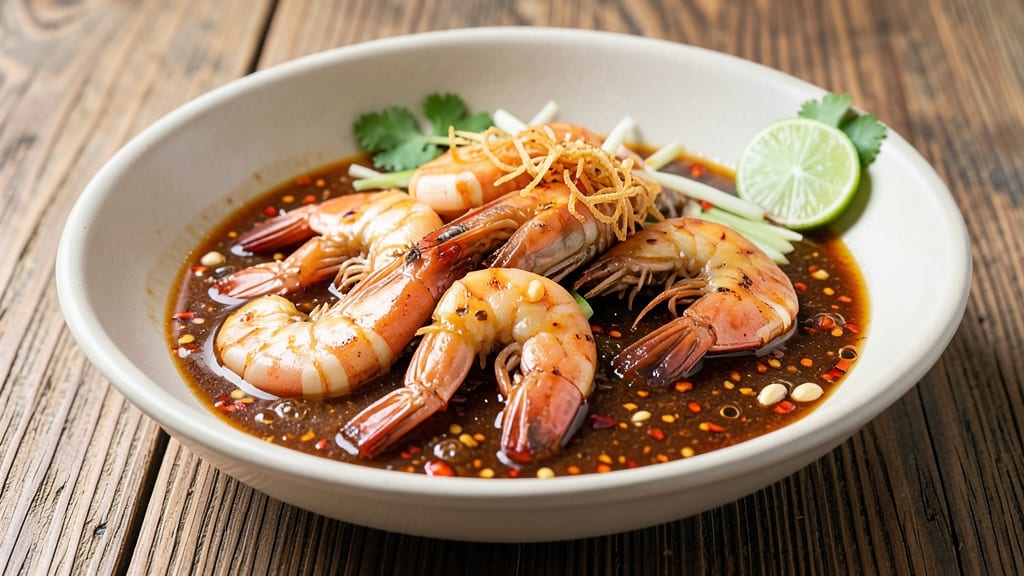
This Asian shrimp sauce recipe transforms ordinary stir-fries and noodles into restaurant-quality dishes with just a few pantry staples and 15 minutes of prep. The secret lies in balancing umami-rich shrimp paste with aromatic garlic, fresh ginger, and a touch of chili for depth. I developed this sauce after years of testing—it's the one that finally elevated my takeout-style meals to something truly special.
What makes this sauce stand out is its versatility and intensity. The shrimp paste provides that signature Asian umami that's hard to replicate, while soy sauce and rice vinegar create a perfect balance of salty, sweet, and tangy.
Fresh ginger and garlic add layers of warmth, and a hint of chili brings just enough heat to make it irresistible. This isn't just a sauce—it's a flavor booster that turns simple dishes into showstoppers.
The best part? It keeps beautifully in the fridge for up to a week, so you can make a big batch and use it all week. Drizzle it over noodles, toss it with stir-fried vegetables, or use it as a dipping sauce for dumplings.
The possibilities are endless, and the results are always impressive. Once you try this sauce, your weeknight cooking will never be the same.
Ready to make your dishes sing? This sauce is your secret weapon for adding restaurant-quality flavor with minimal effort. Let's get started on creating something that will have everyone asking for seconds.
Ingredients for asian shrimp sauce
Pantry staples plus shrimp paste for that signature umami punch. Simple but transformative.
| Ingredient | Amount | Notes |
|---|---|---|
| Shrimp Paste 🦐 | 2 tbsp | Kecap ikan or similar brand |
| Soy Sauce 🥄 | ½ cup | Light or dark preferred |
| Rice Vinegar 🍶 | ¼ cup | Seasoned works best |
| Fresh Ginger 🧄 | 2 tbsp | Finely grated, peel on |
| Garlic Cloves 🧄 | 4 cloves | Minced or pressed |
| Red Chili Flakes 🌶️ | 1 tsp | Adjust for heat preference |
| Honey 🍯 | 1 tbsp | Or maple syrup for vegan |
| Sesame Oil 🫒 | 1 tbsp | Toasted for aroma |
| Water 💧 | ½ cup | Room temperature |
| Salt 🧂 | ½ tsp | Kosher or sea salt |
The shrimp paste is non-negotiable here—Kecap Ikan is the gold standard, but Thai shrimp paste works too. Grab it at Asian markets or the international aisle of most grocery stores. If you can't find it, anchovy paste at half the amount is a decent sub, though it won't be identical. Fresh ginger and garlic? Buy extra—you'll want them for other dishes too. The ginger should smell vibrant, not musty, and the garlic cloves should be firm with no sprouts. For the soy sauce, Kikkoman or Pearl River Bridge are reliable choices, but any good-quality light soy will do.
No shrimp paste? Miso paste or fish sauce can step in, though the flavor will shift slightly. Running out of sesame oil? Toasted peanut oil adds a different but delicious nutty note. The honey can be swapped for maple syrup or agave if you're avoiding it. For extra depth, add a dash of fish sauce (if pescatarian) or soy sauce. The red chili flakes can be omitted entirely if you're sensitive to heat, but trust me—just a pinch makes all the difference. If you're making a big batch, double the water first and adjust the rest proportionally.
This sauce keeps like a dream—1 week in the fridge sealed tightly, or 3 months in the freezer if you want to prep ahead. I like to portion it into small jars so I can grab just what I need. The flavor actually improves after a day or two as everything melds together. If it thickens too much, just stir in a splash of water or rice vinegar. Use it on anything from stir-fries to noodles—drizzle generously, then taste and adjust. The first time I made this, I used half the garlic. Don't make that mistake.
Why You'll Love This Recipe
- Five-Ingredient Magic: I swear by this sauce—it’s the kind of recipe where you almost feel guilty for how little effort it takes. Mince garlic and ginger in 60 seconds, toss in shrimp paste (yes, it’s funky but essential), and let the soy and vinegar work their harmony. No blending, no straining, just stir and simmer until it’s rich enough to coat your spoon.
- Umami Bomb: That shrimp paste? It’s the secret weapon—deep, briny, and addictive once you get past the initial "wait, what’s that smell?" The garlic and ginger sing off each other, while the rice vinegar cuts through the saltiness for a balance that’s weirdly satisfying. Drizzle it over noodles, toss with veggies, or even slather it on grilled fish—it’s the kind of flavor that makes you want to eat it straight from the pan.
- Weeknight to Party: Between us, this sauce is my lazy-night hero, but it’s also the star of my casual dinner parties. Double the batch, store it in the fridge, and suddenly you’ve got a go-to sauce for takeout nights, quick stir-fries, or even as a marinade for shrimp skewers. (Pro tip: It’s especially good when slightly reduced—thicker means more flavor per bite.)
- Budget-Friendly Powerhouse: Shrimp paste might sound fancy, but a tiny block lasts forever, and the rest of the ingredients? Pantry staples. I’ve made this sauce for under $3 a batch, and it stretches to feed four—or two very hungry people who’ll ask for seconds. Plus, leftovers keep for weeks, so you’re always covered when you’re too tired to think.
Step-by-step instructions for Asian shrimp sauce
This sauce delivers bold, aromatic depth perfect for glazing proteins or tossing with noodles.
Bloom the Shrimp Paste for Maximum Flavor
Heat a small saucepan over medium-low heat and add the 2 tbsp shrimp paste. Let it cook undisturbed for 30 seconds until you see it begin to bubble and release its intense aroma. This is where the magic happens—the shrimp paste develops its signature umami depth.
I like to stir gently here, just enough to keep it from burning, because those caramelized bits on the bottom will become the foundation of your sauce. If you smell something too strong or fishy, reduce the heat immediately—this paste is potent stuff. Once it's bubbling gently, you're ready for the next ingredients.
Add Aromatics and Build the Base
Immediately add the 2 tbsp finely grated fresh ginger and 4 cloves minced garlic to the shrimp paste. Cook for 1-2 minutes until the raw garlic smell disappears and you're left with a fragrant, aromatic base. You'll know it's ready when the mixture turns a rich golden color and smells like a bustling Asian street market.
Next, pour in the 0.5 cup soy sauce and 0.25 cup rice vinegar. Stir well to combine, letting the mixture simmer gently for 2-3 minutes until it begins to thicken slightly. This is where the sauce starts taking shape—don't walk away, as it can burn quickly at this stage. The vinegar will help balance the richness of the shrimp paste.
Sweeten and Season for Balance
Add the 1 tbsp honey, 1 tbsp sesame oil, and 1 tsp red chili flakes to the pan. Stir everything together and let it cook for another 1-2 minutes until the honey dissolves and the sauce becomes glossy. This is where the flavors meld together—sweet, salty, umami, and just a hint of heat.
Taste the sauce at this point and adjust the seasoning if needed. You might want to add a pinch more salt or a touch more honey depending on your preference. The sauce should be balanced—sweet enough to coat your tongue but still savory and complex. If it's too thick at this stage, you can add a splash of the 0.5 cup water later, but we'll hold off for now.
Simmer to Perfection
Pour in the 0.5 cup water and bring the sauce to a gentle simmer. Let it cook for 5-7 minutes until it reduces by about half and becomes thick enough to coat the back of a spoon. The sauce should be glossy and syrupy, with a beautiful sheen that indicates it's ready.
During this time, the flavors will deepen and become more harmonious. You'll notice the aroma become even more enticing as the sauce reduces. If you're concerned about burning, keep the heat at medium-low and stir occasionally. The perfect sauce should coat your spoon with a velvety texture and leave a lingering umami finish on your tongue.
Finish and Use Immediately
Remove the sauce from heat and let it cool slightly for 2-3 minutes. This resting period allows the flavors to settle and the sauce to thicken further. You can use it immediately for stir-fries, drizzle it over noodles, or store it in an airtight container in the refrigerator for up to 5 days.
Here's the thing—I always like to taste it one last time before using. If it needs a little more brightness, a splash of rice vinegar works wonders. For extra richness, a drizzle of sesame oil can elevate it further. This sauce is incredibly versatile, so don't be afraid to experiment with it. Whether you're glaze shrimp, toss with rice, or drizzle over fresh spring rolls, this umami-packed sauce will take your dish to the next level.
Pro Tips For Making Asian Shrimp Sauce
- Bloom the Shrimp Paste: Toss it into the pan first, then immediately add a splash of water—just enough to sizzle and release those deep, funky aromas. I used to skip this step, and the sauce always tasted flat; now it sings with that unmistakable umami punch.
- Mince Ginger Like You Mean It: No food processor—use a sharp knife and chop it into a paste, then press it through a sieve for a silky texture. I learned this the hard way: pre-minced ginger from jars leaves gritty bits that ruin the sauce’s smoothness.
- Control the Heat: Start high to burn off the raw shrimp paste smell, but drop to medium-low once everything’s combined. After burning three batches, I finally figured out that patience here keeps the sauce from turning bitter.
- Balance the Vinegar: Add rice vinegar gradually—start with half the amount, taste, then adjust. My grandmother swore by this, and she was right: the sauce needs acid, but too much makes it taste like a pickle.
Pro cooking tips for asian shrimp sauce
Bloom the Shrimp Paste
Start by heating a small saucepan over medium-low heat and adding the 2 tbsp shrimp paste. Let it cook undisturbed for 30 seconds until it begins to bubble and release its intense aroma.
This step is crucial because it develops the shrimp paste's signature umami depth—don't stir too much, or you'll miss out on those caramelized bits that add complexity. If the smell becomes overpowering, reduce the heat immediately. This paste is potent! 🔥
Control the Heat
Shrimp paste burns quickly, so keep the heat at medium-low throughout the cooking process. I've learned this the hard way—once, I walked away for just a minute, and the sauce turned bitter. Pay attention to the color: it should be a rich golden brown, not dark or charred.
Stir occasionally to prevent burning, especially when adding the soy sauce and vinegar. The goal is a glossy, velvety sauce, not a burnt glaze.
Balance the Flavors
After adding the ginger, garlic, soy sauce, and vinegar, taste the sauce before proceeding. You want a harmonious blend of salty, sweet, tangy, and umami. If it's too salty, add a splash of water or a drizzle of honey to balance it.
If it lacks depth, a pinch of fish sauce (if pescatarian) or an extra ½ tsp shrimp paste can elevate it. The honey should dissolve completely—if it doesn't, let the sauce simmer for another 30 seconds to 1 minute.
Reduce for Thickness
Simmer the sauce for 5-7 minutes until it reduces by about half and becomes thick enough to coat the back of a spoon. This is where patience pays off—the longer it simmers, the deeper the flavors become. Keep the heat at medium-low and stir occasionally to prevent sticking.
If the sauce starts to stick, add a splash of water or vinegar to loosen it. The final texture should be glossy and syrupy, not dry or grainy.
Finish with Freshness
Once the sauce is off the heat, let it cool for 2-3 minutes before tasting again. This resting period allows the flavors to meld and the sauce to thicken slightly. If it needs a little more brightness, add a splash of rice vinegar.
For extra richness, drizzle in ½ tsp sesame oil. The sauce should be balanced—sweet enough to coat your tongue but still savory and complex. Trust me, this step makes all the difference in the final result. ✨
Storage Secrets
Store the sauce in an airtight container in the fridge for up to 5 days, or freeze it for 3 months. I like to portion it into small jars so I can grab just what I need.
The flavor actually improves after a day or two as everything melds together. If it thickens too much, stir in a splash of water or vinegar to restore its glossy texture. This sauce is a game-changer for weeknight meals—just drizzle and enjoy! 💫
Nutrition facts
Frequently asked questions
Can I substitute shrimp paste with something else?
Yes! If you can't find shrimp paste, use 1 tbsp anchovy paste or 1 tsp fish sauce as a substitute. For a vegetarian option, try 1 tbsp miso paste or ½ tsp soy sauce + ½ tsp mushroom powder. The flavor will shift slightly, but the umami base will still shine.
How spicy should this sauce be?
The 1 tsp red chili flakes adds a mild heat that enhances the sauce without overpowering. For less spice, reduce to ½ tsp or omit entirely. If you love heat, add ½ tsp extra chili flakes or a pinch of cayenne. Taste as you go—this sauce is all about balance!
Can I make this sauce ahead of time?
This sauce tastes even better after resting. Store it in an airtight container in the fridge for up to 5 days or freeze for 3 months. The flavors deepen over time, making it perfect for meal prep. Just stir and reheat gently before using.
What dishes work best with this sauce?
This versatile sauce elevates stir-fries, noodles, rice dishes, and grilled proteins. Drizzle it over ramen, pad thai, or fresh spring rolls for instant flavor. It also makes an amazing dipping sauce for dumplings or a glaze for shrimp skewers. The possibilities are endless!
Why did my sauce turn bitter?
Overcooking or burning the shrimp paste causes bitterness. Keep the heat at medium-low and stir occasionally. If it happens, add a splash of rice vinegar or honey to balance the flavor. Next time, watch the color—it should be golden, not dark.