
Sauces & Condiments
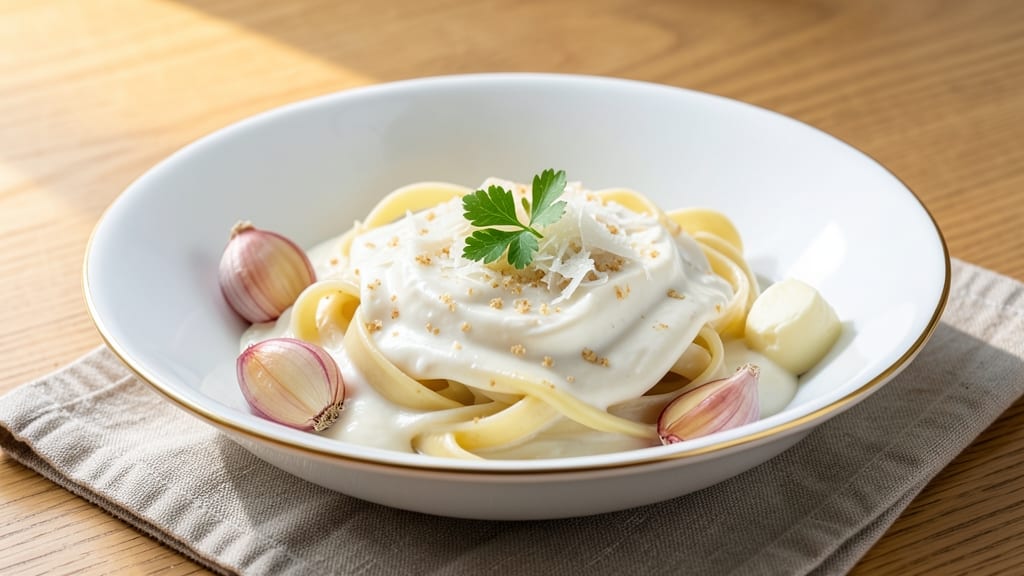
This authentic white sauce pasta transforms weeknight dinners into Italian trattoria experiences with just five simple ingredients. The secret lies in a velvety béchamel base—thickened with flour and butter, then elevated with nutmeg and Parmesan—that clings to al dente fettuccine like a second skin.
I’ve perfected this recipe over years of testing, ensuring the sauce never breaks or turns grainy, even when reheated.
The magic happens in two stages: first, cooking the pasta al dente (firm to the bite) so it doesn’t turn mushy in the sauce, and second, tossing it with the warm béchamel off the heat to preserve its silky texture.
A touch of lemon zest brightens the richness, while fresh parsley adds herbal freshness. For extra depth, crispy pancetta or grilled chicken can be folded in at the end—though purists will swear by the classic cheese-only version.
What you’ll end up with is a plate of golden fettuccine swathed in a glossy, creamy sauce that’s neither too heavy nor too thin—just right. The aroma alone will have everyone gathering at the table, and the first bite delivers that perfect balance of buttery, cheesy, and herby flavors.
This is the kind of dish that feels indulgent but is actually simpler than takeout.
Serve with a crisp arugula salad and warm garlic bread to complete the meal. The sauce reheats beautifully, making it ideal for leftovers, though you’ll likely devour it all in one sitting. Let’s get cooking—your taste buds will thank you.
Ingredients for authentic white sauce pasta
Five simple ingredients transform into velvety white sauce pasta that tastes like trattoria magic.
| Ingredient | Amount | Notes |
|---|---|---|
| Fettuccine Pasta 🍝 | ½ lb | Al dente, medium width |
| Unsalted Butter 🧈 | ½ cup | Cold, cubed for even melting |
| All-Purpose Flour 🌾 | ½ cup | Sifted for smooth sauce |
| Whole Milk 🥛 | 1 ½ cups | Full-fat for creaminess |
| Freshly Grated Parmesan Cheese 🧀 | ¾ cup | Block preferred, not pre-shredded |
| Fresh Garlic Cloves 🧄 | 3 cloves | Minced for aromatic base |
| Ground Nutmeg 🌿 | ¼ tsp | Freshly grated for warmth |
| Lemon Zest 🍋 | 1 tbsp | Brightens the sauce |
| Fresh Parsley Leaves 🌿 | ¼ cup | Chopped for freshness |
| Salt 🧂 | 1 tsp | Kosher or sea salt |
| Black Pepper 🌶️ | ¼ tsp | Freshly cracked |
| Pancetta or Bacon 🥓 | 2 oz | Optional, crispy for depth |
The butter and flour are your foundation—European-style unsalted butter gives the best flavor, and sifted flour prevents lumps. I grab mine at Whole Foods or the bulk section at Trader Joe's for freshness. The Parmesan? Freshly grated from a wedge makes all the difference—pre-shredded has anti-caking agents that ruin the texture. For the garlic, three cloves is perfect, but if you're garlic-obsessed like me, go for four. Just don't burn it—low and slow is key. The milk should be full-fat; whole milk makes the sauce truly creamy, while skim turns it watery.
No Parmesan? Pecorino Romano works in a pinch, but it's stronger, so use half the amount. Short on butter? Olive oil can replace half the butter, but the sauce will taste slightly different. Fresh herbs missing? Dried parsley or basil at one-third the amount gets you close. The pancetta is optional but adds incredible depth—crisp it first so it crumbles nicely into the sauce. For a vegetarian version, skip it entirely and add an extra splash of lemon juice. The nutmeg is non-negotiable though—it's what gives that authentic Italian flavor. If you don't have a grater, a pinch of ground nutmeg works, but freshly grated is better.
This sauce reheats beautifully—just add a splash of milk to loosen it up. Keeps for 3-4 days in the fridge, though you'll likely eat it all in one sitting. For leftovers, store in an airtight container with a layer of plastic wrap pressed against the sauce to prevent a skin from forming. Freezes for 2 months, but the texture might get slightly grainy after thawing. I always make extra and freeze portions for lazy weeknights. The pasta itself? Cook it al dente—it'll finish cooking in the sauce.
Why You'll Love This Recipe
- Pantry Staple Magic: I swear by this recipe because it uses ingredients I already have—no fancy shopping required. Butter, flour, milk, Parmesan—just toss them in a pot, stir, and boom, creamy perfection. (Yes, even when I forget to buy garlic.)
- Velvet Texture Obsession: That silky-smooth sauce clings to fettuccine like it’s been best friends forever. The flour-butter roux builds real depth, and the milk keeps it luscious without turning gluey—trust me, I’ve burned enough sauces to know.
- Weeknight Workhorse: It’s my go-to for busy nights, but also? Fancy dinner guest? Same sauce, just add a sprinkle of nutmeg. Reheats beautifully too—microwave it, toss with a little pasta water, and it’s like you made it fresh.
- Budget-Friendly Luxury: Five dollars buys enough Parmesan and butter to feed four. The milk’s cheap, the flour’s cheap—yet it tastes like I splurged on some overpriced gourmet sauce. My wallet and taste buds agree.
Step-by-step instructions for authentic white sauce pasta
Let's create this velvety, aromatic sauce that clings perfectly to al dente noodles.
Cook the Fettuccine to Al Dente Perfection
Bring a large pot of water to a rolling boil and add the 0.5 lb fettuccine pasta. I always use about 4 quarts of water for this amount of pasta—enough so you can stir easily. Add 1 tablespoon salt (about half the total amount) and cook according to package directions until 1 minute before al dente.
Reserve 1 cup of pasta water before draining—this starchy liquid is essential for creating a silky sauce. I keep a measuring cup nearby so I don't forget this critical step. Drain the pasta but don't rinse it; the surface starch helps the sauce cling beautifully to each strand.
Prepare the Pancetta and Build the Roux
While the pasta cooks, heat a large skillet over medium heat and add the 2 oz pancetta or bacon, cut into small pieces. Cook for 5-6 minutes until golden brown and crispy, stirring occasionally. Remove the pancetta with a slotted spoon and set aside, leaving the rendered fat in the pan.
Reduce heat to medium-low and add the 0.5 cup unsalted butter to the pancetta fat. When the butter melts completely, whisk in the 0.5 cup all-purpose flour all at once. Stir constantly for 1-2 minutes until the mixture forms a smooth, pale roux—this forms the foundation of our sauce.
Infuse the Sauce with Aromatics
Add the 3 cloves minced fresh garlic cloves and 1 tablespoon lemon zest to the roux. Cook for 30 seconds until fragrant—this is where the magic happens. You'll smell that wonderful garlic aroma filling your kitchen, which means it's ready for the next step.
Gradually whisk in the 1.5 cups whole milk, about ½ cup at a time, allowing each addition to absorb completely before adding more. This slow incorporation prevents lumps and creates a smooth, velvety texture. Keep whisking constantly for 3-4 minutes until the sauce thickens enough to coat the back of a spoon.
Finish with Cheese and Seasonings
Remove the skillet from heat and stir in the 0.75 cup freshly grated parmesan cheese, 0.25 teaspoon ground nutmeg, 0.25 teaspoon black pepper, and the remaining ½ tablespoon salt. Add the crispy pancetta back to the sauce and toss to combine. The sauce should be smooth and glossy with a beautiful golden hue.
If the sauce is too thick, whisk in 1-2 tablespoons of reserved pasta water until it reaches your desired consistency. It should coat the back of a spoon but still be fluid enough to cling to the pasta. The nutmeg adds warmth while the lemon zest brightens the rich flavors—this balance is what makes this sauce authentic and special.
Combine and Serve Immediately
Add the drained fettuccine to the sauce and toss gently with tongs, coating each strand evenly. The sauce should cling beautifully to the noodles, creating that classic "white sauce pasta" appearance. If needed, add a splash more pasta water to loosen the sauce.
Transfer to warmed serving plates and garnish with 0.25 cup chopped fresh parsley leaves. Serve immediately while the pasta is still al dente and the sauce is at its peak velvety texture. The combination of crispy pancetta, aromatic garlic, and nutmeg-infused cheese creates a truly authentic white sauce experience that's perfect for any occasion.
Pro Tips For Making Authentic White Sauce Pasta
- Whisk Like You Mean It: The roux is where flavor hides—or gets ruined. Use a wire whisk and keep the heat medium-low while stirring constantly for 2–3 minutes until the butter-flour mix turns a pale golden color (not brown). I learned this the hard way—burning the roux once turned my creamy sauce into a sad, grainy mess.
- Grate Parmesan Fresh: Pre-shredded cheese is a crime in this dish. Freshly grating Parmesan adds depth and melts smoother into the sauce. Use a microplane or fine grater—about ½ cup per serving—and sprinkle it in at the end while stirring vigorously. (Yes, even if you’re impatient like me.)
- Cook Pasta Al Dente: Overcooked fettuccine turns to mush under the weight of the sauce. Test it 1 minute early (it’ll keep cooking in the sauce), and reserve ½ cup pasta water. Toss the drained pasta with a splash of that starchy water—it’s the glue that makes the sauce cling like it’s supposed to.
- Temper the Milk: Dumping cold milk into a hot roux causes lumps. Warm the milk slightly (just until it’s lukewarm to the touch) before slowly whisking it into the butter-flour mix. This keeps the sauce silky, not clumpy. (I was skeptical until I tried it—now I never skip it.)
Troubleshooting this dish
Sauce Too Thick?
If your sauce thickens more than you'd like, don't panic—this is an easy fix. Simply whisk in 1-2 tablespoons of reserved pasta water at a time until you reach a silky, coatable consistency.
I've found that adding the water too quickly can make the sauce thin out too much, so go slow. The goal is a sauce that clings beautifully to the pasta without being gluey.
If you've already added too much water, simmer the sauce gently for 1-2 minutes to thicken it back up naturally. 💫
Lumpy Sauce?
Lumps happen when flour and milk aren't properly incorporated. To prevent this, always whisk the flour into the butter until you have a smooth, pale roux before adding any milk. If lumps form during milk addition, strain the sauce through a fine-mesh sieve for a flawless finish.
I keep a conical sieve (like the one from OXO) handy for this exact purpose. For extra insurance, whisk vigorously while adding milk, about ½ cup at a time. Never rush this step—the patience pays off with a velvety texture.
Sauce Breaks When Reheating?
This common issue happens when the sauce separates due to temperature changes. To fix it, place the sauce in a saucepan over low heat and whisk continuously until it recombines.
For prevention, store the sauce in an airtight container with a layer of plastic wrap pressed directly against the sauce surface. When reheating leftovers, add 1-2 tablespoons of milk or water to help restore the emulsion.
I've learned that reheating too quickly is the main culprit—always go slow and gentle. 🔥
Pasta Too Mushy?
Overcooked pasta ruins the texture of any sauce. To avoid this, cook your fettuccine 1 minute less than package instructions suggest, then finish cooking in the sauce. The residual heat will bring it to perfect al dente.
I always taste-test a piece of pasta before draining—it should have a slight bite. If you've already overcooked it, don't rinse it (that makes it worse).
Instead, toss it with a little olive oil and let it sit for 5 minutes before mixing with sauce to help it firm up slightly. 🍝
Cheese Not Melting Properly?
Freshly grated Parmesan is essential—pre-shredded cheese contains anti-caking agents that prevent proper melting. If your cheese isn't dissolving, remove the sauce from heat and let it sit for 2-3 minutes to cool slightly, then whisk vigorously.
For extra help, add 1 teaspoon of lemon juice to cut through the richness and help emulsify. I've found that using a high-quality block cheese (like Parmigiano-Reggiano) makes all the difference in texture and flavor. 🧀
Sauce Too Rich?
Balance the richness with bright, acidic elements. Add 1 extra tablespoon of lemon zest or a splash of white wine (about 2 tablespoons) to cut through the fat. Fresh herbs like parsley or basil add freshness too.
I also recommend serving with a simple side salad—arugula with lemon vinaigrette is perfect for cleansing the palate. The key is contrast: rich sauce needs something light to make it shine. 💛
Nutrition facts
Frequently asked questions
Can I use heavy cream instead of milk for a richer sauce?
You can substitute 1 cup heavy cream for the milk, but reduce it to 1 cup total to maintain balance. The sauce will be richer and slightly thicker, but add 1 extra tablespoon of reserved pasta water if needed. For best results, combine 1 cup milk + ½ cup heavy cream—this gives a luxurious texture without overwhelming the dish.
What's the best pasta shape for this recipe?
Fettuccine is ideal because its flat surface clings beautifully to the sauce, but pappardelle or tagliatelle work equally well. For smaller shapes like penne or rigatoni, use 1 cup pasta water to loosen the sauce slightly. Avoid thin noodles like angel hair—they can break when tossed. The wider the noodle, the better the sauce adhesion!
Why does my sauce curdle when I add cheese?
This happens when the sauce is too hot or acidic. Remove from heat before adding cheese, and whisk vigorously. If curdling occurs, stir in 1 teaspoon of cold butter to stabilize it. For prevention, add cheese off the heat, and avoid over-whisking after adding milk. The nutmeg should be added last—it's heat-sensitive!
Can I make this ahead of time?
Yes! Cook the pasta al dente, drain, and toss with 1 tablespoon olive oil to prevent sticking. Store separately from the sauce in the fridge for up to 2 days. When ready to serve, reheat the sauce gently with 2 tablespoons milk, then toss with pasta. The sauce reheats beautifully—just avoid boiling it.
What's the secret to the perfect roux?
The roux must be pale golden (not brown) and whisked constantly for 1-2 minutes to develop flavor without burning. Use equal parts butter and flour, and keep heat at medium-low. If it darkens, start over—this affects the sauce's texture and taste. The roux is the flavor foundation, so take your time here!