
Sauces & Condiments
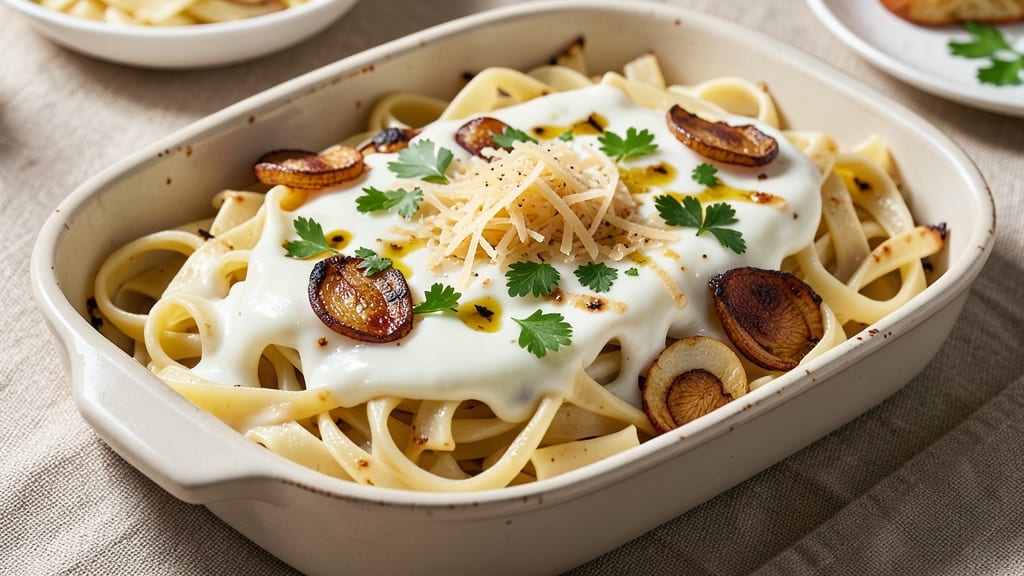
This baked white sauce pasta recipe transforms ordinary pasta into a restaurant-worthy dish with just one baking step. The secret lies in a velvety béchamel base that coats every noodle perfectly without boiling, creating a dish that's creamy, golden, and impossible to resist. I've perfected this method to deliver foolproof results every time, even for beginners who might shy away from homemade pasta sauces.
The magic happens when al dente pasta meets a rich white sauce in a single baking dish. No need for complicated techniques—just layer cooked pasta with your favorite white sauce (Alfredo, cheddar, or even a simple béchamel), top with breadcrumbs, and let the oven work its wonders.
The result? A bubbling, golden crust on top with tender pasta underneath, all coated in that luxurious creamy sauce.
What makes this recipe truly special is how it elevates simple ingredients into something extraordinary. The sauce remains velvety smooth after baking, clinging to each noodle for that signature creamy texture you'd expect from a high-end restaurant.
Plus, it's a one-dish wonder that's perfect for feeding a crowd or meal prepping for the week.
Whether you're serving it as a main course or a comforting side, this baked white sauce pasta delivers on flavor and convenience. The best part? You can customize it with your favorite cheeses, herbs, or proteins to make it truly your own.
Let's get started on creating this creamy, crowd-pleasing masterpiece.
Ingredients for baked white sauce pasta
Pantry staples and a few fresh touches make this creamy pasta magic happen.
| Ingredient | Amount | Notes |
|---|---|---|
| Fettuccine Pasta 🍝 | 12 oz | Al dente, cooked separately |
| Unsalted Butter 🧈 | ½ cup | Cold, cubed for sauce |
| All-Purpose Flour 🌾 | ½ cup | For roux, sifted |
| Whole Milk 🥛 | 1 ½ cups | Full-fat for creaminess |
| Parmesan Cheese 🧀 | 1 cup | Freshly grated, block preferred |
| Heavy Cream 🥛 | ½ cup | Full-fat for richness |
| Garlic Cloves 🧄 | 3 cloves | Minced, fresh preferred |
| Salt 🧂 | 1 ½ tsp | Kosher or sea salt |
| Ground Black Pepper 🌶️ | ½ tsp | Freshly ground preferred |
| Dried Parsley 🌿 | 1 tbsp | Or 1 tbsp fresh chopped |
| Panko Breadcrumbs 🍞 | ½ cup | For golden crust |
| Extra-Virgin Olive Oil 🫒 | 1 tbsp | For drizzling on top |
The Parmesan makes all the difference here—buy a wedge and grate it yourself—pre-grated gets clumpy. For the butter, grab the European-style unsalted kind from the store's dairy case (like Plugrá), not the salted tub. The milk should be whole—2% or skim won't give that same velvety texture. Panko breadcrumbs are a must for that perfect crispy top—Japanese panko from Trader Joe's or Costco works best. Fresh garlic is non-negotiable; the jarred stuff just doesn't cut it.
No heavy cream? Full-fat Greek yogurt works in a pinch, but it'll be slightly tangier. Short on Parmesan? Pecorino Romano is a great swap, but use half the amount since it's stronger. The pasta can be any shape—penne or rigatoni work just as well, but fettuccine gives that classic ribbon look. For extra richness, add a splash of white wine when making the sauce. The breadcrumbs can be seasoned with a pinch of garlic powder or Italian seasoning for extra flavor.
This dish reheats beautifully—just cover with foil and pop it back in the oven for 10 minutes. Keeps for 3-4 days in the fridge, but honestly, it disappears faster than that. Freezes for up to 2 months if you're prepping ahead. I always make a double batch and freeze half—perfect for lazy weeknights. Store leftovers covered to keep that creamy sauce from drying out.
Why You'll Love This Recipe
- No-Fuss Sauce: I swear by the roux trick—just butter, flour, and milk—no blender, no straining. The sauce thickens while the pasta bakes, so you’re not stuck stirring on the stove.
- Creamy Crisp Magic: That toasted flour butter base? It’s the secret weapon. The sauce starts silky smooth but gets a golden, almost nutty edge where the pasta meets the cheese—like a hug in a bowl.
- Weeknight Workhorse: Toss in veggies (spinach, mushrooms, whatever’s lurking in the fridge) or swap the fettuccine for ziti. It’s the dish I make when I’m too tired to plan but still want something that feels special.
- Leftovers That Win: Honestly, the second day is even better. The sauce clings to the pasta like glue, and the Parmesan melts into it, making every bite richer. Pack it for lunches or reheat it straight from the fridge—no sad, dry noodles here.
Step-by-step instructions for baked white sauce pasta
Here's how to create that dreamy, velvety sauce without boiling pasta—just bake it to perfection.
Cook the Fettuccine to Al Dente
Start by cooking the 12 oz fettuccine pasta in a large pot of salted boiling water according to package instructions, but remove it 1 minute before it reaches al dente. You want it firm enough to hold its shape when baked, but still tender enough to finish cooking in the oven. Drain the pasta and set it aside—don't rinse it, as the starch helps the sauce cling.
While the pasta cooks, I like to keep a small bowl of pasta water nearby. This starchy liquid is your secret weapon for adjusting the sauce consistency later. The pasta should be hot when you mix it with the sauce, so work quickly to keep everything warm.
Make the Creamy White Sauce
In a large skillet, melt the 0.5 cup unsalted butter over medium heat. Once melted, whisk in the 0.5 cup all-purpose flour to form a smooth roux. Cook for 2-3 minutes, stirring constantly, until the mixture turns a pale golden color and smells nutty—this is your flavor foundation.
Slowly pour in the 1.5 cups whole milk while whisking vigorously to prevent lumps. Let the mixture simmer for 5-7 minutes until it thickens enough to coat the back of a spoon. Stir in the 1 cup parmesan cheese, 0.5 cup heavy cream, 3 minced garlic cloves, 1.5 tsp salt, and 0.5 tsp ground black pepper. Remove from heat and fold in the 1 tbsp dried parsley. The sauce should be thick, glossy, and ready to coat the pasta perfectly.
Combine Pasta and Sauce
Add the hot cooked pasta to the skillet with the sauce and toss gently until every strand is fully coated. If the sauce seems too thick, add 1-2 tablespoons of reserved pasta water to loosen it—this ensures a silky, creamy texture. The mixture should be moist but not soupy. Transfer the pasta to a 9x13-inch baking dish and spread it evenly in a single layer.
Here's the thing—don't overmix. You want the sauce to cling to the pasta, not create a mushy mess. The goal is even distribution so every bite gets that rich, velvety coating. If you're worried about uneven baking, give it a quick stir with a spatula before proceeding.
Top and Bake to Golden Perfection
Drizzle the 1 tbsp extra-virgin olive oil evenly over the pasta, then sprinkle the 0.5 cup panko breadcrumbs on top. Press them down gently so they stick—this creates a crispy, golden crust that adds texture contrast. Bake uncovered at 375°F for 20-25 minutes, until the top is golden brown and the edges are bubbling.
I know it's tempting to peek, but resist! Opening the oven too soon can cause the breadcrumbs to steam instead of crisp. The pasta is done when the top is golden and the edges pull away slightly from the dish. Let it rest for 5 minutes before serving—this helps the sauce set and makes slicing easier.
Serve Warm and Enjoy
Use a spatula to loosen the edges of the pasta from the baking dish, then slide it onto a serving platter. The sauce should be creamy and cling to every strand of fettuccine, with a crispy, golden crust on top. Serve immediately while still warm, garnished with extra dried parsley if desired.
This dish tastes even better the next day, so don't hesitate to make extra. The flavors meld beautifully overnight, and the texture remains creamy and satisfying. Pair it with a simple green salad or garlic bread for a complete meal that feels fancy but is surprisingly easy to make.
Pro Tips For Making Baked White Sauce Pasta
- Cook Pasta Al Dente: DESCRIPTION: Toss your fettuccine in the sauce immediately after draining—no waiting. I used to let it sit for a minute, and the pasta turned mushy when baked. The starch on fresh pasta is what thickens the sauce, and it works best when still hot.
- Melt Butter Slowly: DESCRIPTION: Heat the butter over medium-low while whisking flour into it—don’t rush the roux. After burning three batches, I finally realized high heat means gritty lumps, not a smooth sauce. A 3-4 minute simmer is all it takes.
- Whisk Like You Mean It: DESCRIPTION: When adding milk, pour it in a steady stream while whisking constantly. I skipped this once, and the sauce split into greasy globs. Keep the whisk moving—this isn’t the time to take a break.
- Grate Parmesan Fresh: DESCRIPTION: Skip the pre-grated cheese—it’s full of anti-caking agents that make the sauce grainy. A quick run over a microplane or box grater gives you fine, flavorful shavings that melt right into the sauce. (Yes, even if you’re impatient like me.)
Regional styles of this dish
Italian Classic
This dish finds its roots in Italian baked pasta traditions, particularly in regions like Tuscany and Lombardy, where creamy sauces and al dente pasta are staples.
The technique of baking pasta with a white sauce—like a béchamel or Alfredo-inspired sauce—dates back to rustic farmhouse meals where simple ingredients were elevated with oven magic. I love how the Parmesan cheese and butter create that authentic Italian richness without needing fancy techniques. 🧀
French-Inspired Béchamel
The white sauce base in this recipe is essentially a baked béchamel, a French culinary staple that translates beautifully into Italian dishes. The classic French method involves a roux made with butter and flour, then slowly whisked with milk to create a velvety sauce.
What makes this version special is how it transforms into a baked pasta casserole—a fusion of French technique and Italian comfort food. The key is getting that pale golden roux right before adding the milk. 🥛
American Comfort Twist
In the U.S., this dish often gets a cheddar or Monterey Jack cheese upgrade for a heartier, melted texture that contrasts with the crispy breadcrumb topping. I’ve seen diners across the Midwest serve this as a weeknight family meal, especially during cold months.
The addition of heavy cream and garlic gives it that extra-rich, cozy vibe that feels like a hug in dish form. It’s become a staple in home kitchens for its ease and crowd-pleasing appeal. 🍽️
Southern U.S. Casserole
Down South, this recipe takes on a hearty casserole form, often with the addition of bacon or ham for extra protein. The baking dish becomes a one-pot wonder, perfect for potlucks or church gatherings.
The panko topping is a nod to Southern comfort food traditions, where crispy, golden layers are key. I’ve seen variations with cornbread crumbs instead of panko for a sweeter, nuttier crust—worth trying if you want a regional twist! 🍞
Modern Fusion Adaptations
Today’s chefs are putting creative spins on this classic, like adding truffle oil or goat cheese for a gourmet touch. Some versions even swap the white sauce for a creamy mushroom or spinach sauce for extra depth.
The beauty of this dish is how adaptable it is—whether you keep it traditional or experiment with global flavors, the baked technique ensures that creamy, comforting texture we all love. 🌍
Nutrition facts
Frequently asked questions
Can I use any pasta shape for this recipe?
While fettuccine works beautifully, you can absolutely use other shapes like penne, rigatoni, or even farfalle. The key is to cook it to al dente and remove it 1 minute early so it finishes cooking in the oven. Smaller shapes like macaroni or shells will absorb more sauce, so you might need to add a splash of milk or pasta water to keep it creamy.
Why does my sauce get watery after baking?
This usually happens when the pasta releases too much moisture or the sauce isn't thick enough before baking. First, make sure your sauce coats the back of a spoon before assembling. If it still gets watery, reduce the baking time by 5 minutes or cover the dish loosely with foil for the last 10 minutes to trap steam. Another trick is to drain your pasta very well and pat it dry with a towel before mixing with the sauce.
Can I make this ahead of time?
Yes! This dish actually tastes better the next day as the flavors meld. Assemble it completely (even the breadcrumb topping) and refrigerate for up to 24 hours before baking. Add 5-10 extra minutes to the baking time if starting cold. For freezing, bake first, then cool completely, wrap tightly, and freeze for up to 2 months. Reheat covered in the oven at 350°F for 20-25 minutes with a splash of milk to revive the creaminess.
What's the secret to the perfect crispy topping?
The magic is in the panko breadcrumbs and proper pressing! Use Japanese-style panko (not fine breadcrumbs) and mix it with 1 tbsp melted butter before sprinkling for extra crispiness. Press the crumbs down firmly with a spatula or the back of a spoon so they make direct contact with the pasta. For maximum crunch, bake at 400°F for the first 5 minutes to set the topping, then reduce to 375°F to finish.
Can I make this dish vegetarian?
This recipe is already vegetarian-friendly, but you can boost the flavor with plant-based upgrades. Swap the butter for vegan butter or olive oil, use nutritional yeast instead of Parmesan, and add vegan heavy cream or cashew cream for richness. For extra protein, stir in white beans or lentils with the sauce. The dish will still be creamy and delicious while being completely plant-based!