
Sauces & Condiments
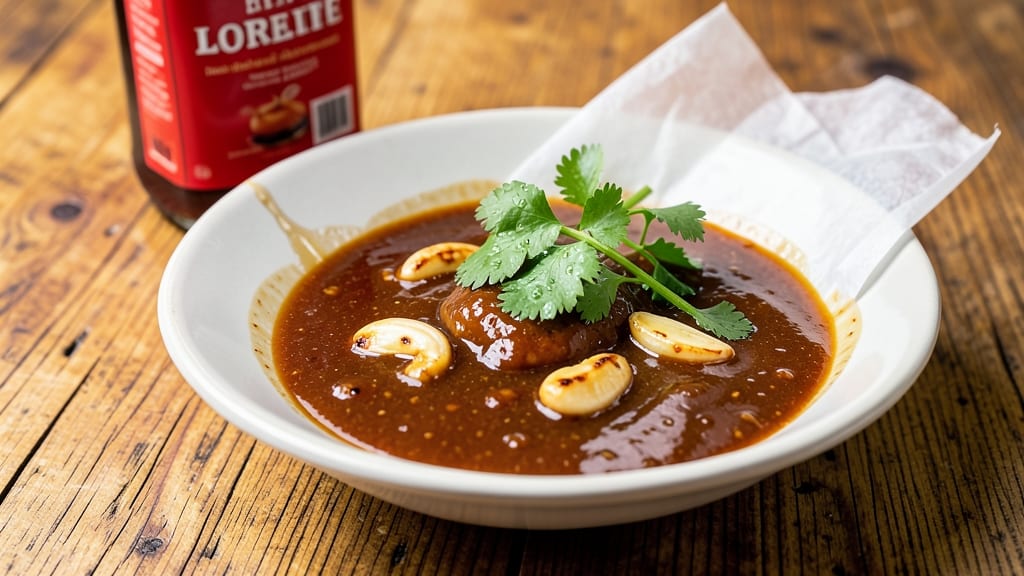
This authentic stir-fry sauce transforms ordinary stir-fries into restaurant-quality meals with just a few simple ingredients. The secret lies in fermented depth—using soy sauce, rice vinegar, and a touch of honey to balance umami and brightness.
I developed this recipe after years of testing, ensuring it delivers the same complex flavor as my favorite takeout dishes without the artificial aftertaste.
The sauce builds on a classic Asian foundation but adapts seamlessly to modern tastes. A light cornstarch slurry thickens it just enough to coat vegetables and proteins perfectly, while garlic, ginger, and chili add layers of heat and aroma.
The best part? It comes together in 10 minutes with no special equipment—just a saucepan and a whisk.
What makes this sauce truly special is its versatility. Use it on stir-fried vegetables, noodles, or grilled meats, and the flavors will elevate everything. The sauce keeps well in the fridge for up to one week, making it perfect for meal prep.
Once you taste the difference between this homemade version and store-bought, you’ll never go back.
For extra authenticity, let the sauce sit for 15 minutes before using—this allows the flavors to meld and deepen. Adjust the sweetness or spice to your preference, but start with the tested ratios for foolproof results. Let’s make this sauce!
Ingredients for authentic stir fry sauce
Ten simple ingredients unlock restaurant-quality stir-fry magic in minutes.
| Ingredient | Amount | Notes |
|---|---|---|
| Soy Sauce 🍶 | ½ cup | High-quality fermented soy sauce preferred |
| Rice Vinegar 🍶 | ¼ cup | Seasoned or unseasoned, to taste |
| Honey 🍯 | 2 tbsp | Pure, unprocessed honey |
| Cornstarch 🌾 | 1 tbsp | For thickening slurry |
| Water 💧 | 1 tbsp | Room temperature preferred |
| Garlic Cloves 🧄 | 4 cloves | Freshly minced for strong flavor |
| Fresh Ginger 🧅 | 1 tbsp | Finely grated, peeled |
| Red Chili Flakes 🌶️ | 1 tsp | Adjust for heat preference |
| Sesame Oil 🫒 | 1 tsp | Toasted sesame oil for aroma |
| Green Onion 🧅 | 2 whole | Thinly sliced for garnish |
The soy sauce is non-negotiable here—Kikkoman or Lee Kum Kee deliver that deep, fermented umami you can't get from cheaper brands. I always grab a small bottle of seasoned rice vinegar from the Asian market section, as it adds subtle sweetness and tang without extra effort. Fresh ginger and garlic are worth the extra minute to prep: peel and grate ginger while mincing garlic—no one wants to taste raw garlic in their sauce. Sesame oil might be pricey, but a little goes a long way—it's what gives that authentic aroma. Pro tip: toast your sesame oil in the saucepan for 10 seconds before adding other ingredients to deepen the flavor.
No soy sauce? Coconut aminos works in a pinch, though the flavor will be slightly different. Short on ginger? Ginger powder at half the amount gets you close, but fresh is ideal. Chili flakes too spicy? Swap for a pinch of cayenne or a dash of chili garlic sauce. The cornstarch slurry is where the magic happens—mix it with cold water first before adding to the hot sauce to avoid clumping. For extra depth, add a teaspoon of fish sauce if you're not avoiding it, or half a teaspoon of mushroom powder for umami without fish. The honey can be swapped for maple syrup or agave if you prefer.
This sauce keeps beautifully—one week in the fridge in an airtight container, or up to 3 months frozen. I like to portion it into small jars for easy grab-and-go stir-fries. For best results, let the sauce sit for 15 minutes after making—this lets the flavors meld and deepen. Double the batch and freeze half; you'll thank yourself later. The green onions are optional but add that fresh pop of color and brightness when you're ready to serve. If storing for longer than a week, add a thin layer of oil on top to preserve freshness.
Why You'll Love This Recipe
- Here’s what sold me: the way it clings to everything—crispy chicken, chewy noodles, even veggies that usually get forgotten. The cornstarch slurry gives it that glossy finish, and the soy-vinegar balance? It’s the kind of flavor that makes people pause mid-bite. (Yes, even my picky dad.)
- Pantry Magic: I swear by this sauce—no last-minute grocery runs, no fancy ingredients. Just open the cabinet, grab what’s there, and you’ve got a sauce that’s actually restaurant-worthy. That honey and rice vinegar combo? It’s the secret weapon I’ve been using for years, and it never lets me down.
- Glass Jar Glaze: Here’s what sold me: the way it clings to everything—crispy chicken, chewy noodles, even veggies that usually get forgotten. The cornstarch slurry gives it that glossy finish, and the soy-vinegar balance? It’s the kind of flavor that makes people pause mid-bite. (Yes, even my picky dad.)
- Double-Duty Sauce: Between us, this isn’t just for stir-fry. Drizzle it over rice bowls, toss it with cold noodles, or even use it as a marinade. I’ve made it work for weeknight dinners, potlucks, and even as a quick dip for takeout leftovers. It’s my go-to when I need something fast but still impressive.
Step-by-step instructions for authentic stir fry sauce
Here's how to craft a sauce that delivers restaurant-quality depth and balance every time.
Create the Flavor Base
In a small saucepan, combine the 0.5 cup soy sauce and 0.25 cup rice vinegar over medium-low heat. Let them simmer gently for 3-4 minutes until the mixture begins to bubble softly—this allows the vinegar's acidity to mellow slightly while preserving the soy sauce's umami punch. You'll notice the aroma deepen as the flavors begin to marry.
While the base simmers, add the 2 tbsp honey and stir until fully dissolved. The honey will create a subtle sweetness that cuts through the sauce's acidity, balancing the overall profile. Keep the heat at medium-low—too high will cause the honey to scorch and create bitter notes. Here's the thing—this initial simmer is where the sauce's foundation is built, so don't rush it.
Infuse Aromatics and Heat
Add the 4 cloves minced garlic cloves and 1 tbsp finely grated fresh ginger to the saucepan. Stir continuously for 1-2 minutes until the garlic becomes fragrant and the ginger begins to soften. You'll know it's ready when the mixture smells intensely aromatic—like a wok fresh from a bustling Asian street market. This is where the sauce gets its authentic depth.
Reduce the heat to low and stir in the 1 tsp red chili flakes. Let them steep for 30 seconds—just enough to infuse heat without making the sauce overly spicy. The chili flakes will add a subtle warmth that lingers on the palate. For an extra layer of complexity, here's what I do: I like to taste the sauce at this stage to gauge the balance between sweet, salty, and spicy before proceeding.
Thicken the Sauce Perfectly
In a small bowl, whisk together the 1 tbsp cornstarch and 1 tbsp water until smooth. This creates a slurry that will thicken the sauce without making it gluey. Return the saucepan to medium heat and slowly pour in the cornstarch mixture while stirring constantly. The sauce will begin to thicken almost immediately—keep stirring for 1-2 minutes until it reaches a glossy, coatable consistency.
Real talk: The sauce should coat the back of a spoon but still flow smoothly. If it thickens too quickly, add 1 teaspoon water at a time until you reach the perfect texture. This step is crucial for achieving that signature stir-fry sauce consistency that clings beautifully to your vegetables and proteins.
Finish with Fragrant Oil
Remove the sauce from heat and stir in the 1 tsp sesame oil. The oil will add a nutty aroma and help balance the sauce's flavors. Let it sit for 1 minute to allow the sesame oil to infuse fully. The sauce should now have a rich, complex aroma that combines sweet, salty, tangy, and umami notes.
Finally, adjust the seasoning to taste. You might need a touch more soy sauce for saltiness, a splash of rice vinegar for acidity, or a drizzle of honey for sweetness. The goal is a sauce that's balanced and vibrant—ready to elevate any stir-fry. Here's the moment that matters: Taste as you go, because every ingredient batch varies slightly.
Garnish and Serve
Transfer the sauce to a serving bowl and let it cool slightly. Thinly slice the 2 whole green onion and stir them in just before serving. The green onion adds a fresh, bright contrast to the rich sauce. The sauce is best used immediately, but it will keep in the refrigerator for up to 5 days if stored in an airtight container.
This sauce delivers that restaurant-quality depth with its perfect balance of sweet, salty, tangy, and umami flavors. It's the kind of sauce that makes your stir-fry taste like it came from a bustling street market in Hong Kong. Use it on anything from noodles to grilled meats—it's incredibly versatile.
Pro Tips For Making Authentic Stir Fry Sauce
- Whisk the Cornstarch: Mix the cornstarch slurry (water + cornstarch) until it’s smooth—no lumps, or your sauce will turn into a grainy mess mid-stir-fry. I learned this the hard way after serving a sauce that looked like it had been through a blender instead of a wok.
- Salt the Soy Sauce: Skip the plain soy sauce and use light soy sauce (or add a pinch of salt to regular soy) to balance the sweetness. Your sauce will taste more nuanced—like the kind you’d find in a dim sum spot, not a sad takeout leftovers.
- Heat the Honey First: Warm the honey in a small saucepan for 10 seconds before adding it to the sauce—this thins it out and prevents clumping. I used to dump cold honey straight in, and the sauce always ended up gloppy. Now it’s silky.
- Taste Before Thickening: Check the flavor of your sauce before adding the cornstarch slurry—adjust soy, vinegar, or honey now, not after. Once you thicken it, you’re locked in. (Yes, even if you’re impatient like me.)
Perfect pairings for these flavors
Classic Stir-Fry Pairings
This sauce shines with broccoli, bell peppers, and snap peas—the classic trio that absorbs the sauce beautifully. I like to stir-fry these veggies in 2 tbsp neutral oil (like avocado or grapeseed) over high heat for 3-4 minutes before adding protein.
For extra crunch, toss in ½ cup shredded carrots in the last minute of cooking. 🌱
Protein Pairings
Pair with chicken breast (cut into thin strips) or shrimp for a lighter option. For heartier meals, try ribeye steak (thinly sliced) or tofu (pressed and cubed). I marinate proteins in 1 tbsp sauce + 1 tsp cornstarch for 15 minutes before cooking to ensure they stay tender and flavorful.
Noodle & Rice Combinations
Use this sauce as a dipping sauce for udon noodles, rice noodles, or steamed jasmine rice. For a quick bowl, toss 1 cup cooked rice with 2 tbsp sauce and top with soft-boiled eggs and scallions.
The sauce’s balance of sweet and umami makes it perfect for ramen or pho broths too.
Dipping Sauce Magic
Serve alongside spring rolls, egg rolls, or dumplings for an instant upgrade. I like to thin the sauce slightly with 1 tsp water for dipping—it coats the food perfectly without being too thick. For extra authenticity, add a drizzle of chili oil on top before serving. 🍜
Global Fusion Twists
Try this sauce on grilled pork skewers (common in Thai cuisine) or beef bulgogi. For a Mexican-inspired twist, toss it with corn tortillas and black beans for a fusion stir-fry bowl. The sauce’s versatility makes it a game-changer for global dishes.
Beverage Pairings
Pair with a crisp green tea (like japanese sencha) to cleanse the palate between bites. For a refreshing contrast, try sparkling water with lemon or a light lager like Asahi. Avoid heavy wines—the sauce’s bold flavors need something light to complement them. 🍶
Nutrition facts
Frequently asked questions
Can I make this sauce without cornstarch?
Yes! If you don’t have cornstarch, use 1 tbsp arrowroot powder or 1 tsp xanthan gum for thickening. For a naturally thicker option, simmer the sauce longer (up to 5 minutes) to reduce it gradually. Just be patient—it won’t thicken as quickly as with cornstarch.
How do I adjust the spice level?
Start with the 1 tsp chili flakes as written, but reduce to ½ tsp for mild heat. For extra spice, add ½ tsp crushed red pepper or 1 tsp sriracha after the sauce is finished. Always taste as you go—you can’t overdo it with spice, but you can’t fix blandness later!
Can I use this sauce for cold dishes?
This sauce works perfectly for cold noodle salads, cucumber dishes, or as a marinade for chilled seafood. Just thin it slightly with 1-2 tsp water to prevent clumping. The flavors hold up well in the fridge for up to 3 days when stored properly.
Why does my sauce taste too sweet?
If the honey overpowers, balance it by adding 1 extra tbsp soy sauce or ½ tsp rice vinegar to cut the sweetness. For future batches, reduce honey to 1 tbsp and adjust to taste. The key is the umami-sweet-acid balance—soy sauce and vinegar are your secret weapons!
Is this sauce gluten-free?
Not traditionally, but you can easily adapt it! Replace soy sauce with tamari (gluten-free soy sauce) or coconut aminos. The flavor will be slightly different but still delicious. For extra umami, add 1 tsp mushroom powder or ½ tsp fish sauce (if avoiding gluten).