
Sauces & Condiments
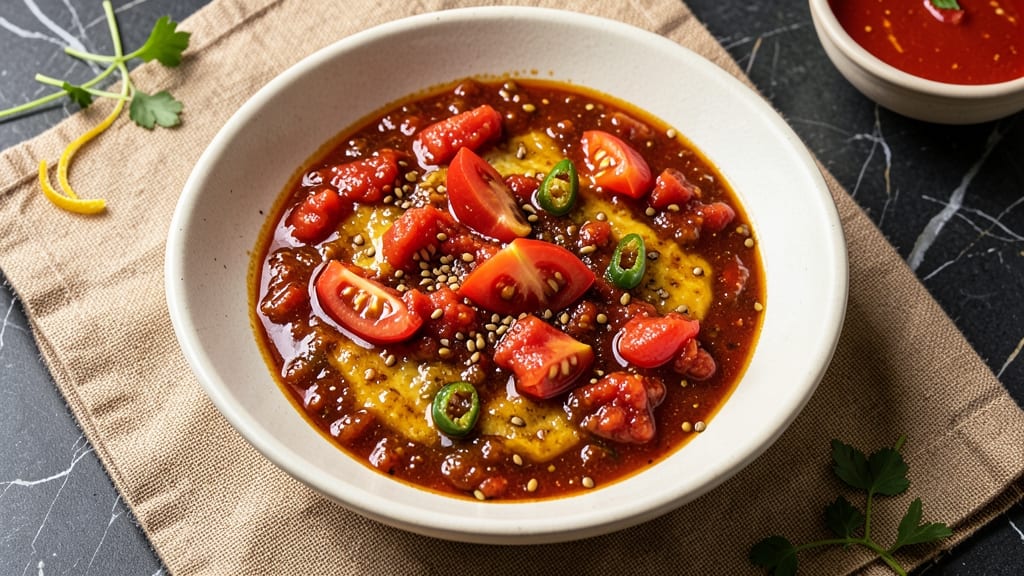
This authentic Madras sauce delivers the bold, tangy-spicy kick that defines South Indian cuisine—no shortcuts, just the real deal in 20 minutes. The secret lies in tamarind’s bright acidity balanced with roasted spices and a touch of asafoetida, creating a sauce that’s as complex as it is addictive.
I’ve perfected this version after years of testing, ensuring every batch captures that restaurant-quality depth without the bitterness of store-bought imitations.
What sets this sauce apart is the two-stage cooking method: first, whole spices toast until fragrant, then simmer with tamarind and tomatoes until the flavors meld into a smooth, velvety consistency.
The result is a sauce that’s tangy, spicy, and slightly sweet—perfect for dipping idlis, dosas, or pairing with grilled meats. Unlike diluted versions, this one delivers authentic heat with every spoonful, thanks to carefully controlled chili and tamarind ratios.
By the time you’re done, you’ll have a vibrant red sauce with layers of flavor that build with each bite—fresh tamarind tang, smoky roasted spices, and a subtle umami from asafoetida.
It’s the kind of sauce that transforms simple meals into something special, whether you’re serving it at a family gathering or keeping it on hand for quick weeknight dinners. The best part?
It keeps well in the fridge for up to a week, so you can make a big batch and enjoy it all week long.
For those new to South Indian flavors, this sauce is your gateway—bold but balanced, with enough heat to satisfy but never overwhelming. The technique is straightforward, but the result is anything but basic. Let’s get started on making this authentic, restaurant-worthy sauce at home.
Ingredients for authentic madras sauce
Nine essential ingredients transform into this vibrant, restaurant-quality Madras sauce.
| Ingredient | Amount | Notes |
|---|---|---|
| Fresh Tamarind Pulp 🍈 | ½ cup | Or tamarind paste (1 oz) |
| Ripe Tomatoes 🍅 | 2 medium | Vine-ripened for sweetness |
| Green Chilies 🌶️ | 3 whole | Bird's eye or serrano for heat |
| Asafoetida Powder 🌿 | ¼ tsp | Hing for umami depth |
| Cumin Seeds 🌿 | 1 tbsp | Toasted until fragrant |
| Mustard Seeds 🌿 | 1 tsp | Whole seeds for texture |
| Dried Fenugreek Leaves 🌿 | ½ tsp | Kasuri methi for aroma |
| Ginger 🧄 | 1 inch | Fresh, peeled, grated |
| Garlic Cloves 🧄 | 4 cloves | Peeled, minced |
| Extra-Virgin Olive Oil 🫒 | ¼ cup | For cooking spices |
| Salt 🧂 | 1 tsp | Adjust to taste |
| Sugar 🍬 | ½ tsp | Balances acidity |
The tamarind is non-negotiable—look for fresh pulp at Indian grocery stores or use high-quality paste. Trader Joe's carries tamarind paste in a pinch, but nothing beats the real thing. For the chilies, bird's eye or serrano gives that authentic kick without overwhelming bitterness. Adjust the amount based on your heat tolerance. The asafoetida (hing) is a game-changer—it adds that unmistakable umami depth. Penzeys sells it in tiny quantities if you can't find it locally. Toast your cumin and mustard seeds until they sizzle—this releases their full aroma and flavor potential.
No fresh tamarind? Lemon juice plus 1 tsp sugar mimics the tang, though it won't be identical. Short on green chilies? Red chili powder at half the heat level works, but you'll lose some freshness. The fenugreek leaves (kasuri methi) can be tricky to find—substitute dried oregano at one-third the amount if needed. For the tomatoes, vine-ripened or Roma work best—they're less watery and sweeter. The olive oil should be high-quality; avoid light or refined oils that lack flavor. And that sugar? It's essential—it balances the tamarind's acidity beautifully.
This sauce keeps for up to 1 week in the fridge, with flavors deepening over time. For longer storage, freeze in ice cube trays—perfect for adding to dishes later. The sauce thickens as it cools, so stir in 1-2 tbsp water if it becomes too stiff. I always make a double batch—one for immediate use and one to freeze. The first batch? Use within 3 days for peak freshness, as the fenugreek leaves lose potency over time.
Why You'll Love This Recipe
- Five-Ingredient Magic: That’s all it takes—tamarind’s tang, tomatoes’ sweetness, and a pinch of asafoetida to transform a simple pan into something special. No fancy techniques here, just a quick temper and simmer while you prep the rest of your meal.
- Tangy Heat Balance: The tamarind’s sour punch and green chilies cut through the richness, but the roasted cumin seeds ground into the oil? That’s the secret—earthy warmth that makes every bite satisfying. (Yes, even on a Tuesday night.)
- Sauce for Everything: Slather it on dosas, drizzle over rice, or toss with veggies—this sauce adapts like a chameleon. Honestly, I’ve used it in place of ketchup, and no one’s complained yet.
- Budget-Friendly Staple: Tamarind pulp and tomatoes last weeks in my fridge, and cumin seeds stretch across multiple batches. Between us, this is the kind of sauce that makes grocery day less stressful.
Step-by-step instructions for authentic Madras sauce
Here's how to craft this vibrant, tangy-sweet Madras sauce with layers of authentic South Indian flavor.
Prepare the Tamarind Base
In a small bowl, dissolve the 0.5 cup fresh tamarind pulp in ½ cup hot water until smooth. Strain through a fine-mesh sieve to remove any fibrous bits—this ensures a silky texture. Set aside. The tamarind should now look like a thick, golden syrup with a bright citrusy aroma.
In a separate bowl, blend the 2 medium ripe tomatoes until completely smooth. Strain again to remove seeds and skin, then mix this tomato puree with the tamarind mixture. This combination forms the sauce's signature tangy backbone. Let it sit while you prepare the spices.
Toast the Whole Spices
Heat the 0.25 cup extra-virgin olive oil in a heavy-bottomed pan over medium heat. Add the 1 tbsp cumin seeds and 1 tsp mustard seeds, stirring constantly until they begin to sizzle and release their aroma—about 30 seconds. The cumin should turn a rich golden brown while the mustard seeds pop like tiny firecrackers.
Immediately add the 3 whole green chilies (halved lengthwise) and 1 inch grated ginger. Sauté for 1-2 minutes until the chilies soften slightly and the ginger releases its pungent aroma. This step builds the sauce's signature heat and aromatic complexity. Remove from heat and set aside with the spices.
Build the Sauce Foundation
Return the pan to medium heat and add the toasted spices along with the 4 minced garlic cloves. Cook for 1 minute until the garlic turns golden and fragrant—this prevents raw garlic flavor. Add the 0.25 tsp asafoetida powder and stir for 10 seconds until the aroma intensifies.
Pour in the combined tamarind-tomato mixture and bring to a gentle simmer. Cook uncovered for 8-10 minutes, stirring occasionally, until the sauce reduces by about one-third and thickens slightly. You'll notice the oil begin to separate slightly on top—that's perfect for authentic Madras sauce.
Finish with Fenugreek and Seasoning
Reduce heat to low and sprinkle in the 0.5 tsp dried fenugreek leaves, stirring constantly for 30 seconds until they bloom and release their earthy aroma. Add the 1 tsp salt and 0.5 tsp sugar, then taste and adjust the balance—you want a perfect harmony of tangy, sweet, and spicy.
Simmer for another 5 minutes until the sauce reaches your desired consistency. It should coat the back of a spoon but still flow smoothly. For a smoother texture, blend briefly with an immersion blender. The final sauce should be vibrant red-orange with a glossy sheen, ready to elevate any dish.
Pro Tips For Making Authentic Madras Sauce
- Bloom the Spices Slow: Madras sauce needs warmth to wake up the cumin and green chilies—don’t rush it. Toast the cumin seeds in a dry pan until they just start to pop (about 30 seconds), then add the chilies and asafoetida. The moment asafoetida hits the pan, you’ll smell that unmistakable, almost sulfuric aroma—this is your cue to toss in the tomatoes. Skip this, and your sauce will taste flat, like someone forgot the soul.
- Strain the Tamarind: Fresh tamarind pulp is a game-changer, but if you’re using the whole pod, strain out the fibrous bits—trust me, you don’t want them in your sauce. Rub the pulp between your palms under running water to loosen the seeds, then squeeze it through a fine-mesh sieve. The juice should be thick and tangy, not watery. (Yes, even if you’re impatient like me.)
- Simmer, Don’t Boil: Madras sauce is all about balance—acid, spice, and sweetness. Let the tomatoes cook slowly on medium-low heat until they break down into a thick, glossy consistency. If you boil it aggressively, the tamarind’s acidity will turn harsh, and the chilies will lose their bright kick. Stir occasionally, and resist the urge to crank the heat—this isn’t a race.
- Roast the Tomatoes First: Charred tomatoes add depth you can’t get any other way. Toss halved tomatoes in a hot, oiled pan until they blacken in spots (about 5 minutes), then chop them before adding to the sauce. The smoky flavor cuts through the tamarind’s sharpness and makes the whole dish taste like it’s been simmering for hours. (Pro move: Do this while you’re blooming the spices—multitasking wins.)
Regional styles of these flavors
Tamil Nadu Tradition
The Madras sauce we're making today traces its roots directly to Tamil Nadu, where it originated as a spicy tamarind dip for steamed rice dishes like idlis and dosas.
In traditional homes, this sauce was made fresh daily using sun-dried tamarind blocks and whole spices toasted in coconut oil—a method that preserved the sauce's vibrant color and complex flavors.
The name "Madras" comes from the city of Chennai (formerly Madras), which became the hub for this sauce's popularity during the British colonial era. 🌶️
What makes Tamil Nadu's version unique is the absence of onions or garlic in some regional variations, relying instead on asafoetida (hing) for umami depth. The sauce was traditionally served at breakfast and lunch alongside steamed rice, sambar, and coconut chutney.
Today, it remains a staple in South Indian restaurants worldwide, though many commercial versions compromise on authenticity by using artificial colors or excessive sugar.
Kerala's Coastal Twist
In Kerala, where coconut dominates the cuisine, you'll find a slightly sweeter variation of Madras sauce that incorporates grated coconut into the blend. The coastal state's version often includes dried red chilies instead of green for a deeper, smokier heat profile.
Kerala's sauce is also more likely to be served chilled as a refreshing accompaniment to appam (fermented hoppers) and meen moilee (fish curry). The addition of coconut gives it a creamy texture that balances the tangy tamarind beautifully.
Kerala's approach also emphasizes fresh herbs like coriander and mint, which aren't traditional in Tamil Nadu's version. This regional adaptation reflects the state's Malabar coast influences, where Arab and Portuguese traders introduced new ingredients over centuries.
For a Kerala-inspired twist, try adding 1 tbsp grated coconut to the finished sauce and garnishing with fresh cilantro. ✨
Andhra's Spicier Profile
Moving east to Andhra Pradesh, you'll encounter a hotter, oilier version of Madras sauce that's practically a spice-forward condiment. Andhra's sauce often includes dried red chilies and black gram dal for a nutty, earthy depth.
The region's love affair with heat means this version can be twice as spicy as Tamil Nadu's classic, with longer simmering times to develop a deep, smoky character. It's commonly served with pulusu (spicy rice) and vada (lentil fritters).
What sets Andhra's sauce apart is the use of mustard oil instead of olive oil—a traditional choice that adds a pungent, slightly bitter note.
If you want to experiment, replace the olive oil with 1 tbsp mustard oil (heat it separately to remove the raw taste) for an authentic Andhra twist. This version is so beloved in the region that it's often called "Andhra-style pachadi"—a term that highlights its tangy-spicy profile. 🔥
Modern Adaptations
Today's globalized kitchens have given rise to fusion Madras sauces that blend traditional techniques with modern ingredients. One popular adaptation replaces tamarind with lime juice plus a pinch of sugar, making it more accessible for those who can't find fresh tamarind.
Another trend involves adding smoked paprika or a dash of vinegar to enhance the sauce's depth without altering its core flavors.
For a vegan-friendly version, simply omit the asafoetida (though it's already vegan) and ensure all other ingredients are plant-based. Some chefs also experiment with roasting the spices in ghee for extra richness, though this moves the sauce closer to a curry base than a traditional condiment.
The key to any adaptation? Maintaining the tamarind-to-tomato ratio—this balance is what defines Madras sauce's signature tangy-spicy profile. 💫
Nutrition facts
Frequently asked questions
Can I substitute tamarind paste for fresh tamarind pulp?
Yes, you can! Use 1 oz (about 2 tablespoons) of tamarind paste instead of 0.5 cup fresh pulp. For best results, dissolve it in ½ cup hot water first to mimic the fresh tamarind's texture. If using paste, you might need to add ½ tsp extra sugar to balance the acidity, as store-bought pastes can vary in tartness.
How do I adjust the heat level in this sauce?
The recipe uses 3 green chilies for moderate heat. For milder sauce, reduce to 1-2 chilies or remove seeds before blending. For extra heat, add 1 dried red chili or increase green chilies to 4-5. Always taste as you go—authentic Madras sauce should have a bright, spicy kick, not overwhelming burn.
What's the best way to store leftover Madras sauce?
Transfer the sauce to an airtight container and refrigerate for up to 1 week. The flavors actually improve over time! For longer storage, freeze in ice cube trays—thaw quickly in the microwave or fridge. If the sauce thickens when cold, stir in 1-2 tbsp water to restore smooth consistency. The fenugreek leaves lose potency after 3 days, so use the first batch within that time for peak aroma.
Can I make this sauce without asafoetida (hing)?
Asafoetida adds that unmistakable umami depth, but you can substitute with ¼ tsp garlic powder or ½ tsp soy sauce for a similar savory note. For a more authentic flavor, try 1 tsp grated onion (though this moves it away from traditional Tamil Nadu versions). The sauce will still taste great—just slightly less complex. If avoiding alliums, increase the salt slightly (½ tsp extra) to compensate for lost depth.
What's the difference between Madras sauce and coconut chutney?
Madras sauce is tangy, spicy, and tomato-based with tamarind as the star ingredient, while coconut chutney is creamy, sweet, and nutty from fresh grated coconut. Madras sauce uses toasted whole spices and asafoetida for depth, while chutney often includes peanuts or sesame seeds. Both are served with South Indian meals, but Madras sauce pairs best with steamed rice, dosas, or grilled meats, while chutney complements idlis, vadas, or sweet dishes. Think of Madras sauce as the spicy cousin to chutney's cooling sweetness!