
Sauces & Condiments
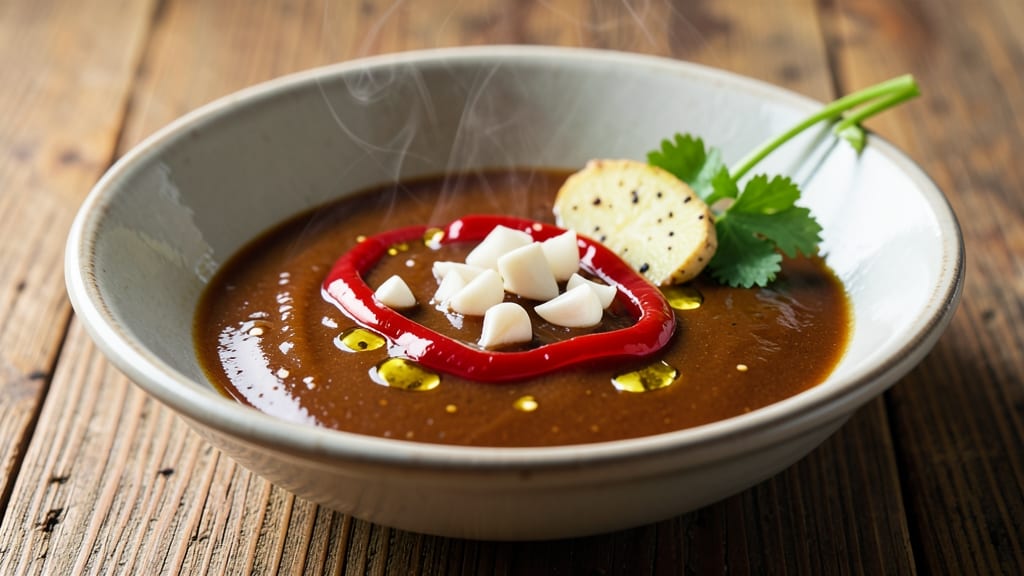
This stir fry sauce recipe with hoisin delivers that signature glossy sheen and deep umami flavor that elevates every wok meal from ordinary to extraordinary. The secret lies in balancing traditional fermented soybean paste with aromatic garlic, ginger, and a touch of vinegar for brightness—creating a sauce that's both complex and versatile. I developed this version after years of testing, ensuring it's smooth enough to drizzle but robust enough to stand up to bold stir-fry flavors.
The beauty of this hoisin sauce is its adaptability—it works as a marinade for tofu or chicken, a dipping sauce for spring rolls, or the star of your stir-fry.
What sets this recipe apart is the slow simmering process, which allows the flavors to meld into a cohesive, velvety sauce without separating. The result is a glossy, slightly sticky drizzle that clings perfectly to noodles, vegetables, and proteins, amplifying their natural flavors.
What you'll end up with is a sauce that's rich in umami yet balanced with sweetness and acidity, creating harmony in every bite. The aroma alone will have your kitchen smelling like a bustling Asian street market, while the taste delivers that satisfying depth you crave in restaurant-quality dishes.
This recipe makes enough for multiple uses, so you can enjoy it all week without repetition.
Store any leftovers in an airtight container in the refrigerator for up to two weeks, or freeze for longer storage. The sauce actually improves with time as the flavors continue to develop.
Whether you're cooking for a crowd or meal prepping for the week, this hoisin sauce will become your new kitchen essential.
Ingredients for stir fry sauce recipe hoisin
Nine simple ingredients transform into the glossy, umami-packed sauce you crave for wok meals.
| Ingredient | Amount | Notes |
|---|---|---|
| Hoisin Sauce 🍶 | ½ cup | Store-bought or homemade fermented soybean paste |
| Soy Sauce 🥢 | ⅓ cup | Light or dark, to taste |
| Rice Vinegar 🍶 | ¼ cup | White or seasoned |
| Sesame Oil 🫒 | 1 tbsp | Toasted for aroma |
| Garlic Cloves 🧄 | 5 cloves | Minced, fresh preferred |
| Fresh Ginger 🌿 | 1 ½ tbsp | Grated, peeled |
| Brown Sugar 🍯 | ¼ cup | Packed, light or dark |
| Cornstarch 🌾 | 1 tbsp | For thickening |
| Water 💧 | 2 tbsp | Room temperature |
| Sesame Seeds 🌰 | 1 tbsp | Toasted, for garnish |
Hoisin sauce is the heart of this recipe—look for authentic brands like Lee Kum Kee or Three Crabs in the Asian aisle. If you can't find it, substitute with a mix of soy sauce and a dash of sugar, but you'll miss that deep fermented flavor. Fresh ginger and garlic are non-negotiable for that authentic aroma; Trader Joe's or Whole Foods usually have bright, fresh roots. The brown sugar adds just enough sweetness to balance the umami, so don't skip it—light brown sugar dissolves more smoothly if you're in a hurry.
No hoisin? Mix 2 tbsp soy sauce with 1 tsp molasses for a quick substitute, though it won't be as complex. Running low on sesame oil? Toast the seeds separately and sprinkle on top—it still adds that nutty depth. The cornstarch slurry is key for that glossy finish; make sure it's smooth before adding to the sauce. If you're making this ahead, the sauce actually tastes better after sitting overnight as the flavors meld—trust me on this. For extra richness, add a splash of oyster sauce if you're not avoiding seafood.
This sauce keeps beautifully—up to 2 weeks in the fridge in an airtight jar, and even longer if you freeze it. The flavors deepen over time, so it's perfect for meal prep. If it thickens too much, just add a splash of water or vinegar to loosen it. For serving, drizzle over steaming noodles or toss with fresh stir-fry veggies. Double the batch—you'll want leftovers for next week's takeout night.
Why You'll Love This Recipe
- Five-Ingredient Magic: I swear by this combo—just stir, taste, adjust. No measuring cups, no stress. That’s it. The hoisin and soy sauce do all the heavy lifting while the garlic and sesame oil add that je ne sais quoi punch.
- Umami Bomb: Between us, the hoisin and soy sauce team up to create this deep, savory richness that sticks to everything. Add a splash of rice vinegar, and suddenly your stir-fry has that perfect balance—sweet, salty, tangy—without overpowering.
- Weeknight Superstar: This sauce turns a bag of frozen veggies into dinner faster than you can say "takeout." Slather it on noodles, toss with tofu, or drizzle over grilled chicken—it’s the MVP for lazy nights when you still want flavor.
- Budget Meal Maker: Honestly, this sauce costs pennies but feels like a splurge. A little goes a long way, and leftovers? They taste just as good the next day. I’ve fed four people for under $5 with this—no lie.
Step-by-step instructions for stir fry sauce with hoisin
This glossy, umami-rich sauce comes together in minutes with simple pantry staples.
Bloom the Aromatics in Sesame Oil
Heat a small saucepan over medium-low heat and add the 1 tablespoon sesame oil. Let it warm for 30 seconds until fragrant—you'll smell that nutty, toasty aroma develop. This is where the flavor foundation begins.
Add the 5 cloves minced garlic and 1.5 tablespoons grated fresh ginger. Cook for 1-2 minutes until the garlic turns light golden and the ginger loses its raw bite. Watch carefully—garlic burns quickly, so keep the heat gentle. Remove from heat immediately after they're fragrant to preserve their flavor.
Combine Wet Ingredients
Return the pan to medium heat and add the 0.5 cup hoisin sauce, 0.33 cup soy sauce, 0.25 cup rice vinegar, and 0.25 cup packed brown sugar. Stir constantly for 2-3 minutes until the sugar dissolves completely and the mixture begins to simmer gently.
You'll notice the sauce darken slightly as the ingredients meld together. This is where the umami depth develops—don't rush this step. If you see any sugar grains remaining, add 1 teaspoon water and stir until fully incorporated. The sauce should coat the back of a spoon smoothly.
Thicken the Sauce
In a small bowl, whisk together the 1 tablespoon cornstarch and 2 tablespoons water until completely dissolved. This cornstarch slurry is your thickening agent—it will transform your sauce from thin to glossy.
Slowly pour the cornstarch mixture into the simmering sauce while stirring continuously. The sauce will thicken immediately—keep stirring for 1-2 minutes until it reaches a syrup-like consistency that coats the back of a spoon. It should be thick enough to drizzle but still flow smoothly.
Finish and Garnish
Remove the sauce from heat and let it cool slightly for 2-3 minutes. This resting period allows the flavors to fully meld together. Taste and adjust seasoning—add more soy sauce for saltiness or rice vinegar for acidity if needed.
Before serving, sprinkle with 1 tablespoon toasted sesame seeds for texture and aroma. The seeds should be toasted separately in a dry pan for 30 seconds until golden and fragrant—this adds that authentic wok-house finish. Store any leftovers in an airtight container in the refrigerator for up to 5 days or freeze for 3 months.
Pro Tips For Making Stir Fry Sauce Recipe Hoisin
- Mince That Garlic: I learned this the hard way—chopping garlic cloves into rough chunks means uneven cooking and bitter pockets. For this sauce, smash them flat with the side of your knife first, then mince into tiny, even pieces. They’ll cook faster and blend smoothly without overpowering the hoisin.
- Bloom the Soy First: Skip this, and your sauce will taste flat. Heat your wok or pan until it’s ripping hot, then add the soy sauce first—let it sizzle for 10 seconds before tossing in anything else. This caramelizes the edges and deepens the umami, so it’s not just a background flavor.
- Vinegar Last, Always: Dump the rice vinegar in too early, and you’ll kill the garlic’s aroma and dilute the hoisin’s richness. Wait until the garlic’s fragrant and the sauce is simmering, then stir it in just before turning off the heat. That’s when it brightens the whole dish without cutting through the sauce.
- Toast the Sesame Oil: Sounds weird, but it works—heat the sesame oil in the pan for 30 seconds before adding garlic. It mellows the raw, nutty bite and makes the aroma sing when you toss it in later. Just don’t let it smoke, or you’ll end up with bitterness instead of flavor.
Pro cooking tips for stir fry sauce recipe hoisin
Heat Control Secrets
For that perfect glossy finish, medium-low heat is your best friend when blooming the aromatics in sesame oil. Too high, and you'll burn the garlic in 30 seconds flat—I've learned this the hard way!
Use a light-colored saucepan so you can easily spot when the garlic turns light golden (not brown). If your pan is dark, try a stainless steel or nonstick pan for better visibility. 🌡️
Cornstarch Slurry Mastery
The cornstarch slurry is where magic happens, but timing is everything. Whisk your 1 tbsp cornstarch + 2 tbsp water until completely smooth—no lumps! Add it to the simmering sauce slowly while stirring constantly.
If you pour it all at once, you'll end up with a gluey mess. For extra shine, add ½ tsp water to the slurry if your sauce thickens too quickly.
Sauce Consistency Fixes
If your sauce separates or gets too thick, don't panic. For a too-thin sauce, simmer uncovered for 2-3 extra minutes to evaporate excess liquid. For separation, whisk in 1 tsp water and return to heat until smooth.
Pro tip: If using store-bought hoisin (like Lee Kum Kee), it's often thicker—reduce your cornstarch to ½ tbsp for better control.
Flavor Balancing Tricks
Need more depth? Add ½ tsp white pepper for a subtle kick or 1 tsp fish sauce (if not avoiding seafood) for umami bomb. Too sweet? Balance with extra rice vinegar (start with ½ tsp).
For a spicier version, stir in ½ tsp chili flakes or a dash of Sichuan peppercorn oil—trust me, it's a game-changer for stir-fries. 🌶️
Equipment Upgrades
Skip the cheap saucepan—heavy-bottomed stainless steel (like All-Clad) prevents scorching and heats evenly. For mincing garlic/ginger, a microplane gives finer texture than a knife. And invest in a small whisk for smooth cornstarch slurries—your arms will thank you.
If you're making this often, a small immersion blender lets you blend right in the pot for ultra-smooth results.
Make-Ahead Pro Tips
This sauce tastes better after 24 hours as flavors meld. Store in a glass jar (plastic can absorb odors) and refrigerate. To reheat, warm in a saucepan over low heat with 1 tbsp water to loosen thickness.
For freezing, portion into ice cube trays—perfect for single-use portions later. Label with dates—sauce keeps 3 months frozen without quality loss. ✨
Nutrition facts
Frequently asked questions
Can I make this hoisin sauce without cornstarch?
Yes, but the texture will be thinner. For a cornstarch-free version, use 1 tablespoon arrowroot powder or 1 teaspoon xanthan gum mixed with water instead. Alternatively, simmer the sauce uncovered for 5-7 extra minutes to reduce naturally—just stir frequently to prevent scorching. The flavor will still be rich, but it won't have that glossy finish.
How spicy should this stir-fry sauce be?
The recipe is designed to be mild and balanced, but you can easily adjust it. For a subtle kick, add ¼ teaspoon chili flakes or ½ teaspoon gochujang while simmering. For heat lovers, stir in 1 teaspoon sriracha or ½ teaspoon crushed red pepper at the end. Remember, you can always add more spice later—it's harder to remove!
What's the best way to store homemade hoisin sauce?
Transfer to a clean, airtight glass jar and refrigerate for up to 2 weeks. For longer storage, freeze in ice cube trays (portion-sized) or a single container for 3 months. When reheating, warm gently over low heat with 1 tablespoon water to restore smoothness. The sauce actually improves with time as flavors meld!
Can I use this sauce as a marinade?
This hoisin sauce makes an excellent marinade for chicken, tofu, or shrimp. For best results, marinate proteins for 30-60 minutes (longer for tough cuts like chicken thighs). The sauce's sweetness and umami will tenderize while adding incredible flavor. Just pat dry before cooking to prevent steaming—this ensures a perfect sear.
Why did my sauce turn out too thick?
This usually happens from over-simmering or too much cornstarch. Thin it quickly by whisking in 1 teaspoon water at a time until you reach the desired consistency. For future batches, reduce cornstarch to ½ tablespoon if using thick store-bought hoisin. If the sauce separates, whisk vigorously and return to low heat for 1-2 minutes to re-emulsify.