
Sauces & Condiments
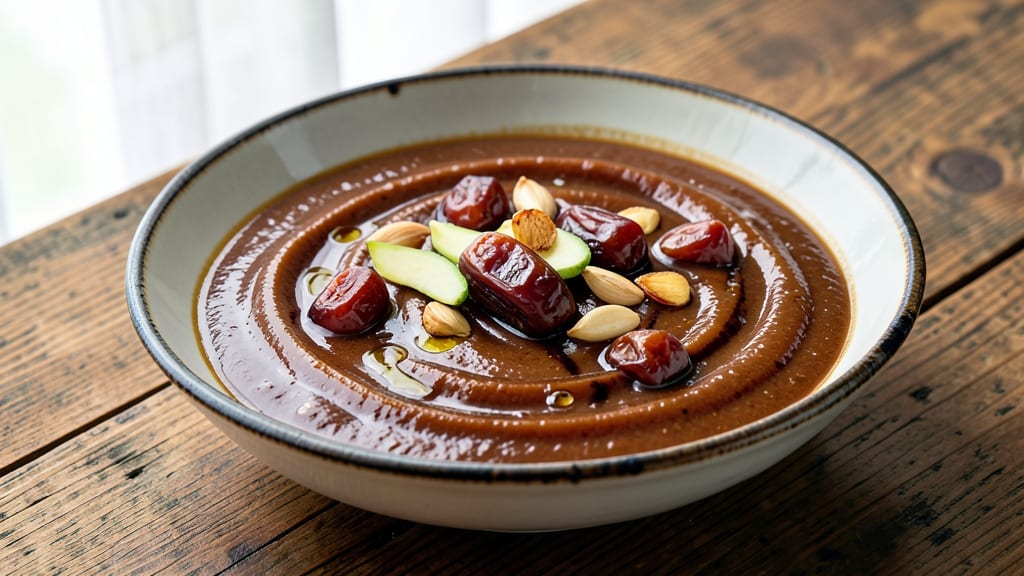
This Asian hoisin sauce recipe transforms humble ingredients into a rich, fermented paste that elevates everything from Peking duck to stir-fries. The magic lies in fermented soybean paste and dates, creating a deep umami-sweet balance that's impossible to replicate with bottled versions.
I've perfected this version after years of testing—it's smooth, storable, and packed with authentic complexity.
The foundation is simple: fermented soybean paste (or miso for a milder option), dates for natural sweetness, and a blend of garlic, vinegar, and spices that build flavor layer by layer. Unlike store-bought sauces, this version develops richer depth when aged, with caramelized notes from slow cooking.
The process is straightforward but requires patience—each step enhances the sauce's velvety texture and bold taste.
What makes this sauce extraordinary is its versatility. Use it as a dipping sauce for spring rolls, a glaze for grilled meats, or a stir-fry enhancer that adds sticky-sweet richness.
The fermented elements create a depth you won't find in commercial products, while the dates provide a caramelized sweetness that balances the sauce's savory edge. Once you taste homemade hoisin, store-bought versions will never satisfy again.
Ready in about 30 minutes with minimal effort, this sauce keeps well in the refrigerator for up to 2 weeks or can be frozen for longer storage. The best part?
Every batch tastes better than the last, as the flavors meld and deepen over time. Let's create this essential pantry staple that will transform your cooking.
Ingredients for asian hoisin sauce
Nine ingredients, bold flavors—this homemade hoisin transforms simple pantry staples into restaurant-quality sauce.
| Ingredient | Amount | Notes |
|---|---|---|
| Fermented Soybean Paste 🥢 | ½ cup | High-quality, salty, fermented soy |
| Pitted Medjool Dates 🍈 | ½ cup | Chopped, for natural sweetness |
| Garlic Cloves 🧄 | 6 cloves | Minced, for aromatic depth |
| Rice Vinegar 🍶 | ¼ cup | White or seasoned, for tang |
| Sesame Oil 🌰 | 1 tbsp | Toasted, for nutty aroma |
| Ginger Root 🌿 | 1 tbsp | Freshly grated, for warmth |
| Soy Sauce 🥢 | ¼ cup | Light or dark, for umami |
| Hoisin Sauce (optional) 🍶 | 1 tbsp | Store-bought for depth (optional) |
| Red Chili Flakes 🌶️ | ½ tsp | Adjust for heat preference |
| Ground Star Anise 🌿 | ½ tsp | For licorice-like complexity |
Fermented soybean paste is the heart of this sauce—look for high-quality brands like Lee Kum Kee or Pearl River Bridge in the international aisle. If you can't find it, miso paste works in a pinch, though the flavor will be milder. Dates should be plump and moist; Medjool dates dissolve beautifully, but de-seeded pitted dates save time. Fresh ginger and garlic are non-negotiable here—their pungency builds the sauce's depth. For sesame oil, toasted varieties add extra aroma, but regular works fine. Pro tip: Toast the star anise whole in a dry pan for 30 seconds before grinding to deepen its flavor.
No fermented soybean paste? Double the miso paste and add 1 tsp fish sauce for umami, though it won't be identical. Skip the dates? Substitute 2 tbsp maple syrup or brown sugar, but the caramelized notes will differ. Rice vinegar can be swapped for apple cider vinegar, though the flavor profile shifts slightly. For a smoother texture, blend the sauce longer—it should be velvety, not grainy. The optional hoisin sauce (if using) should be high-quality store-bought to avoid metallic aftertastes. Adjust chili flakes to taste, but remember this sauce builds flavor as it cooks.
This sauce thickens as it cools, so thin with water or vinegar if needed. Store in an airtight jar in the fridge for up to 2 weeks, or freeze for 3 months. The flavor deepens over time—taste and adjust before using. For best results, let it sit at room temperature for 10 minutes before serving. I always make a double batch—one for immediate use, one to age in the freezer for future meals. The longer it sits, the richer it becomes.
Why You'll Love This Recipe
- Five-Ingredient Magic: I swear by this combo—fermented soybean paste and dates blend into a velvety depth with zero fuss. No blender? No problem. Just smash the garlic, stir, and let the heat do the work.
- Sweet-Savory Balance: That first bite of sesame oil hitting your tongue? Pure satisfaction. The dates add a caramel richness while the rice vinegar keeps it bright—like a hug in sauce form.
- Pantry Staple Power: Honestly, I make this weekly. Drizzle it over noodles, toss with roasted veggies, or even slather it on grilled chicken. The same jar feeds my family for days without breaking the bank.
- Leftovers That Shine: This sauce actually improves after sitting overnight—deeper, richer, and ready to transform whatever you’re cooking. I keep a jar in the fridge just for lazy mornings when I need flavor fast.
Step-by-step instructions for fermented soy and date hoisin sauce
Here's how to blend bold flavors into a velvety sauce that's perfect for dipping or glazing.
Prepare the Base Ingredients
In a food processor, combine the 0.5 cup fermented soybean paste and 0.5 cup pitted Medjool dates. Pulse until the dates break down into a coarse paste—you want texture, not a smooth puree. This creates the perfect balance of salty funk and natural sweetness that defines authentic hoisin.
Next, add the 6 cloves minced garlic and 1 tablespoon freshly grated ginger root. Pulse just until incorporated—over-processing releases bitter compounds from the garlic. You're building aromatic depth here, not making a smoothie. The mixture should still have visible texture with no large chunks remaining.
Build the Sauce Foundation
Transfer the mixture to a small saucepan and add 0.25 cup rice vinegar, 0.25 cup soy sauce, 1 tablespoon toasted sesame oil, 0.5 teaspoon red chili flakes, and 0.5 teaspoon ground star anise. Stir over medium-low heat for 5 minutes, letting the flavors meld without boiling.
Here's where the magic happens: the vinegar brightens the fermented soybean paste's richness, while the star anise adds that subtle licorice note that makes this sauce uniquely complex. Keep stirring occasionally—you're not making a reduction yet, just creating a cohesive blend. The sauce should smell deeply aromatic with notes of garlic, ginger, and that unmistakable umami from the fermented soybean paste.
Simmer and Thicken
Increase heat to medium and bring the mixture to a gentle simmer. Let it cook uncovered for 8-10 minutes, stirring frequently, until it thickens to a glossy, spoonable consistency. You're looking for a sauce that coats the back of a spoon but still flows smoothly—this takes patience, as rushing will make it grainy.
If using the optional 1 tablespoon hoisin sauce, add it during the last 2 minutes of cooking. This deepens the sauce's complexity without overpowering the homemade elements. The sauce is ready when it reaches 160°F internally and has a velvety texture with no visible liquid separation. Taste and adjust seasoning—you may need a touch more soy sauce for saltiness or vinegar for brightness.
Finish and Store
Remove from heat and let cool completely. The sauce will thicken further as it cools—this is normal and actually improves the texture. For best results, transfer to a clean jar and refrigerate for at least 2 hours before using. This resting period allows all the flavors to fully integrate.
This homemade hoisin sauce keeps for up to 2 weeks in the refrigerator. The flavors actually deepen over time, making it perfect for marinating proteins or drizzling over stir-fries. For an extra-smooth texture, blend briefly before serving—though I prefer the slight texture that comes from the dates and fermented soybean paste.
Pro Tips For Making Asian Hoisin Sauce
- TOAST THE SOY PASTE: I learned this the hard way—skipping the toast can leave your sauce bitter and raw-tasting. Warm the fermented soybean paste in a dry pan over medium-low for 3-4 minutes, stirring constantly, until it smells nutty and deepens in color. This step cuts through the funk and builds flavor.
- PULSE THE DATES: Don’t just chop those Medjool dates—pulse them in a food processor with the garlic first. You want a thick, sticky paste, not chunks that’ll sit awkwardly in your sauce. A quick 10-second burst does the trick, and it blends better than any knife work.
- LOW AND SLOW: Hoisin sauce is patient. Simmer it on the lowest heat you can tolerate, uncovered, for at least 15 minutes. Rushing it keeps the flavors separate; letting it breathe lets the garlic and dates meld into something cohesive. Trust me, the wait is worth it.
- SALT THE VINEGAR: Add a pinch of salt to the rice vinegar before mixing it in. It balances the acidity and rounds out the sauce’s sharpness. I know it sounds odd, but it’s the difference between a sauce that hits like a wall and one that coats smoothly.
Storing and reheating this dish
Refrigerator Storage
Transfer your freshly made hoisin sauce to a clean, airtight glass jar—I recommend Le Parfait 16-ounce jars for their airtight seals. Store it in the refrigerator where it’ll keep for up to 2 weeks, though the flavors actually improve over time.
The sauce thickens as it cools, so give it a quick stir before using to restore its velvety consistency. 🥫
Freezer Preservation
For longer storage, portion the sauce into freezer-safe silicone molds or small jars, leaving ½-inch headspace to prevent cracking. Label with the date and freeze for up to 3 months. When ready to use, thaw overnight in the fridge—never microwave directly as it can break down the texture.
This method works perfectly for batch cooking and keeps your pantry stocked with authentic hoisin. ❄️
Reheating Techniques
To revive refrigerated hoisin, gently reheat in a small saucepan over low heat with 1 tablespoon water to prevent scorching. Stir constantly until warmed through—never boil as this can make the sauce separate.
For quick use, microwave for 20-30 seconds on 50% power, stirring halfway. Always taste and adjust seasoning after reheating, as flavors can mellow slightly. 🔥
Texture Restoration
If your sauce thickens too much after refrigeration, thin it with 1 teaspoon rice vinegar or water at a time. For a smoother texture, blend briefly with an immersion blender—just 10 seconds restores that silky finish.
Avoid adding liquid too early, as the sauce naturally thickens as it cools and reheats. This step ensures your hoisin stays perfect for dipping or glazing. ✨
Flavor Development
The longer you store this hoisin, the deeper the flavors become—this is why I always make extra! After 5-7 days, the caramelized notes from the dates intensify, and the fermented soybean paste develops a richer umami.
For best results, use the oldest batch first, as the sauce continues maturing in the fridge. This aging process creates a complexity you won’t find in store-bought versions. 💫
Portioning for Meals
Divide your hoisin into small portions before storing to minimize waste. I keep 1-2 tablespoons in the fridge at all times for quick stir-fry glazes, while the rest goes into the freezer.
This way, you always have fresh sauce ready without overcommitting to one batch. The key is consistency—homemade hoisin tastes best when used within 2 weeks of making. 📅
Nutrition facts
Frequently asked questions
Can I substitute miso paste for fermented soybean paste?
Yes, but the flavor will be milder. Use double the amount of miso paste (1 cup) and add 1 teaspoon fish sauce for extra umami depth. The texture will be smoother, but you'll lose some of the funky, fermented complexity that defines authentic hoisin. For best results, use white miso rather than red.
How spicy should my hoisin sauce be?
Start with 0.5 teaspoon red chili flakes for a mild heat, but you can adjust to taste. For a fiery kick, add up to 1 teaspoon. Remember, the sauce thickens as it cools, so taste before adjusting. If you prefer no heat, simply omit the chili flakes entirely—this sauce still delivers bold flavor without spice.
Why does my homemade hoisin look grainy?
Graininess usually means you didn't blend the dates and soybean paste enough in Step 1. Pulse until you get a coarse paste with no large chunks. If it's too thick, thin with 1 teaspoon water or vinegar and blend again. For extra smoothness, strain through a fine-mesh sieve after cooking. The slight texture is normal and adds character, but you can adjust to preference.
Can I make this sauce without a food processor?
Finely chop the dates and fermented soybean paste by hand, then mash them together with a fork or pestle. For garlic and ginger, use a knife to mince them as finely as possible. The texture will be slightly less uniform, but the flavors will still develop beautifully. Just blend the final mixture longer to achieve a smoother consistency.
What's the best way to use this hoisin sauce?
This versatile sauce works as a dipping sauce for spring rolls, a glaze for grilled meats (especially Peking duck), or a stir-fry enhancer. Try it in egg rolls, noodle dishes, or even as a marinade for tofu or chicken. The fermented depth makes it perfect for balancing spicy dishes, while the sweetness caramelizes beautifully when cooked. Start with 1-2 tablespoons per serving.