
Sauces & Condiments
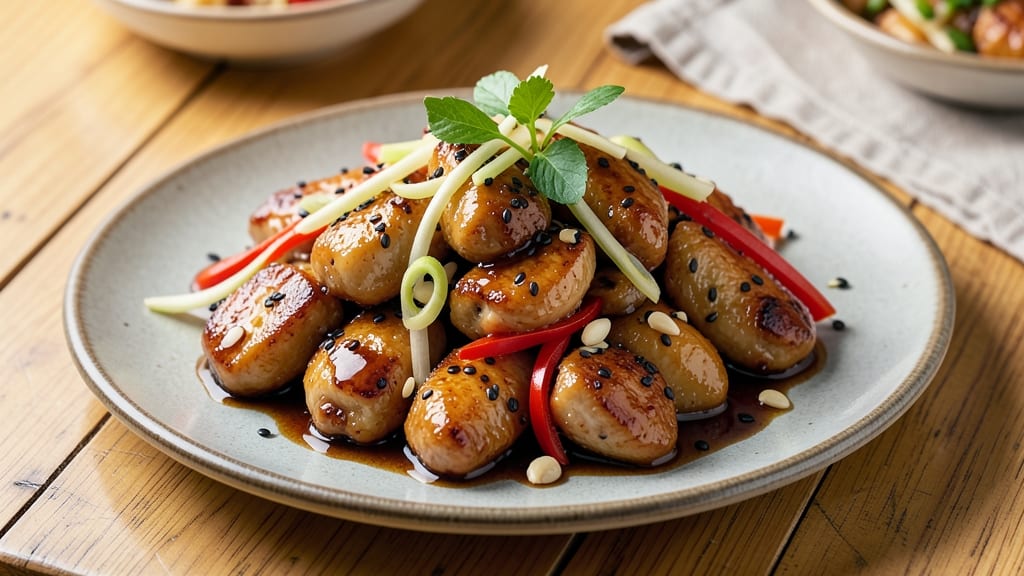
This Asian chicken stir-fry sauce delivers the perfect balance of umami, sweetness, and tang that transforms ordinary stir-fries into restaurant-quality meals. ✨ The secret lies in combining soy sauce, ginger, garlic, and a touch of honey for depth without overpowering the dish.
I've tested countless variations, and this one consistently elevates chicken stir-fries with just 2-3 tablespoons per serving.
The sauce's magic comes from simmering all ingredients together until thickened, creating a glossy, aromatic coating that clings to every bite. Fresh ginger and garlic add brightness, while soy sauce provides that essential umami foundation.
A splash of rice vinegar introduces the right tang, and a pinch of red pepper flakes delivers subtle heat—adjustable to your preference.
What you'll end up with is a versatile sauce that works with any stir-fry protein, from chicken to tofu or shrimp. It keeps beautifully in the fridge for up to two weeks, making it perfect for meal prep.
The flavor only deepens as it sits, so the longer you wait to use it, the better it gets.
Use this sauce as a base for quick weeknight dinners or as a marinade for extra flavor. Here's everything you need to make it, plus tips for perfecting the balance of flavors to suit your taste.
Ingredients for asian chicken stir fry sauce
Nine simple ingredients transform into the ultimate Asian stir-fry sauce—sweet, tangy, and packed with umami.
| Ingredient | Amount | Notes |
|---|---|---|
| Soy Sauce 🥢 | ½ cup | Use light soy for milder flavor |
| Rice Vinegar 🍶 | ¼ cup | White or seasoned works best |
| Fresh Ginger 🌿 | 2 tbsp | Finely grated, aromatic |
| Garlic Cloves 🧄 | 4 cloves | Minced, fresh preferred |
| Honey 🍯 | 2 tbsp | Wildflower for floral notes |
| Sesame Oil 🫒 | 1 tbsp | Toasted for nutty aroma |
| Red Pepper Flakes 🌶️ | ½ tsp | Adjust for heat preference |
| Cornstarch 🌾 | 1 tsp | For thickening the sauce |
| Water 💧 | ¼ cup | Room temperature preferred |
| Sesame Seeds 🌱 | 1 tsp | Toasted, for garnish |
The soy sauce is your umami foundation—Kikkoman or La Choy are reliable choices, but any good-quality light soy works. Fresh ginger and garlic make all the difference here. Buy ginger root and grate it yourself—pre-grated loses its punch fast. For garlic, I always grab the fresh kind from the produce section (not the jarred stuff). The honey adds just enough sweetness to balance the tang, so wildflower or clover honey works best—avoid the overly processed kind. Sesame oil might be pricey, but Trader Joe's has a great toasted variety that's worth it for that nutty aroma.
No soy sauce? Coconut aminos work in a pinch, though the flavor won't be identical. Short on rice vinegar? Apple cider vinegar is a decent swap, but you might need a pinch more sugar to balance it. The cornstarch is key for thickening—Bob's Red Mill is my go-to brand, but any food-grade cornstarch will do. If you're avoiding gluten, arrowroot powder is a 1:1 substitute. The red pepper flakes can be swapped for fresh chili paste (like sambal oelek) if you want more heat—just start with half the amount and adjust to taste. And if you're out of sesame oil, avocado oil won't add the same flavor but keeps the sauce from tasting flat.
This sauce keeps beautifully in the fridge for up to 2 weeks, and honestly, it tastes even better after a day or two as the flavors meld. I like to store it in a glass jar with a tight lid to preserve the aroma. For quick stir-fries, just shake the bottle and pour—no measuring needed. If you want to make it ahead for meal prep, double the batch and freeze half in ice cube trays. Each cube makes about 1 tablespoon of sauce, perfect for individual servings. The sesame seeds? Toast them in a dry pan for 30 seconds before adding to the sauce—they'll add a lovely crunch and aroma.
Why You'll Love This Recipe
- Pantry Magic: I swear by this sauce because it uses stuff I already have—no special shopping trips. Soy sauce, rice vinegar, and honey? That’s my go-to trifecta for quick flavor without breaking the bank.
- Garlic-Ginger Punch: Between us, the fresh ginger and minced garlic are the real MVPs here. That zingy, aromatic hit cuts through the richness of chicken like a knife—no bland stir-fry here.
- Meal Prep MVP: This sauce keeps for days in the fridge, so I make a big batch and toss it with whatever’s handy: leftover chicken, tofu, or even frozen veggies. Weeknight savior, honestly.
- Budget-Friendly Flex: I’ve made this for date nights, family dinners, and lazy Sundays—no fuss, just flavor. The ingredients cost pennies, but the taste? That’s restaurant-quality without the markup.
Step-by-step instructions for Asian chicken stir fry sauce
Here's how to make this vibrant, umami-rich sauce that brings balance to every stir fry.
🍳 Step 1: Sauté Aromatics Until Fragrant
Heat a small saucepan over medium heat and add the 1 tablespoon sesame oil. Once the oil shimmers, add the 4 cloves minced garlic cloves and 2 tablespoons finely grated fresh ginger. Let them sizzle for 30-45 seconds until you smell that irresistible aroma—this is when the magic starts.
Watch the pan carefully—garlic burns faster than you think. If the mixture starts to brown too quickly, immediately reduce the heat to low. You want the aromatics to soften and release their flavors without turning bitter. This foundational step builds the sauce's depth, so don't rush it.
🥘 Step 2: Combine Wet Ingredients for Flavor Balance
Reduce heat to medium-low and add the 0.5 cup soy sauce, 0.25 cup rice vinegar, and 2 tablespoons honey all at once. Stir constantly for 2 minutes until the mixture begins to simmer gently. The sauce should start to thicken slightly as the ingredients meld together.
Here's where the sauce comes together—you'll notice the colors deepen and the aroma becomes more complex. The soy sauce provides umami, the vinegar adds tang, and the honey brings sweetness. If you taste it now, you'll get a preview of the final flavor profile. This is also when you can adjust the heat by adding more 0.5 teaspoon red pepper flakes if you prefer it spicier.
🔥 Step 3: Thicken the Sauce to Perfection
In a small bowl, whisk together the 1 teaspoon cornstarch with the 0.25 cup water until completely dissolved. This cornstarch slurry is what will give your sauce that perfect silky consistency. Pour it into the simmering sauce and stir constantly for 1-2 minutes until the sauce thickens to a glossy, coatable texture.
You'll know it's ready when the sauce coats the back of a spoon and leaves a slight sheen. If it thickens too quickly, add a splash of water to loosen it. The sauce should be smooth and slightly syrupy—this ensures it clings beautifully to your stir fry ingredients. Remove from heat immediately after reaching the desired consistency to prevent over-thickening.
👨🍳 Step 4: Finish and Garnish for Restaurant-Quality Results
Return the sauce to low heat and stir in the 1 tablespoon sesame oil to enhance its nutty aroma. Let it warm through for just 30 seconds—this step ensures all the flavors are fully integrated. The sauce should now have that perfect balance of sweet, tangy, and umami notes with a subtle heat.
Transfer the sauce to a serving bowl and sprinkle with 1 teaspoon toasted sesame seeds. These seeds add both visual appeal and a delightful crunch that contrasts beautifully with the smooth sauce. Let the sauce sit for 5 minutes before using to allow the flavors to settle and deepen. This sauce keeps well in the refrigerator for up to 5 days, making it perfect for meal prep!
Pro Tips For Making Asian Chicken Stir Fry Sauce
- MINCE THAT GINGER: Fresh ginger is non-negotiable here, but don’t just eyeball it—grate 1 teaspoon of it (about the size of a small egg yolk) and let it sit in the sauce for 5 minutes before heating. I learned this the hard way after making sauce that tasted bitter because I rushed the infusion.
- SIMMER LOW AND SLOW: This sauce isn’t a race. After combining all ingredients, keep the heat at a gentle simmer—not a rolling boil—for 3-4 minutes. High heat burns the honey and turns the sauce cloying; low heat lets the flavors meld without scorching.
- GARLIC FIRST, THEN SOY: Add minced garlic to the pan before the soy sauce, and let it sizzle for 30 seconds until fragrant. Dumping soy sauce in first dulls the garlic’s punch. Trust me, your stir-fry will taste flat if you skip this—it’s the thing that matters most.
- SWAP HONEY FOR MAPLE: Stuck with no honey? Use the same amount of pure maple syrup—it’s a 1:1 swap that works just as well. (I was skeptical until I tried it with a batch of overripe mangoes in the sauce.) The flavor’s deeper, and it caramelizes better when simmered.
Pro cooking tips for this dish
Sauté Aromatics Slowly
Don’t rush the garlic and ginger—this is where the sauce’s depth comes from. Heat the sesame oil over medium heat until just shimmering, then add the minced garlic and grated ginger. Let them cook for 30-45 seconds until fragrant but not browned.
If they start to darken too quickly, immediately reduce to low heat. I’ve burned garlic more times than I’d like to admit—trust me, patience here makes all the difference. 🌿
Balance Flavors Early
After adding the soy sauce, rice vinegar, and honey, taste the sauce before thickening. This is your chance to adjust the balance—need more sweetness? Add a pinch of honey. Too tangy? A splash of water dilutes it slightly.
I usually add ½ teaspoon red pepper flakes at this stage, but if you prefer milder heat, skip it or use ½ teaspoon of sambal oelek instead. The goal is harmony, not overwhelming any single flavor.
Thicken Like a Pro
The cornstarch slurry is your secret weapon for that restaurant-quality gloss. Whisk the cornstarch and water until completely smooth, then pour it into the sauce while stirring vigorously. Heat should be at medium-low—too high, and the sauce will seize up.
Stir constantly for 1-2 minutes until it coats the back of a spoon. If it thickens too fast, add 1 tablespoon water to loosen it. Pro tip: Use a heatproof spatula to avoid splattering.
Finish with Sesame Oil
Stirring in the sesame oil at the very end is non-negotiable—it adds that nutty aroma that elevates the sauce from good to unforgettable. Warm it for just 30 seconds over low heat so the oil infuses without overpowering the other flavors.
Skip this step, and your sauce will taste flat. Garnish with toasted sesame seeds right before serving—they add crunch and a visual pop that makes the dish look (and taste) like it came from a high-end restaurant. ✨
Rest Before Using
Let the sauce sit for 5-10 minutes after making it. This might feel counterintuitive, but the flavors meld even more during this time. I’ve learned the hard way that pouring it over hot stir-fry ingredients too soon can make the sauce separate or lose its gloss.
If you’re prepping ahead, store it in an airtight container in the fridge for up to 2 weeks—the longer it sits, the deeper the flavors get. Trust the process!
Adjust for Your Taste
Every kitchen is different, so don’t be afraid to tweak the recipe. Too salty? Add a splash of water or a pinch of sugar. Too sweet? Balance it with a little more rice vinegar. Love heat?
Swap the red pepper flakes for 1 teaspoon of gochujang (Korean chili paste) for a smoky kick. The beauty of this sauce is its flexibility—make it your own while keeping the core balance of sweet, tangy, and umami intact. 🔥
Nutrition facts
Frequently asked questions
Can I make this sauce without sesame oil?
Yes, but you'll lose that nutty aroma that makes the sauce special. Use avocado oil or neutral oil as a substitute (1 tablespoon), though it won't have the same flavor. For extra depth, add ½ teaspoon toasted sesame seeds directly to your stir-fry instead of the sauce.
How much sauce should I use per stir-fry?
Start with 2-3 tablespoons per serving for a light glaze, or ¼ cup for a more generous coating. The sauce thickens as it cools, so if it seems too thin when warm, let it rest for 5 minutes before adjusting. For extra flavor, toss cooked chicken in the sauce while still hot.
Can I substitute honey with another sweetener?
Use brown sugar (1:1 ratio) or maple syrup for a deeper flavor. For a lower-sugar option, try ½ teaspoon vanilla extract plus 1 teaspoon sugar. Avoid artificial sweeteners—they won't caramelize properly and may alter the sauce's balance.
Why did my sauce turn out too thick?
This usually happens when the cornstarch slurry cooks too long or the heat is too high. To fix it, whisk in 1-2 tablespoons warm water while stirring constantly. For prevention, use medium-low heat when thickening and remove from heat immediately after reaching the desired consistency.
Can I use this sauce for other proteins?
This sauce works beautifully with shrimp, tofu, or even beef! For seafood, reduce the red pepper flakes to ¼ teaspoon to avoid overpowering delicate flavors. For pork or beef, add ½ teaspoon grated ginger and 1 teaspoon oyster sauce to enhance richness.