
Sauces & Condiments
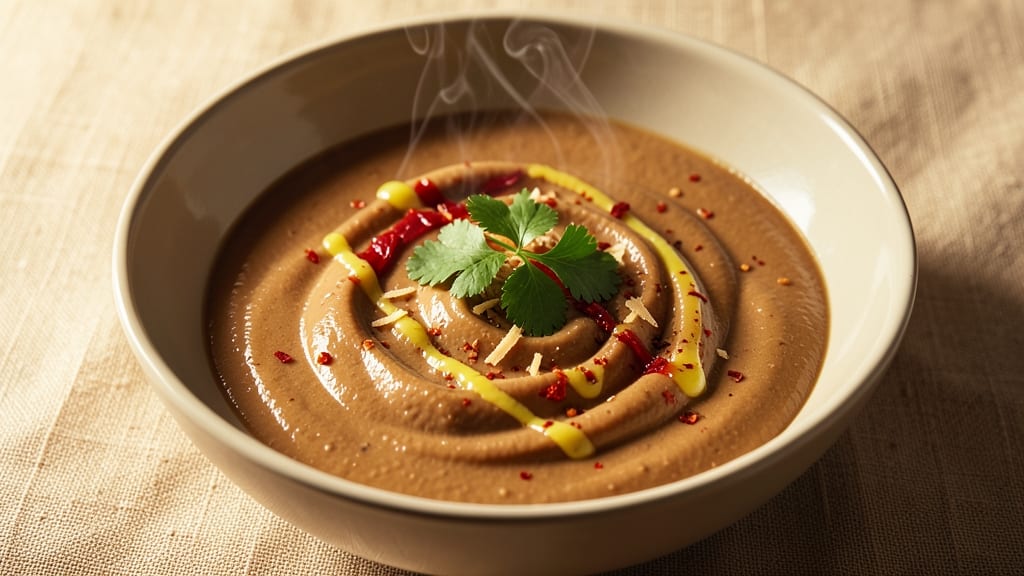
This Asian lettuce wrap sauce recipe delivers the perfect balance of tangy, nutty, and spicy flavors in just 5 minutes—no fancy techniques required.
The magic comes from combining peanut butter, soy sauce, and fresh ginger for a sauce that clings to lettuce wraps like a dream, enhancing every bite of shrimp, pork, or tofu.
I developed this after years of experimenting with takeout-inspired flavors, and it’s now my go-to for quick, restaurant-quality meals at home.
The sauce’s secret lies in the peanut-ginger base, which adds depth without overpowering the natural flavors of your fillings. A touch of lime brightens the mix, while chili and garlic bring heat and complexity.
What sets this apart is how effortlessly it transforms simple ingredients into something bold and satisfying—no blender or special tools needed. Just whisk, taste, and adjust until it’s perfectly balanced.
What you’ll end up with is a glossy, aromatic sauce that’s rich enough to coat lettuce leaves beautifully while staying light enough to let the filling shine.
It’s the kind of condiment that elevates a basic meal into something special, whether you’re serving it at a dinner party or whipping up a quick lunch. The best part?
It keeps well in the fridge for up to a week, so you can make a batch and use it all week long.
Pair it with classic lettuce wrap fillings like grilled shrimp, seasoned ground pork, or crispy tofu for a meal that’s as healthy as it is delicious. Here’s how to make it—simple, foolproof, and packed with flavor.
Ingredients for asian lettuce wrap sauce
Just ten ingredients transform into the perfect tangy, nutty sauce for lettuce wraps.
| Ingredient | Amount | Notes |
|---|---|---|
| Creamy Peanut Butter 🥜 | ½ cup | Natural, unsweetened preferred |
| Soy Sauce 🍶 | ¼ cup | Low-sodium if preferred |
| Fresh Ginger 🌿 | 2 tbsp | Finely grated, aromatic |
| Lime Juice 🍋 | 2 tbsp | Freshly squeezed, bright |
| Red Chili Flakes 🌶️ | 1 tbsp | Adjust for heat preference |
| Garlic Cloves 🧄 | 2 cloves | Minced, pungent aroma |
| Sesame Oil 🫒 | 1 tbsp | Toasted for nutty flavor |
| Honey 🍯 | 1 tbsp | Or maple syrup for vegan |
| Water 💧 | ¼ cup | Room temperature |
| Rice Vinegar 🍶 | 1 tbsp | White vinegar substitute |
The peanut butter is the star—Creamy natural peanut butter from Smucker's or Trader Joe's works best, but any unsweetened kind will do. Fresh ginger is a must (no powdered substitutes here), and I always grab the organic ginger root from the produce section—it’s brighter and more aromatic. The soy sauce can be any kind, but Kikkoman or Lee Kum Kee add that authentic umami depth. Look for a bottle with minimal additives if you're picky about ingredients. Sesame oil is non-negotiable for that nutty aroma, and Kadoya or La Choy are solid budget-friendly options.
No peanut butter? Almond butter or tahini works in a pinch, though the flavor will shift slightly. Short on lime juice? Lemon juice at double the amount gives similar brightness. The honey can be swapped for maple syrup or agave if you're avoiding sugar. Chili flakes too spicy? Reduce to 1 tsp and add more ginger for warmth instead. Garlic powder won't cut it here—fresh minced garlic is essential for that authentic bite. If you're making a big batch, double the water first to thin the sauce gradually—easier than fixing a clump later.
This sauce keeps like a dream in the fridge for up to 1 week, though I usually use it all within 3-4 days. Store it in a sealed jar with a splash of water on top to prevent a skin from forming. For leftovers, whisk in a teaspoon of water or soy sauce to loosen it up. Freezing isn't recommended—it alters the texture. I make a double batch every time and use it all week for wraps, stir-fries, or even drizzled over noodles. The flavor actually improves after sitting overnight as everything melds together.
Why You'll Love This Recipe
- Five-Ingredient Magic: I swear, this sauce comes together faster than I can say "where’s the peanut butter?"—just stir, taste, adjust. No fancy techniques, no waiting for anything to marinate. That ginger-lime-zing hits you the second you mix it, and honestly? It’s the kind of recipe that makes me feel like a chef when I’m really just stirring a bowl.
- Nutty-Spicy Balance: Between us, the peanut butter isn’t just there to bind—it’s the star. Creamy, rich, and then bam, the lime juice and chili flakes cut through like a wake-up call. The soy sauce ties it all together so it’s savory but never heavy. I’ll be real: my picky-eating partner actually licks the spoon after tasting this.
- Wrap Any Meal: This sauce doesn’t just belong in lettuce wraps—it’s my go-to for rice bowls, noodles, or even drizzled over grilled chicken. Meal prep? Yes. Date night? Absolutely. (Yes, even on a Tuesday night when takeout seems easier.) The best part? It’s the kind of flavor that makes plain old rice feel like a gourmet dish.
- Leftovers That Last: Make a big batch—it keeps in the fridge for weeks without separating or tasting sad. I’ve used it to dress up sad office lunches, quick dinner cleanups, and even as a dip for veggies when I’m too tired to cook. Budget-friendly? Check. Time-saving? Double check. This is the kind of sauce that makes me feel like I’m feeding a crowd without breaking the bank.
Step-by-step instructions for tangy peanut-ginger lettuce wrap sauce
Here's how to blend this vibrant sauce in minutes—no fancy techniques, just bold flavors.
Combine Wet Ingredients for a Smooth Base
In a medium bowl, whisk together the 0.5 cup creamy peanut butter, 0.25 cup soy sauce, and 1 tablespoon honey until completely smooth. I like to use a fork first to break up any lumps in the peanut butter before switching to a whisk for a truly silky texture. This mixture forms the rich foundation of your sauce.
Next, add the 2 tablespoons lime juice and 1 tablespoon rice vinegar. Stir well—the acidity from these ingredients will brighten the peanut butter's richness and cut through its natural sweetness. The sauce should start looking glossy and well-blended at this point, with no visible streaks of peanut butter remaining.
Add Aromatics and Build Flavor Layers
In a small bowl, finely grate the 2 tablespoons fresh ginger using a microplane or the fine holes of a box grater. Add this to your sauce along with the 2 minced garlic cloves and 1 tablespoon sesame oil. Stir everything together until the ginger and garlic are fully incorporated and the oil is evenly distributed.
Here's where the magic happens—the ginger and garlic infuse their aromatic qualities into the peanut base. You'll notice the sauce developing a fresh, slightly spicy aroma. If you're using low-sodium soy sauce, you might want to add a pinch of salt now to balance the flavors. Taste as you go—this is your chance to adjust before adding the heat component.
Incorporate Heat and Thin to Desired Consistency
Add the 1 tablespoon red chili flakes to the sauce and stir well. This is where you can control the heat level—if you prefer milder sauce, reduce to ½ tablespoon. The chili flakes will give your sauce a subtle but noticeable warmth that pairs perfectly with the peanut and ginger flavors.
Now, gradually whisk in the 0.25 cup water until the sauce reaches your preferred consistency. You want it to be thick enough to coat the back of a spoon but still pourable for dipping or drizzling. If it's too thick, add a little more water 1 teaspoon at a time. The sauce should be vibrant, with a glossy sheen that indicates proper emulsification.
Taste and Perfect the Balance
Give your sauce a final taste and make any necessary adjustments. Need more tang? Add another ½ tablespoon lime juice. Want it sweeter? Stir in ½ teaspoon more honey. The sauce should have a perfect balance of sweet, salty, spicy, and umami flavors with a bright finish from the lime and vinegar.
Transfer the sauce to a clean jar or small bowl and let it sit at room temperature for 10 minutes before using. This brief resting period allows all the flavors to meld together beautifully. Your tangy peanut-ginger sauce is now ready to elevate any lettuce wraps, spring rolls, or even grilled meats!
Pro Tips For Making Asian Lettuce Wrap Sauce
- Whisk the Peanut Butter First: I learned this the hard way—dumping peanut butter into hot liquid makes it seize up like glue. Instead, mix it with a splash of lime juice and a teaspoon of soy sauce before adding anything else. This keeps the sauce silky smooth, not grainy or clumpy.
- Grate Ginger Like You Mean It: Fresh ginger needs to be fine—think wet sand, not pebbles. Use the smallest holes on your grater or pulse it in a food processor for 2 seconds. Too big? The sauce will taste raw and sharp instead of warm and aromatic.
- Balance the Heat Slowly: Chili flakes pack heat and bitterness. Start with half the amount, taste, then add more. I once burned my mouth because I doubled the flakes without checking—now I go by the "one pinch, stir, repeat" rule.
- Save the Lime for Last: Acid kills peanut butter’s creaminess. Add lime juice only after everything else is mixed and the sauce has thickened slightly. This keeps the sauce glossy, not separated or curdled. (Yes, even if you’re impatient like me.)
Troubleshooting your asian lettuce wrap sauce
Peanut Butter Clumps
If your sauce looks grainy or has peanut butter clumps, don’t panic—this happens when ingredients aren’t fully emulsified. Start by whisking vigorously for 2-3 minutes to break up the lumps. If that doesn’t work, add 1 teaspoon of hot water and whisk again.
For future batches, ensure your peanut butter is at room temperature before mixing, as cold peanut butter is harder to incorporate smoothly. 💡
Too Thick or Gluey
A thick, glue-like sauce usually means too much peanut butter or not enough liquid. Thin it gradually with water or soy sauce, 1 teaspoon at a time, whisking constantly. If the sauce separates, stir in ½ teaspoon of sesame oil to help bind it back together.
For extra insurance, whisk in ½ teaspoon of cornstarch mixed with water to adjust the consistency without altering flavor.
Lacking Balance
If your sauce tastes one-dimensional (too sweet, salty, or bland), adjust it in layers. Need more depth? Add ½ teaspoon of fish sauce for umami or ¼ teaspoon of white pepper for warmth. Too sweet? Balance with ½ teaspoon more rice vinegar.
Too salty? Dilute with 1 extra tablespoon of water and add a pinch of sugar. Taste as you go—this sauce is forgiving, but small tweaks make a big difference!
Separation After Storage
If your sauce separates after refrigeration, it’s likely due to oil from the peanut butter or sesame oil rising to the top. Before using, whisk vigorously or gently heat the sauce in a small saucepan over low heat for 1-2 minutes, stirring constantly.
If it still looks oily, add 1 teaspoon of water or soy sauce to help re-emulsify. Store leftovers in a sealed jar with a splash of water on top to prevent future separation.
Not Spicy Enough
If the heat level feels weak, boost it with ½ teaspoon of sriracha or ¼ teaspoon of cayenne pepper for a smoother burn. For a smoky kick, add ¼ teaspoon of smoked paprika.
If you prefer a more complex heat, try 1 teaspoon of sambal oelek (adjust to taste). Always add heat gradually—you can’t take it out once it’s in!
Too Tangy or Sour
An overly tangy sauce usually means too much lime or vinegar. Balance it by adding ½ teaspoon of honey or maple syrup to mellow the acidity. If the sauce still tastes sharp, stir in ½ teaspoon of soy sauce to round out the flavors.
For a smoother finish, add a pinch of salt to enhance all the flavors without adding more acidity. 🍋
Nutrition facts
Frequently asked questions
Can I make this sauce without peanut butter?
For a nut-free version, swap the peanut butter with ½ cup almond butter or ⅓ cup tahini (thinned with 1 tablespoon water). The flavor will shift slightly toward nutty or sesame-forward, but it still works beautifully. If you're avoiding all nuts, try ½ cup Greek yogurt or coconut milk for creaminess, though the texture will be lighter.
How do I adjust the sauce for spicier or milder heat?
Start with the 1 tablespoon chili flakes as written, but adjust in ¼ teaspoon increments. For milder heat, reduce to ½ teaspoon and add ½ teaspoon extra ginger for warmth. For extra kick, stir in ½ teaspoon sriracha or ¼ teaspoon cayenne. Always taste as you go—you can’t remove heat once it’s in!
What’s the best way to store leftovers?
Store in an airtight jar in the fridge for up to 1 week. To prevent a skin from forming, press a splash of water on top before sealing. For leftovers, whisk in 1 teaspoon water or soy sauce to loosen. Avoid freezing—it alters the texture. The sauce actually tastes better after 24 hours as flavors meld!
Can I use this sauce for dishes other than lettuce wraps?
Yes! Drizzle it over grilled chicken, spring rolls, or rice bowls for instant flavor. It’s also great as a dipping sauce for fresh spring rolls, dumplings, or even fries. The peanut-ginger combo works surprisingly well with thai curries or noodle dishes—just thin with a splash of water if needed.
Why does my sauce look grainy?
Graininess usually means the peanut butter wasn’t fully emulsified. Whisk vigorously for 2-3 minutes to break up lumps. If it persists, add 1 teaspoon hot water and whisk again. For future batches, use room-temperature peanut butter and whisk constantly while adding wet ingredients to prevent separation.