
Sauces & Condiments
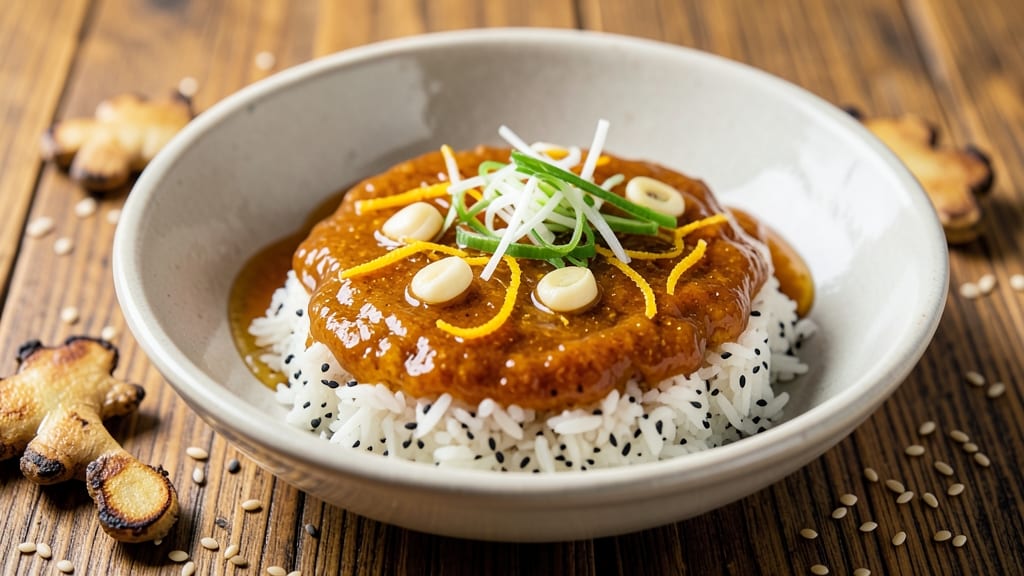
This Asian orange ginger sauce transforms ordinary stir-fries into vibrant, restaurant-quality meals with just a few simple ingredients. The bright citrus notes from fresh orange juice and zest cut through rich flavors, while freshly grated ginger adds a warm, zesty kick that lingers on every bite.
I developed this sauce after craving something fresh yet deeply savory—perfect for drizzling over noodles, tossing with grilled proteins, or even as a marinade. The beauty of this sauce lies in its versatility and ease.
With just 10 minutes of prep and no cooking required, you’ll have a glossy, aromatic sauce that’s far superior to anything store-bought.
The balance of sweet, tangy, and umami flavors comes from a mix of soy sauce, garlic, and a touch of honey, creating a harmony that works with everything from tofu to chicken or vegetables. What makes this sauce truly special is how it elevates any dish without overpowering it.
The orange zest adds a fragrant brightness, while the ginger’s warmth deepens the flavor profile. It’s the kind of sauce that turns a simple meal into something memorable—think crispy stir-fried greens, glossy rice bowls, or even as a glaze for roasted meats.
Store it in an airtight container in the fridge for up to 5 days, or freeze for longer shelf life. The flavors actually improve over time, making it a perfect make-ahead sauce for busy weeknights. Let’s make this bright, zesty sauce that will become your new kitchen staple.
Ingredients for asian orange ginger sauce
Bright citrus and zesty ginger come together in this vibrant sauce.
| Ingredient | Amount | Notes |
|---|---|---|
| Fresh Orange Juice 🍊 | ½ cup | Freshly squeezed, no pulp |
| Orange Zest 🍊 | 1 tbsp | From 1 large orange |
| Fresh Ginger Root 🌿 | 2 tbsp | Finely grated, no skin |
| Soy Sauce 🥢 | ¼ cup | Light or dark preferred |
| Honey 🍯 | 1 tbsp | Wildflower or clover |
| Garlic Cloves 🧄 | 2 cloves | Minced or finely chopped |
| Sesame Oil 🫒 | 1 tbsp | Toasted sesame oil preferred |
| Rice Vinegar 🍶 | 1 tbsp | White or seasoned |
| Salt 🧂 | ½ tsp | Kosher or sea salt |
| Black Pepper 🌶️ | ¼ tsp | Freshly ground preferred |
The fresh orange juice is non-negotiable—bottled juice lacks the bright, fresh flavor. Grab a juicy navel or Valencia orange from the produce section, and don't skip the zest. It's what gives this sauce its fragrant kick. For ginger, look for firm, knobby roots—the fresher, the better. I always buy extra because it keeps for weeks in the freezer. The soy sauce should be high-quality; Kikkoman or Pearl River Bridge are my go-tos, but any good Asian market brand works. Toasted sesame oil adds that nutty depth, so don't use the cheap, flavorless kind from the regular grocery store—Trader Joe's or Whole Foods have great options.
No fresh ginger? Powdered works at half the amount, but it won't have the same depth. Short on orange juice? Grenadine or extra rice vinegar can add sweetness, but it won't be the same. The honey can be swapped for maple syrup or agave, but honey gives that perfect balance. For a gluten-free version, use tamari instead of soy sauce. The garlic can be roasted for a milder flavor—just toss whole cloves in the oven at 400°F for 10 minutes before mincing. And if you're out of sesame oil, a tiny bit of peanut oil works in a pinch, though it won't have the same toasty flavor.
This sauce keeps beautifully—5 days in the fridge and up to 3 months in the freezer. I like to portion it into ice cube trays first, then transfer to a freezer bag. That way, I can grab just what I need for a quick stir-fry. The flavors actually get better over time, so don't hesitate to make extra. If it separates in the fridge, just give it a quick whisk before using. It's perfect for drizzling over noodles, tossing with greens, or even as a marinade for grilled chicken or tofu.
Why You'll Love This Recipe
- I’ll be real: this sauce costs next to nothing to make, and a little goes a long way. That jar of honey and block of ginger stretch for ages, and the orange juice? Use the rest in smoothies or cocktails. Plus, leftovers keep for weeks in the fridge—because let’s be honest, you’ll want to make it again.
- Pantry Magic: I swear by this sauce—no fancy shopping lists, just what’s probably already lurking in your fridge and spice rack. That bright orange punch from fresh juice and zest cuts through anything, while the ginger’s warmth? It’s the secret weapon that turns simple proteins into something special.
- Bright & Balanced: Here’s what sold me—the honey and soy sauce team up to balance the citrus’s sharpness without overpowering it. One sip and you’ll taste why this isn’t just a glaze or dip—it’s the kind of sauce that makes you pause mid-bite, like a little flavor explosion.
- Weeknight Superstar: Between us, this is my go-to for stir-fries, grilled chicken, or even drizzled over rice bowls. Honestly, I’ve used it on everything from takeout noodles to roasted veggies, and it never lets me down. The best part? It’s ready in 10 minutes—no waiting for marinades or complicated steps.
Step-by-step instructions for Asian orange ginger sauce
This vibrant sauce comes together in minutes—perfect for adding zing to stir-fries, marinades, or drizzled over grilled meats.
Prepare the Ginger and Garlic Base
Start by finely grating the 2 tablespoons of fresh ginger root using a microplane or grater. This ensures you capture all the aromatic oils without any fibrous texture. Set aside. Next, mince the 2 cloves of garlic—I like to use the flat side of my chef's knife for this to keep the pieces even but not too fine.
Heat 1 tablespoon of sesame oil in a small saucepan over medium-low heat. Add the ginger and garlic, cooking for 1-2 minutes until fragrant but not browned. This step builds the aromatic foundation—don't rush it, or the flavors will be sharp rather than mellow. Keep the heat low to prevent burning, which would make the sauce bitter.
Combine Wet Ingredients
In a separate bowl, whisk together the 0.5 cup of fresh orange juice (make sure it's strained to remove any pulp) and 1 tablespoon of rice vinegar. The acidity from the vinegar brightens the orange flavor while cutting through the richness of the sesame oil. Add the 1 tablespoon of honey and stir until fully dissolved—this balances the tartness with natural sweetness.
Now, pour this citrus mixture into the saucepan with the ginger and garlic. Bring everything to a gentle simmer over medium heat, then reduce the heat to low and let it cook for 3-4 minutes. You're looking for the sauce to slightly thicken and the flavors to meld together. Stir occasionally to prevent sticking, especially since we're not using any thickeners.
Season and Simmer to Perfection
Add the 0.25 cup of soy sauce and stir well. This is where the umami depth comes in—soy sauce ties all the bright, citrusy flavors together. Sprinkle in the 0.5 teaspoon of salt and 0.25 teaspoon of black pepper, then add the 1 tablespoon of orange zest. The zest adds a bright, citrusy aroma that's impossible to achieve with just juice alone.
Let the sauce simmer gently for another 2-3 minutes, stirring occasionally. You'll notice it thickens slightly as the liquid reduces. Taste and adjust the seasoning if needed—you might want a touch more salt or a splash of extra orange juice to balance the flavors. The sauce should be smooth, glossy, and perfectly balanced between sweet, tangy, and savory.
Finish and Cool
Remove the sauce from heat and let it cool to room temperature. This step is crucial because the flavors continue to develop as the sauce sits. If you're using it immediately, you can proceed, but I find the sauce tastes even better after 15-20 minutes of resting—it allows the ginger and garlic to mellow slightly.
Once cooled, give it one final taste. The sauce should coat your spoon with a glossy finish and deliver a perfect balance of citrus brightness, ginger zing, and umami depth. Store any leftovers in an airtight container in the refrigerator for up to 5 days, or freeze for up to 3 months. This sauce is incredibly versatile—drizzle it over noodles, toss it with grilled shrimp, or use it as a marinade for tofu or chicken.
Pro Tips For Making Asian Orange Ginger Sauce
- STRAIN THE GINGER WELL: I learned this the hard way—grating ginger too finely leaves you with a sauce that’s gritty and unbalanced. Use a microplane and press the ginger through a fine-mesh sieve to catch every last bit of pulp, or pulse it in a food processor and strain twice. That extra step keeps the sauce silky, not sandy.
- SIMMER THE SOY FIRST: Warm the soy sauce for 30 seconds before adding anything else. This cuts through the sharpness of raw soy and lets its umami deepen, so it blends better with the citrus and honey. Skip this, and the sauce can taste flat or one-note—trust me, it makes a real difference.
- ZEST BEFORE JUICING: Run the orange under hot water first to loosen the zest, then use a peeler to get long, thin strips instead of scraping. This keeps the zest bright and aromatic, while the juice stays fresh. I used to just zest dry, and the flavor was duller—now I always do this prep step.
- BALANCE THE HONEY LAST: Taste the sauce before adding honey—it’s easy to overdo it. Start with half the amount called for, let it sit for 5 minutes, then add more if needed. The sauce should be sweet but still let the ginger and orange shine. I was skeptical until I tried it—now I never guess.
Make-ahead tips for leftovers
Make-Ahead Magic
This sauce is a make-ahead dream—prepare it the night before and let the flavors deepen overnight. I always make a double batch on Sundays so I have it ready for quick weeknight stir-fries. The ginger and garlic mellow beautifully, while the citrus brightens even more as it rests.
Just store it in an airtight container in the fridge for up to 5 days—the flavors actually improve! 💫
Freezer-Friendly
For longer storage, freeze the sauce in ice cube trays—this makes it easy to grab just what you need later. Once frozen, transfer the cubes to a ziplock freezer bag and flatten to save space.
Thaw overnight in the fridge or microwave for 30 seconds on defrost mode. The texture might thicken slightly after freezing, so stir in 1 teaspoon of water if needed to restore smoothness.
Portion Control
Divide the sauce into small containers (like 4-ounce jars) for perfect single-serving portions. Label with the date and store in the fridge—this keeps everything organized and prevents waste. I use these for quick marinades or drizzling over takeout noodles.
The sauce stays fresh for 5 days this way, and you won’t have to guess how much to use each time.
Reheating Secrets
If you’ve stored the sauce in the fridge, reheat it gently on the stovetop over low heat for 2-3 minutes, stirring constantly. Avoid microwaving—it can make the sauce watery and dull the flavors.
For a quick fix, add 1 teaspoon of water or rice vinegar to restore glossiness. The sauce is best used within 5 days of reheating for peak freshness.
Flavor Boost
If the sauce tastes flat after reheating, brighten it with a splash of fresh orange juice or a pinch of extra ginger. The key is balance—just enough to revive the citrus and zing.
I also like to add a tiny drizzle of toasted sesame oil right before serving to enhance the nutty aroma. This little trick makes all the difference! ✨
Nutrition facts
Frequently asked questions
Can I substitute powdered ginger instead of fresh?
Yes, but use only 1 teaspoon powdered ginger for every 2 tablespoons of fresh. Fresh ginger adds depth and aroma that powder can't replicate, but it works in a pinch. For best results, add a pinch of extra salt to compensate for the milder flavor. The sauce will still taste great, though slightly less vibrant.
How much sauce should I use for different dishes?
For stir-fries, use 1-2 tablespoons per serving as a drizzle. As a marinade for tofu or chicken, coat 1 pound of protein with 3-4 tablespoons of sauce. When tossing with noodles or greens, start with 1 tablespoon and adjust to taste. The sauce is potent, so begin with less and add more if needed.
Why did my sauce separate in the fridge?
This happens when the sauce cools too quickly. Simply whisk in 1 teaspoon of water or rice vinegar to restore smoothness. For prevention, store the sauce in a shallow container so it cools evenly. The separation is normal and harmless—just give it a quick stir before using.
Can I make this sauce spicier?
Add ½ teaspoon of red pepper flakes or 1 teaspoon of sriracha to the warm sauce before removing from heat. For a smoky kick, stir in ½ teaspoon of smoked paprika. Adjust to your spice tolerance—start small and taste as you go. The citrus will balance the heat beautifully.
What if I don't have fresh orange juice?
Use ¼ cup of orange marmalade or 2 tablespoons of grenadine mixed with 2 tablespoons of water to replace the juice. For zest, 1 teaspoon of bottled orange zest works, though fresh is ideal. The flavor won't be identical, but it'll still add bright citrus notes to your sauce.