
Main Courses
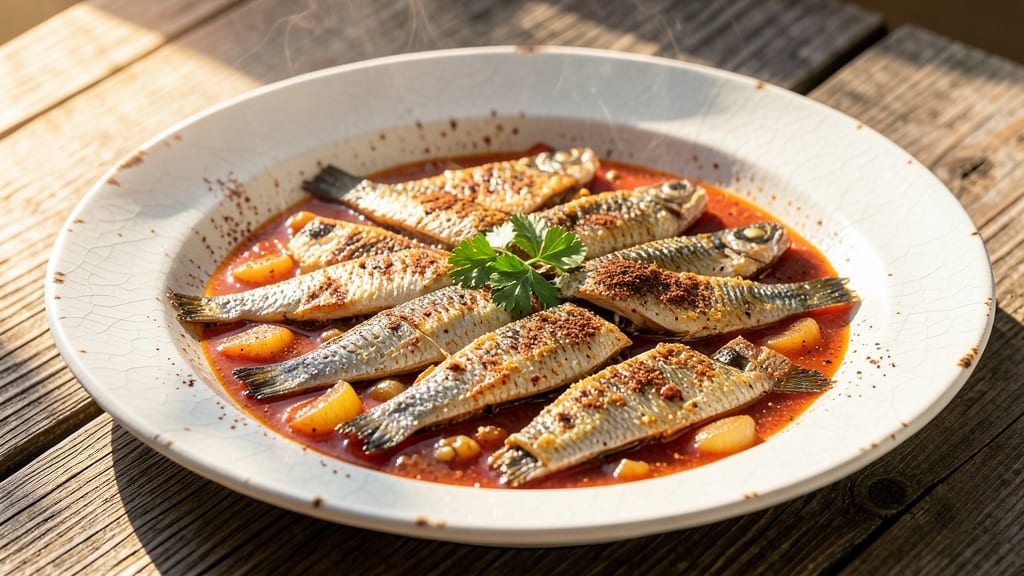
Spanish sardines in tomato sauce bring the bold flavors of Spain to your dinner table with just a few simple techniques.
The secret lies in pan-frying the sardines until they're golden and crispy, then simmering them in a rich, garlicky tomato sauce that's packed with umami from onions, garlic, and smoked paprika.
I've perfected this dish over years of testing, and it never fails to impress—whether you're serving it to family or guests.
This recipe stays true to traditional Spanish methods while keeping it accessible for home cooks. The sardines develop a satisfying crunch when fried, then melt into tender flakes as they absorb the flavorful sauce.
The sauce itself is where the magic happens—slow-cooked to deepen the flavors and balanced with a touch of sweetness from the tomatoes. It's the kind of dish that tastes even better the next day, making it perfect for meal prep.
By the time you serve this dish, you'll have a plate of crispy, golden sardines swimming in a vibrant red sauce that's rich with garlic and smoky spices.
The aroma alone will have everyone at the table anticipating that first bite—tender sardines with a perfect balance of tangy, sweet, and savory flavors. Pair it with crusty bread to soak up every last drop of that delicious sauce.
Whether you're cooking for a special occasion or just craving a taste of Spain, this recipe delivers restaurant-quality results in your own kitchen. The technique is straightforward, but the flavors are anything but basic—this is comfort food with sophistication. Let's get started on creating this garlicky umami bomb.
Ingredients for spanish sardines in tomato sauce
Fresh sardines, smoky paprika, and garlicky tomato sauce—this Spanish classic needs just twelve ingredients.
| Ingredient | Amount | Notes |
|---|---|---|
| Fresh Sardine Fillets 🐟 | 12 whole | Skin-on, high-quality Spanish sardines |
| Extra-Virgin Olive Oil 🫒 | ½ cup | High-quality, fruity, for frying |
| Yellow Onion 🧅 | 1 whole | Medium size, finely chopped |
| Garlic Cloves 🧄 | 6 cloves | Fresh, minced for deep flavor |
| Smoked Paprika 🌶️ | 1 tbsp | Spanish pimentón for authentic taste |
| Canned San Marzano Tomatoes 🍅 | 1 can | 28 oz, crushed by hand |
| Dried Oregano 🍃 | 1 tsp | Mexican oregano preferred |
| Sea Salt 🧂 | 1 ½ tsp | Fine grain, for seasoning |
| Ground Black Pepper 🌶️ | ½ tsp | Freshly ground for best flavor |
| Red Wine Vinegar 🍷 | 1 tbsp | For brightness, optional |
| Crusty Bread 🍞 | 4 slices | For serving, toasted |
| Fresh Parsley 🌿 | ¼ cup | Chopped, for garnish |
The sardines make or break this dish, so don't compromise on quality. Look for fresh, skin-on fillets at your local fish market or well-stocked grocery store like Whole Foods or Trader Joe's. They should smell clean and fresh, never fishy. If you can't find fresh, high-quality canned sardines in olive oil work in a pinch—just drain them well. The San Marzano tomatoes are non-negotiable for that sweet, rich flavor. I grab mine from Costco or any Italian market—they're worth the extra cost. For the smoked paprika, Spanish pimentón (like La Huerta) gives that authentic smoky depth you can't get from regular paprika.
No fresh parsley? Dried parsley at half the amount works, but fresh is best for that bright finish. Running low on red wine vinegar? Lemon juice or balsamic vinegar will do in a pinch. The crusty bread can be any good-quality baguette—French or Italian work best, but even a good sourdough will do. If you can't find San Marzano tomatoes, high-quality crushed tomatoes like Muir Glen are a solid backup. The key is to avoid anything with added salt or preservatives. For extra richness, add a splash of fish stock to the sauce—it deepens the umami without overpowering the tomatoes.
This dish tastes even better the next day, so make extra if you can. The sauce keeps for 5 days in the fridge and freezes beautifully for 3 months. I like to portion it into small jars so I can grab a quick lunch. The bread? Toast it fresh before serving—crusty and warm is the only way to eat it. If you're prepping ahead, fry the sardines last minute to keep them crispy. Store the sauce separately and just reheat with the sardines when ready to serve.
Why You'll Love This Recipe
- One-Pan Magic: I swear by this recipe because it’s all in one skillet—no fussing with multiple dishes. The onions caramelize while the sardines cook, and that smoky paprika clings to everything like a warm hug. Twenty minutes later, you’re done.
- Smoky-Sweet Obsession: That smoked paprika? It’s the star. It turns simple canned tomatoes into something rich and complex, and when it meets the buttery olive oil and garlic, it’s like a little burst of Spanish tapas in every bite. My kids fight over the last piece.
- Budget Feast: Fresh sardines might sound fancy, but they’re actually one of the most affordable proteins out there. A few fillets stretch into a meal that feeds four, and the onions and garlic cost pennies. Honestly, I make this when I’m trying to be thrifty, but no one ever guesses.
- Leftovers That Beg: This sauce keeps for days in the fridge, and it only gets better. The flavors meld into something even deeper, so I often make double. My husband eats it cold on toast the next morning—no shame. It’s that good.
Step-by-step instructions for Spanish sardines in tomato sauce
Here's how to create a rich, garlicky tomato sauce with perfectly crispy sardines that pair beautifully with crusty bread.
Prepare the Garlicky Tomato Base
Heat the 0.5 cup extra-virgin olive oil in a large skillet over medium heat. Add the 1 whole yellow onion, finely chopped, and cook for 5 minutes until softened and translucent. The onions should release their sweetness without browning.
Add the 6 cloves garlic cloves, minced, and stir for 1 minute until fragrant. Here's the thing—don't let the garlic burn. It should smell heavenly, not bitter. Immediately add the 1 tbsp smoked paprika and stir for 30 seconds to toast the spices and deepen their flavor.
Pour in the 1 can canned San Marzano tomatoes, crushed by hand, and add 1 tsp dried oregano, 1.5 tsp sea salt, and 0.5 tsp ground black pepper. Bring to a gentle simmer and let cook uncovered for 15 minutes while you prepare the sardines. You want the sauce to reduce slightly and develop concentrated tomato flavor.
Crisp the Sardine Fillets
Pat the 12 whole fresh sardine fillets completely dry with paper towels—this is crucial for crispiness. Season both sides generously with any remaining sea salt and black pepper. I like to press the seasoning into the flesh so it adheres well.
Working in batches to avoid crowding, heat 2 tablespoons of the extra-virgin olive oil in a separate skillet over high heat until shimmering. Add the sardines skin-side down and cook for 2-3 minutes until the skin is deep golden brown and crispy. Flip carefully and cook the other side for 1 minute—they'll cook quickly and become firm.
Transfer the crispy sardines to a plate and keep warm. The key here is high heat and minimal movement. If they stick, your pan isn't hot enough—let it recover before adding more.
Combine and Simmer
Return the tomato sauce to a gentle simmer and add the 1 tbsp red wine vinegar. This brightens the flavors and cuts through the richness. Stir the sauce and let it simmer for 5 minutes to integrate all the flavors.
Add the cooked sardines to the sauce, skin-side up, and gently spoon some of the tomato mixture over them. Simmer together for 5 minutes—just enough time to warm through without overcooking the delicate fish. The sauce should cling to the sardines, creating a beautiful presentation.
Finish and Serve
Remove the skillet from heat and stir in the 0.25 cup fresh parsley, chopped. This adds freshness and color to balance the rich tomato and smoky paprika. Taste and adjust seasoning if needed—you might want to add a pinch more salt or a splash of water to loosen the sauce.
Serve immediately with the 4 slices crusty bread, lightly toasted. The contrast between the crispy bread and the tender, saucy sardines makes this dish unforgettable. Each bite delivers layers of garlic, smoky paprika, and bright tomato with that perfect crispy texture.
Pro Tips For Making Spanish Sardines In Tomato Sauce
- Sear the Sardines First: Hit the fillets with a quick sear in olive oil—just 30 seconds per side—before adding anything else. I learned this the hard way when my sauce turned into a sad, watery stew because the fish poached instead of caramelized. A fast crust locks in flavor and keeps them from falling apart.
- Sweat, Don’t Burn, the Onion: Cook the onion over medium-low heat until it’s translucent, not golden—about 8-10 minutes. After burning three batches, I finally realized the goal is a silky base, not caramelized bits. If it smells bitter, you’ve gone too far.
- Toast the Paprika Dry: Bloom the smoked paprika in the oil for 30 seconds before adding garlic—it deepens the flavor like magic. I was skeptical until I tried it: the aroma jumps from "meh" to "oh hell yes." Skip this, and you’re missing half the soul of the dish.
- Simmer, Don’t Boil, the Sauce: Once the tomatoes hit the pan, drop the heat to a gentle simmer and let it bubble softly for 15 minutes. I used to crank it up, and the sauce would split into a greasy mess. Low and slow = rich, velvety sauce that clings to the fish.
Storing and reheating this recipe
Fridge Storage Tips
Your Spanish sardines in tomato sauce taste even better the next day, so store leftovers in an airtight container with a lid. I use glass containers with snap-on lids—they keep the sauce from absorbing fridge odors.
Store for up to 5 days at 40°F or below. The sauce will thicken slightly, so add a splash of water when reheating. 🥫
For the sardines themselves, keep them separate from the sauce in the fridge if you're not serving immediately. The crispiness fades faster when stored together, but they'll still be delicious. I like to portion the sauce into small jars for quick lunches—just grab one and heat it up.
Freezer-Friendly Sauce
The tomato sauce freezes beautifully for up to 3 months without losing its rich flavor. Use quart-sized freezer bags or airtight containers, leaving 1 inch of headspace for expansion.
Squeeze out excess air to prevent freezer burn. When ready to use, thaw overnight in the fridge and reheat gently on the stove. 🧊
If you're freezing the sardines with the sauce, I recommend cooking them fresh before serving. The texture changes slightly after freezing, but the flavor remains delicious. Fry them fresh when reheating for that perfect crispy skin.
Reheating Like a Pro
For best results, reheat the sauce and sardines together on the stovetop. Pour into a skillet over medium-low heat and add 1-2 tablespoons of water to prevent sticking. Simmer for 5-7 minutes until heated through—this helps restore some of the crispiness to the sardines. Stir occasionally to prevent burning. 🔥
Avoid microwaving if possible, as it can make the sauce watery. If you must use the microwave, cover with a damp paper towel and heat in 30-second intervals, stirring between each. The sardines will soften more, but the sauce will retain its flavor.
Reviving Crispiness
If your sardines lose their crispiness when reheated, don't worry—you can restore it! After reheating the sauce, transfer the sardines to a dry skillet over high heat for 30-60 seconds per side.
The residual oil in the sauce will help them crisp back up. This works especially well if you've stored them separately. ✨
For extra crunch, sprinkle a pinch of smoked paprika or breadcrumbs on the sardines before reheating. This adds texture and reminds you of that fresh-from-the-pan flavor. A quick toast in the skillet makes all the difference!
Bread Pairing Tips
Crusty bread is non-negotiable for this dish, but if you're storing leftovers, toast fresh slices before serving. I recommend a French baguette or Italian ciabatta—their sturdy crust holds up to the saucy sardines.
Store bread in a paper bag at room temperature for up to 3 days or freeze for 1 month. 🍞
For extra flavor, brush the bread with garlic-infused olive oil before toasting. This complements the sardines perfectly and makes every bite more satisfying. If you're prepping ahead, toast the bread just before serving to keep it crispy.
Nutrition facts
Frequently asked questions
Can I use canned sardines instead of fresh?
Fresh sardines give the best texture, but canned sardines in olive oil work in a pinch. Drain them well and pat dry thoroughly before frying to mimic the crispiness. For flavor, add an extra ½ teaspoon smoked paprika to compensate for the difference in freshness.
Why does my sauce taste too acidic?
Too much red wine vinegar or unripe tomatoes can make the sauce sharp. Balance it by adding ½ teaspoon sugar or 1 teaspoon honey to sweeten, or stir in 1 tablespoon tomato paste to deepen the flavor. Simmer for 2 extra minutes to let the acidity mellow.
How do I keep the sardines from sticking to the pan?
Pat the sardines completely dry with paper towels before seasoning. Use a cold pan to start, then heat on high until shimmering. Add just enough oil to coat the pan—about 1 tablespoon per batch. Never move the sardines until they release naturally.
Can I make this dish ahead of time?
Yes! Prepare the sauce up to 3 days ahead and store it in the fridge. Cook the sardines fresh before serving to maintain crispiness. Reheat the sauce separately and combine with the fried sardines just before eating. For a make-ahead meal, fry the sardines first, then assemble with the sauce when ready to serve.
What’s the best bread to serve with this?
A crusty baguette or ciabatta is ideal—their sturdy texture holds up to the saucy sardines. Toast it lightly before serving to enhance its flavor. For extra indulgence, brush slices with garlic-infused olive oil before toasting. Avoid soft breads like white loaves, as they’ll get soggy.