
Main Courses
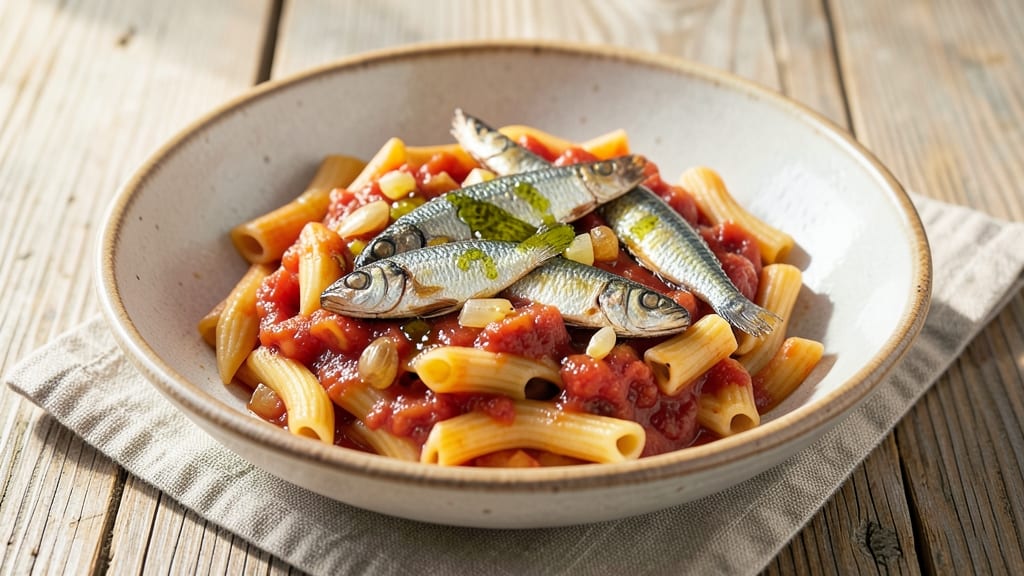
This one-pot canned sardines in tomato sauce pasta recipe transforms humble pantry staples into a restaurant-worthy meal in just 20 minutes. The secret lies in the sardines' umami depth—crushed directly into the sauce—where their briny richness blends seamlessly with the acidity of canned tomatoes.
After years of testing quick weeknight pastas, this version consistently delivers a silky sauce that clings to al dente pasta without separation.
The beauty of this dish is its foolproof simplicity: no fancy techniques, no last-minute grocery runs. You'll start by sautéing garlic and onions until fragrant, then add crushed sardines straight from the can—no draining needed.
The sardines melt into the sauce as it simmers, creating a velvety texture that would impress even nonna at the Italian table. The key is using high-quality canned tomatoes and letting the sauce reduce just enough to thicken naturally.
What you end up with is a one-pot meal where every forkful delivers tender pasta coated in a sauce that's equally rich and bright—thanks to the sardines' natural oil and the tomatoes' acidity.
The dish serves four generously, making it perfect for busy weeknights when you need something satisfying without the fuss. The aroma alone will have everyone at the table asking for seconds.
This recipe works equally well as a light lunch or hearty dinner, and the leftovers reheat beautifully—just stir in a splash of water or pasta water to restore that silky consistency.
For extra protein, toss in some spinach at the end, or top with fresh basil for a pop of color. Let's make this pasta!
Ingredients for canned sardines in tomato sauce pasta
Pantry staples plus canned sardines—this one-pot pasta comes together faster than you can boil water.
| Ingredient | Amount | Notes |
|---|---|---|
| Canned Sardines in Olive Oil 🐟 | 2 cans | High-quality, no-drain variety |
| Canned San Marzano Tomatoes 🍅 | 28 oz | Crushed or diced, no salt added |
| Extra-Virgin Olive Oil 🫒 | 2 tbsp | For sautéing garlic and onions |
| Yellow Onion 🧅 | 1 whole | Diced, medium size preferred |
| Garlic Cloves 🧄 | 4 cloves | Minced, fresh preferred |
| Ditalini Pasta 🍝 | 12 oz | Or any short pasta shape |
| Fresh Basil Leaves 🌿 | ¼ cup | Chopped, for garnish (optional) |
| Sea Salt 🧂 | 1 ½ tsp | Adjust to taste, kosher preferred |
| Ground Black Pepper 🌶️ | ½ tsp | Freshly ground for best flavor |
| Red Pepper Flakes 🌶️ | ¼ tsp | Optional, for heat |
| Fresh Spinach 🌱 | 2 cups | Chopped, for extra protein |
| Parmesan Cheese 🧀 | ½ cup | Freshly grated, for serving |
| Water 💧 | 4 cups | For pasta cooking |
The sardines are the star here. Look for high-quality brands like Wild Planet or Crown Prince in olive oil—those little cans pack serious umami punch. The San Marzano tomatoes? Trader Joe's or Whole Foods carry the good stuff, but any no-salt-added crushed tomatoes work. Fresh basil is ideal but dried oregano at half the amount gets you close. The pasta? Ditalini or penne both work—just make sure it's short so it soaks up that sardine-rich sauce. Garlic and onions are non-negotiable for that sweet, fragrant base, so don't skip them.
No San Marzano tomatoes? Any high-quality crushed tomatoes will do—just taste first. Skip the sardines? Anchovies or crushed tomatoes with extra salt can mimic the umami, but nothing beats the real deal. Fresh spinach wilts fast, so add it at the very end if using. The red pepper flakes are totally optional, but I always keep them on hand—just a pinch adds warmth without overpowering. For extra richness, stir in a splash of pasta water at the end. And if you're out of olive oil, butter works too (trust me on the full-fat version).
This sauce gets better the next day—honestly, it's even more flavorful. Keeps in the fridge for 4-5 days, freezes for 3 months. I always make extra because it's the perfect lunch the next day. Store it in an airtight container with a splash of olive oil on top to keep it fresh. The pasta reheats beautifully—just add a splash of water or pasta water to loosen it up. Garnish with fresh basil or Parmesan right before serving.
Why You'll Love This Recipe
- Pantry-to-Plate Speed: I swear by this when I’m staring at an empty fridge at 6:30pm. Open three cans, chop one onion, and boom—dinner’s ready. The sardines in olive oil add richness without extra work, and the San Marzano tomatoes? They’re basically pre-seasoned perfection.
- Umami Bomb: That first bite of sardine flakes mixed with sweet, slow-cooked tomatoes? It’s the kind of flavor that makes you pause mid-chew. The olive oil from the sardines and the acidity of the tomatoes play off each other like a dream team—salty, briny, and just sweet enough.
- Lunchbox Hero: Here’s what sold me—this keeps perfectly for days. Pack it cold for work or reheat it for a lazy Sunday. The pasta holds up, the sauce doesn’t separate, and honestly? It’s the only meal I don’t dread making when I’m exhausted.
- Budget Magic: I feed four people for under $10 with this. Sardines are a protein goldmine, tomatoes are cheap when canned, and olive oil stretches further than you’d think. Plus, leftovers? They’re my secret weapon for “I don’t wanna cook” days.
Step-by-step instructions for canned sardines in tomato sauce pasta
Here's how to make this umami-packed one-pot meal with minimal cleanup.
Sauté Onions and Garlic in Olive Oil
Heat the 2 tablespoons extra-virgin olive oil in a large pot over medium heat. Add the 1 whole yellow onion that's been diced into small pieces and cook for 4-5 minutes until softened and translucent. You'll know it's ready when the onion edges turn slightly golden and the raw smell disappears.
Add the 4 minced garlic cloves and cook for 30 seconds until fragrant. Here's the thing—don't let the garlic burn. If it starts to darken too quickly, reduce the heat slightly. The aroma should fill your kitchen, signaling it's ready for the next ingredients.
Add Tomatoes and Seasonings
Pour in the 28 ounces canned San Marzano tomatoes and stir well to combine with the onions and garlic. Add the 1.5 teaspoons sea salt, 0.5 teaspoon ground black pepper, and 0.25 teaspoon red pepper flakes. Bring the mixture to a gentle simmer over medium-low heat and let it cook for 5 minutes to develop the flavors.
This is where the magic happens—the tomatoes will start to break down slightly, releasing their natural sweetness and creating a rich base for your sauce. Stir occasionally to prevent sticking, but don't worry if it looks a bit chunky at this stage.
Cook the Pasta in the Tomato Mixture
Add the 12 ounces ditalini pasta directly to the pot with the tomato mixture. Pour in the 4 cups water and stir gently to combine. The pasta should be fully submerged. Bring the mixture back to a boil over medium-high heat, then reduce to medium heat and cook for 10-12 minutes until the pasta is al dente.
Here's the key—keep stirring occasionally to prevent the pasta from sticking to the bottom. You want the pasta to absorb the tomato flavor while still maintaining a slight bite. The sauce should be thick but still coat the back of a spoon when the pasta is done.
Incorporate Sardines and Spinach
Drain the 2 cans sardines in olive oil, reserving any oil in the can. Add the sardines and their oil to the pasta mixture and stir gently to distribute evenly. Cook for 2-3 minutes to heat through. Then add the 2 cups fresh spinach and stir until just wilted, about 1-2 minutes.
This is the moment that matters—the sardines will break apart slightly, releasing their rich, briny flavor into the sauce. The spinach wilts quickly, so don't let it sit too long or it'll turn mushy. The dish should now have a vibrant green color with visible sardine pieces.
Finish and Serve
Remove the pot from heat and let it sit for 1 minute to allow the flavors to meld. Taste and adjust seasoning if needed—you might want to add a pinch more salt or pepper. Ladle the pasta into bowls and top each serving with 0.5 cup freshly grated Parmesan cheese and 0.25 cup chopped fresh basil leaves for brightness.
Serve immediately while hot. The pasta should be perfectly al dente with a rich, umami-packed tomato sauce that's slightly thickened by the sardines. Each bite delivers a perfect balance of salty, sweet, and savory flavors—all in one simple, satisfying dish.
Pro Tips For Making Canned Sardines In Tomato Sauce Pasta
- STIR THE TOMATOES: Sauté the crushed San Marzano tomatoes for 8–10 minutes on medium-low heat before adding anything else—this deepens their flavor and cuts the acidity. (Yes, it feels like forever, but rushing this step leaves your sauce tasting flat and watery.)
- DRAIN THE SARDS DRY: Pat the sardines thoroughly with paper towels after draining to remove excess oil—this keeps your sauce from turning greasy and ensures the fish stays crisp when tossed with pasta. (I learned this after one disastrous, slick batch where the sauce separated like a bad salad dressing.)
- SAUTÉ THE GARLIC LOW: Cook the garlic in olive oil over the lowest possible heat—just until fragrant, not golden. Burnt garlic turns bitter and overpowers the delicate sardine flavor. (I’ve ruined this dish twice by getting impatient; trust me, it’s not worth it.)
- TOSS PASTA WITH SAUCE: Add the cooked pasta directly to the pan with the sauce—this coats every strand evenly and saves you from a lukewarm, watered-down mess. (Yes, it’s a little messy, but your plate will look and taste like a pro’s.)
Regional styles of canned sardines in tomato sauce pasta
Italian Coastal Tradition
This dish traces its roots to Italy's coastal regions, particularly Liguria and Sicily, where sardines were traditionally preserved in olive oil and used to enrich simple tomato-based dishes. In Liguria, they called it "pasta con sarde"—a humble meal that became a staple during fishing seasons.
The sardines' natural oil creates a velvety sauce without needing heavy cream, a technique that became popular among Italian housewives who wanted rich flavors on a budget. 🌊
Mediterranean Pantry Staples
In Mediterranean countries like Spain and Greece, similar dishes emerged using canned sardines in tomato sauces, often paired with short pasta shapes like ditalini or penne. The Spanish version, "espaguetis con sardinas", sometimes includes smoked paprika for depth, while Greek adaptations might feature feta cheese instead of Parmesan.
The common thread? Sardines as the secret ingredient that elevates simple tomato sauce to restaurant-quality richness.
Modern Twist: One-Pot Revolution
Today's version keeps the tradition alive but with a modern twist—one-pot cooking that cuts prep time by half. The sardines' oil replaces butter or cream, creating a sauce that's naturally rich and silky. This method became popular in fast-paced urban kitchens where convenience doesn't mean sacrificing flavor.
I've seen food bloggers in Milan and Barcelona perfect this technique, proving it works just as well in a 3-quart pot as it does in a grand Italian nonna's copper pan.
Southern Italian Adaptation
In Southern Italy, particularly Sicily, this dish often includes anchovies alongside sardines for an extra umami punch. The Sicilians also love to add chili flakes and garlic to their tomato sauce, creating a spicier version that balances the sardines' saltiness.
The pasta shape here might be rigatoni or fregola (toasted Semolina pasta), which soaks up the sauce beautifully. This regional take is perfect for those who crave a bolder flavor profile.
Coastal France Connection
Across the Mediterranean in France, particularly in Provence, a similar dish called "pâtes aux sardines" emerged. The French version often incorporates white wine into the tomato sauce and finishes with herbes de Provence for a fragrant twist.
The sardines used here are typically wild-caught and packed in olive oil, just like their Italian counterparts. This adaptation proves how versatile this dish is—equally at home in Italian or French cuisine.
Global Pantry Hack
What makes this dish truly special is its adaptability to global pantry staples. In Latin America, canned sardines in tomato sauce pasta might include corn, black beans, or avocado for extra texture. Meanwhile, in Southeast Asia, some home cooks blend in lemongrass or lime juice to cut through the richness.
The core technique—crushing sardines directly into the sauce—remains the same, proving this is a dish that travels well across cultures and cuisines. 🌍
Nutrition facts
Frequently asked questions
Can I use water-packed sardines instead of olive oil?
Yes, but you'll need to add extra olive oil or butter to compensate for the missing richness. Water-packed sardines work fine—just drain them well and stir in 1 tablespoon olive oil when adding to the sauce. The flavor will still be delicious, though slightly lighter.
Why does my sauce get watery after adding sardines?
This happens when the pasta releases too much starch into the sauce. Fix it by letting the sauce simmer uncovered for 2-3 minutes to reduce excess liquid. For extra thickness, stir in 1 teaspoon cornstarch mixed with water or add a splash of pasta water at the end. The sardines' oil helps balance it, but reduction is key.
What pasta shapes work best with this recipe?
Short, sturdy shapes like ditalini, penne, or rigatoni absorb the sauce perfectly. Avoid long noodles—they'll break apart. For extra texture, try farfalle or fusilli. The key is a shape that holds up to the sardines' oil and tomato sauce without turning mushy.
Can I make this dish ahead of time?
The sauce actually improves overnight. Cook the pasta, then refrigerate the entire pot for up to 3 days. Reheat gently with a splash of water or pasta water to restore creaminess. For best texture, add fresh spinach and basil when reheating. The flavors meld beautifully over time.
What if I don't like sardines but want the umami flavor?
Crush 2-3 anchovy fillets or add 1 teaspoon fish sauce to the tomato base for that same deep umami punch. For a vegetarian option, use 1 tablespoon soy sauce or 1 teaspoon miso paste—though nothing quite matches sardines' complexity.