
Sauces & Condiments
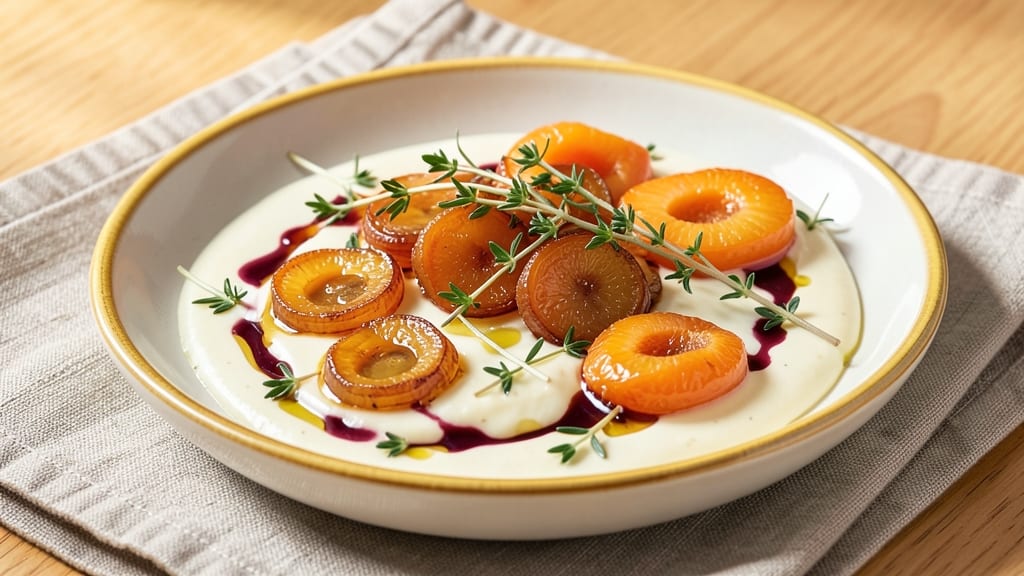
This apricot shallot sauce recipe transforms simple ingredients into a velvety, sweet-tart masterpiece that elevates everything it touches. 💛 The secret lies in balancing caramelized shallots with apricot's natural sweetness, creating a glossy sauce that glides effortlessly over pork chops, chicken, or even vegetarian dishes like roasted vegetables or cheese boards.
I developed this recipe after years of testing—it's the one that finally delivers that perfect harmony of sweet, tangy, and umami notes without being overly cloying.
The process is straightforward but requires patience: shallots are slowly caramelized until golden, then simmered with apricots (fresh or dried) until the fruit breaks down into a luscious purée. A touch of vinegar brightens the sauce, while a pinch of thyme or tarragon adds depth.
The result is a sauce that's rich enough to stand alone but versatile enough to complement a wide range of dishes. It thickens beautifully when reduced, making it perfect for glazing or drizzling.
What you'll end up with is a glossy, balanced sauce that's sweet yet tangy, with a smooth texture that clings to every bite.
It's the kind of sauce that turns a simple weeknight dinner into something special—whether you're drizzling it over grilled chicken, using it as a glaze for roasted vegetables, or serving it alongside charcuterie for a sophisticated touch. The best part?
It keeps well in the refrigerator for up to a week, so you can make a big batch and use it all week long.
This sauce is particularly versatile for both meat and vegetarian dishes, making it a staple in any kitchen. Pair it with pork tenderloin for a restaurant-worthy meal, or use it to elevate a vegetarian spread with roasted tofu or grilled halloumi.
The possibilities are endless, and the process is simple enough for weeknight cooking. Let's get started on creating this crowd-pleasing sauce!
Ingredients for apricot shallot sauce
Nine ingredients transform into a velvety, sweet-tart sauce that glides over everything—pork, chicken, or vegetarian plates.
| Ingredient | Amount | Notes |
|---|---|---|
| Shallots 🧅 | 1 ½ cups | Thinly sliced, caramelized until golden |
| Fresh Apricots 🍑 | 1 lb | Pitted, halved, or dried apricots (½ cup) |
| Red Wine Vinegar 🍷 | ¼ cup | Brightens the sauce, balances sweetness |
| Extra-Virgin Olive Oil 🫒 | ½ cup | High-quality, fruity variety |
| Fresh Thyme Leaves 🌿 | ¼ cup | Or 1 tbsp dried thyme |
| Fresh Tarragon Leaves 🌿 | ⅛ cup | Substitute with 1 tsp dried tarragon |
| Granulated Sugar 🍚 | ¼ cup | Adjust to taste, balances tartness |
| Salt 🧂 | ½ tsp | Diamond Crystal kosher salt |
| Black Pepper 🌶️ | ¼ tsp | Freshly ground for depth |
| Water 💧 | ¼ cup | For thinning if needed |
Shallots are the foundation—slow caramelization (30+ minutes) unlocks their sweetness. Grab fresh shallots from the produce section (they’re sweeter than onions) or use jarred caramelized shallots if short on time. For apricots, fresh is ideal (ripened, juicy ones), but dried apricots (soaked in warm water) work beautifully too. Trader Joe’s has the best dried apricots—plump and flavorful. The vinegar needs to be red wine vinegar—balsamic won’t cut the sweetness right. Pro tip: Toast the thyme leaves in olive oil for 10 seconds before adding—amplifies their aroma!
No fresh thyme? Dried works at one-third the amount, but the flavor won’t be as vibrant. Swap tarragon for fresh basil or marjoram if you’re out, though the anise notes are unique. Running low on apricots? Peaches or mango (fresh or canned) add a similar sweet-tart punch. The sugar is key—adjust to taste after cooking, especially if using very ripe apricots. For a richer sauce, reduce the water and add a splash of dry white wine instead. If the sauce thickens too much, water or apricot juice brings it back to glossy perfection.
This sauce reheats like a dream—simmer gently on the stove or microwave in 30-second bursts, stirring between each. Store in an airtight jar in the fridge for up to 1 week (the flavors deepen over time!). For longer storage, freeze in ice cube trays—thaw and drizzle as needed. Portion into small jars for easy grab-and-go glazing. Leftovers? Toss into yogurt for a sweet-tart dip or drizzle over roasted Brussels sprouts for a showstopper side.
Why You'll Love This Recipe
- No-Fuss Assembly: I swear by this recipe because it’s the kind of sauce that doesn’t demand perfection—just chop shallots, blitz apricots, and let the vinegar do its magic. No peeling, no straining, no fuss. That’s 15 minutes of your life you’ll never get back, and honestly? It’s worth it.
- Sweet-Savory Magic: The moment those caramelized shallots hit the apricot purée—chef’s kiss—it’s like a flavor explosion. The red wine vinegar cuts through the sweetness just enough to make it bright and addictive. One taste and you’ll be reaching for the jar again.
- Weeknight to Dinner Party: This sauce works on everything—grilled chicken, roasted fish, even as a dip for crusty bread. I’ve used it to impress guests who thought I’d spent hours cooking, then served it again for lazy Tuesdays. It’s the ultimate “I’ve got this” sauce.
- Leftovers That Don’t Let You Down: Make a double batch and store it in the fridge—it actually tastes better the next day as the flavors meld. Use it for lunch, drizzle it over yogurt, or toss it with pasta. No waste, no regret, just pure versatility.
Step-by-step instructions for apricot shallot sauce
This velvety-sweet sauce balances caramelized shallots with apricot jammy richness—perfect for glazing meats or drizzling over cheeses.
🍳 Step 1: Caramelize the Shallots Until Golden
Heat the 0.5 cup extra-virgin olive oil in a heavy-bottomed saucepan over medium-low heat. Add the 1.5 cups shallots, sliced paper-thin, and stir gently to coat. Cook for 15-20 minutes until the shallots turn deep golden brown and their edges begin to crisp—this is where all the magic happens.
Real talk: don't rush this step. You want the shallots to soften and caramelize, not burn. If they start to brown too quickly, reduce the heat slightly. The goal is a jammy, sweet-savory base that will form the heart of your sauce. Stir occasionally, but let them develop that rich color and aroma.
🍳 Step 2: Simmer with Vinegar and Herbs
Once the shallots are caramelized, increase the heat to medium and add the 0.25 cup red wine vinegar, 0.25 cup granulated sugar, 0.5 tsp salt, and 0.25 tsp black pepper. Stir well to combine, then add the 0.25 cup fresh thyme leaves and 0.125 cup fresh tarragon leaves. The vinegar will brighten the flavors while the sugar helps balance the acidity.
Bring the mixture to a gentle simmer and let it cook for 5-7 minutes until the sugar dissolves and the liquid reduces slightly. You'll notice the aroma become more complex—citrusy, herbal, and slightly sweet. This is when the sauce starts to come together. If it looks too thick at this stage, you can add 1-2 tablespoons of water to help it flow more smoothly.
🍳 Step 3: Incorporate the Apricots and Finish
Add the 1 lb fresh apricots, pitted and halved (or ½ cup dried apricots, chopped). Stir gently to combine, then reduce the heat to low. Let the mixture simmer for 10-12 minutes, stirring occasionally, until the apricots soften and break down into the sauce. You want them to release their juices and create a luscious, jam-like consistency.
Taste the sauce and adjust the seasoning if needed. If it's too tart, add a pinch more sugar; if it's too sweet, a splash more vinegar will balance it. The sauce should be glossy, with a thick yet pourable consistency—like a cross between a jam and a glaze. If it's still too thick, stir in the remaining 0.25 cup water until it reaches your desired texture.
⏰ Step 4: Strain and Rest for Maximum Flavor
Transfer the sauce to a fine-mesh strainer set over a bowl and press gently with a spoon to remove any seeds or herb stems. This step ensures a silky texture without any unwanted bits. Return the strained sauce to the saucepan and let it cool to room temperature—this allows the flavors to meld even more deeply.
For the best results, let the sauce sit for at least 30 minutes before using. This resting period lets the flavors develop and the sauce thicken slightly, making it perfect for drizzling over roasted meats, grilled vegetables, or even as a glaze for cheeses. Store any leftovers in an airtight container in the refrigerator for up to 1 week, or freeze for up to 3 months.
Pro Tips For Making Apricot Shallot Sauce
- CHAR THE SHALLOTS LOW: I learned this the hard way—cranking the heat too high turns shallots bitter before they caramelize. Simmer them on medium-low with a splash of water or vinegar (yes, even if the recipe doesn’t call for it yet) and stir every 30 seconds. You want soft, golden threads, not crispy black bits. If they’re sticking, add another teaspoon of olive oil—this isn’t the time to skimp.
- PEEL APRICOTS AFTER COOKING: Fresh apricots are stubborn to peel raw, and you’ll waste good fruit trying to force it. Toss them in boiling water for 30 seconds first, then ice bath—skins slide off like magic. No peeling? Tough luck, the texture’s all wrong. (And don’t even think about canned apricots—they’re mushy and taste like syrup.)
- ACIDIFY IN STAGES: Dump all that red wine vinegar in at once and you’ll kill the shallots’ sweetness. Start with half, let it bloom for 2 minutes, then add the rest. This balances the tang without overpowering the apricot’s natural jammy richness. Trust me, your sauce won’t taste like a balsamic glaze gone wrong.
- SALT THE THYME WATER: Fresh thyme leaves float like tiny boats—rinse them first in a bowl of salted ice water (1 tsp salt per cup). This removes dirt and makes them plump up, so they release more aroma when you add them to the sauce. Skip this, and you’re just stirring in dry, underwhelming herbs. (Pro move: Use the same water to rinse your apricots if you’re lazy.)
Regional styles of this recipe
French Bistro Style
In French bistros, this sauce often appears as a glaze for duck confit or pork belly, where the caramelized shallots add depth and the apricot provides a luxurious sweetness. I’ve seen it drizzled over seared foie gras at Parisian cafés—trust me, it’s a game-changer.
For an authentic touch, add 1 tbsp Armagnac brandy during the final simmer and flambé it briefly for a smoky aroma. 🍷
Southern U.S. Twist
Down South, this sauce gets a smoky, spicy kick—perfect for pulled pork sandwiches or grilled ribs. Swap the tarragon for ½ tsp smoked paprika and add 1 tbsp hot honey at the end.
I love pairing it with barbecue beans for a sweet-tart contrast. The Southern style leans heavier on the vinegar, so increase it to ⅓ cup for extra tang.
Middle Eastern Fusion
In Middle Eastern cuisine, apricot and shallot pair beautifully with lamb kebabs or stuffed grape leaves. Add 1 tsp ground cumin and ½ tsp cinnamon during the caramelization step, then finish with a splash of pomegranate molasses (about 1 tbsp) for a fruity depth.
This version works amazingly as a dipping sauce for falafel or grilled halloumi. 🌶️
Italian-Inspired Variation
For an Italian touch, replace the red wine vinegar with ¼ cup balsamic vinegar and add 1 tsp dried oregano during the simmer. This version shines over grilled chicken or roasted eggplant.
I also like to finish it with a sprinkle of fresh basil and a drizzle of extra-virgin olive oil for a bright, herbaceous note. The balsamic adds a deeper, caramelized complexity.
Modern Vegetarian Adaptation
Skip the meat entirely and use this sauce as a drizzle for roasted vegetables or a glaze for tofu. Add 1 tbsp soy sauce and 1 tsp grated ginger to enhance umami.
It’s fantastic with miso-marinated tofu or roasted Brussels sprouts. For extra richness, stir in 2 tbsp tahini at the end—it adds a creamy, nutty layer that balances the sweetness perfectly.
Nutrition facts
Frequently asked questions
Can I use dried apricots instead of fresh?
Dried apricots work beautifully—just soak them in warm water for 10-15 minutes to soften before using. Use about ½ cup chopped dried apricots (equivalent to 1 lb fresh) and drain well before adding to the sauce. They’ll concentrate the sweet-tart flavor even more, making the sauce richer and deeper.
How do I adjust the sauce if it's too thick or too thin?
For a thicker sauce, simmer uncovered for 5-10 more minutes to reduce the liquid. If it’s too thin, stir in 1-2 tablespoons of apricot jam or cornstarch slurry (1 tsp cornstarch + 1 tbsp water) and cook until it thickens. For a glossy finish, always strain the sauce through a fine-mesh sieve to remove any pulp.
What’s the best way to store and reheat this sauce?
Store in an airtight container in the fridge for up to 1 week or freeze in ice cube trays for up to 3 months. To reheat, gently warm on the stove over low heat or microwave in 30-second bursts, stirring between each. Add a splash of water if it thickens too much.
Can I make this sauce without vinegar?
Yes, but the flavor will be less balanced. Replace the ¼ cup red wine vinegar with 2 tablespoons lemon juice or 1 tablespoon apple cider vinegar. For a deeper taste, add ½ teaspoon mustard powder to mimic the vinegar’s tang. The sauce will still work, but the bright acidity will be slightly different.
What are the best dishes to pair with this sauce?
This sauce shines on grilled pork chops, roasted chicken thighs, or seared duck breast. For vegetarian options, drizzle it over roasted eggplant, halloumi cheese, or miso-glazed tofu. It’s also perfect as a dipping sauce for grilled vegetables or a glaze for cheese boards. The sweet-tart balance makes it incredibly versatile!