
Sauces & Condiments
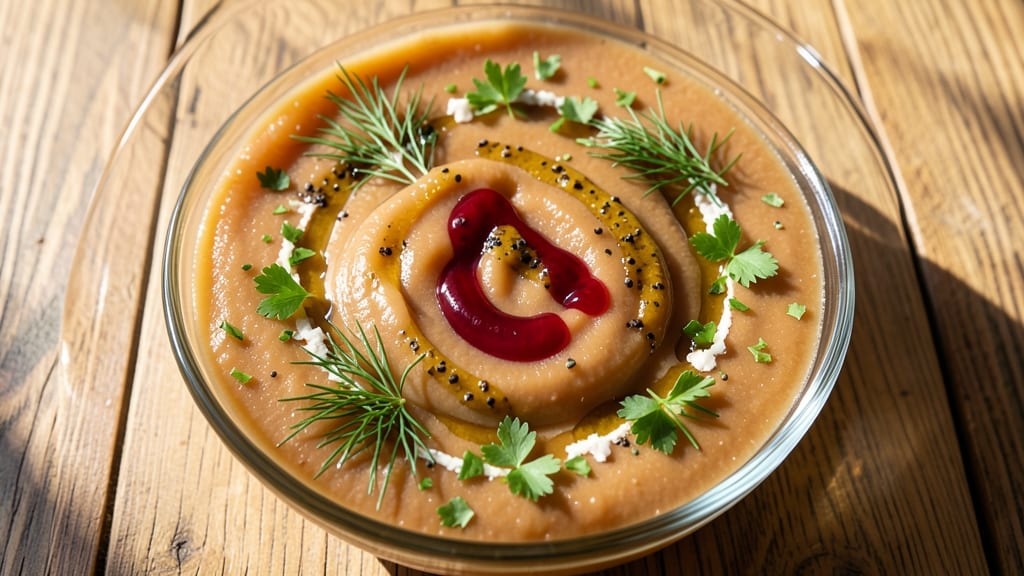
This applesauce salad dressing recipe transforms simple ingredients into a velvety, sweet-tart dressing that elevates crisp greens and hearty salads with effortless balance. The secret lies in blending unsweetened applesauce with tangy vinegar and herbs, creating a silky texture that clings beautifully to lettuce without overpowering.
I developed this recipe after craving a dressing that combined the natural sweetness of fruit with the brightness of classic vinaigrettes—no cooking required, just whisk and drizzle.
The magic happens in the ratio: a 3:1 oil-to-applesauce blend ensures richness without heaviness, while Dijon mustard adds depth and helps emulsify the dressing for a smooth finish.
Fresh herbs like dill or parsley brighten the flavor, and a touch of honey or maple syrup can adjust sweetness to your preference. This dressing keeps well in the fridge for up to 5 days, making it perfect for meal prep.
What sets this dressing apart is its versatility—it works equally well on kale salads, grain bowls, or even as a dip for crudités. The applesauce adds natural sweetness that complements tangy vinegar and sharp herbs, creating a harmonious balance that’s both refreshing and satisfying.
For a vegetarian-friendly twist, skip any dairy or egg-based thickeners and rely on the applesauce’s natural body.
Ready in just 5 minutes, this dressing requires no special equipment beyond a whisk or small bowl. Store leftovers in an airtight container, and give it a gentle shake before using to restore its silky texture.
Whether you’re prepping lunches or dressing a dinner salad, this recipe delivers restaurant-quality flavor with minimal effort.
Ingredients for applesauce salad dressing
Nine ingredients blend effortlessly for a velvety dressing that transforms simple greens into gourmet salads.
| Ingredient | Amount | Notes |
|---|---|---|
| Unsweetened Applesauce 🍎 | ½ cup | Smooth texture preferred |
| Extra-Virgin Olive Oil 🫒 | 1 ½ cups | Light fruity variety |
| Red Wine Vinegar 🍷 | ¼ cup | Dry, not sweet |
| Dijon Mustard 🌶️ | 1 tbsp | Mild or strong preferred |
| Fresh Dill 🌿 | ¼ cup | Chopped finely |
| Fresh Parsley 🌿 | ¼ cup | Chopped finely |
| Pure Maple Syrup 🍯 | 1 tbsp | Grade A preferred |
| Diamond Crystal Kosher Salt 🧂 | ½ tsp | Fine grain preferred |
| Freshly Ground Black Pepper 🌶️ | ¼ tsp | Coarsely ground |
The applesauce serves as the dressing's natural emulsifier and sweetener, so choose unsweetened, smooth varieties—the kind without added sugar or chunks. Mott's or Libby's unsweetened applesauce work perfectly, but any brand labeled 'unsweetened' will suffice. For the olive oil, look for light, fruity varieties like Bertolli or Filippo Berio—avoid heavy, peppery oils that can overpower the delicate balance. Fresh herbs are ideal, but if you're using dried, reduce to one-third the amount and ensure they're labeled 'culinary' grade. The Dijon mustard adds depth; Maille or Whole Foods brand are excellent choices for consistent quality.
No applesauce? Substitute with unsweetened applesauce pouches or even a puréed apple cooked down with a splash of vinegar. Red wine vinegar can be swapped for apple cider vinegar, though the flavor profile will shift slightly. The maple syrup can be replaced with agave nectar or honey—though honey isn't vegetarian, agave provides a similar sweetness. For a tangier dressing, increase the vinegar by one teaspoon. If you're sensitive to mustard, omit it entirely—the dressing will still emulsify, though the texture may be slightly less stable. Always taste as you go; the ratios can be adjusted to preference, but the 3:1 oil-to-applesauce ratio is key for that signature velvety texture.
This dressing keeps beautifully in an airtight container in the refrigerator for up to 5 days. Before each use, give it a gentle shake to restore its silky consistency. For longer storage, transfer to a sterile jar and freeze for up to 3 months. The applesauce-based formula prevents separation, making it ideal for meal prep. A small glass jar with a tight-sealing lid is perfect for portion control—just shake before drizzling. The dressing also doubles as a dip for crudités or a marinade for grilled vegetables, expanding its versatility beyond salads.
Why You'll Love This Recipe
- No Whisk Needed: I just stir it with a fork—no blender, no strainer, no fuss. The applesauce thickens it naturally, so it clings to greens like a dream, even when I forget to shake the jar first.
- Tangy-Sweet Magic: That red wine vinegar and Dijon mustard cut through the applesauce’s sweetness in the best way—bright, a little sharp, with a fresh dill finish that tastes like summer in a bottle. Honestly, it’s the kind of dressing that makes you want to eat salad every day.
- Potluck Hero: Bring this to a gathering, and you’ll be the one everyone asks for seconds from. It works on grilled chicken, roasted veggies, or even as a dip—no one will guess it’s just five ingredients. (Between us, it’s my go-to for lazy Sundays.)
- Jarred for Days: Make a big batch—it keeps for weeks in the fridge—and the flavor only gets better. I’ve had it last through three lunches, two dinner leftovers, and still tasted fresh. Budget-friendly? Absolutely. Time-saver? Even more so.
Step-by-step instructions for applesauce salad dressing
This method delivers a perfectly balanced dressing with vibrant freshness and a sweet-tart harmony.
Whisk Together the Base Ingredients
In a medium bowl, combine the 0.5 cup unsweetened applesauce with the 1 tbsp pure maple syrup. Stir until fully incorporated, creating a smooth, slightly thick mixture. The applesauce provides natural sweetness while the maple syrup adds depth and helps emulsify the dressing later.
Next, add the 0.25 cup red wine vinegar and 1 tbsp Dijon mustard to the applesauce mixture. Whisk vigorously for 30 seconds until everything is well combined. The vinegar introduces the necessary acidity to balance the sweetness, while the Dijon mustard adds a subtle tang and helps create a stable emulsion with the oil.
Incorporate the Fresh Herbs
Gently fold in the 0.25 cup finely chopped fresh dill and 0.25 cup finely chopped fresh parsley using a rubber spatula. Be careful not to overmix at this stage, as you want the herbs to remain visible and vibrant in the final dressing. The herbs contribute bright, fresh notes that complement the sweet-tart profile.
Here's the thing—fresh herbs make all the difference. If you're using dried herbs, reduce to 1 tablespoon each and toast them lightly in a dry pan for 30 seconds before adding. The fresh herbs should be finely chopped to distribute evenly without clumping.
Gradually Emulsify with Olive Oil
With the motor running on low speed, slowly drizzle in the 1.5 cups extra-virgin olive oil while whisking continuously. This gradual addition is crucial—it prevents the dressing from breaking and ensures a smooth, creamy texture. The oil should incorporate evenly, creating a thick, velvety consistency.
If the dressing appears to separate slightly, don't worry. Simply whisk vigorously for another 30 seconds to re-emulsify. The applesauce acts as a natural emulsifier, helping to bind the oil and vinegar together. This step is where the magic happens—the dressing transforms from a simple mixture into a cohesive, restaurant-quality dressing.
Season and Adjust Consistency
Add the 0.5 tsp Diamond Crystal kosher salt and 0.25 tsp freshly ground black pepper, then whisk until fully dissolved. Taste the dressing and adjust the balance of sweetness and acidity if needed. If it's too sweet, add 1 teaspoon more red wine vinegar. If it's too tart, add ½ teaspoon more maple syrup.
For a thinner dressing suitable for drizzling, gradually add 1-2 tablespoons of water while whisking. For a thicker dressing that clings beautifully to greens, chill the dressing for 30 minutes before serving. The flavors will meld even more during this time, resulting in a dressing that's perfectly balanced and ready to elevate your salads.
Pro Tips For Making Applesauce Salad Dressing
- Whisk in stages: Start by mixing the applesauce, vinegar, and mustard—this keeps the texture smooth. Only add the olive oil last, then whisk vigorously until fully emulsified. I learned this the hard way: dumping all ingredients at once leads to a greasy, separated mess.
- Use cold applesauce: Chill the unsweetened applesauce in the fridge for at least 30 minutes before mixing. Cold applesauce blends more evenly and prevents the dressing from turning warm and clumpy. Trust me, your salad will thank you.
- Measure vinegar first: Taste the raw vinegar before adding anything else—it’s stronger than you think. Start with 1 tablespoon, then adjust the mustard and applesauce to balance. I used to overshoot and end up with a sour pucker.
- Pulse the dill: Roughly chop the fresh dill and pulse it in a food processor for 2 seconds before adding to the dressing. This releases the oils and distributes the flavor evenly—no more floating herb clumps. (Yes, even if you’re impatient like me.)
Storing and reheating this applesauce salad dressing
Fridge Storage
Store your applesauce dressing in an airtight glass jar or plastic container with a tight-sealing lid. The applesauce base helps prevent separation, but I still recommend shaking well before each use.
Keep it refrigerated at 40°F or below for up to 5 days—the flavors actually deepen as the ingredients meld together. 🥫
Freezer Preservation
For longer storage, transfer the dressing to a freezer-safe glass jar or silicone ice cube tray (for single-serving portions). Leave ½ inch of headspace to prevent expansion cracks. Freeze for up to 3 months, though I find the texture works best within 2 months.
Thaw overnight in the fridge and give it a good shake to restore its silky consistency.
Reheating for Serving
This dressing doesn't need reheating—it's best served at room temperature or chilled. If you've stored it in the fridge, simply remove the jar 30 minutes before serving to let it warm slightly.
The cold temperature helps maintain its emulsified texture. For a quick fix, place the sealed jar in a bowl of warm water for 5 minutes to gently restore its velvety smoothness.
Texture Restoration
If your dressing separates slightly after refrigeration, don't toss it! Just whisk or shake vigorously for 30-45 seconds—the applesauce acts as a natural emulsifier that will bring it back together.
For extra insurance, add ½ teaspoon of Dijon mustard or 1 teaspoon of lemon juice to help stabilize the mixture. This trick works every time for me. ✨
Portion Control
I love using small glass jars (like 4-ounce mason jars) for portion control—perfect for individual salads or meal prep containers. Store them upright in the fridge door for easy access.
The small size also makes it easier to shake thoroughly before each use. Label with the date to track freshness—this dressing stays fresh longest when used within 3-4 days of opening.
Non-Refrigerated Use
For short-term storage (up to 2 hours), keep the dressing in a cool, dark place like a pantry. The applesauce helps preserve freshness, but this method works best if you plan to use it immediately.
Avoid leaving it out in hot environments, as the oil can separate more easily. When in doubt, refrigerate—it's the safest option for maintaining quality. 💡
Nutrition facts
Frequently asked questions
Can I make this dressing without applesauce?
Yes! For a similar texture, substitute with ½ cup unsweetened applesauce purée (blend cooked apples with a splash of vinegar) or ¼ cup plain Greek yogurt for tanginess. The key is maintaining the 3:1 oil-to-base ratio to keep it creamy.
Why did my dressing separate?
Applesauce dressings can separate if the oil-to-applesauce ratio isn't maintained or if stored improperly. Fix it by whisking vigorously for 30 seconds—the applesauce will re-emulsify. For prevention, always store in an airtight container and refrigerate. A splash of lemon juice can also help stabilize it.
Is this dressing vegan?
Almost! The recipe is naturally vegan, but check your maple syrup (some brands filter with bone char). For strict vegan compliance, use agave nectar instead. The Dijon mustard is typically vegan, but verify the brand.
Can I use this on non-salad dishes?
This dressing works perfectly as a dip for veggie sticks, a glaze for grilled chicken, or even a marinade for tofu. The sweet-tart balance complements roasted vegetables and grain bowls too. Just adjust seasoning to match your dish's flavors.
How do I make it sweeter or tangier?
For more sweetness, add ½ teaspoon maple syrup per tablespoon. For extra tang, increase the vinegar by 1 teaspoon. Always adjust gradually—taste as you go! The dressing should balance sweet, tart, and herby notes harmoniously.