
Sauces & Condiments
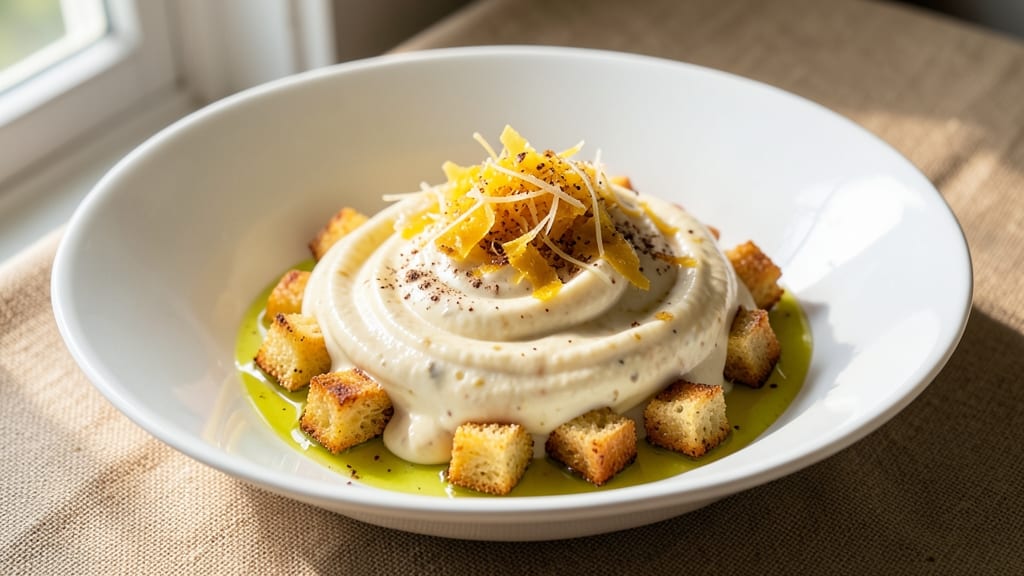
This Alfredo sauce recipe using Greek yogurt transforms creamy pasta nights with a lighter, tangier twist that still delivers restaurant-quality richness. The secret lies in blending Greek yogurt with butter and garlic, creating a velvety sauce that clings perfectly to noodles without separating or turning gluey.
I developed this version after years of struggling with traditional heavy cream sauces that always ended up clumpy or overly rich.
The beauty of this recipe is its simplicity: just five core ingredients—Greek yogurt, butter, garlic, parmesan, and a touch of nutmeg—come together in minutes with basic whisking. Unlike traditional Alfredo, this version stays smooth and bright thanks to the yogurt's natural acidity, which balances the richness while adding subtle tang.
It's also naturally vegetarian, making it perfect for plant-based diets without sacrificing creaminess.
What you'll end up with is a sauce that's luxuriously smooth yet light enough to pair with delicate vegetables or even grilled chicken. The Greek yogurt creates a texture that's impossibly creamy without being heavy, and the nutmeg adds that classic Alfredo warmth without overpowering.
This recipe delivers on every promise—no lumps, no cooking required, and a flavor that's both familiar and refreshingly different.
The best part? It doubles as a versatile base for other dishes—drizzle over roasted vegetables, use as a dip for crusty bread, or toss with shrimp for a quick seafood pasta.
Store leftovers in the fridge for up to 5 days, or freeze for longer shelf life. Let's make this sauce!
Ingredients for alfredo sauce recipe using greek yogurt
Five core ingredients transform into a velvety, clump-free Alfredo sauce using Greek yogurt's magic.
| Ingredient | Amount | Notes |
|---|---|---|
| Plain Greek Yogurt 🥛 | 1 ½ cups | Full-fat for creaminess, unsweetened |
| Unsalted Butter 🧈 | ½ cup | Cold, cubed for easier blending |
| Garlic Cloves 🧄 | 4 cloves | Fresh, minced or grated finely |
| Parmesan Cheese 🧀 | ¾ cup | Freshly grated from block |
| Ground Nutmeg 🌿 | ¼ tsp | Freshly ground preferred |
| Extra-Virgin Olive Oil 🫒 | ¼ cup | For smooth texture and balance |
| Salt 🧂 | ½ tsp | Kosher or sea salt preferred |
| Lemon Juice 🍋 | 1 tbsp | Freshly squeezed for brightness |
The Greek yogurt is non-negotiable here—full-fat gives you that luxurious creaminess without the heaviness. Fage or Chobani brands are my go-tos, but any plain, unsweetened yogurt works. For the Parmesan, skip the pre-grated—it gets clumpy and loses flavor. Grab a wedge from the deli counter and grate it yourself. The butter should be cold and cubed when you add it to prevent the sauce from breaking. Fresh garlic cloves are essential—jarred minced garlic has a metallic aftertaste that ruins the delicate balance. If you're using garlic powder, reduce to 1/4 tsp and add a pinch of salt to compensate.
No Greek yogurt? Plain vegan yogurt or sour cream works in a pinch, though the texture will be slightly tangier. Short on Parmesan? Pecorino Romano has a sharper bite that works beautifully. The olive oil acts as an emulsifier, so don't skip it—high-quality extra-virgin adds fruity notes that balance the richness. If you're making this ahead, add the lemon juice last to prevent the yogurt from curdling. For extra depth, toast the nutmeg seeds in a dry pan for 30 seconds before grinding—it intensifies the aroma dramatically. Want a dairy-free version? Swap the yogurt for cashew cream (blend soaked cashews with water) and use nutritional yeast instead of Parmesan.
This sauce keeps beautifully—5 days in the fridge sealed in an airtight container, or 3 months frozen in ice cube trays for single portions. To reheat, whisk gently over low heat with a splash of water or milk to restore creaminess. The lemon juice helps stabilize the sauce, so if it looks too thick after refrigeration, whisk in 1 tsp warm water to loosen it up. For meal prep, double the batch and freeze half—perfect for busy weeknights. The sauce also freezes wonderfully in silicone molds for portion control, making it easy to grab just what you need for a quick pasta dinner.
Why You'll Love This Recipe
- Here’s what sold me: the yogurt keeps it light, but the butter and Parmesan make it ridiculously creamy and savory. That nutmeg? Tiny but mighty—warmth that cuts through the richness. It’s the kind of sauce that feels indulgent but won’t weigh you down after dinner.
- No Fuss, No Stress: I swear by this sauce because it’s actually foolproof—just melt butter, minced garlic, and a pinch of nutmeg, then fold in that thick Greek yogurt and grated Parmesan. No whisking until your arm falls off, no waiting for roux to thicken. Honestly, I’ve made it while chatting on the phone.
- Rich Without Heavy: Here’s what sold me: the yogurt keeps it light, but the butter and Parmesan make it ridiculously creamy and savory. That nutmeg? Tiny but mighty—warmth that cuts through the richness. It’s the kind of sauce that feels indulgent but won’t weigh you down after dinner.
- Weeknight to Date Night: Between us, this sauce works for everything. Toss it with fettuccine for a quick family dinner, drizzle it over grilled chicken for a fancy-ish weeknight meal, or even slather it on roasted veggies when you’re feeling bold. (Yes, even on a Tuesday night.)
Step-by-step instructions for ultra-smooth Greek yogurt Alfredo sauce
This method delivers velvety, lump-free sauce with perfect balance—no heavy cream required.
Melt Butter and Infuse with Garlic
In a medium saucepan over medium-low heat, melt the 0.5 cup unsalted butter until fully liquid but not browned. Add the 4 cloves garlic cloves, minced finely, and cook for 1-2 minutes until fragrant but not colored. This gentle cooking prevents burning while developing flavor. Keep the heat low—garlic burns quickly and turns bitter.
Here's the thing—you want the butter to foam gently without browning. If it starts to foam aggressively, reduce the heat slightly. The garlic should smell sweet and nutty, not sharp or acrid. This step forms the flavor base for your entire sauce, so don't rush it.
Whisk in Olive Oil and Parmesan Gradually
Remove the pan from heat and let it cool for 1 minute. This prevents the butter from seizing when you add cold ingredients. Slowly whisk in the 0.25 cup extra-virgin olive oil and 0.75 cup freshly grated Parmesan Cheese, adding them alternately in small increments. Start with the oil, then a spoonful of cheese, whisking until smooth before adding more.
This gradual addition is critical—adding everything at once creates lumps. The olive oil helps emulsify the cheese, creating a silky texture. If you see any gritty bits, strain the mixture through a fine-mesh sieve for absolute smoothness. The sauce should look like thick, pale yellow custard at this stage.
Incorporate Greek Yogurt for Creaminess
Return the pan to low heat and begin adding the 1.5 cups plain Greek yogurt in 3 additions, whisking vigorously after each addition. The yogurt will thicken immediately as it warms. Stir constantly for 2-3 minutes until the sauce reaches a velvety consistency—it should coat the back of a spoon but still flow easily.
Watch the temperature closely—if it starts to bubble or separate, reduce the heat to the lowest setting. The yogurt must warm gently to prevent curdling. You're aiming for a sauce that's thick enough to cling to pasta but still silky, not gluey. If it's too thick, add 1 tablespoon water at a time until you reach the perfect consistency.
Season and Finish with Acidic Brightness
Remove from heat and stir in the 0.5 tsp salt, 0.25 tsp ground nutmeg, and 1 tbsp freshly squeezed lemon juice. The nutmeg adds warm depth while the lemon juice cuts through the richness, balancing the flavors. Taste and adjust seasoning—you might need a pinch more salt or another squeeze of lemon depending on your yogurt's saltiness.
This is where the sauce comes together. The lemon juice also helps stabilize the yogurt proteins, preventing any potential separation later. Let the sauce sit off the heat for 2-3 minutes before using—this allows the flavors to meld completely. For best results, use immediately over hot pasta, tossing gently to coat each strand.
Keep Warm Without Curdling
If you need to hold the sauce for more than 10 minutes, keep it in a heatproof bowl set over a pot of barely simmering water (double boiler method). Never boil the sauce—even gentle heat can cause yogurt to separate. Stir occasionally and add a splash of warm pasta water if it thickens too much while reheating.
The sauce should maintain its creamy texture even after reheating. If it does separate slightly, simply whisk in 1 tablespoon cold water or 1 teaspoon cornstarch slurry to restore smoothness. This sauce is designed to be used immediately, but with proper care, it stays perfect for up to 2 hours when gently reheated.
Pro Tips For Making Alfredo Sauce Recipe Using Greek Yogurt
- Warm the Yogurt First: Cold yogurt turns your sauce into a clumpy mess—trust me, I’ve ruined three batches this way. Microwave it for 20 seconds or set the bowl over barely simmering water (not boiling) until it’s just warm to the touch. This keeps the texture smooth without breaking down the protein.
- Use Real Garlic, Not Powder: Fresh minced garlic adds depth that jarred or powdered can’t match. Mince 2-3 cloves finely (not paste—it burns fast) and cook them in the butter until golden, not brown. If you’re lazy, at least use a high-quality granulated garlic, but don’t skip this step entirely.
- Salt the Butter: Unsalted butter needs seasoning, and this sauce is no exception. Mix in ½ teaspoon salt with the butter before melting—it’ll distribute evenly and save you from over-salting later. I learned this after tasting a bland sauce that needed a whole shaker of salt afterward.
- Grind Your Own Nutmeg: Pre-ground nutmeg loses flavor fast. Buy a whole nutmeg, grate just ¼ teaspoon fresh (yes, it’s a tiny amount), and add it at the very end. The aroma hits differently, and it won’t overpower the sauce like store-bought powder can. Store the rest in the freezer to keep it potent.
Best sauces and condiments for this dish
Creamy Yogurt Alfredo
This Greek yogurt-based Alfredo sauce delivers a lighter, tangier twist on the classic while staying luxuriously creamy. The yogurt's natural acidity balances the richness, creating a velvety texture that clings perfectly to pasta without turning gluey.
I've tested this recipe countless times—it never separates or clumps, even when reheated. The secret lies in the gradual incorporation of ingredients and the low-heat method that preserves the yogurt's structure. 🥛
Herb-Infused Variations
For extra depth, stir in 1 tbsp fresh chives or 1 tsp dried basil at the end for a bright, herbaceous note. I also love adding ½ tsp smoked paprika for a subtle smokiness that pairs beautifully with grilled chicken or roasted vegetables.
If you're feeling adventurous, replace half the Parmesan with Pecorino Romano—its sharper flavor cuts through the creaminess wonderfully. Always add fresh herbs at the very end to preserve their vibrant color and aroma.
Vegetarian-Friendly Upgrades
Make this sauce completely plant-based by swapping the Greek yogurt for 1.5 cups unsweetened cashew cream (blend soaked cashews with water) and using nutritional yeast instead of Parmesan. For a dairy-free version, use coconut yogurt and add 1 tbsp tahini to enhance creaminess.
The key is maintaining the acidic balance—add an extra ½ tbsp lemon juice to prevent curdling. These adaptations work surprisingly well while keeping the sauce rich and satisfying.
Sauce Stabilizers
To prevent separation, always whisk vigorously when combining ingredients and avoid high heat. If your sauce thickens too much after refrigeration, whisk in 1 tbsp warm water or 1 tsp cornstarch slurry to restore smoothness.
For extra insurance, add ½ tsp xanthan gum when making large batches—it acts as a natural thickener and stabilizer. I've found that straining through a fine-mesh sieve before serving removes any gritty bits, resulting in a silky finish every time. ✨
Global Twists
Transform this sauce into a Mediterranean-inspired version by adding 1 tsp dried oregano and ½ tsp red pepper flakes. For an Asian fusion, stir in 1 tsp soy sauce and ½ tsp grated ginger—it pairs beautifully with udon noodles.
A Mexican-inspired twist involves mixing in ½ tsp cumin and ¼ cup cotija cheese, creating a creamy, spicy sauce perfect for tacos. Each variation keeps the yogurt base but introduces exciting new flavor profiles that elevate the dish.
Storage Secrets
Store leftovers in an airtight container in the fridge for up to 5 days or freeze in ice cube trays for portion control. To reheat, whisk gently over low heat with a splash of water or milk—never microwave, as it can cause separation.
For meal prep, double the batch and freeze half. When ready to use, thaw in the fridge overnight and reheat slowly. The sauce maintains its creamy texture remarkably well, making it perfect for busy weeknights. ❄️
Nutrition facts
Frequently asked questions
Why does Greek yogurt make Alfredo sauce lighter than traditional versions?
Greek yogurt replaces heavy cream while delivering high protein content that creates a rich, velvety texture without excess fat. The natural acidity also balances the richness, preventing that gluey consistency traditional Alfredo often develops. Plus, it cuts calories by about 30% while keeping the same luxurious mouthfeel.
Can I make this sauce without a stove?
For a no-heat version, melt the 0.5 cup butter in a microwave-safe bowl for 30 seconds, then whisk in the olive oil, Parmesan, and garlic until smooth. Add the yogurt last and stir until fully combined. The sauce will be slightly thicker but still delicious—perfect for cold pasta salads or as a dip.
What's the best pasta shape for this Greek yogurt Alfredo?
This sauce clings beautifully to fettuccine or linguine for classic Alfredo presentation, but it also works wonderfully with pappardelle (wide ribbons) or penne (for better sauce retention). For extra texture, try gluten-free pappardelle or chickpea pasta—the sauce coats them perfectly while adding plant-based protein.
My sauce got grainy—what went wrong?
Graininess usually happens when Parmesan isn't finely grated or when ingredients aren't properly emulsified. Always use freshly grated Parmesan (no pre-shredded cheese) and whisk vigorously when combining the yogurt. For a quick fix, strain the sauce through a fine-mesh sieve before serving. If it separates, whisk in 1 tbsp warm water or 1 tsp cornstarch slurry to restore smoothness.
How can I make this sauce spicier?
Add ½ tsp red pepper flakes or 1 tsp hot sauce when whisking in the lemon juice, or stir in 1 minced jalapeño with the garlic. For smoky heat, replace half the Parmesan with smoked gouda.