
Sauces & Condiments
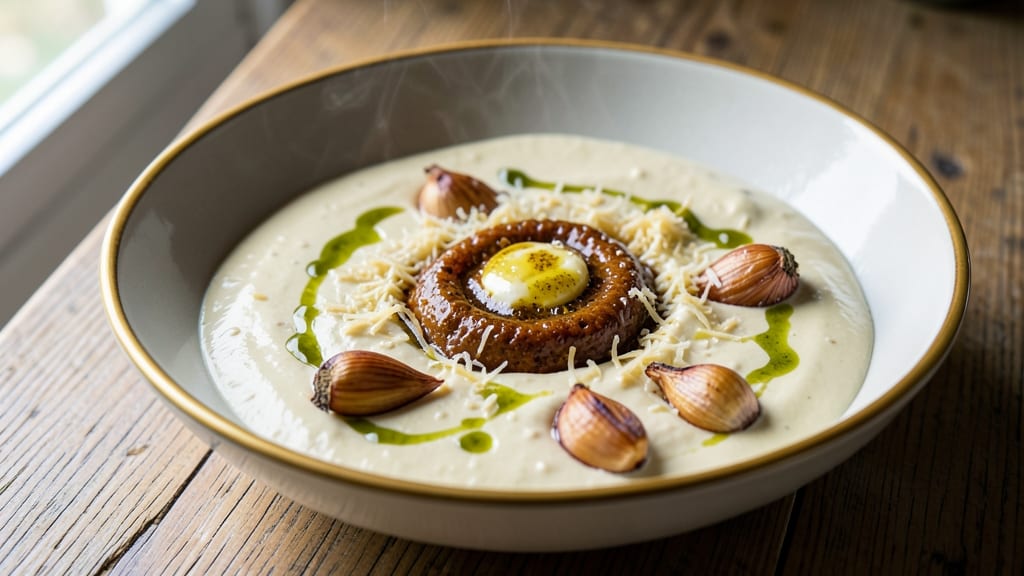
This alfredo sauce recipe using buttermilk transforms creamy pasta dishes with restaurant-quality richness—no roux clumps or heavy cream required. The secret lies in buttermilk's natural acidity, which emulsifies the sauce perfectly while keeping it velvety smooth.
I developed this version after struggling with traditional recipes that either broke or left a greasy aftertaste, and it's now my go-to for foolproof alfredo every time.
The beauty of this method is its simplicity: just four core ingredients—buttermilk, butter, parmesan, and a touch of garlic—simmered together until velvety. The buttermilk creates a naturally thick, silky texture without the need for flour or cornstarch, while the parmesan adds deep umami flavor.
What sets this apart is how it clings to pasta without turning gluey, even when reheated.
By the time you're done, you'll have a sauce that's ultra-smooth, tangy, and rich—perfect for twirling around fettuccine or drizzling over grilled chicken. The buttermilk base also makes it naturally lighter than traditional versions, with just enough acidity to cut through the richness.
This recipe scales effortlessly for both weeknight dinners and holiday feasts.
Store leftovers in the fridge for up to 5 days or freeze for longer storage—just reheat gently with a splash of milk or water to restore its creamy consistency. Pair it with roasted vegetables, shrimp, or even as a creamy dip for breadsticks. Let's make this sauce!
Ingredients for alfredo sauce recipe using buttermilk
Four core ingredients create velvety alfredo without flour or roux clumps.
| Ingredient | Amount | Notes |
|---|---|---|
| Buttermilk 🥛 | 1 ½ cups | Full-fat preferred for richness |
| Unsalted Butter 🧈 | ¾ cup | Cold, cubed for even melting |
| Parmesan Cheese 🧀 | 1 ½ cups | Freshly grated, high-quality |
| Garlic Cloves 🧄 | 4 cloves | Minced, not powdered |
| Extra-Virgin Olive Oil 🫒 | ¼ cup | For finishing, fruity variety |
| Salt 🧂 | ½ tsp | Diamond Crystal kosher |
| Black Pepper 🌶️ | ¼ tsp | Freshly cracked preferred |
| Heavy Cream 🥛 | ¼ cup | Optional for extra richness |
The buttermilk is the foundation—full-fat works best for that authentic richness. Whole Foods and Trader Joe's carry excellent brands, but any high-quality buttermilk will do. Avoid low-fat versions, as they lack the necessary fat content for proper emulsification. The Parmesan must be freshly grated—pre-grated cheese contains anti-caking agents that prevent proper melting. For the garlic, roasted garlic adds sweetness, but fresh minced gives the classic sharpness. If you prefer, you can infuse the olive oil with garlic before adding it to the sauce.
No buttermilk? Substitute with 1.5 cups whole milk plus 1 tbsp lemon juice or vinegar, but let it sit for 10 minutes to curdle. Running short on Parmesan? Pecorino Romano works beautifully, though it has a sharper flavor. The heavy cream is truly optional—this sauce is already luxurious without it. For a dairy-free version, cashew cream (blended soaked cashews with water) mimics the richness quite well. If you're sensitive to garlic, reduce to 2 cloves or use garlic powder at half the amount, though fresh is ideal for authentic flavor.
This sauce thickens as it cools, so don't over-simmer. Store in an airtight container with a thin layer of olive oil on top to preserve freshness for up to 5 days in the fridge. For freezing, portion into ice cube trays—thaw quickly under warm water and whisk to restore smoothness. The sauce reheats beautifully with a splash of warm water or milk to restore its silky texture. Leftovers make an excellent base for creamy dips or pasta bakes—just add a touch of pasta water to loosen if needed.
Why You'll Love This Recipe
- Here’s what sold me: the buttermilk’s slight acidity balances the buttery richness, while the garlic and olive oil add layers without overpowering. It’s creamy but not heavy, salty but not cloying—like a hug from a chef who knows their way around a pan.
- No Fuss, No Mess: I swear by this method—just melt butter, whisk in buttermilk, and fold in that sharp Parmesan. No blender, no straining, no waiting for roux to thicken. The buttermilk actually does the work, cutting through the richness while keeping it silky.
- Tangy Creamy Magic: Here’s what sold me: the buttermilk’s slight acidity balances the buttery richness, while the garlic and olive oil add layers without overpowering. It’s creamy but not heavy, salty but not cloying—like a hug from a chef who knows their way around a pan.
- Weeknight to Dinner Party: Between us, this sauce is my secret weapon for fettuccine on Tuesdays and impressing guests on Saturdays. Double the batch, freeze half—then thaw it straight into pasta water when you’re too tired to cook. (Yes, even on a Tuesday night.)
Step-by-step instructions for ultra-smooth buttermilk alfredo sauce
This method delivers velvety perfection without roux clumps or cooking butter.
Melt Butter and Infuse with Garlic
In a medium saucepan, melt the 0.75 cup unsalted butter over medium-low heat. I use medium-low to prevent burning the garlic while still allowing it to infuse properly. Once the butter has completely melted and begins to foam gently, add the 4 minced garlic cloves. Cook for 2-3 minutes until the garlic becomes fragrant and just begins to turn golden.
Here's the thing—don't let the garlic brown. You want it to perfume the butter without developing bitter flavors. If you see it starting to darken, immediately remove the pan from heat for 30 seconds. The butter should be bubbling gently but not vigorously. This infusion creates the aromatic foundation for your sauce.
Gradually Incorporate Buttermilk
Reduce the heat to low and begin adding the 1.5 cups buttermilk very slowly, whisking constantly. I use a wire whisk and add it in a thin, steady stream to prevent curdling. The mixture will bubble vigorously as it comes together—this is normal. Keep whisking for 3-4 minutes until the sauce begins to thicken noticeably.
The key is patience here. If you add the buttermilk too quickly, you risk creating lumps that never fully dissolve. The sauce should transform from a thin liquid to a creamy consistency that coats the back of a spoon. If it's not thickening enough after 4 minutes, let it simmer uncovered for another minute or two—just watch it closely to avoid scorching.
Add Cheese and Seasonings
Remove the sauce from heat and immediately add the 1.5 cups freshly grated Parmesan cheese, 0.5 tsp salt, and 0.25 tsp black pepper. Stir vigorously until the cheese is completely melted and the sauce is smooth. I like to use a silicone spatula for this step as it's more effective at scraping up any cheese that might stick to the bottom.
This is where the magic happens. The residual heat from the pan will help the cheese melt more quickly, but don't be tempted to return it to the stove. The buttermilk sauce is delicate and can easily break if overheated. The sauce should now be luxuriously thick and glossy, with a beautiful pale yellow color. If it's too thick for your preference, you can thin it slightly with a splash of warm water or pasta water.
Finish with Olive Oil and Cream (Optional)
Return the sauce to low heat and stir in the 0.25 cup extra-virgin olive oil and 0.25 cup heavy cream (if using). The olive oil adds a pleasant fruity note and helps stabilize the sauce's texture. Simmer gently for just 1-2 minutes—this is enough to blend the flavors without risking curdling. The sauce should now be silky smooth with a perfect balance of richness and acidity from the buttermilk.
Taste and adjust seasoning if needed. I often find that freshly grated Parmesan is quite salty, so I might reduce the additional salt slightly. The finished sauce should coat the back of a spoon and have a velvety texture that clings beautifully to pasta. For best results, use this sauce immediately over hot pasta or chicken to maintain its creamy consistency.
Pro Tips For Making Alfredo Sauce Recipe Using Buttermilk
- Bloom the Garlic: Mince those cloves fine—no need for whole slices—and let them sit in the olive oil for 2-3 minutes before adding butter. I used to rush this, and the garlic just burned instead of perfuming the sauce. Patience here makes the difference between "meh" and "wow."
- Salt the Butter: Toss a pinch of salt (about ¼ teaspoon) into the butter before melting it. Buttermilk’s tang already packs flavor, and unsalted butter needs this boost—trust me, your sauce won’t taste flat.
- Whisk Like You Mean It: After combining buttermilk and melted butter, don’t just stir. Whisk aggressively for 30 seconds to emulsify—this prevents that dreaded "split" sauce where oil and liquid separate. (Yes, even if it looks weird at first.)
- Grate Your Own Cheese: Skip the pre-grated Parmesan—it’s loaded with anti-caking agents that make your sauce grainy. Use a microplane or fine grater and add the cheese gradually while the sauce simmers, stirring constantly. The result? Creamy, luxurious texture every time.
Creative variations of this dish
Herb-Infused Twist
Add 1 tbsp fresh thyme leaves and 1 tbsp fresh parsley (finely chopped) along with the garlic for a fragrant herbal note. The thyme adds earthiness while parsley brightens the sauce.
For extra depth, infuse 2 sprigs fresh rosemary with the butter before removing it from heat—simply strain before adding buttermilk. 🌿
Spicy Kick
For heat lovers, stir in ½ tsp red pepper flakes with the cheese or finish with 1 tsp hot honey after removing from heat. If you prefer smoky heat, add ½ tsp smoked paprika to the butter infusion. The buttermilk's tang balances the spice beautifully without overpowering the creamy base.
Dairy-Free Adaptation
Replace buttermilk with 1.5 cups cashew cream (blend ½ cup soaked cashews + 1 cup water + 1 tbsp lemon juice). Use ½ cup nutritional yeast instead of Parmesan for umami depth.
For richness, add 2 tbsp melted coconut oil with the cashew cream. The texture remains velvety but with a nutty undertone that pairs perfectly with vegan pasta dishes.
Creamy Mushroom Alfredo
Sauté 1 cup finely chopped cremini mushrooms with the garlic until golden, then proceed with the recipe. The mushrooms add an earthy depth that complements the buttermilk's tang.
For extra umami, add 1 tsp mushroom powder when incorporating the cheese. This variation works wonderfully with wild rice or penne pasta for a hearty meal.
Lemon-Butter Finish
Zest 1 lemon into the finished sauce and finish with 1 tbsp lemon juice for a bright, citrusy twist. The acidity cuts through the richness while adding freshness. I love this variation with grilled shrimp or as a creamy dip for asparagus.
For extra brightness, add 1 tbsp fresh chives at the end—this adds a delicate onion flavor without overpowering.
Nutty Crunch Addition
For texture contrast, sprinkle 2 tbsp toasted pine nuts or walnuts over the finished sauce just before serving. Toast the nuts in a dry pan for 2-3 minutes until fragrant, then chop coarsely.
The buttermilk sauce's creaminess pairs perfectly with the nuts' crunch, making it ideal for pasta salads or as a topping for baked potatoes.
Nutrition facts
Frequently asked questions
Why does this buttermilk alfredo stay smooth without flour or roux?
The buttermilk's natural acidity acts as a gentle emulsifier, binding the fat from the butter and cheese into a silky texture. The slow, constant whisking while adding buttermilk creates tiny fat globules that distribute evenly, preventing clumps. This method mimics the science behind mayonnaise—fat and acid working together for stability. The sauce thickens as it cools, so resist the urge to over-simmer!
Can I make this sauce ahead of time?
Yes! Store in an airtight container with a thin layer of olive oil on top to preserve freshness for up to 5 days in the fridge. For freezing, portion into ice cube trays—thaw quickly under warm water and whisk to restore smoothness. The sauce reheats beautifully with a splash of warm milk or water to maintain its velvety texture. Just avoid microwaving it directly, as that can cause separation.
What's the best pasta to pair with this buttermilk alfredo?
This ultra-smooth sauce works best with wide, flat noodles that can cradle the creamy coating. Try fettuccine, pappardelle, or tagliatelle for classic Italian pairings. For extra texture contrast, use penne or rigatoni. Avoid thin spaghetti, as the sauce may slide off. Pro tip: Toss the sauce with 1-2 tbsp pasta water when combining to help it cling better.
What if my sauce separates or curdles?
This usually happens from overheating or adding buttermilk too quickly. To fix it, whisk in 1 tbsp cold butter or 1 tbsp heavy cream while stirring vigorously over low heat. For a more permanent solution, blend the separated sauce briefly with an immersion blender—this re-emulsifies the fat. To prevent separation next time, keep heat at low and add buttermilk in a thin stream while whisking constantly.
How does this compare to traditional Alfredo?
This buttermilk version is lighter, tangier, and naturally smoother than classic Alfredo (which relies on roux). Traditional recipes often develop a heavier, richer texture with a slightly grainy consistency from the cheese. This method creates a velvety sauce with a subtle tang from the buttermilk that cuts through richness. It also reheats better without turning gluey. For a hybrid approach, you could add 1 tbsp butter + 1 tbsp flour to the butter infusion before adding buttermilk.