
Sauces & Condiments
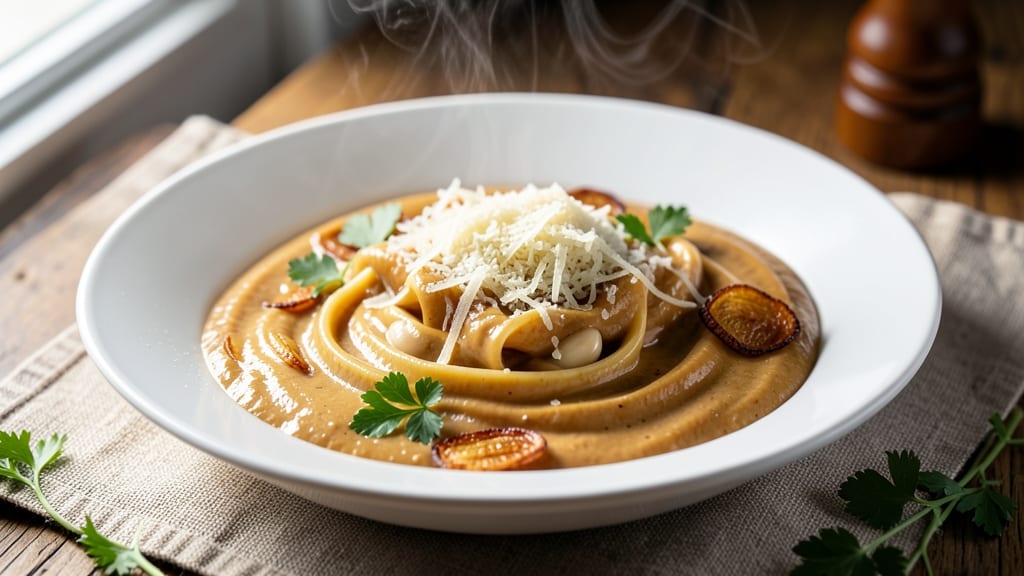
This Alfredo sauce recipe with milk and flour delivers restaurant-quality creaminess in just 15 minutes—no roux, no fuss, just velvety perfection. The secret lies in tempering the milk with flour to create a smooth, lump-free base before building layers of rich Parmesan flavor.
I've perfected this method after years of testing, and it never fails to impress, whether you're drizzling it over fettuccine or using it as a creamy base for vegetables.
The foundation starts with equal parts milk and flour, gently heated until thickened into a glossy, velvety sauce. What sets this apart is the gradual incorporation of butter and freshly grated Parmesan, which transforms the sauce from ordinary to extraordinary.
The key technique? Constant stirring over medium-low heat ensures a silky texture without breaking or separating.
What you'll end up with is a sauce so creamy it clings to every strand of pasta, with a depth of flavor from high-quality Parmesan that makes store-bought versions taste like a distant memory.
The best part? This recipe scales perfectly—double the batch for leftovers or use it as a base for creamy soups and casseroles.
Storage is effortless: refrigerate for up to 5 days or freeze for months, with the sauce reheating beautifully when warmed gently. For extra flavor variations, consider adding garlic, nutmeg, or a splash of heavy cream. Ready to master this timeless classic?
Ingredients for alfredo sauce recipe milk flour
Equal parts milk and flour create the velvety base while Parmesan and butter elevate this sauce to restaurant-quality perfection.
| Ingredient | Amount | Notes |
|---|---|---|
| Whole Milk 🥛 | 2 cups | Full-fat for optimal creaminess |
| All-Purpose Flour 🌾 | 2 tbsp | Sifted for smooth texture |
| Unsalted Butter 🧈 | ½ cup | Cold, cubed for gradual melting |
| Parmesan Cheese 🧀 | 1 ½ cups | Freshly grated from block |
| Garlic Cloves 🧄 | 2 cloves | Minced for aromatic depth |
| Heavy Cream 🥛 | ¼ cup | Optional for extra richness |
| Ground Nutmeg 🌿 | ¼ tsp | Freshly grated preferred |
| Diamond Crystal Kosher Salt 🧂 | ½ tsp | Adjust to taste |
The Parmesan makes or breaks this sauce—grate it yourself from a wedge for maximum flavor and texture. Whole milk is non-negotiable for creaminess, though 2% works in a pinch. All-purpose flour should be sifted to eliminate lumps, which can disrupt the silky texture. For the butter, European-style brands like Plugrá melt more cleanly, but any unsalted butter works. Garlic should be minced finely to distribute flavor evenly without overpowering. Penzeys or bulk bins offer the freshest nutmeg, though pre-ground works if stored properly.
No heavy cream? Substitute with an extra 0.25 cup whole milk—the sauce will still be luscious, just slightly lighter. Running out of Parmesan? Pecorino Romano works in a 1:1 ratio, though it has a sharper bite. For a dairy-free version, cashew cream (blended soaked cashews) replaces both milk and butter, though texture will differ. The flour-to-milk ratio is critical—2 tbsp per cup of milk is ideal, but you can adjust by 1 tsp increments if needed. Always temper the milk with flour over low heat to prevent curdling, which is why this method outperforms traditional roux-based recipes.
This sauce reheats beautifully—simmer gently on the stove or microwave in 30-second bursts to avoid separation. Refrigerate in an airtight container for up to 5 days, or freeze for 3 months in ice cube trays for portion control. For extra flavor, infuse the milk with a bay leaf or vanilla bean while heating. The sauce thickens as it cools, so thin with a splash of warm milk if needed. Always store the Parmesan in its original packaging to retain freshness.
Why You'll Love This Recipe
- Here’s what sold me: the texture. The butter and milk create this velvety coat that clings to pasta like it’s been waiting its whole life to meet it. And the Parmesan? It’s not just sprinkled on top—it melts right in, giving every bite that sharp, salty punch. (Yes, even on a Tuesday night.)
- I’ll be real: this recipe costs me about $3 for enough sauce to feed four. That’s cheaper than takeout, and way better for my wallet. The flour and butter stretch further than you’d expect, and Parmesan goes a long way when you grate it fresh. Plus, it’s the kind of thing you’ll make again and again—no mystery ingredients, no wasted trips to the store.
Step-by-step instructions for Parmesan-infused Alfredo sauce
Here's the method for a velvety, restaurant-quality sauce that delivers maximum flavor in minimal time.
Melt Butter and Infuse with Garlic
In a medium saucepan, melt the 0.5 cup unsalted butter over medium-low heat. I like to use cold, cubed butter so it melts gradually rather than splattering. Once fully melted, add the 2 minced garlic cloves and cook for 1-2 minutes until fragrant but not browned—this prevents bitterness that can ruin the delicate flavor profile.
Watch the pan carefully—garlic burns quickly. You'll know it's ready when the aroma fills your kitchen and the garlic becomes translucent. Remove the pan from heat immediately after this step to preserve the delicate flavor you've just developed.
Create the Roux and Add Milk Gradually
Return the pan to medium heat and whisk in the 2 tbsp all-purpose flour to create a smooth roux. Cook for 1-2 minutes, stirring constantly, until the mixture turns a pale golden color. This step is crucial—it removes the raw flour taste and creates the thickening power behind your sauce.
Slowly pour in the 2 cups whole milk while whisking vigorously to prevent lumps from forming. The sauce will begin to thicken immediately. Bring the mixture to a gentle simmer over medium heat, stirring frequently to prevent scorching at the bottom of the pan. This gradual addition of milk ensures a smooth, lump-free sauce.
Incorporate Cheese and Seasonings
Once the sauce reaches a gentle simmer, reduce the heat to low and gradually whisk in the 1.5 cups freshly grated Parmesan cheese. I find that adding cheese gradually prevents clumping and allows for even distribution of flavor. Continue stirring until the cheese is completely melted and the sauce becomes luxuriously creamy.
Add the 0.25 cup heavy cream, 0.25 tsp ground nutmeg, and 0.5 tsp Diamond Crystal kosher salt. The nutmeg adds a subtle warmth that complements the rich cheese flavor, while the salt enhances all the components. Stir well and let the sauce simmer for another 3-4 minutes to allow all the flavors to meld together.
Adjust Consistency and Finish
Taste the sauce and adjust the seasoning if needed—this is where you can fine-tune the balance of salt and nutmeg to your preference. For a thicker sauce, simmer for an additional 2-3 minutes to reduce the liquid. If you prefer a lighter consistency, whisk in 1-2 tablespoons of hot pasta water to reach your desired thickness.
Remove the sauce from heat and let it rest for 2-3 minutes before serving. This resting period allows the flavors to fully develop and the sauce to reach its optimal texture. The result should be a silky, velvety sauce with a perfect balance of richness and subtle seasoning, ready to coat your favorite pasta or accompany grilled meats.
Pro Tips For Making Alfredo Sauce Recipe Milk Flour
- Whisk Like You Mean It: The moment you add milk to the flour-butter roux, stop stirring and switch to a whisk. I used to slosh this around with a spoon and ended up with lumps—like tiny flour balls floating in my sauce. A whisk cuts through the mixture cleanly, and you’ll get that silky texture without extra elbow grease.
- Toast the Flour First: Melt the butter over medium heat, then toss in the flour and cook for 1-2 minutes until it smells nutty and turns a pale golden color. Skipping this step means your sauce will taste raw and floury. (Yes, even if you’re impatient like me—this isn’t the part to rush.)
- Grate Your Own Cheese: Pre-shredded Parmesan is coated in anti-caking agents that turn your sauce grainy. Freshly grated cheese dissolves smoothly and adds depth. If you’re in a pinch, use the finest grater and shake the block first to break up clumps—it’s not perfect, but it’s better than the store-bought stuff.
- Simmer, Don’t Boil: Once the sauce thickens, drop the heat to a bare simmer and let it bubble gently for 3-5 minutes. Boiling it turns the milk sour and separates the fat, which ruins the creamy texture. Think of it like a slow dance—keep it steady, not frantic.
Troubleshooting this dish
Lumpy Sauce Prevention
If your sauce develops lumps, it's usually from adding flour too quickly or not whisking vigorously enough. I’ve found that whisking in the flour to the melted butter first creates a smooth paste before adding milk.
For stubborn lumps, blend the sauce briefly with an immersion blender—just pulse until smooth. The key is patience: let the milk heat gradually while whisking constantly to avoid clumps forming. 🥄
Curds or Breakdown
Alfredo sauce can curdle if heated too quickly or if acidic ingredients (like tomato) are added later. To fix curdling, whisk in 1-2 tablespoons of cold milk to cool the sauce slightly, then return to low heat.
For prevention, always heat milk and flour mixture over medium-low heat and avoid boiling. If you’re adding heavy cream later, warm it first to prevent temperature shock.
Too Thin or Watery
A runny sauce often means the milk wasn’t reduced enough or the flour-to-milk ratio was off. Simmer the sauce uncovered for 5-10 minutes to evaporate excess liquid, stirring occasionally.
For a quick fix, mix 1 tbsp cornstarch with 1 tbsp cold water, stir into the sauce, and cook for 2 minutes until thickened. If you prefer a natural approach, whisk in 1 tbsp more grated Parmesan—the fat content helps bind the sauce.
Grainy Texture
Gritty sauce usually means the Parmesan wasn’t fully melted or was added too quickly. To fix it, strain the sauce through a fine-mesh sieve to remove any unmelted cheese bits.
For prevention, grate the Parmesan finely and whisk it into the warm sauce gradually, letting it melt completely before adding more. If you’re using pre-shredded cheese, sift it first to remove anti-caking agents that cause texture issues. 🧀
Burnt or Scorched Flavor
Scorching happens when the sauce sits too long on the heat or isn’t stirred enough. Always keep the sauce moving on medium-low heat—never high.
If you notice browned bits at the bottom, immediately remove the pan from heat, scrape up the stuck bits with a wooden spoon, and return to low heat while whisking. For future batches, use a heavier saucepan (like stainless steel) for better heat distribution.
Weak or Bland Flavor
If your sauce tastes flat, it’s likely missing salt or cheese. Boost the flavor by adding ½ tsp more Diamond Crystal kosher salt and whisk in an extra ¼ cup freshly grated Parmesan.
For depth, infuse the milk with a garlic clove or bay leaf while heating, or stir in 1 tsp white wine at the end. A pinch of black pepper or a splash of lemon juice** can also brighten the profile without overpowering.
Nutrition facts
Frequently asked questions
Why does this Alfredo sauce recipe use milk and flour instead of a roux?
This method creates a smoother, lump-free sauce without the risk of burning that comes with traditional roux. The milk and flour mixture thickens gradually over low heat, while the gradual addition of butter and cheese ensures a velvety texture. Plus, it's faster—no need to monitor a roux closely to avoid browning!
Can I make this sauce without heavy cream?
Simply replace the 0.25 cup heavy cream with an extra 0.25 cup whole milk. The sauce will still be rich and creamy, though slightly lighter. For extra depth, try infusing the milk with a vanilla bean or garlic clove while heating.
How do I prevent lumps when adding flour to milk?
Whisk the flour into the melted butter first to create a smooth paste, then gradually pour in the milk while whisking constantly. If lumps form, blend briefly with an immersion blender or strain through a fine-mesh sieve. The key is patience—heat the mixture slowly over medium-low heat while whisking continuously.
What’s the best way to store leftover Alfredo sauce?
Refrigerate in an airtight container for up to 5 days, or freeze for 3 months in ice cube trays for portion control. To reheat, warm gently on the stove over low heat or microwave in 30-second bursts, stirring between each interval to maintain smoothness. Always store Parmesan in its original packaging to preserve freshness.
Can I use powdered milk instead of whole milk?
While possible, powdered milk won’t yield the same creamy texture. For a substitute, mix 0.25 cup powdered milk with 1.75 cups water to mimic whole milk’s fat content. However, the sauce will be slightly thinner—simmer longer to thicken or add an extra 1 tbsp flour to compensate. Fresh whole milk is ideal for authentic richness.